


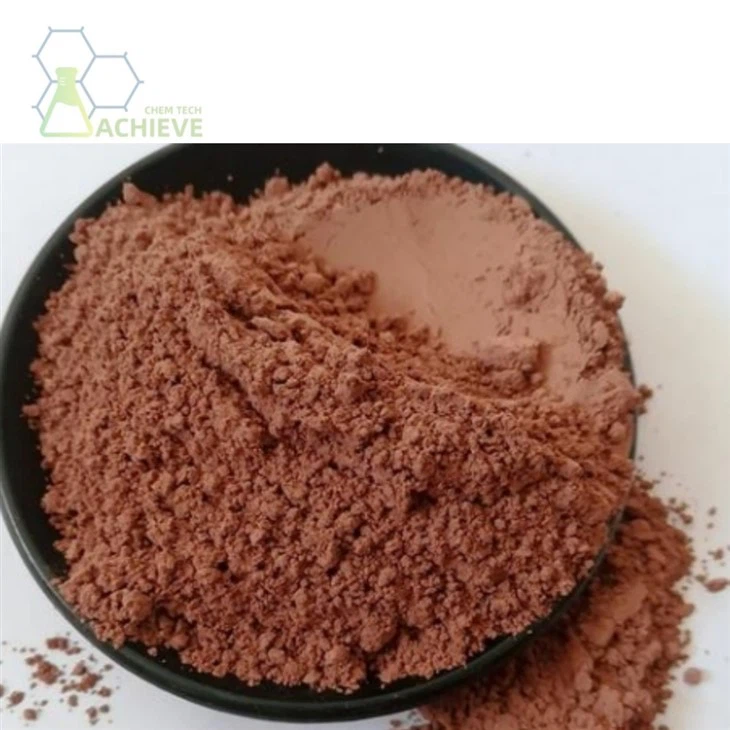
Shaanxi BLOOM Tech Co., Ltd. is one of the most experienced manufacturers and suppliers of pumpkin seed peptide in China. Welcome to wholesale bulk high quality pumpkin seed peptide for sale here from our factory. Good service and reasonable price are available.
Pumpkin seed peptide is a mixture of bioactive short chain peptides obtained by enzymatic hydrolysis of proteins in pumpkin seeds (Cucurbita moschata), with molecular weights typically ranging from 500 to 5000 daltons, mainly concentrated in the range of 500 to 1000 daltons. It contains 18 types of amino acids, including key functional amino acids such as glutamic acid (Glu), leucine (Leu), proline (Pro), etc. It has no fixed molecular formula and presents a diverse structure due to differences in amino acid sequence and peptide chain length. In recent years, with the deepening of research on bioactive peptides, they have shown broad application prospects in sports nutrition, male health, cardiovascular protection, food industry, cosmetics, and multiple industrial fields.
Our premium products

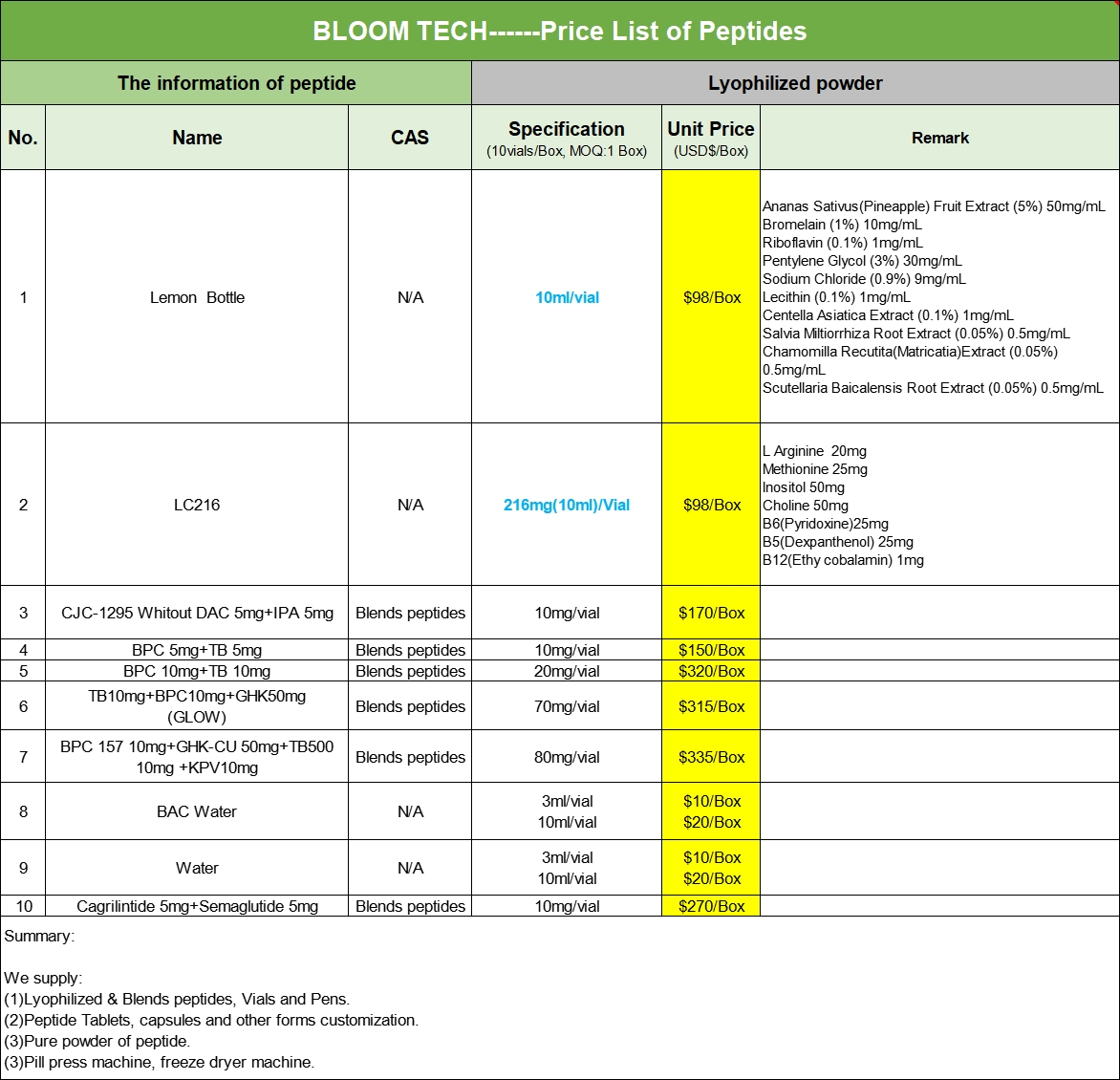

Pumpkin Seed Peptide COA
 |
||
| Certificate of Analysis | ||
| Compound name | Pumpkin Seed Peptide | |
| Grade | Pharmaceutical grade | |
| CAS No. | N/A | |
| Quantity | Customized | |
| Packaging standard | Customized | |
| Manufacturer | Shaanxi BLOOM TECH Co., Ltd | |
| Lot No. | 202501090027 | |
| MFG | Jan 9th 2026 | |
| EXP | Jan 8th 2029 | |
| Item | Enterprise standard | Analysis result |
| Appearance | White or almost white powder | Conformed |
| Water content | ≤5.0% | 0.54% |
| Loss on drying | ≤1.0% | 0.42% |
| Heavy Metals | Pb≤0.5ppm | N.D. |
| As≤0.5ppm | N.D. | |
| Hg≤0.5ppm | N.D. | |
| Cd≤0.5ppm | N.D. | |
| Purity (HPLC) | ≥99.0% | 99.98% |
| Single impurity | <0.8% | 0.52% |
| Total microbial count | ≤750cfu/g | 95 |
| E. Coli | ≤2MPN/g | N.D. |
| Salmonella | N.D. | N.D. |
| Ethanol (by GC) | ≤5000ppm | 500ppm |
| Storage | Store in a sealed, dark, and dry place, 2-8°C | |
|
|
||


Pumpkin seed peptides are bioactive small molecule peptides prepared from pumpkin seed (Cucurbita moschata) protein through enzymatic or subcritical hydrolysis techniques, with molecular weights mainly concentrated in the range of 500-1000 Da. In recent years, with the deepening of research on bioactive peptides, pumpkin seed have demonstrated outstanding functional value in the fields of anti exercise fatigue, blood pressure reduction, antioxidant, anti-aging, cell protection, and neuroprotection.

Core bioactive applications
1. Anti exercise fatigue
The study published by Dan Yi et al. (2026) in the Journal of Food Industry Technology systematically evaluated the anti fatigue effect of pumpkin seed. The swimming time of mice in the high-dose group was significantly prolonged (P<0.05); The levels of muscle glycogen and liver glycogen significantly increased (P<0.05); The levels of serum urea nitrogen (BUN), lactate (LA), and lactate dehydrogenase (LDH) were significantly reduced (P<0.05); The activities of antioxidant enzymes such as SOD, GSH Px, CAT were significantly increased (P<0.05), while MDA was significantly decreased (P<0.05).
The dose-response relationship is clear, with the high-dose group outperforming the medium and low-dose groups in most indicators, indicating that it combats exercise-induced fatigue by strengthening the antioxidant defense system and accelerating the clearance of metabolic waste.
The experimental results indicate that:
Compared with the model group, the swimming time of mice in the high-dose group was significantly prolonged (P<0.05);
The levels of muscle glycogen and liver glycogen significantly increased (P<0.05), providing the body with more abundant energy reserves;

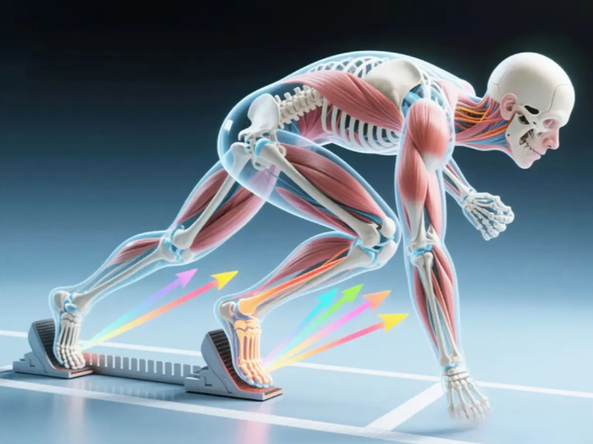
The levels of serum urea nitrogen (BUN), lactate (LA), and lactate dehydrogenase (LDH) were significantly reduced (P<0.05), indicating a significant improvement in the efficiency of metabolic waste removal;
The antioxidant enzymes SOD, GSH Px, and CAT were significantly increased in serum and liver tissue (P<0.05), while the lipid peroxidation product MDA was significantly decreased (P<0.05), indicating that pumpkin seed counteract exercise induced oxidative damage by strengthening the antioxidant defense system.
The improvement in the above indicators of the high-dose group was better than that of the low and medium dose groups (except for liver glycogen and LDH), showing a clear dose-response relationship. This study provides a solid theoretical basis for the application of pumpkin seed in sports fatigue management.
2. Lowering blood pressure - precise targeting of ACE inhibitory peptides
The research team led by He Haiyan et al. (2022) from Northeast Forestry University published a landmark study in Food Science. Nine ACE inhibitory peptides were identified from components below 1 kDa using HPLC/Q-TOF-MS/MS: LLV, LVF, LTPL, SVLF, LLPQ, MLPL, LLPGF, VLLPE, and RFLLL, all of which are novel sequences. Among them, the IC50 values of LLPGF (IC ₅₀=0.48 mmol/L), MLPL (IC ₅₀=0.36 mmol/L), LVF (IC ₅₀=0.17 mmol/L), and RFPLL (IC ₅₀=0.94 mmol/L) are all below 1 mmol/L.

Key findings include:
| Peptide Sequence | Semi Inhibitory Concentration (IC ₅₀) | Inhibition Type |
| RFPLL<1 | mmol/L | mixed inhibitor |
| LVF<1 | mmol/L | competitive inhibitor |
| LLPGF<1 | mmol/L | competitive inhibitor |
| MLPL<1 | mmol/L | competitive inhibitor |
In the spontaneously hypertensive rat (SHRs) model, after 6 hours of gavage at a dose of 30 mg/kg:
RFPLL reduces systolic blood pressure by 37.0 mmHg and diastolic blood pressure by 17.0 mmHg;
LVF reduces systolic blood pressure by 22.2 mmHg and diastolic blood pressure by 11.2 mmHg.
These data indicate that pumpkin seed protein hydrolysate with a molecular weight below 1 kDa is a highly promising raw material for blood pressure lowering functional foods, and the RFPLL and LVF peptide segments can be directly used for the development of blood pressure lowering functional foods or drugs.

3. Antioxidant and anti-inflammatory - multi-target synergistic defense
It contains abundant antioxidant related amino acids (such as glutamic acid, proline, etc.) and works synergistically with active ingredients such as vitamin E (mainly gamma tocopherol), carotenoids, and plant sterols in pumpkin seed extract. Research has shown that it can significantly enhance the activity of endogenous antioxidant enzymes such as SOD, GSH Px, CAT, while reducing oxidative damage markers such as MDA. It exhibits excellent performance in clearing free radicals and delaying cellular aging. In addition, its ability to inhibit inflammatory mediators such as prostaglandins makes it valuable for auxiliary regulation of chronic inflammatory diseases.
4. Antioxidant and Cellular Protection
The study by Li Quanhong et al. (2025) showed that within the concentration range of 1-40 mg/mL, pumpkin seed peptides showed a significant dose-dependent relationship with DPPH radical scavenging rate increasing from 28.80% to 91.62%, ABTS scavenging rate increasing from 16.95% to 83.55%, and FRAP value increasing from 0.14 to 0.83 μ mol/mL. Using the H ₂ O ₂ - induced oxidative damage model in Caco-2 cells, antioxidant peptides can effectively protect cells from oxidative stress damage, significantly increase SOD enzyme activity and GSH content, and eliminate excessive reactive oxygen species in cells.

5. Anti aging and Skin Protection
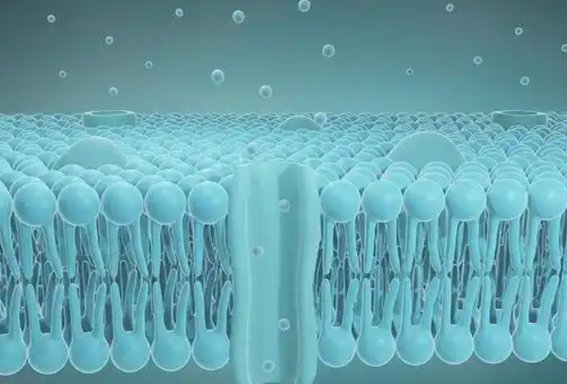
Wang Peiyu (Jiangnan University)'s master's thesis is the first to evaluate the anti-aging performance of pumpkin seed at the cellular level. The peptide obtained from alkaline trypsin hydrolysis resulted in a proliferation rate of 113.1% for HSF cells and 114.87% for HaCaT cells; The intracellular collagen content increased by 18.07%, elastin content increased by 39.09%, and hyaluronic acid content increased by 40.69%. After multi-step purification by ultrafiltration, Sephadex G-10, DEAE-52, and RP-HPLC, the active component PU-3-B-2-I was obtained, and two novel peptide sequences were identified: Lnddll (Leu Asn Asp Asp Leu Leu) and Klvqve (Lys Leu Val Gln Val Glu), which promoted HSF and HaCaT cell proliferation rates of 139.06% and 131.31%, respectively.
6. Improving Sleep
Rich in tryptophan, it is a precursor substance for the synthesis of serotonin and melatonin. Pumpkin seed are more easily absorbed by the human body in the form of small molecule peptides while retaining tryptophan. The recommended daily dosage of the extract is 500-1000mg, and continuous use for 2-3 months has significant effects. It can be used as an auxiliary treatment for insomnia.
7. Anti parasitic measures
Pumpkin seed extract has traditionally been used to drive away intestinal parasites such as tapeworms and roundworms.


Inheriting this traditional efficacy and serving as an adjuvant treatment for parasitic infections.
8. Immune regulation and anti-tumor potential
Research has found that a ribosome inactivating protein (RIP) called Moschatin has been isolated from pumpkin seeds, with an IC ₅₀ of only 0.04 nM against human melanoma cell line M21, which is 1500 times lower than the effective dose of free Moschatin. When applied in the form of Moschatin-Ng76 immunotoxin, it can efficiently inhibit the growth of targeted tumor cells. In addition, the bioactive compounds in pumpkin seeds have been proven to have multiple pharmacological activities such as anti-tumor and cell protection.
Food industry applications
1. Solid beverages and sports drinks
Pumpkin seed peptides are completely soluble in water, with excellent stability (acid and heat resistance, solubility not affected), low content of free amino acids, and high purity. It is recommended to add 0.5% to 2% in solid beverages such as soy milk and sports drinks, and 0.1% to 5% in liquid beverages such as milk, yogurt, and juice. Its anti fatigue properties make it particularly suitable for the development of sports nutrition drinks.
2. Leisure and baked goods


Adding 3% to 5% in puffed and baked goods can provide high-quality amino acids and trace elements, enhancing the nutritional value of the product.
3. Health Food
The addition amount can reach 10% to 50% (in accordance with relevant regulatory requirements), used for functional health foods such as nutritional supplements for middle-aged and elderly people, cardiovascular health, and antioxidants.
4. Meat Products and Seasoning
It can be used as a nutritional strengthening component in the formulation of meat products and seasonings, improving the amino acid composition and flavor of the products.
References
[1] Protein identification and potential bioactive peptides from pumpkin (Cucurbita maxima) seeds. Food Sci Nutr. 2024 Apr 24;
[2] Ameliorative Effects of Pumpkin Seed Protein Peptides on Dexamethasone-Treated Sarcopenia and Their Effects When Combined with Vitamin D. Foods. 2026 Mar 30;
[3] Pumpkin Seed Proteins: The Potentially Alternative Protein Supplements for Food Applications. Foods. 19 November 2025;
[4] Effect of Pumpkin Seed Peptide on Improving Sports Fatigue [J]. Relevant Research Literature, 2026
[5] Northeast Forestry University Preparation and antihypertensive activity of pumpkin seed protein derived angiotensin-converting enzyme inhibitory peptide [J]. Unified Search, September 17, 2025
[6] Food and Fermentation Industry The Effect of Heat Treatment on the Functional and Structural Characteristics of Pumpkin Seed Protein Isolate [J]. 2026-04-25
FAQ
What hormone does pumpkin seeds increase?
Additionally, zinc from pumpkin seeds is claimed to promote progesterone production in preparation for the next phase of the cycle. During the luteal phase, lignans - a type of polyphenol - in sesame are supposed to inhibit estrogen levels from increasing too much.
What is the downside of pumpkin seeds?
While highly nutritious, pumpkin seeds carry a few potential downsides if overconsumed or eaten by individuals with specific health sensitivities:
Digestive Distress: Being rich in fiber, eating too many can cause gas, bloating, or constipation. Whole, unshelled seeds can also irritate those with sensitive digestive tracts or inflammatory bowel diseases (IBD).
High Calorie & Fat Density: They are dense in fat. Snacking on large portions frequently can easily lead to excess caloric intake and unwanted weight gain.
Medication Interactions: Pumpkin seeds are naturally rich in magnesium, omega-3s, and vitamin K. Consuming them in large quantities can interfere with certain medications, particularly blood thinners, diuretics, and blood pressure drugs.
Kidney Stone Risk: They contain natural compounds called oxalates. If you are highly prone to calcium oxalate kidney stones, eating them in excess may increase your risk.
Allergies: Though rare, some individuals can have an allergic reaction to pumpkin seeds, leading to oral itching, swelling, or skin rashes.
Does pumpkin seed raise testosterone?
Pumpkin seeds do not directly raise testosterone levels in the blood, but they provide the essential nutrients-like zinc, magnesium, and healthy fats-that your body needs to naturally maintain and support optimal testosterone production.
Hot Tags: pumpkin seed peptide, suppliers, manufacturers, factory, wholesale, buy, price, bulk, for sale, CJC 1295 Peptide, Kisspeptin powder, Lpamorelin Powder CAS 170851 70 4, Melanotan ii powder, Pralmorelin CAS 158861 67 7, sermorelin powder