


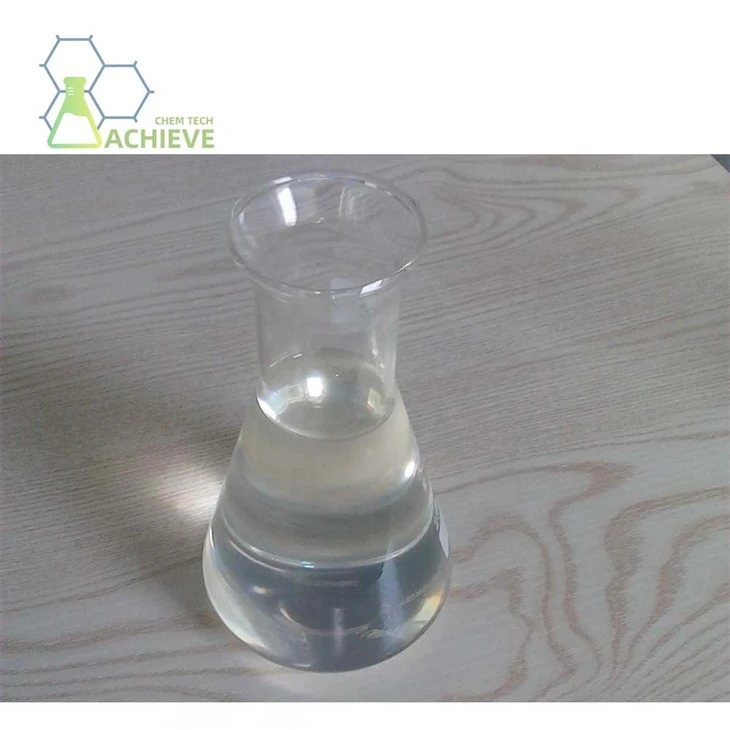


4-Chloroindole, also known as 4-chloro-1H-indole, is an organic compound belonging to the indole family, characterized by its unique aromatic structure incorporating both an indole ring and a chlorine atom. This colorless to pale yellow solid possesses distinct physicochemical properties, including a moderate melting point and a characteristic aromatic odor. It easily absorbs moisture in the air. It can be soluble in hot water and alcohol, but not in ether and petroleum ether. This means that it can be mixed with some organic solvents and water, but may not be soluble in certain specific organic solvents. Appears blue fluorescence under ultraviolet light.
Chemically, the molecule features a six-membered benzene-like ring fused with a five-membered pyrrole ring, with the chlorine atom substituted at the fourth position of the indole skeleton. This substitution pattern significantly influences its reactivity and biological activities.

|
|
|


|
Chemical Formula |
C8H6ClN |
|
Exact Mass |
151 |
|
Molecular Weight |
152 |
|
m/z |
151 (100.0%), 153 (32.0%), 152 (8.7%), 154 (2.8%) |
|
Elemental Analysis |
C, 63.39; H, 3.99; Cl, 23.38; N, 9.24 |

4-Chloroindole is an important organic compound with the molecular formula C ₈ H ₆ ClN and a molecular weight of 151.59. It appears as a transparent yellow liquid at room temperature and pressure, possessing unique chemical properties and a wide range of applications.
As an intermediate in organic synthesis
4-Chloroindole plays a crucial role in the field of organic synthesis as a multifunctional intermediate that can participate in various complex organic reactions and generate structurally diverse derivatives.
Constructing indole compounds: Indole compounds are widely present in nature, and many biologically active natural products, such as indole alkaloids, contain indole ring structures. 4-Chloroindole can introduce various functional groups at different positions of the indole ring through substitution reactions, addition reactions, etc., thereby synthesizing indole compounds with complex structures and diverse functions. For example, by reacting with different acyl chlorides or anhydrides, acyl groups can be introduced onto the nitrogen atom of 4-chloroindole to generate N-acyl-4-chloroindole derivatives, which have potential applications in the fields of medicine and pesticides.


Synthesis of heterocyclic compounds: 4-Chloroindole can also serve as a key intermediate for the synthesis of heterocyclic compounds. Heterocyclic compounds with unique structures and properties can be constructed by reacting with other compounds containing heteroatoms such as nitrogen, oxygen, or sulfur. For example, by reacting with pyridine compounds, fused ring compounds containing indole and pyridine rings can be synthesized, which have important research significance in materials science and medicinal chemistry.
Preparation of polymer materials: 4-Chloroindole can also participate in polymerization reactions to produce polymer materials with special properties. For example, by copolymerizing with vinyl monomers, polymers containing indole rings can be synthesized, which may have unique optical, electrical, or thermal properties and potential applications in optoelectronic devices, sensors, and other fields.
As a raw material for pharmaceutical molecules
4-Chloroindole has a wide range of applications in the pharmaceutical field. As a raw material for pharmaceutical molecules, it can be used to synthesize various bioactive drug molecules.
Antitumor drugs: Many anti-tumor drugs contain indole ring structures, and 4-chloroindole can be synthesized into drug molecules with anti-tumor activity through structural modification and optimization. For example, some studies have shown that introducing specific substituents on the indole ring of 4-chloroindole can significantly enhance its inhibitory effect on tumor cells. These drug molecules may exert anti-tumor effects by interfering with processes such as DNA replication, protein synthesis, or cell signaling in tumor cells.


Antibacterial drugs: 4-Chloroindole can also be used for synthesizing antibacterial drugs. Some indole compounds have broad-spectrum antibacterial activity and have inhibitory effects on various bacteria and fungi. By using 4-chloroindole as raw material, structural modification and optimization can be carried out to synthesize new antibacterial drugs with stronger antibacterial activity and lower toxicity. These drugs have important application value in clinical treatment, especially for pathogens that have developed resistance to traditional antibiotics.
Neurological drugs: Indole ring structures are also commonly found in some neurological drugs, such as antidepressants, antipsychotics, etc. 4-Chloroindole can explore its potential applications in the treatment of neurological diseases by synthesizing its derivatives. For example, some studies have shown that certain 4-Chloroindole derivatives have antidepressant and anti anxiety effects, possibly by regulating neurotransmitter levels or affecting neuronal signaling.
As a plant growth regulator
Derivatives of 4-chloroindole-3-acetic acid (4-chloroindole-3-acetic acid, abbreviated as 4-Cl-IAA) have important applications in the field of plant growth regulation.
Promoting root formation: 4-Cl-IAA is a plant growth hormone analog that can stimulate the growth and development of plant roots. By increasing the level of auxin in plant tissues, 4-Cl-IAA can promote the division and elongation of root cells, thereby increasing the number and length of roots. This is of great significance for improving the absorption capacity and stress resistance of plants. For example, in agricultural production, using 4-Cl-IAA to treat crop seeds or seedlings can promote the development of their root systems, improve crop yield and quality.


Regulating plant growth cycle: 4-Cl-IAA can also regulate the growth cycle of plants, promoting or inhibiting processes such as flowering and fruiting. By controlling the concentration and timing of the use of 4-Cl-IAA, precise regulation of the plant growth cycle can be achieved. This is of great significance for optimizing agricultural production, improving crop yield and quality. For example, in fruit tree cultivation, the use of 4-Cl-IAA can regulate the flowering and fruiting time of fruit trees, avoiding market oversupply or shortage caused by concentrated fruit ripening.
Enhancing plant stress resistance: 4-Cl-IAA can also enhance plant stress resistance, such as drought resistance, cold resistance, salt resistance, etc. By increasing the level of auxin in plants, 4-Cl-IAA can activate the expression of stress related genes in plants and enhance their adaptability to adverse environments. This is of great significance for planting crops in harsh environments and improving the stability and sustainability of agricultural production.

synthesis methods
tryptophan as raw material
- Dissolve tryptophan in a sodium hydroxide solution, heat to 100 ° C, and obtain 5-hydroxyindole. This step can be achieved by heating and adding alkali.
H2N-C (NH2)=NH + H2O + NaOH → HO-C (NH2)=NH + NaOH
- React 5-hydroxyindole with ammonium chloride to produce 5-chloroindole.
HO-C(NH2)=NH + NH4Cl → Cl-C(NH2)=NH + NaOH
- Under acidic conditions, 5-chloroindole reacts with chloroform to obtain 4 chloroindole.
Cl-C(NH2)=NH + HCl + CHCl3 → Cl-C(=N-H)CH2Cl + H2O

acetophenone as raw material
- Mix acetophenone with sodium hydroxide solution, heat and add alkali to 160 ° C to generate acetophenone.
C6H5COCH3 + NaOH → C6H5CH2OH + NaCl
- React phenylethyl ketone with iron chloride solution to generate phenylacetyl chloride.
C6H5CH2OH + FeCl3 → C6H5COCl + FeCl2 + HCl
- React phenylacetyl chloride with ammonia to produce.
C6H5COCl + NH3 → Cl-C(=N-H)CH2NH2 + HCl
o-nitroacetophenone as raw material
- Mix o-nitroacetophenone with sodium hydroxide solution, heat to 160 ° C, and generate o-nitroacetophenone.
C6H4NO2CH2OH + NaOH → C6H4NO2CH2ONa + H2O
- React o-nitrophenylethanone with sodium hydride to generate o-nitrophenylacetamide.
C6H4NO2CH2ONa + NH4OH → C6H4NO2CH2ONH2 + NaOH
- Convert o-nitrophenylacetamide to 4 chloroindole.
C6H4NO2CH2ONH2 + NaOH → Cl-C(=N-H)CH2NH2 + NaNO3+ H2O
4-Chloroindole finds applications across various domains. In the chemical industry, it serves as an intermediate for synthesizing more complex molecules, particularly in the pharmaceutical sector where it can be transformed into bioactive compounds. Its use in dyes and pigments industry is also noteworthy due to its ability to contribute specific color shades and stability.
Furthermore, researchers have explored the potential in biological studies, particularly in understanding its interactions with various receptors and enzymes. Preliminary findings suggest its role in modulating certain physiological processes, although extensive research is still required to fully elucidate its biological effects.
In summary, 4-chloroindole, with its unique chemical structure and versatile applications, holds significance in both synthetic chemistry and biological research, promising further advancements in related fields.
Adverse reactions
Chemical characteristics and potential toxicity mechanisms
4-Chloroindole (CAS number: 136669-25-5) is a chlorine substituted indole derivative, whose molecular structure is composed of a chlorine atom introduced into the benzene ring at position 4 of the indole ring. This structure endows it with the following characteristics:
Enhanced lipid solubility
The introduction of chlorine atoms increases the molecular lipid solubility, which may promote its penetration into biological membranes (such as skin and intestinal epithelium), but at the same time may also reduce water solubility and affect excretion efficiency.
Electronic effect
The electron withdrawing effect of chlorine may alter the electron distribution of the indole ring, affecting its interaction with biomolecules such as enzymes and receptors, and potentially interfering with metabolic pathways.
Stability
Chlorine substituents may enhance molecular chemical stability, leading to slow degradation in the environment and increasing the risk of bioaccumulatio
Toxicity database of similar compounds
4-Chloronitrobenzene: As a chlorinated aromatic hydrocarbon, its Safety Data Sheet (SDS) shows:
Acute toxicity
Oral, inhalation, and transdermal are all classified as Category 3 (moderate toxicity), which may cause swallowing poisoning, skin irritation, and inhalation poisoning.
Long term toxicity
Suspected carcinogenic (category 2), repeated exposure may damage organs (such as liver and kidneys).
Environmental toxicity
It has acute (category 2) and chronic toxicity (category 2) to aquatic organisms (fish, crustaceans).
4-chloroindoline
Although there are slight structural differences, its safety information suggests that it has irritating effects on the eyes, respiratory tract, and skin (hazard category code R36/37/38).
Analogical Analysis of Adverse Drug Reaction Database (FAERS)
Taking indole derivatives (such as indomethacin and tryptophan metabolites) as reference:
Gastrointestinal reactions:
nausea, vomiting, diarrhea (common side effects of indomethacin).
Neurological symptoms:
headache, dizziness, drowsiness (possibly related to interference with the serotonin system).
Allergic reactions:
rash, itching, difficulty breathing (chlorinated compounds may trigger immune responses).
Abnormal liver and kidney function:
elevated transaminase and elevated serum creatinine (long-term exposure may lead to organ damage).
Occupational exposure cases
In chemical production, workers who come into contact with chlorinated indole compounds may report:
Skin irritation:
erythema, itching, desquamation (lipid soluble compounds break down the skin barrier).
Respiratory symptoms:
cough, chest tightness, asthma like attacks (inhalation of dust or vapor).
Chronic diseases:
The association between long-term low-dose exposure and occupational asthma, as well as liver enzyme abnormalities, needs further validation.
Hot Tags: 4-chloroindole cas 25235-85-2, suppliers, manufacturers, factory, wholesale, buy, price, bulk, for sale, Sodium Cyanoborohydride Solution CAS 25895 60 7, cmit isothiazolinone, Basic Chemicals, Acetonylacetone CAS 110 13 4, 2 ETHYLHEXYL STEARATE, terephthalic acid powder