




Shaanxi BLOOM Tech Co., Ltd. is one of the most experienced manufacturers and suppliers of ethyl acetate liquid cas 141-78-6 in China. Welcome to wholesale bulk high quality ethyl acetate liquid cas 141-78-6 for sale here from our factory. Good service and reasonable price are available.
Ethyl Acetate Liquid, chemical formula C4H8O2, CAS 141-78-6, also known as diethyl acetate. The main component is ethyl acetate, also known as a colorless, fruit flavored clear liquid. Has a strong ether like odor, a clear fruity aroma, easy to diffuse, and not long-lasting. Dissolve in water to form a solution. Ethyl acetate reagent can be mixed with organic solvents such as petroleum ether, dichloromethane, ethanol, etc. in any proportion. It is an ester with functional group color COOR (double bond between carbon and oxygen) that can undergo common ester reactions such as alcoholysis, ammonolysis, ester exchange, and reduction. Low toxicity, sweet taste, irritating odor at high concentrations, easily volatile, good solubility, fast drying, and widely used. Class I flammable materials should be stored in low temperature and ventilated areas. Flammable, irritating, keep away from sources of fire. It is an important organic chemical raw material and industrial solvent. Mainly used in industries such as organic chemicals, spices, coatings, pharmaceuticals, etc.

|
Chemical Formula |
C4H8O2 |
|
Exact Mass |
88 |
|
Molecular Weight |
88 |
|
m/z |
88 (100.0%), 89 (4.3%) |
|
Elemental Analysis |
C, 54.53; H, 9.15; O, 36.32 |
|
Morphological |
powder |
|
|
|

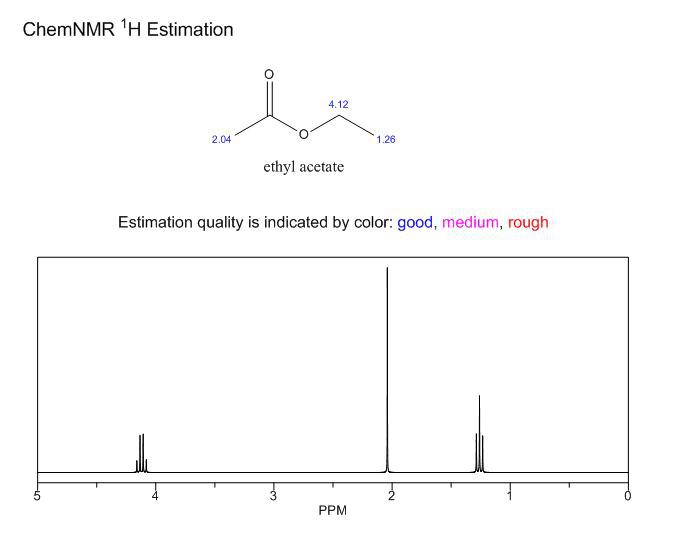

Ethyl Acetate Liquid (CH3 COOCH ₂ CH3), as an important organic compound, has shown extensive application value in various fields such as industry, food, medicine, and scientific research due to its excellent solubility, fast drying ability, and low toxicity.
It is one of the most widely used solvents in the chemical industry, with strong solubility, moderate volatility, and low toxicity, making it an ideal solvent for various resins and polymers.
Coatings and paints
It can dissolve film-forming substances such as acetate fiber, ethyl fiber, chlorinated rubber, ethylene resin, synthetic rubber, etc., adjust the viscosity and flowability of coatings, and make them easier to apply. As a fast drying solvent, it can shorten the drying time of coatings and improve production efficiency in wood paint, automotive paint, and industrial anti-corrosion coatings. For example, in nitrocellulose coatings, the addition of this substance can dry the coating within 10 minutes and fully cure within 2 hours.


Ink and Printing
As a solvent for ink, it can help ink maintain good fluidity and printing performance, ensuring clear imprints and strong adhesion. In printing processes such as offset printing, gravure printing, and flexographic printing, the volatility of ethyl acetate is moderate, which can avoid the problem of clogging caused by ink drying too quickly, while reducing VOC emissions and meeting environmental requirements.
Adhesives and sealants
It is an important solvent for chloroprene rubber, polyurethane, and acrylic adhesives, which can adjust the viscosity and curing speed of the adhesive, improve its bonding strength and water resistance. In the fields of construction, packaging, and automobile manufacturing, ethyl acetate based adhesives are widely used for bonding materials such as wood, metal, plastic, and glass.
Electronic materials
It can be used for cleaning electronic components, printed circuit boards (PCBs), and liquid crystal displays (LCDs). Its good cleaning ability can effectively remove grease, fingerprints, and particles without damaging precision components. In semiconductor manufacturing, as a solvent for photoresist, it can ensure the accuracy and resolution of pattern transfer.

Spices and Food Additives: Sublimation of Sensory Experience

Ethyl acetate has a strong fruity aroma and is a key component of natural and synthetic flavors, widely used in food, beverages, and daily chemical products.
edible flavor
It is the main raw material for pineapple, banana, strawberry and other fruit essence. Its aroma is fresh and natural, which can enhance the fruit flavor characteristics of food. In the production of alcohol, ethyl acetate is the aroma producing substance of whisky, brandy, Baijiu and other distilled liquors, giving the liquor a unique fruity and mellow feeling. For example, the content of ethyl acetate in Maotai liquor can reach 100-200mg/L, which is an important source of its typical aroma.
Food seasoning
It can be used to prepare cherry, peach, apricot and other fruit essence, and brandy and other wine essence to enhance the flavor level of food. Ethyl acetate is used as a flavoring agent in candies, chewing gum, and baked goods, which can simulate the aroma of natural fruits and enhance the attractiveness of the product.
fragrances
It is a common perfume ingredient in perfume, cosmetics and detergents. Its volatility is moderate, and it can provide a lasting fragrance effect. In perfume, ethyl acetate is often mixed with floral, woody and other scents to create an elegant and fresh fragrance atmosphere.

Medicine and Organic Synthesis: The Power of Life Sciences

The application in the pharmaceutical field mainly focuses on drug extraction and organic synthesis, and its low toxicity and good solubility make it an ideal reaction medium and extractant.
Drug extraction
Natural products such as alkaloids, flavonoids, and terpenes can be extracted from plants or microorganisms. In the modernization of traditional Chinese medicine, ethyl acetate is used as an extractant to efficiently separate and purify active ingredients, improving the purity and bioavailability of drugs. For example, when extracting tanshinone IIA from Danshen, the extraction efficiency of ethyl acetate can reach over 90%.
Organic synthesis
It is an important intermediate for the synthesis of esters, amides, and ethers, and can be used to prepare various derivatives through reactions such as alcoholysis, ammonolysis, and ester exchange. In drug synthesis, it can be used as a solvent or reactant to participate in the construction of active molecules such as antibiotics, vitamins, and hormones. For example, in the synthesis of cephalosporin antibiotics, it is used to protect the amino or carboxyl groups and prevent side reactions from occurring.
Pharmaceutical intermediates
It can be used to prepare pharmaceutical intermediates such as ethyl acetoacetate and ethyl cinnamate, which are key raw materials for synthesizing analgesics, anti-inflammatory drugs, and anti-tumor drugs. For example, ethyl acetoacetate is an important precursor for the synthesis of ibuprofen, and its purity directly affects the quality of the final drug.

Research and Laboratory Applications: Exploring Unknown Tools

As a solvent and reagent in chemical experiments, it is widely used in analysis, separation, and synthesis operations, and is an indispensable chemical in laboratories.
Solvent and extractant
Ethyl acetate liquid can dissolve various organic compounds, such as oils, resins, and dyes, and is commonly used as a developing agent in thin layer chromatography (TLC) and column chromatography. In elemental analysis, metal ions such as phosphorus, tungsten, arsenic, cobalt, etc. can be extracted from aqueous solutions to achieve enrichment and separation of target substances.
Reaction medium
As a non protonic solvent, it can provide a stable reaction environment and is suitable for organic synthesis reactions such as Grignard reaction and Friedel Crafts alkylation. In catalyst research, it is used to load metal nanoparticles and prepare efficient catalysts.
Reference material
It can be used as a standard substance for gas chromatography (GC) and liquid chromatography (HPLC) for instrument calibration and quantitative analysis. Its purity can reach over 99.9%, meeting the requirements of high-precision analysis.

Cleaning and Decontamination: Helper for Industrial Maintenance

It has good cleaning ability and can effectively remove stubborn stains such as oil, ink, and adhesives. It is widely used in industrial cleaning and home care.
industrial cleaning
It can be used to clean metal surfaces, electronic components, and precision instruments. Its fast volatility and low residue characteristics can avoid corrosion to equipment. In automobile manufacturing, it is used for cleaning engine components and pre-treatment before body painting to ensure coating adhesion.
home care
Ethyl acetate is the main component of nail polish remover, glue remover and oil stain cleaner. With strong solubility and mild smell, it can quickly remove nail polish, label glue and kitchen oil stains. For example, the content of ethyl acetate in a brand of nail polish remover can reach 70%, which can completely dissolve nail polish within 30 seconds.
There are many methods for the synthesis of ethyl acetate, for example, it can be prepared by the reaction of acetic acid or its derivatives with ethanol, and it can be synthesized by the reaction of sodium triacontanate with haloethane. The most commonly used method is the direct esterification of acetic acid and ethanol under acid catalysis. Concentrated sulfuric acid, hydrogen chloride, p-toluenesulfonic acid or strong acidic cation exchange resin are commonly used as catalysts. If Minglv has a value in acid, its dosage is 0.3% of alcohol. The reaction is:

Esterification is a reversible reaction, and the measures to improve the yield are: on the one hand, add excessive ethanol, on the other hand, continuously evaporate the product and water generated during the reaction process, and promote the balance to move towards the formation of copperlite. However, the boiling point of the azeotrope of ester and water or ethanol is close to that of ethanol. In order to evaporate the generated ester and water, the fork is used as little as possible to evaporate the ethanase. In this experiment, a longer fractionating column is used for fractionation.

Ethyl acetate is easy to hydrolyze, and it will gradually hydrolyze to acetic acid and ethanol in the presence of water at room temperature. The addition of trace acid or base can promote the hydrolysis reaction. The biggest difference between alkaline hydrolysis and acidic hydrolysis of ethyl acetate is that alkaline hydrolysis is irreversible, that is, the reversible process and irreversible process in the reaction mechanism. Acetic acid reacts reversibly with ethanol to produce Ethyl Acetate Liquid. Old wine tastes good because a small amount of acetic acid in the wine reacts with ethanol to produce ethyl acetate with fruit flavor.
Hot Tags: ethyl acetate liquid cas 141-78-6, suppliers, manufacturers, factory, wholesale, buy, price, bulk, for sale, N N Dimethylformamide pure, Triphenylsilyl Chloride CAS 76 86 8, Pyrophosphoric Acid Powder CAS 2466 09 3, Tallowamine, melamine powder, propylene oxide market