



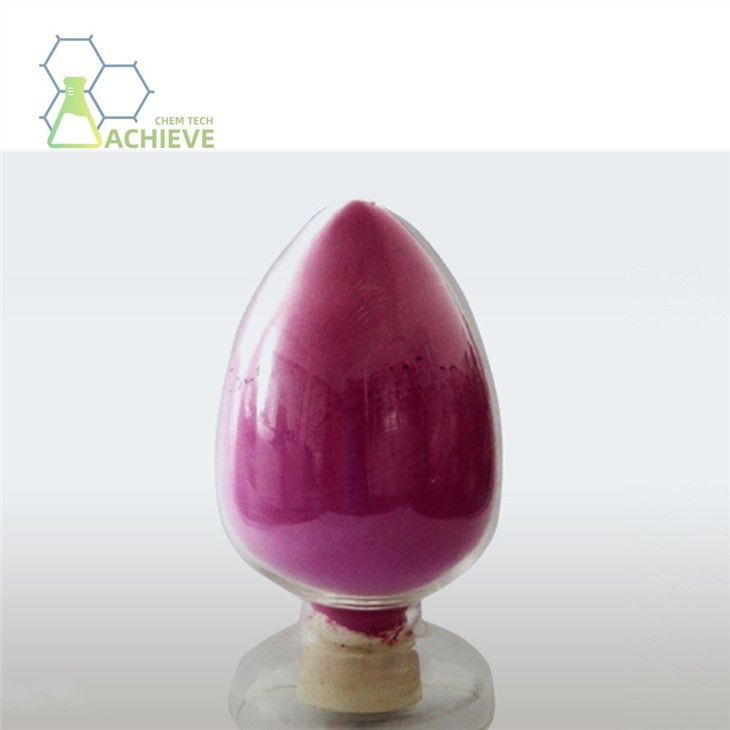
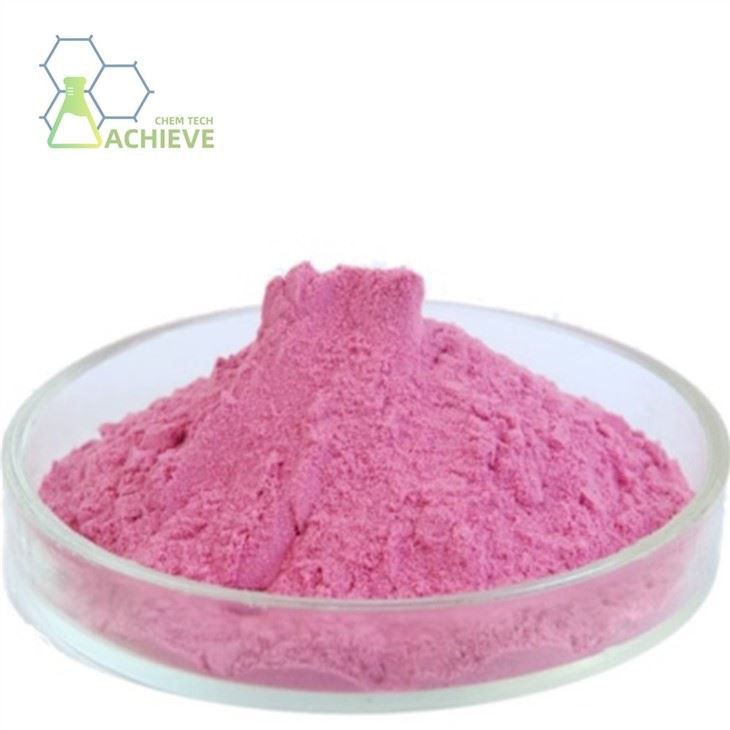
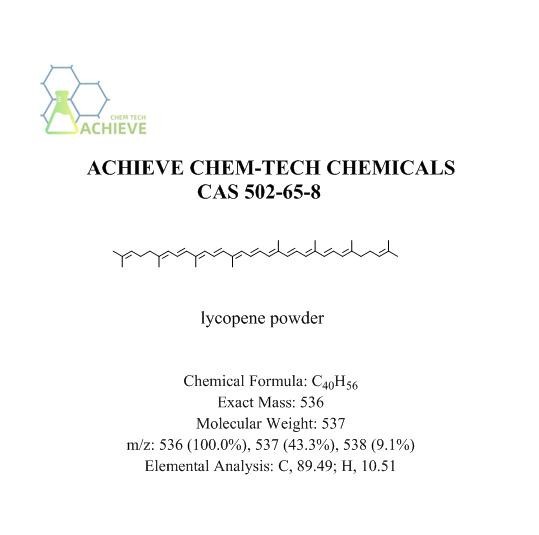
Lycopene powder is a kind of carotene and a kind of red pigment existing in plant foods. Dark red needle shaped crystal, soluble in chloroform, benzene and grease but insoluble in water. It is unstable to light and oxygen and turns brown when meeting iron. The molecular formula is C40H56. There are 11 conjugated double bonds and 2 non conjugated double bonds in the molecular structure, forming a straight chain hydrocarbon. It has no physiological activity of vitamin A, but has strong antioxidant function. The content of ripe red plant fruits is higher, especially in tomatoes, carrots, watermelons, papayas and guavas. It can be used as pigment in food processing, and also as raw material of antioxidant health food.

|
Chemical Formula |
40H56 |
|
Exact Mass |
536 |
|
Molecular Weight |
537 |
|
m/z |
536 (100.0%), 537 (43.3%), 538 (9.1%) |
|
Elemental Analysis |
C, 89.49; H, 10.51 |
|
|
|


According to Minte's "Global New Product Database" (GNPD), 418 new products containing lycopene were launched worldwide from 2003 to 2010. These products cover the fields of food, supplements and cosmetics, among which lycopene containing supplements are the most popular products.

1. Health products and sports supplements:
GNPD data shows that there are 177 new supplements containing lycopene in the world. The State Food and Drug Administration (CFDA) can find that there are 31 kinds of lycopene health products that have obtained the word "Guoshi Jianzi", including 2 imported health products, and the rest are domestic health products. These 31 kinds of health products are mainly used for anti-oxidation, anti-aging, enhancing immunity, regulating blood lipids, among which 2 are tablets, 1 is oil, and the rest are capsules.
2. Cosmetics:
GNPD data shows that there are 81 new skin care products containing lycopene and 51 cosmetics. Typical products, such as lycopene moisturizing lotion, have whitening and anti-aging effects. The domestic product has lycopene whitening essence applicator, which has antioxidant, anti allergic and whitening effects.

3. Food and beverage:
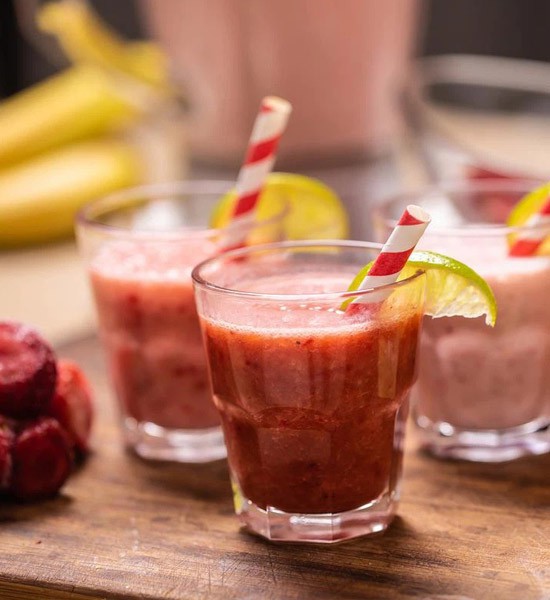
In the field of food and beverage, lycopene has obtained the approval of "novel food" in Europe and GRAS (generally considered safe) status in the United States, among which non-alcoholic beverages are the most popular. GNPD data shows that there are 20 new products: 7 in bread, breakfast cereals and other fields; 7 species in the field of processed meat, fish and eggs; 7 kinds of dairy products; 6 kinds of chocolate and candy; 5 kinds of sauces and condiments; 5 kinds of dessert and ice cream. Its application in dairy products not only keeps the nutrition of dairy products but also enriches their health functions.
4. Application in meat products:
The color, texture and flavor of meat products will change due to oxidation during processing and storage. At the same time, with the increase of storage time, the reproduction of microorganisms, especially botulinum toxin, will also cause meat to deteriorate. Therefore, chemical preservative nitrite is often used to inhibit microbial growth, prevent meat from deteriorating and improve meat flavor and color. However, research has found that nitrite will combine with protein decomposition products to form carcinogen nitrosamine under specific conditions, so adding nitrite to meat has been controversial.


Lycopene powder is the main component of red pigment in tomatoes and other fruits. It has strong antioxidant capacity and good physiological functions. It can be used as a preservative and colorant for meat products. In addition, the acidity of tomato products rich in lycopene will reduce the pH value of meat products and inhibit the growth of putrefactive microorganisms to a certain extent. Therefore, it can be used as a preservative for meat products to partially replace nitrite.
5. Application in edible oil:
Oxidation deterioration is a common adverse reaction of edible oil during storage, which not only leads to changes in the quality of edible oil or even loss of edible value, but more seriously, long-term intake of deteriorated edible oil will lead to various diseases.
In order to delay the deterioration of edible oil, some antioxidants are often added in the processing. However, with the improvement of people's awareness of food safety, the safety of various antioxidants has been constantly raised. Therefore, finding safe natural antioxidants has become a focus of food additives. Lycopene has superior physiological functions and strong antioxidant capacity. It can effectively quench singlet oxygen and eliminate free radicals, and inhibit lipid peroxidation. Therefore, its addition to edible oil can alleviate grease deterioration.


6. Other applications:
Lycopene, as a potential carotenoid compound, cannot be synthesized by itself in the human body and must be obtained through diet and other supplements. After discovering the physiological function of lycopene, Ly cored Natural Products Industries Ltd. of Israel took the lead in developing lycopene products. In addition, Henkel Company in the United States and Makhtshim Company in Japan have respectively produced drugs with lycopene as the main active ingredient. Its main functions include lowering blood pressure, treating hypercholesterolemia, hyperlipidemia, and reducing cancer cells. At present, there are few reports on the application of lycopene as food or drug raw materials in China.
Lycopene can be used as a nutritional supplement to maintain human health. Lycopene oleoresin made in Japan has been widely used in beverages, cold food, meat products and baked goods. Because of its special function, lycopene is also a functional factor for developing functional food in modern sense, such as making anti-oxidation health capsules, or making medicated food cans after compatibility with other medicinal plants.

The extraction and separation methods of lycopene mainly include organic solvent extraction, enzyme reaction, microbial fermentation, artificial synthesis, supercritical CO2 extraction, microwave, etc. The most traditional method is solvent extraction (i.e. extraction), but the traditional extraction method has many shortcomings, such as long extraction time, high labor intensity, high energy consumption of raw materials and treatment, and easy destruction of heat sensitive components. Chemically synthesized lycopene contains a variety of isomers and impurities, so it is prohibited to use in health care products, and its market share is sharply reduced; However, the natural extraction method is limited by raw materials, so the cost is difficult to further reduce and the production is obviously affected by the season. Therefore, the development of microbial fermentation method has shown obvious advantages in recent years.
Lycopene powder is widely distributed in nature. At this stage, people are gradually aware of the harm of synthetic pigments to the human body, so extracting lycopene from natural plants has become a more common method.
Organic solvent extraction:
Principle: Lycopene is an aliphatic hydrocarbon with 11 carbon unsaturated double bonds. It is insoluble in water, insoluble in methanol and ethanol, soluble in ether, petroleum ether, hexane and acetone, and soluble in chloroform, carbon disulfide, benzene and other organic solvents. According to this property, lycopene can be extracted from tomatoes by lipophilic organic solvent.
Technological process: tomato → mashing → drying → crushing → organic solvent extraction → extract → filtration → filtrate → concentration → crude product
Extraction pH, extraction temperature and extraction time are the main factors affecting the extraction effect. The organic solvent extraction method has few equipment, simple process and convenient operation, but there are other components in tomatoes, and the organic solvent will have trace residues. Only by solvent extraction, the purity of the product is generally not high, and the lycopene content is about 5% - 15%. In addition, lycopene crystals are not usually produced, but an oily substance, namely lycopene oleoresin.
Supercritical carbon dioxide extraction:
Principle: Under high pressure, the difference between liquid phase and gas phase shrinks. When a certain temperature and pressure are reached, the difference disappears and merges into one phase. This state becomes a critical point. At this time, the temperature and pressure are called critical temperature and critical pressure respectively. When the temperature and pressure exceed the critical point, the property of the fluid is between liquid and gas, which is called supercritical fluid.
Supercritical fluid has the characteristics of gas-liquid duality. It has not only high permeability and low viscosity comparable to that of gas, but also the density similar to that of liquid and excellent solubility of substances. It can extract useful components from raw materials to achieve the desired separation purpose, especially suitable for heat sensitive components such as lycopene.
Process flow: fresh red tomato raw materials → pulping → squeezing and filtering → vacuum drying → crushing → sieving → weighing → installing extraction tank and sealing → controlling appropriate working parameters → static and dynamic extraction → depressurization and separation → obtaining lycopene from separation column → product quality inspection

Enzyme reaction method:
Principle: The enzyme reaction method is mainly to extract lycopene by using the enzyme contained in tomato peel. The method is to make pectinase and cellulase in tomato peel react under alkaline conditions, decompose pectin and cellulose, and make the protein complex of lycopene dissolve from cells.
Technological process: wash fresh tomatoes (rough weight) → blanch and peel at 100 ℃ (5~7s) → beating → heat and inactivate enzyme activity (85 ℃, 20min) → cool to 55 ℃, adjust the pH value to about 4.5 (with phosphoric acid and sodium hydroxide) → add mixed enzyme of pectinase and cellulase (0.5g/100g tomato, the ratio of the two enzymes is 1 ∶ 2) and treat for 2h → roughly filter and remove the core → add petroleum ether containing 2% dichloromethane for extraction, Material ratio is about 1:3 → separation tower → finished product
Compared with the traditional organic solvent extraction method, this method can shorten the extraction time and significantly improve the extraction rate.
Two step saponification:
Principle: firstly, use KOH solution to conduct the first alkali washing saponification of the pretreated tomato, remove most of the fatty acid glycerides and various free fatty acids in the tomato, then extract the crude lycopene extract with organic solvent, and then conduct the second saponification of the crude extract, so as to separate the protein, fatty acid and fatty acid glycerides in the tomato cell fragments, form water-soluble saponification, and release the water insoluble lycopene contained therein, Finally, lycopene powder with high purity were obtained by recrystallization.
Process flow: fresh tomatoes → washing → freezing dehydration → pretreatment with organic solvent → adding alkali to saponify in water bath → washing to neutral → extracting with mixed solvent → obtaining the extraction solution rich in lycopene → vacuum distillation and concentration → lycopene oleoresin → mixing lycopene oleoresin with glycerol evenly → adding KOH ethanol solution, adding distilled water after full reaction → standing for layering, Wash the oil phase with water to neutral → wash it with ethanol for 2-3 times → dissolve the treated oil resin in acetone at 50 ℃ to remove insoluble matters, and place it at room temperature for 8h to obtain lycopene.
In the process of saponification, the ratio of saponification significantly affected the yield, and the temperature and time of saponification also affected, but the degree of influence gradually decreased.
Microwave method:
Principle: During extraction, the microwave penetrates the extraction medium and penetrates into the material cells, causing the polar molecules inside the material to collide and rub violently with the changes of the external electromagnetic field, causing the temperature inside the material to rise rapidly, causing the cell to break, allowing the effective components in the cells to flow out freely and be dissolved by the solvent.
Process flow: fresh tomato cleaning → pulping → adding organic solvent for microwave heating extraction → filtering → vacuum evaporation of organic solvent → finished product
Microbial fermentation:
In addition to extracting lycopene from tomatoes, it can also be fermented by algae, fungi and yeast to prepare lycopene. Isopentene pyrophosphate (IPP), as the first direct precursor in lycopene synthesis, is converted from glucose.
The red bacteria with higher lycopene content have not been industrialized yet. Lycopene can be produced by fermentation of mold, but because lycopene can form many kinds of carotene by cyclizing enzyme, cyclization reaction should be avoided.
Genetic engineering and biotechnology have been used to partially control the transformation direction of precursors in lycopene synthesis, such as making FPP competitive from ergosterol to lycopene. At present, the technology of microbial fermentation for lycopene production has not reached the scale of industrial production, but the cost and pollution of fermentation method are relatively low. If the storage capacity and transformation capacity of bacteria can be further improved, it is an economic and effective way to achieve industrial production of lycopene powder.
Frequently Asked Questions
What is lycopene good for?
+
-
Lycopene prevents the oxidative damage of DNA, lipids, and proteins. It modulates immune function, and induces apoptotic cell death. It is also suggested to inhibit ROS production and decrease the phosphorylation of extracellular signal-regulated kinase (ERK), which results in the inhibition of cancer cell growth.
What is the benefit of lycopene to males?
+
-
In addition, lycopene was shown to boost levels of procollagen in the skin significantly, which scientists believe has the potential to reverse skin damage caused by aging. A recent study found that consuming 14 milligrams a day of lycopene can improve fertility in healthy young men by about 40 percent.
What food is highest in lycopene?
+
-
Tomato products
While lycopene is found in small amounts in a few fruits, tomato products are the richest sources.
Hot Tags: lycopene powder cas 502-65-8, suppliers, manufacturers, factory, wholesale, buy, price, bulk, for sale, ebs powder, Tallowamine, Raw Materials, tris base powder, 37 formaldehyde, Potassium Formate Powder