

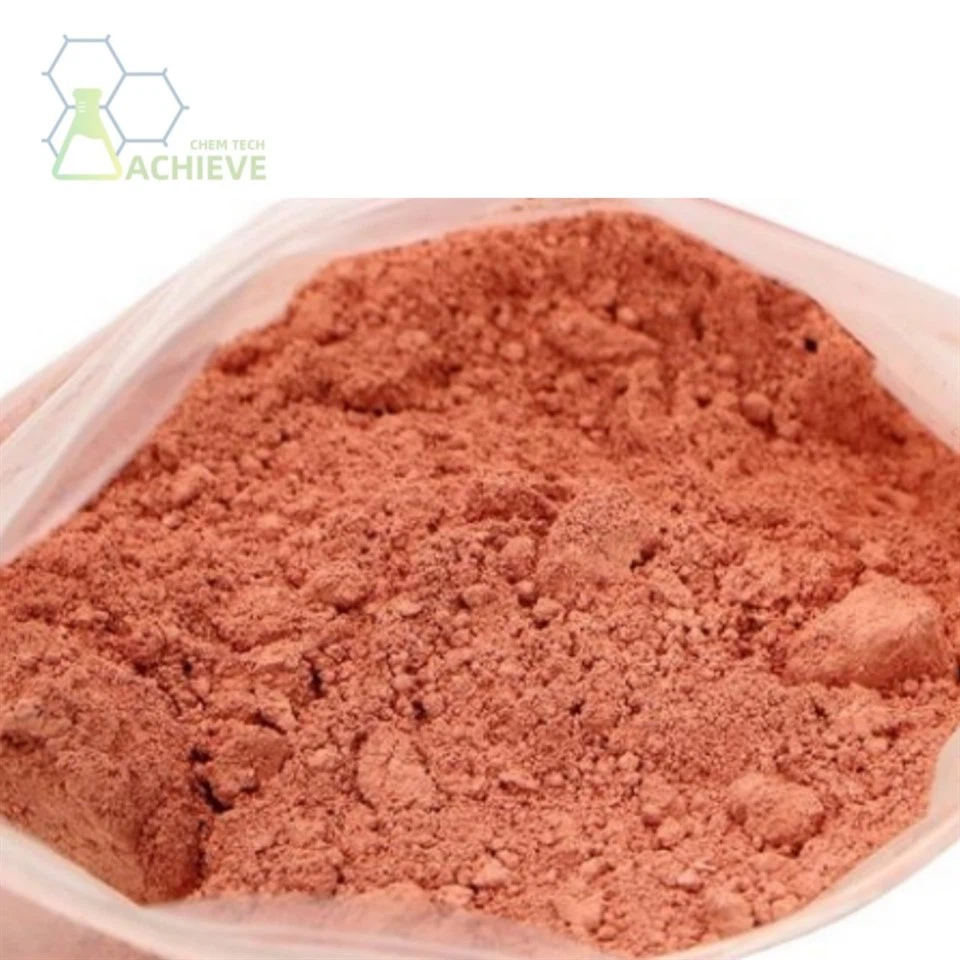
3-Dimethylaminophenol, a chemical compound with a unique molecular structure, has piqued the interest of many in the cosmetic industry. As a supplier of 3-Dimethylaminophenol, I've witnessed the growing curiosity and discussions around its potential applications in cosmetics. In this blog, we'll explore whether 3-Dimethylaminophenol can indeed find a place in the cosmetic industry, delving into its properties, potential benefits, and regulatory considerations.

3-Dimethylaminophenol
Product Code: BM-2-5-035
English Name: 3-dimethylaminophen
CAS No.: 99-07-0
Molecular formula: C8H11NO
Molecular weight: 137.18
EINECS No.: 202-727-0
MDL No.:MFCD00002264
HS Code: 29222900
Enterprise standard: HPLC>99.0%, GC-MS
Main market: USA, Australia, Brazil, Japan, Germany, Indonesia, UK, New Zealand , Canada etc.
Shipping: Shipping as another no sensitive chemical compound name.
We provide 3-Dimethylaminophenol, please refer to the following website for detailed specifications and product information.
Understanding 3-Dimethylaminophenol
3-Dimethylaminophenol is an organic compound with a specific chemical formula and structure. It is known for its certain chemical reactivity and physical properties. Chemically, it contains functional groups that may interact with other substances in various ways. This compound has been studied in different fields, including some aspects of chemistry research.
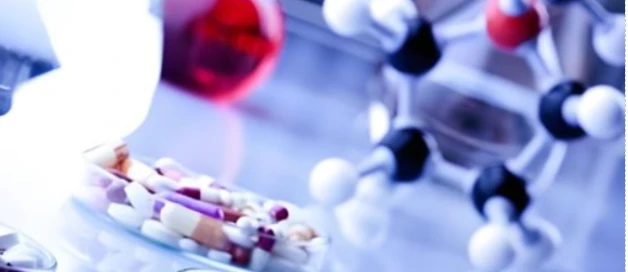
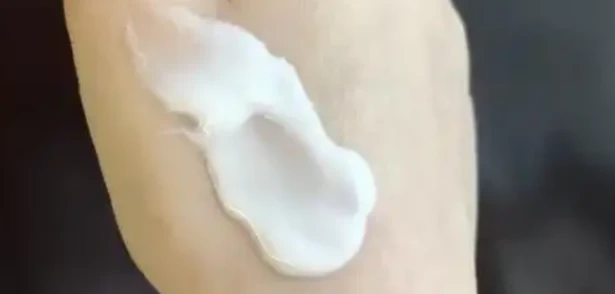
One of the key aspects to consider is its solubility and stability. 3-Dimethylaminophenol has specific solubility characteristics in different solvents, which can influence its use in cosmetic formulations. For example, its solubility in water or organic solvents can determine how easily it can be incorporated into different types of cosmetic products such as creams, lotions, or serums.
Potential Benefits in Cosmetics
Antioxidant Properties
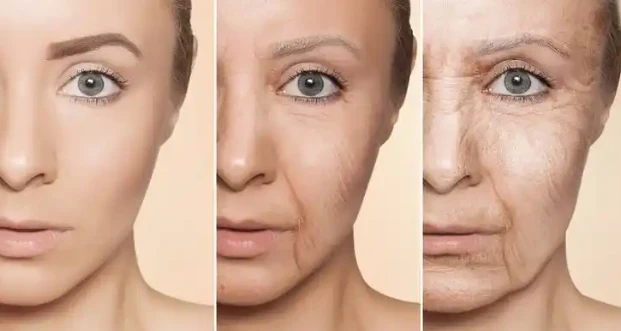
Antioxidants play a crucial role in cosmetics as they help protect the skin from damage caused by free radicals. Free radicals are unstable molecules that can damage cells and lead to premature aging, wrinkles, and other skin problems. Some studies suggest that 3-Dimethylaminophenol may possess antioxidant properties. It could potentially neutralize free radicals in the skin, thereby reducing oxidative stress and helping to maintain the skin's health and youthful appearance.
Skin Tone Regulation
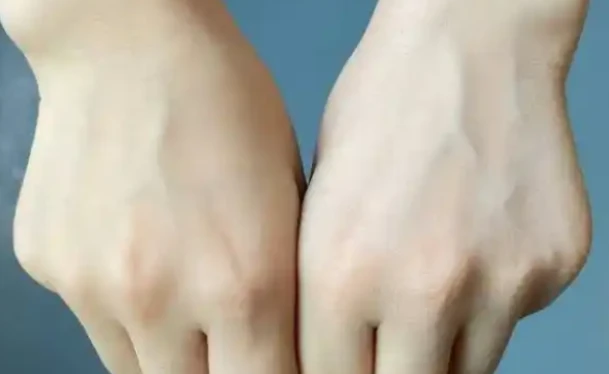
There is also speculation that 3-Dimethylaminophenol might have an impact on skin tone. It could potentially influence the production of melanin, the pigment responsible for skin color. By regulating melanin synthesis, it might help in achieving a more even skin tone, reducing the appearance of dark spots and hyperpigmentation. This could be a significant advantage in the cosmetic industry, where products for skin lightening and tone correction are in high demand.
Anti - Inflammatory Effects
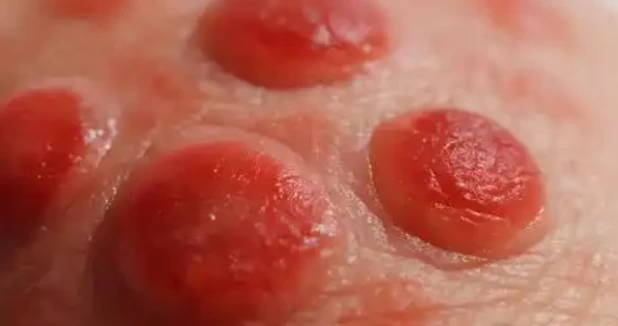
Inflammation is a common skin problem that can lead to redness, irritation, and other skin conditions. Some research indicates that 3-Dimethylaminophenol may have anti - inflammatory properties. It could potentially reduce inflammation in the skin, making it suitable for use in products designed for sensitive skin or for treating skin conditions associated with inflammation.
Regulatory Considerations
The use of any chemical in the cosmetic industry is subject to strict regulations. Regulatory bodies around the world, such as the European Union's Cosmetic Regulation and the US Food and Drug Administration (FDA), have specific guidelines regarding the safety and use of chemicals in cosmetics.
Before 3-Dimethylaminophenol can be used in cosmetics, it must undergo thorough safety assessments. These assessments typically include studies on its toxicity, skin irritation potential, and long - term effects.
If the compound is found to pose any risks to human health, it may not be approved for use in cosmetics.
In addition, regulatory requirements also cover aspects such as labeling and documentation. Cosmetic products containing 3-Dimethylaminophenol would need to be clearly labeled with the ingredient's name and any relevant safety information.
Comparison with Other Cosmetic Ingredients

To better understand the potential of 3-Dimethylaminophenol in the cosmetic industry, it's useful to compare it with other commonly used ingredients.
For example, when compared to well - known antioxidants like vitamin C and vitamin E, 3-Dimethylaminophenol may offer different mechanisms of action. While vitamin C and E are widely used and well - studied, 3-Dimethylaminophenol's unique chemical structure may provide additional benefits or work in synergy with other ingredients.
Another comparison can be made with skin - lightening agents such as hydroquinone. Hydroquinone has been used for a long time in skin - lightening products, but it also has some associated risks, such as potential skin irritation and long - term side effects. 3-Dimethylaminophenol, if proven to be effective in skin tone regulation, could potentially offer a safer alternative.
Applications in Cosmetic Products
If 3-Dimethylaminophenol is approved for use in cosmetics, it could be incorporated into a variety of products.
In moisturizers, it could act as an antioxidant, helping to keep the skin hydrated and protected from environmental damage. In serums, its potential skin - tone regulating properties could be emphasized, targeting customers looking for products to improve the appearance of their skin.
It could also be used in products for sensitive skin, thanks to its potential anti - inflammatory effects. For example, a calming lotion or a soothing cream could benefit from the addition of 3-Dimethylaminophenol.
Other Related Chemicals in the Market
In the synthetic chemical market, there are several other compounds that are relevant to the cosmetic industry. For instance, Peroxidase CAS 9003 - 99 - 0 is a well - known enzyme that has applications in various biochemical processes. It can be used in some cosmetic formulations for its catalytic properties.
Pure Creatine Monohydrate Powder CAS 6020 - 87 - 7 is another chemical that has been explored for its potential benefits in cosmetics. It may contribute to skin firmness and elasticity.
Ropivacaine Hydrochloride CAS 132112 - 35 - 7 is a local anesthetic that may have some niche applications in certain cosmetic procedures.


Conclusion
The question of whether 3-Dimethylaminophenol can be used in the cosmetic industry is still open. While it shows potential in terms of antioxidant, skin - tone regulating, and anti - inflammatory properties, it must first pass the strict regulatory requirements.
If approved, it could offer a new option for cosmetic formulators, providing unique benefits to consumers. As a supplier of 3-Dimethylaminophenol, I am committed to working with the industry to ensure that all safety and regulatory standards are met.
If you are interested in learning more about 3-Dimethylaminophenol or exploring its potential for your cosmetic products, I encourage you to reach out for further discussion and potential procurement. We can work together to determine if this compound is the right fit for your cosmetic formulations.
References
[List of relevant scientific papers on 3 - Dimethylaminophenol and its properties]
[Regulatory documents from EU Cosmetic Regulation and US FDA regarding cosmetic ingredients]
[Research on antioxidants, skin - tone regulation, and anti - inflammatory agents in cosmetics]