

Isoflurane is a well - known volatile anesthetic agent that has been widely used in the field of medicine for many years. As a supplier of isoflurane powder, I have witnessed its various applications and effects in different medical scenarios. One particular area of interest is its impact on intraocular pressure (IOP). In this blog, we will explore the effects of isoflurane powder on intraocular pressure in detail.
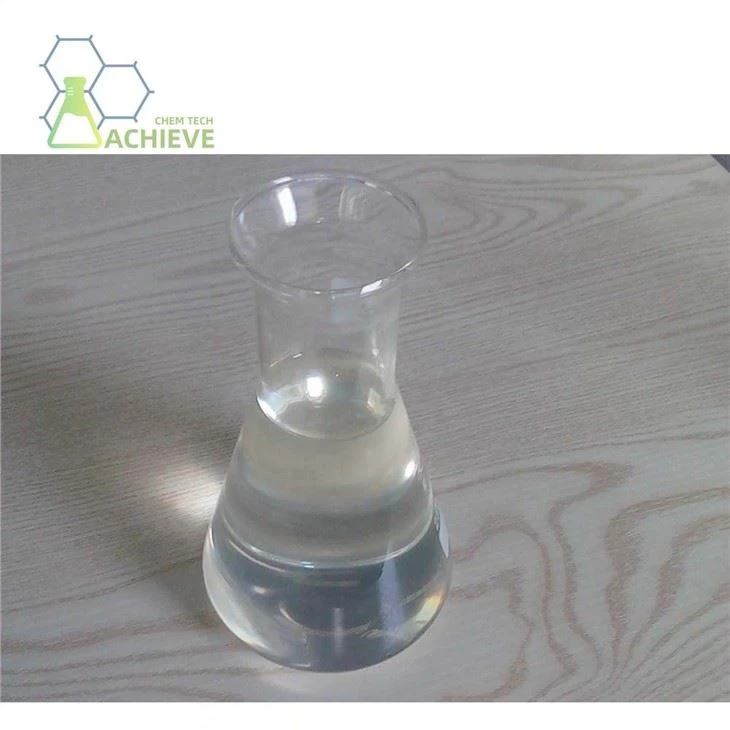
Isoflurane Solution
Product Code: BM-2-5-031
English name: Isoflurane
CAS number: 26675-46-7
Molecular formula: C3H2ClF5O
Molecular weight: 184.49
EINECS No.: 247–897–7
Analysis items: HPLC>98.0%, GC-MS
Technology service: R&D Dept.-4
HS code: 2909191800
Manufacturer: BLOOM TECH Wuxi Factory
Analysis: HPLC, LC-MS, HNMR
Main market: USA, Australia, Brazil, Japan, Germany, Indonesia, UK, New Zealand , Canada etc.
We provide isoflurane, please refer to the following website for detailed specifications and product information.
Understanding Intraocular Pressure
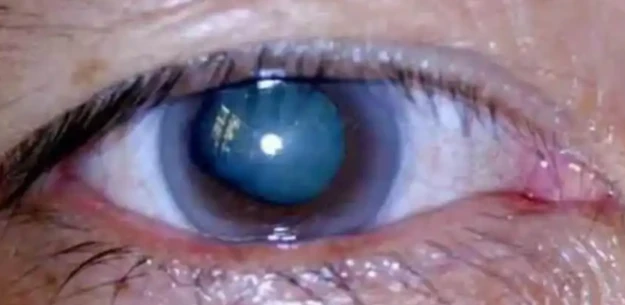
Intraocular pressure is the fluid pressure inside the eye. It is maintained by a balance between the production and drainage of aqueous humor, a clear fluid that fills the front part of the eye. Normal IOP ranges from 10 to 21 mmHg. Abnormal IOP can lead to various eye problems, such as glaucoma, which is a leading cause of blindness worldwide. Therefore, understanding the factors that can affect IOP is crucial for maintaining eye health.

Isoflurane and Its Mechanism of Action
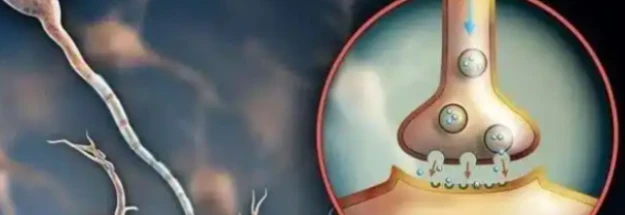
Isoflurane is an inhaled anesthetic that acts on the central nervous system to produce anesthesia. It works by enhancing the activity of inhibitory neurotransmitters, such as gamma - aminobutyric acid (GABA), and reducing the activity of excitatory neurotransmitters. This results in a state of unconsciousness, muscle relaxation, and analgesia.
Effects of Isoflurane on Intraocular Pressure
Decrease in Intraocular Pressure
Numerous studies have shown that isoflurane can cause a significant decrease in intraocular pressure. When a patient inhales isoflurane, it causes vasodilation in the eye, which increases the outflow of aqueous humor. At the same time, it may also reduce the production of aqueous humor. The combined effect of these two mechanisms leads to a reduction in IOP.
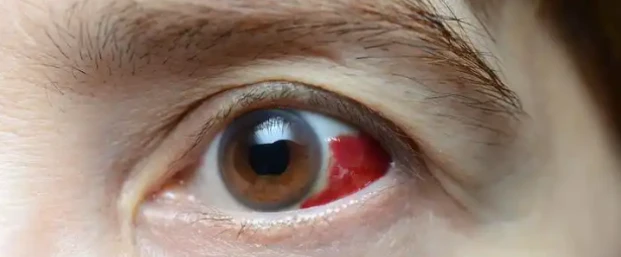
For example, in a clinical study involving patients undergoing ophthalmic surgeries, it was found that after the administration of isoflurane, the IOP decreased by an average of 20 - 30%. This decrease in IOP is beneficial for ophthalmic surgeries as it provides a more stable surgical environment and reduces the risk of complications.
Dose - Dependent Effect
The effect of isoflurane on IOP is dose - dependent. Higher concentrations of isoflurane tend to cause a greater decrease in IOP. However, it is important to note that the use of high - dose isoflurane may also be associated with certain side effects, such as cardiovascular depression and respiratory depression. Therefore, the dosage of isoflurane needs to be carefully adjusted according to the patient's condition.
Comparison with Other Anesthetic Agents
Compared with other anesthetic agents, isoflurane has a relatively more predictable and consistent effect on IOP. For instance, some anesthetic agents may cause an increase in IOP, while isoflurane generally leads to a decrease. This makes isoflurane a preferred choice for ophthalmic surgeries where maintaining a low IOP is crucial.
Clinical Significance
The ability of isoflurane to reduce IOP has significant clinical implications. In ophthalmic surgeries, a lower IOP can reduce the risk of intraoperative bleeding, improve the visualization of the surgical field, and enhance the overall surgical outcome. Additionally, for patients with glaucoma or other eye conditions associated with high IOP, isoflurane can be used as a short - term measure to lower IOP during the peri - operative period.
Potential Side Effects and Precautions
Although isoflurane is generally considered a safe anesthetic agent, it is not without side effects. In addition to the aforementioned cardiovascular and respiratory depression, isoflurane may also cause nausea, vomiting, and shivering in some patients. Moreover, long - term exposure to isoflurane may have potential neurotoxic effects, although this is still a subject of ongoing research.
When using isoflurane, it is essential to closely monitor the patient's vital signs, including blood pressure, heart rate, and respiratory rate. Adequate ventilation and oxygenation should be ensured to minimize the risk of complications.
Related Chemicals in Medical Research
In the field of medical research, there are many other chemicals that are also related to eye health and anesthesia. For example, GLP - 1 (7 - 37) is a peptide that has shown potential in the treatment of diabetes - related eye complications. Another chemical, Benzhexol Hydrochloride CAS 52 - 49 - 3, is used in the treatment of Parkinson's disease, and it may also have some effects on the eye due to its anticholinergic properties. Colchicine Powder CAS 64 - 86 - 8 is mainly used in the treatment of gout, but it may also have some impact on the eye's inflammatory response.

Conclusion
In conclusion, isoflurane powder has a significant effect on intraocular pressure, mainly causing a decrease in IOP. This property makes it a valuable tool in ophthalmic surgeries and the management of eye conditions associated with high IOP. However, like any other anesthetic agent, it should be used with caution, taking into account the patient's overall condition and potential side effects.
As a supplier of isoflurane powder, we are committed to providing high - quality products to meet the needs of the medical community. If you are interested in purchasing isoflurane powder for research or clinical use, please feel free to contact us for further discussion. We look forward to working with you to contribute to the advancement of medical science.
References
Eger EI II. Isoflurane: a review. Anesthesiology. 1985;62(5):567 - 581.
Morgan GE, Mikhail MS, Murray MJ. Clinical Anesthesiology. 5th ed. New York: McGraw - Hill; 2013.
Krupin T, Fechtner RD. Intraocular pressure changes during general anesthesia. Surv Ophthalmol. 1981;26(1):1 - 22.