

As a supplier of 3-Dimethylaminophenol, I've always been intrigued by the various aspects related to this chemical, especially its biodegradation. In this blog, we'll explore the microorganisms that can biodegrade 3-Dimethylaminophenol, shedding light on the potential environmental solutions and the role these microorganisms play.
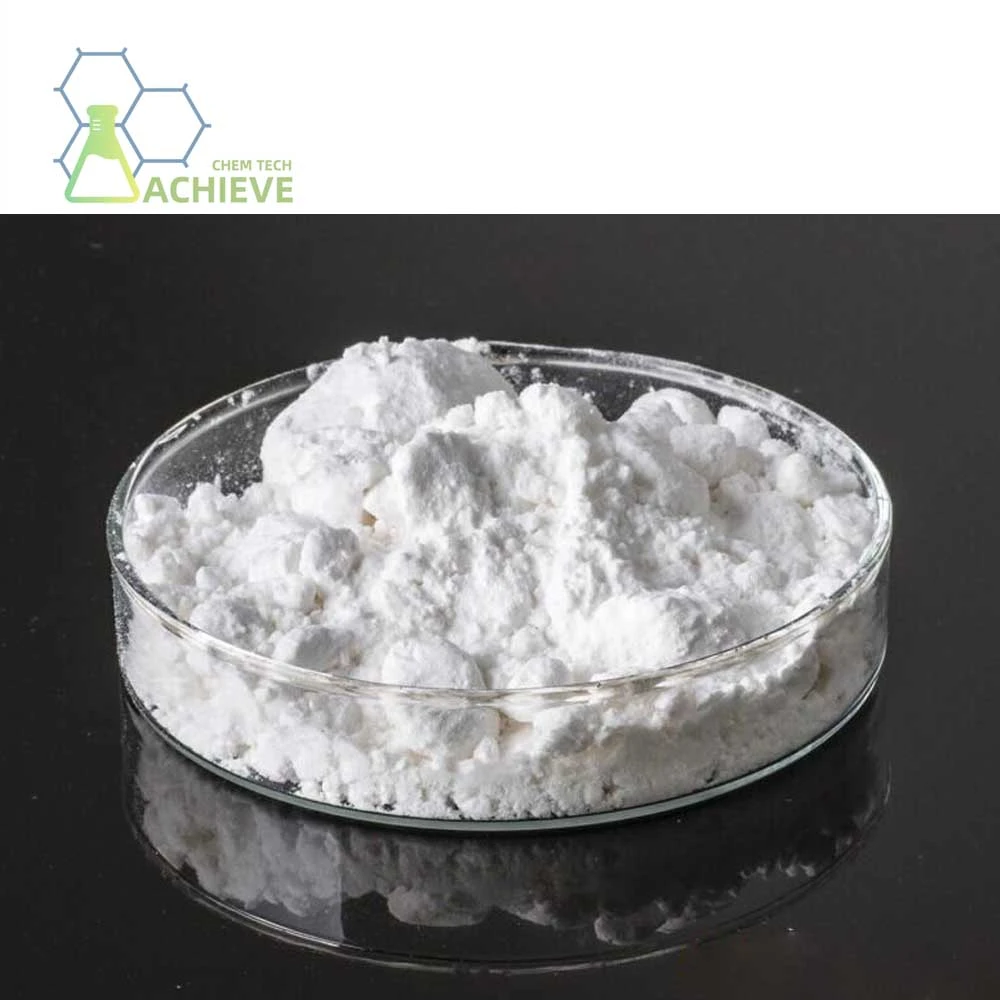
3-Dimethylaminophenol
Product Code: BM-2-5-035
English Name: 3-dimethylaminophen
CAS No.: 99-07-0
Molecular formula: C8H11NO
Molecular weight: 137.18
EINECS No.: 202-727-0
MDL No.:MFCD00002264
HS Code: 29222900
Enterprise standard: HPLC>99.0%, GC-MS
Main market: USA, Australia, Brazil, Japan, Germany, Indonesia, UK, New Zealand , Canada etc.
Manufacturer: BLOOM TECH Xi'an Factory
Technology service: R&D Dept.-4
Usage: Pharmacokinetic study
Shipping: Shipping as another no sensitive chemical compound name.
We provide 3-Dimethylaminophenol, please refer to the following website for detailed specifications and product information.
Understanding 3-Dimethylaminophenol
3-Dimethylaminophenol is a chemical compound with significant industrial applications. It is used in the synthesis of various dyes, pharmaceuticals, and other organic compounds. However, like many industrial chemicals, its presence in the environment can pose risks. When released into soil or water bodies, it can have adverse effects on the ecosystem, including toxicity to aquatic organisms and potential long-term environmental impacts.
Microorganisms Involved in Biodegradation
Bacteria
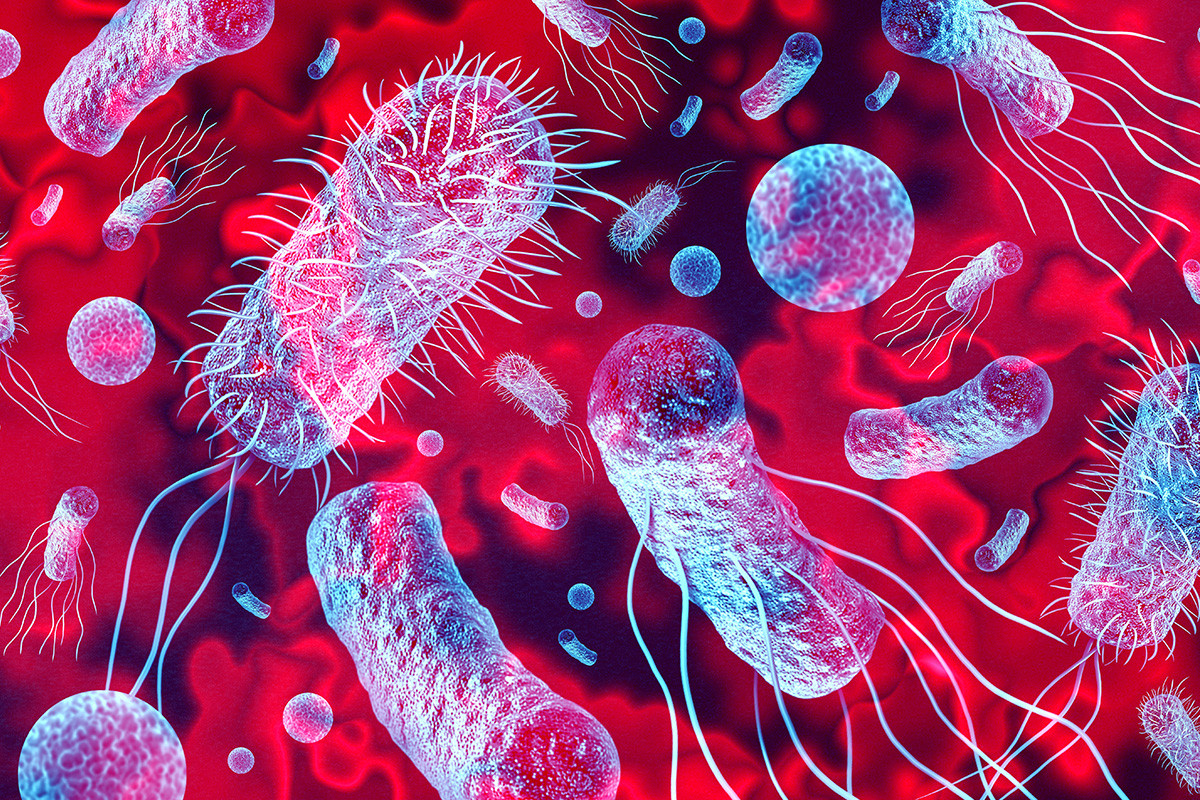
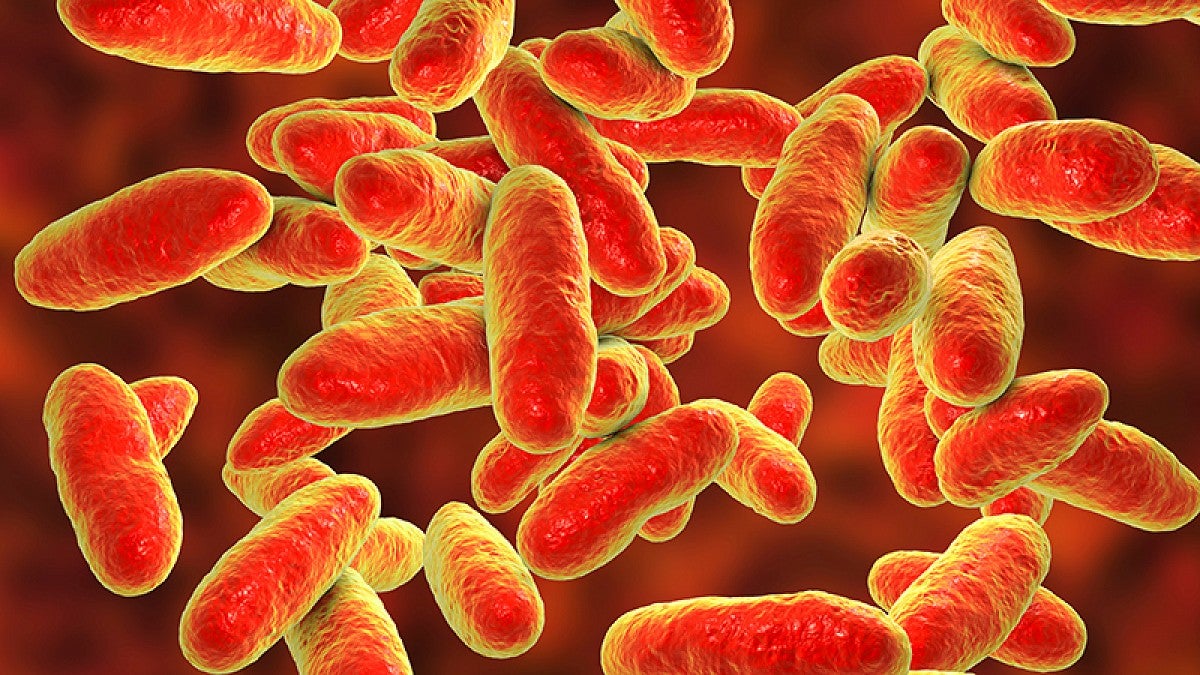
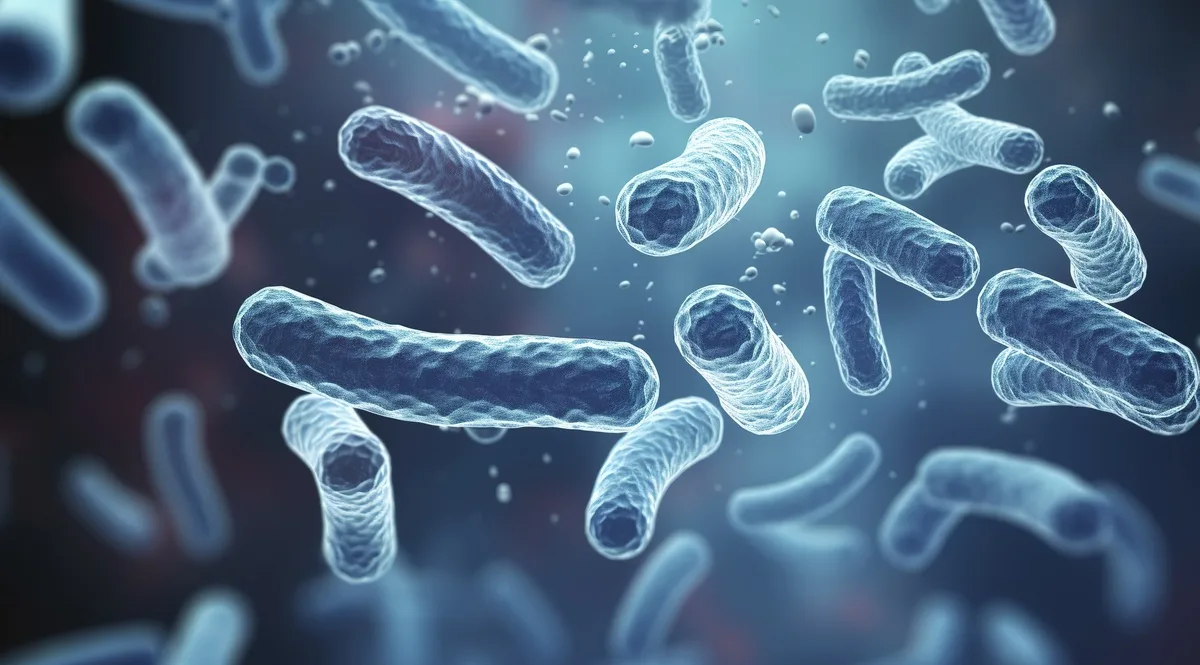
Pseudomonas is a well-known genus of bacteria that has shown the ability to degrade a wide range of organic compounds. Some strains of Pseudomonas have been found to be capable of degrading 3-Dimethylaminophenol. These bacteria possess enzymes that can break down the complex structure of 3-Dimethylaminophenol into simpler, less toxic substances. For example, they may use oxygenases to initiate the degradation process by adding oxygen atoms to the aromatic ring of 3-Dimethylaminophenol, which is the first step in the breakdown of the compound.
Alcaligenes spp.
Alcaligenes bacteria are also known for their biodegradation capabilities. They can adapt to different environmental conditions and utilize various organic compounds as a source of carbon and energy. In the case of 3-Dimethylaminophenol, Alcaligenes spp. can break down the chemical through a series of enzymatic reactions. The bacteria can transform 3-Dimethylaminophenol into intermediates that can be further metabolized, eventually leading to the complete degradation of the compound.
Fungi
White-rot fungi
White-rot fungi, such as Phanerochaete chrysosporium, are well-known for their ability to degrade complex organic compounds, including lignin.
They secrete extracellular enzymes, such as lignin peroxidases and manganese peroxidases, which can break down the aromatic rings of 3-Dimethylaminophenol. These enzymes are non-specific, allowing them to attack a wide range of pollutants.
The white-rot fungi can degrade 3-Dimethylaminophenol by oxidizing the compound, making it more susceptible to further degradation by other microorganisms or chemical processes.
Aspergillus spp.
Aspergillus is a genus of fungi that can also play a role in the biodegradation of 3-Dimethylaminophenol. Some species of Aspergillus can produce enzymes that can break down the chemical.
These fungi can grow in various environments and can utilize 3-Dimethylaminophenol as a nutrient source. They can convert the compound into simpler substances through a series of metabolic pathways.
Factors Affecting Biodegradation
-
Environmental Conditions
The environmental conditions play a crucial role in the biodegradation of 3-Dimethylaminophenol. Temperature, pH, and the availability of oxygen are important factors. For example, most bacteria and fungi have an optimal temperature range for growth and enzyme activity. If the temperature is too low or too high, the biodegradation process may slow down or stop. Similarly, the pH of the environment can affect the activity of the enzymes involved in biodegradation. Some microorganisms prefer a slightly acidic environment, while others thrive in a more alkaline condition.

Concentration of 3-Dimethylaminophenol
The concentration of 3-Dimethylaminophenol in the environment can also affect its biodegradation. High concentrations of the chemical can be toxic to microorganisms, inhibiting their growth and enzyme activity. In contrast, lower concentrations may be more easily degraded as the microorganisms can adapt to the chemical and utilize it as a nutrient source.
Availability of Nutrients
Microorganisms need a source of carbon, nitrogen, phosphorus, and other nutrients to grow and carry out biodegradation. If these nutrients are limited in the environment, the biodegradation of 3-Dimethylaminophenol may be affected. For example, the addition of nitrogen-rich compounds can enhance the growth of microorganisms and improve the biodegradation efficiency.
Applications in Environmental Remediation
The ability of microorganisms to biodegrade 3-Dimethylaminophenol has significant applications in environmental remediation. Bioremediation is a cost-effective and environmentally friendly approach to clean up contaminated sites. By introducing the appropriate microorganisms into the contaminated soil or water, the 3-Dimethylaminophenol can be degraded into harmless substances. This method can be used in industrial areas where 3-Dimethylaminophenol has been released, as well as in areas where the chemical has been detected in groundwater or surface water.
Related Chemicals and Their Biodegradation
In addition to 3-Dimethylaminophenol, there are other chemicals in the market that also have implications for environmental safety. For example, Gabapentin Powder is a pharmaceutical compound. Understanding its biodegradation process is also important for environmental protection. Similarly, Dexmedetomidine Hydrochloride CAS 145108-58-3 and Metronidazole Powder are chemicals used in the medical field, and their biodegradation characteristics can help in assessing their environmental impact.
Conclusion and Call to Action
As a supplier of 3-Dimethylaminophenol, I am committed to promoting the safe use and environmental management of this chemical. The biodegradation of 3-Dimethylaminophenol by microorganisms offers a promising solution for reducing its environmental impact. If you are interested in purchasing 3-Dimethylaminophenol or have any questions about its environmental aspects, please feel free to contact us for further discussion and potential procurement. We are always ready to provide you with high-quality products and professional advice.
References
- Atlas, R. M., & Bartha, R. (1998). Microbial Ecology: Fundamentals and Applications. Benjamin Cummings.
- Alexander, M. (1999). Biodegradation and Bioremediation. Academic Press.
- Singh, A., & Ward, O. P. (2004). Novel bacterial degradation pathways for xenobiotic compounds. Biotechnology Advances, 22(5), 439-458.