

Can synthetic chemicals be recycled? This is a question that has been on the minds of many in the chemical industry, including myself as a synthetic chemical supplier. In this blog post, I will explore the possibility of recycling synthetic chemicals, the challenges involved, and the potential benefits.
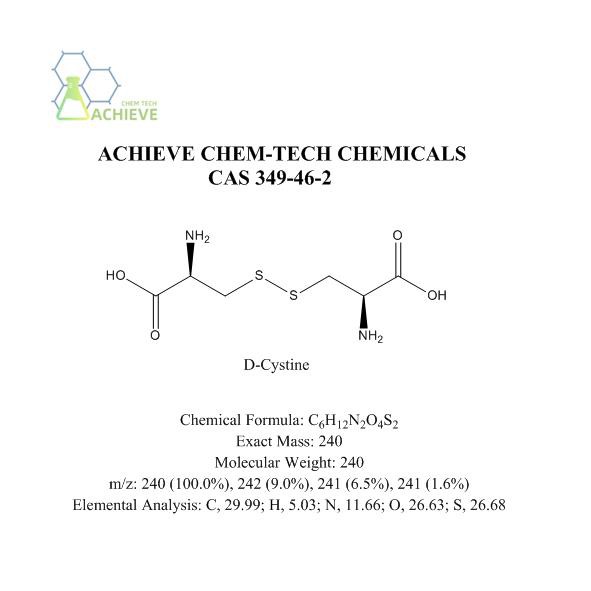
Synthetic chemicals are substances created through chemical synthesis, often used in a wide range of industries such as pharmaceuticals, plastics, and cosmetics. Examples of synthetic chemicals include Homosalate Solution CAS 118-56-9, D-Cystine CAS 349-46-2, and Pure Melamine CAS 108-78-1. These chemicals play a crucial role in modern society, but their production and disposal can have significant environmental impacts.
The Case for Recycling Synthetic Chemicals
Recycling synthetic chemicals offers several potential benefits. Firstly, it can reduce the demand for raw materials. Many synthetic chemicals are derived from non-renewable resources such as fossil fuels. By recycling these chemicals, we can conserve these precious resources and reduce our dependence on them.
Secondly, recycling can help to minimize waste and pollution. The production and disposal of synthetic chemicals often generate large amounts of waste, which can contaminate soil, water, and air. Recycling can prevent these chemicals from ending up in landfills or being released into the environment, thereby reducing the risk of pollution.
Thirdly, recycling synthetic chemicals can be economically beneficial. It can lower the cost of production for manufacturers by providing a cheaper alternative to virgin materials. Additionally, the recycling industry can create jobs and stimulate economic growth.
Challenges in Recycling Synthetic Chemicals
Despite the potential benefits, recycling synthetic chemicals is not without its challenges. One of the main difficulties is the complexity of chemical structures. Synthetic chemicals often have complex molecular structures, which can make them difficult to break down and recycle. Different chemicals may require different recycling processes, and developing these processes can be time-consuming and expensive.
Another challenge is the presence of impurities. Synthetic chemicals may be contaminated with other substances during their use, which can interfere with the recycling process. Removing these impurities can be a complex and costly task.
Furthermore, there is a lack of awareness and infrastructure for chemical recycling. Many industries are still unfamiliar with the concept of chemical recycling, and there are limited facilities available for collecting, sorting, and processing synthetic chemicals. This lack of infrastructure makes it difficult to implement large-scale recycling programs.
Current Recycling Methods for Synthetic Chemicals
Despite the challenges, there are several methods currently being used to recycle synthetic chemicals. One common method is distillation, which involves heating the chemical mixture to separate the different components based on their boiling points. This method is often used for recycling solvents and other volatile chemicals.
Another method is chemical reprocessing, where the chemical is converted back into its original form or a useful intermediate through a series of chemical reactions. For example, some plastics can be depolymerized into their monomer units, which can then be used to produce new plastics.
Biological recycling is also an emerging area of research. Some microorganisms have the ability to break down certain synthetic chemicals, and scientists are exploring ways to harness these organisms for recycling purposes.
The Role of Suppliers in Chemical Recycling
As a synthetic chemical supplier, I have a responsibility to promote and support chemical recycling. One way I can do this is by providing information to my customers about the recyclability of my products. I can also work with my customers to develop recycling programs and provide them with the necessary resources and support.
In addition, I can invest in research and development to improve the recycling processes for my products. By collaborating with other suppliers, manufacturers, and researchers, we can share knowledge and resources to overcome the challenges in chemical recycling.
Encouraging Customers to Participate in Recycling
To encourage my customers to participate in chemical recycling, I can offer incentives such as discounts on new purchases for customers who return their used chemicals for recycling. I can also provide convenient collection points for used chemicals and ensure that the recycling process is as hassle-free as possible.
Educating my customers about the environmental and economic benefits of chemical recycling is also crucial. By raising awareness about the importance of recycling, I can help to create a culture of sustainability in the chemical industry.
Conclusion
In conclusion, while recycling synthetic chemicals presents significant challenges, it is a viable and necessary solution for reducing the environmental impact of the chemical industry. As a synthetic chemical supplier, I am committed to playing my part in promoting chemical recycling. By working together with my customers, other suppliers, and the wider industry, we can overcome the challenges and make chemical recycling a reality.
If you are interested in learning more about our synthetic chemicals or discussing potential recycling opportunities, please feel free to contact us. We are always happy to engage in discussions about sustainable chemical solutions and look forward to partnering with you to create a more sustainable future.
References
- "Chemical Recycling: An Overview" by Smith, J. (20XX). Journal of Chemical Sustainability.
- "Challenges and Opportunities in Recycling Synthetic Polymers" by Johnson, A. (20XX). Polymer Science Review.
- "Biological Approaches to Chemical Recycling" by Brown, C. (20XX). Environmental Microbiology Journal.