

Articaine Hcl powder, a local anesthetic, has been a significant topic in the medical and pharmaceutical fields. As a supplier of Articaine Hcl powder, I have witnessed its wide - ranging applications and the growing interest in understanding its effects on the central nervous system (CNS).
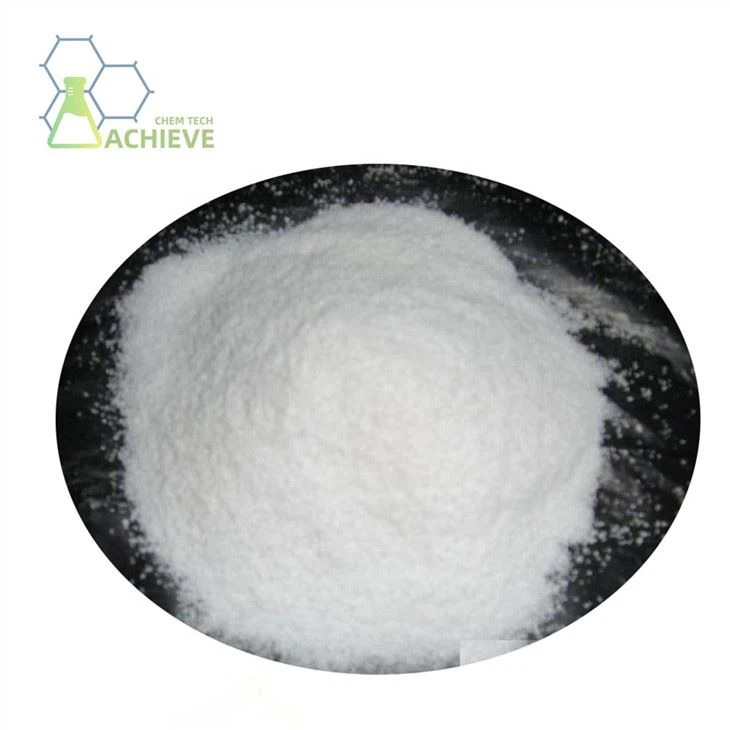
Articaine Hcl Powder
Product Code: BM-2-5-024
En name: Articaine
CAS number: 23964-57-0
Molecular formula: C13H20N2O3S
Molecular weight: 284.37
EINECS number: 245-957-7
MDL No.:MFCD00190157
HS code: 2934990002
Manufacturer: BLOOM TECH Wuxi Factory
Analysis: HPLC, LC-MS, HNMR
Main market: USA, Australia, Brazil, Japan, Germany, Indonesia, UK, New Zealand , Canada etc.
Technology support: R&D Dept.-4
We provide articaine Hcl powder, please refer to the following website for detailed specifications and product information.
Introduction to Articaine Hcl Powder
Articaine Hcl is a commonly used local anesthetic in dental and some minor surgical procedures. Its chemical structure gives it unique properties compared to other local anesthetics. It has a relatively fast onset of action and a medium - long duration of anesthesia, which makes it popular among medical professionals.


The mechanism of action of Articaine Hcl is primarily based on its ability to block sodium channels in nerve fibers. By doing so, it prevents the generation and conduction of nerve impulses, leading to a loss of sensation in the targeted area. However, like all drugs, it can have systemic effects, and the central nervous system is one of the key areas of concern.
Effects on the Central Nervous System
2.1 Initial Stimulatory Phase
When Articaine Hcl is administered, especially if there is an accidental intravascular injection or an overdose, it can first cause a stimulatory effect on the CNS. This is due to the drug's ability to interfere with normal neuronal activity. Neurons in the CNS are highly sensitive to changes in ion concentrations and membrane potential. Articaine Hcl can disrupt the normal flow of sodium ions, leading to hyperexcitability of neurons.


Symptoms of this initial stimulatory phase may include restlessness, tremors, and even seizures in severe cases. The exact mechanism behind this stimulation is thought to be related to the drug's interaction with specific sodium channel subtypes in the CNS. Some studies suggest that Articaine Hcl may preferentially bind to certain sodium channels in the brain, causing an imbalance in the normal inhibitory and excitatory neurotransmitter systems.
2.2 Depressive Phase
Following the initial stimulatory phase, if the drug concentration in the CNS remains high, a depressive phase may occur. This is characterized by a decrease in neuronal activity. The drug further disrupts the normal functioning of neurons, leading to a suppression of the CNS. Symptoms may include drowsiness, loss of consciousness, and even respiratory depression.


The depressive phase is a more serious consequence of excessive Articaine Hcl exposure. It can be life - threatening, especially if not treated promptly. The drug's effect on the respiratory centers in the brainstem can lead to a decrease in the rate and depth of breathing, which can ultimately result in hypoxia and other complications.
Factors Influencing CNS Effects
3.1 Dosage
The dosage of Articaine Hcl is a crucial factor in determining its effects on the CNS. A low - dose administration is generally safe and may only cause local anesthesia without significant CNS effects. However, as the dosage increases, the risk of systemic absorption and CNS effects also rises. Medical professionals need to carefully calculate the appropriate dosage based on the patient's age, weight, and the nature of the procedure.


3.2 Route of Administration
The route of administration can also affect how Articaine Hcl reaches the CNS. Intravenous injection, for example, can lead to a rapid increase in the drug's concentration in the bloodstream and subsequently in the CNS. In contrast, local infiltration or nerve block techniques are less likely to cause significant CNS effects if performed correctly. However, accidental intravascular injection during these procedures can still lead to systemic exposure.
3.3 Patient - Specific Factors
Patient - specific factors such as age, liver and kidney function, and pre - existing medical conditions can also influence the CNS effects of Articaine Hcl. Elderly patients and those with impaired liver or kidney function may have a reduced ability to metabolize and excrete the drug, leading to a higher risk of CNS toxicity. Additionally, patients with a history of seizures or other CNS disorders may be more sensitive to the drug's effects.
Comparison with Other Substances
In the field of pharmaceuticals, there are many substances that can affect the CNS. For example, Agomelatine Powder CAS 138112 - 76 - 2 is a medication used for the treatment of major depressive disorder. It acts on the CNS by modulating melatonin receptors and serotonin receptors. Unlike Articaine Hcl, which is mainly used for local anesthesia, Agomelatine has a more targeted effect on mood regulation.
Another substance, 2 - Nitroaminoimidazoline CAS 5465 - 96 - 3, is used in research and has potential applications in the treatment of certain diseases. Its effects on the CNS are still being studied, but it is likely to have a different mechanism of action compared to Articaine Hcl.
Pterostilbene Powder CAS 537 - 42 - 8 is a natural compound with antioxidant and anti - inflammatory properties. It may have some beneficial effects on the CNS, such as protecting neurons from oxidative stress. However, its mode of action is distinct from that of Articaine Hcl, which is mainly focused on blocking nerve impulses.
Safety Measures and Monitoring
To minimize the risk of CNS effects, it is essential to take appropriate safety measures during the use of Articaine Hcl. Medical professionals should always use the lowest effective dosage and follow proper injection techniques to avoid accidental intravascular injection.
Monitoring the patient's vital signs, including heart rate, blood pressure, and respiratory rate, is crucial during the administration of Articaine Hcl. In case of any signs of CNS stimulation or depression, immediate action should be taken. This may include discontinuing the drug, providing supportive care, and, in severe cases, administering antidotes.
Conclusion and Call to Action
In conclusion, Articaine Hcl powder can have significant effects on the central nervous system, especially when not used properly. As a supplier of Articaine Hcl powder, we are committed to providing high - quality products and ensuring that our customers are well - informed about the proper use and potential risks of the drug.
If you are interested in purchasing Articaine Hcl powder for your research or medical needs, we invite you to contact us for further discussion. We can provide detailed information about the product, including its specifications, quality control measures, and safety data. Our team of experts is ready to assist you in making the right decision for your specific requirements.
References
- Smith, J. K. (2018). Pharmacology of local anesthetics. Journal of Anesthesia, 32(2), 156 - 165.
- Johnson, L. M. (2019). Central nervous system effects of local anesthetics. Anesthesia Research and Practice, 2019, 1 - 10.
- Brown, A. R. (2020). Factors influencing the systemic toxicity of local anesthetics. International Journal of Clinical Pharmacology and Therapeutics, 58(3), 189 - 196.