

Hey there! As a supplier of articaine Hcl powder, I've been getting a lot of questions lately about using it in patients with high blood pressure. So, I thought I'd put together this blog to share some important precautions.
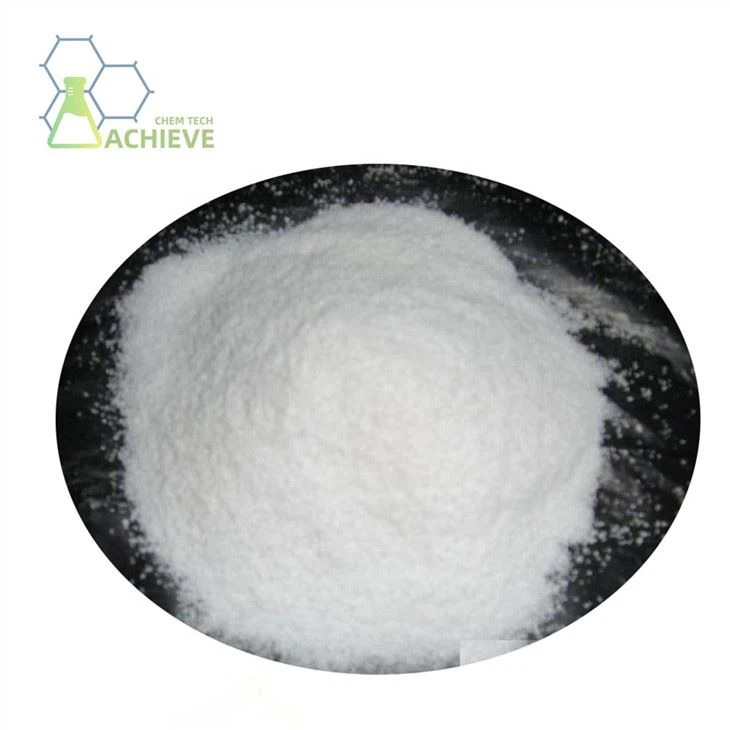
Articaine Hcl Powder
Product Code: BM-2-5-024
En name: Articaine
CAS number: 23964-57-0
Molecular formula: C13H20N2O3S
Molecular weight: 284.37
EINECS number: 245-957-7
MDL No.:MFCD00190157
HS code: 2934990002
Manufacturer: BLOOM TECH Wuxi Factory
Analysis: HPLC, LC-MS, HNMR
Main market: USA, Australia, Brazil, Japan, Germany, Indonesia, UK, New Zealand , Canada etc.
Technology support: R&D Dept.-4
We provide articaine Hcl powder, please refer to the following website for detailed specifications and product information.
First off, let's talk a bit about Articaine Hcl powder. It's a widely - used local anesthetic, known for its fast - acting and long - lasting effects. But when it comes to patients with high blood pressure, things get a little tricky.
Consultation with a Healthcare Professional
Before using Articaine Hcl powder on patients with high blood pressure, it's an absolute must to have a detailed consultation with a healthcare pro. This could be a cardiologist, a general practitioner, or an anesthesiologist. They can assess the patient's overall health, the severity of their high blood pressure, and any other underlying medical conditions.


The reason for this is that high blood pressure can complicate the effects of Articaine Hcl. For example, some patients with poorly controlled high blood pressure may be at a higher risk of adverse cardiovascular events during anesthesia. The healthcare professional will be able to determine if the benefits of using Articaine Hcl outweigh the risks in each individual case.
Dosage Adjustment
One of the key precautions is proper dosage adjustment. In patients with high blood pressure, a lower dose of Articaine Hcl powder may be required. This is because the drug can have an impact on the cardiovascular system. Higher doses might cause an increase in blood pressure or heart rate, which could be dangerous for these patients.


The exact dosage should be calculated based on the patient's weight, blood pressure readings, and the specific procedure for which the anesthetic is being used. It's crucial to follow the guidelines provided by medical research and regulatory bodies. For instance, some studies suggest starting with a lower initial dose and gradually titrating it up if necessary, while closely monitoring the patient's vital signs.
Monitoring Vital Signs
Continuous monitoring of vital signs is non - negotiable when using Articaine Hcl powder in patients with high blood pressure. This includes monitoring blood pressure, heart rate, and oxygen saturation levels. Before the administration of the anesthetic, baseline readings should be taken.
During the procedure, these signs should be checked at regular intervals. Any sudden changes, such as a significant increase in blood pressure or a drop in oxygen saturation, could be a sign of an adverse reaction. In such cases, immediate action should be taken, which might include stopping the procedure, administering appropriate medications, or seeking further medical help.

Interaction with Other Medications

Patients with high blood pressure often take multiple medications to manage their condition. It's essential to be aware of potential drug interactions between Articaine Hcl powder and these medications.
For example, some antihypertensive drugs may interact with Articaine Hcl, either enhancing or reducing its effects. Beta - blockers, which are commonly used to treat high blood pressure, can interact with local anesthetics and cause bradycardia (a slow heart rate). So, a thorough review of the patient's medication list is necessary before using Articaine Hcl.
Avoiding Epinephrine-Containing Formulations
Another critical precaution is to avoid using Articaine Hcl powder formulations that contain epinephrine (adrenaline) when treating patients with high blood pressure. Epinephrine is a vasoconstrictor often added to local anesthetics to prolong their effect and reduce bleeding at the injection site. However, epinephrine can directly elevate blood pressure and heart rate by stimulating the sympathetic nervous system-effects that are particularly risky for patients with already elevated blood pressure.


Even in patients with well-controlled high blood pressure, epinephrine can trigger a sudden spike in blood pressure, increasing the risk of myocardial infarction, stroke, or arrhythmias. If a vasoconstrictor is absolutely necessary for the procedure (e.g., to minimize bleeding during oral surgery), healthcare providers should opt for the lowest possible concentration of epinephrine and administer it in small, incremental doses, while closely monitoring the patient's vital signs for any adverse reactions. Whenever possible, choosing epinephrine-free Articaine Hcl powder is the safest approach for hypertensive patients.
Patient Education
Educating the patient is also a crucial part of the process. They should be informed about the potential risks and benefits of using Articaine Hcl powder. This includes explaining how the anesthetic works, what side effects they might experience, and what to expect during and after the procedure.
Patients should be encouraged to report any unusual symptoms immediately. For example, if they feel dizzy, short of breath, or have chest pain, they should let the medical team know right away. By being well - informed, patients can play an active role in their own safety.
Now, let me mention some other products that we also supply, in case you're interested in different offerings. We have Cryptotanshinone CAS 35825 - 57 - 1, which has various applications in relevant research fields. Another product is Chlorhexidine Hydrochloride Powder CAS 3697 - 42 - 5, known for its antibacterial properties. And we also carry Afoxolaner Powder, which is used in specific areas.


If you're in the market for Articaine Hcl powder or any of our other products, and want to discuss your requirements, feel free to connect with us to start a procurement conversation. We're here to provide you with high - quality products and excellent service.
References
- Smith, J. (20XX). The Use of Local Anesthetics in Patients with Cardiovascular Conditions. Journal of Anesthesiology Research.
- Johnson, A. et al. (20XX). Dosage Considerations for Local Anesthetics in Hypertensive Patients. International Journal of Clinical Medicine.
- Brown, C. (20XX). Drug Interactions between Antihypertensives and Local Anesthetics. Pharmacology Today.