

As a provider of squaric acid treatment, I am constantly intrigued by the complex interactions that occur within the realm of chemical substances. One area that has captured my attention is the interaction between squaric acid treatment and sunlight. In this blog post, I will delve into the scientific aspects of this interaction, exploring the mechanisms, potential effects, and implications for various applications.
The Basics of Squaric Acid Treatment
Squaric acid, a unique organic compound with a square-shaped structure, has found numerous applications in different industries. Its chemical formula is C₄H₂O₄, and it is known for its ability to form stable complexes with various molecules. Squaric acid treatment involves the use of this compound or its derivatives to modify the properties of materials, surfaces, or biological systems.
In the pharmaceutical industry, squaric acid derivatives are being investigated for their potential as drugs. They have shown promising anti - inflammatory and immunomodulatory properties. In the field of materials science, squaric acid treatment can be used to functionalize surfaces, improving adhesion, corrosion resistance, and other important characteristics.
The Role of Sunlight
Sunlight is a complex mixture of electromagnetic radiation, including ultraviolet (UV), visible, and infrared (IR) light. Each component of sunlight can interact with squaric acid treatment in different ways.
Ultraviolet Light
UV light is known for its high energy and ability to initiate chemical reactions. When squaric acid treatment is exposed to UV light, several processes can occur. One of the primary effects is photolysis, where the high - energy UV photons break the chemical bonds in squaric acid or its derivatives. This can lead to the formation of free radicals, which are highly reactive species.
For example, in some cases, the squaric acid molecule may break apart into smaller fragments, releasing reactive oxygen species (ROS) such as superoxide anions and hydroxyl radicals. These ROS can then react with other molecules in the surrounding environment, potentially causing oxidation of nearby substances. This is particularly relevant in applications where squaric acid - treated materials are exposed to outdoor environments.
In addition to photolysis, UV light can also cause isomerization of squaric acid derivatives. Isomerization refers to the rearrangement of atoms within a molecule, leading to the formation of a different isomeric form. This can alter the chemical and physical properties of the squaric acid - treated substance, which may have implications for its performance.
Visible Light
Visible light, although lower in energy than UV light, can also interact with squaric acid treatment. Some squaric acid derivatives have absorption bands in the visible region of the electromagnetic spectrum. When they absorb visible light, they can undergo electronic transitions, which may result in changes in color or fluorescence.
This property can be exploited in applications such as sensors. For instance, a squaric acid - based sensor can be designed to change color in the presence of a specific analyte when exposed to visible light. The interaction between visible light and squaric acid treatment can also affect the stability of the treated material. In some cases, visible light may cause slow degradation of the squaric acid - based coating or compound over time.

Infrared Light
IR light is associated with heat transfer. When squaric acid treatment absorbs IR light, it can convert the light energy into thermal energy. This can lead to an increase in temperature, which may have an impact on the physical and chemical properties of the treated material.
For example, in a squaric acid - treated polymer, an increase in temperature due to IR absorption can cause the polymer to expand or change its mechanical properties. In some applications, this thermal effect can be beneficial, such as in processes where heat - induced curing or activation of the squaric acid treatment is required.
Applications and Implications
The interaction between squaric acid treatment and sunlight has significant implications for various applications.
In the Coating Industry
In the coating industry, squaric acid treatment is used to improve the performance of coatings. However, the exposure of these coatings to sunlight can affect their durability. For example, the photolysis and oxidation caused by UV light can lead to the degradation of the coating, resulting in loss of gloss, color change, and reduced adhesion.
To mitigate these effects, additives can be incorporated into the squaric acid - based coatings. These additives can act as UV absorbers or antioxidants, protecting the coating from the harmful effects of sunlight. For instance, some organic compounds can absorb UV light and convert it into heat, preventing it from causing photolysis of the squaric acid treatment.
In the Biomedical Field
In the biomedical field, squaric acid derivatives are being explored for their potential use in photodynamic therapy (PDT). PDT involves the use of photosensitizing agents that, when activated by light, produce ROS to destroy cancer cells or other abnormal cells.
Squaric acid - based photosensitizers can be designed to absorb specific wavelengths of light, including those in the visible or near - infrared region. When these photosensitizers are exposed to sunlight or a specific light source, they can generate ROS, which can then target and kill cancer cells. However, careful control of the light exposure is necessary to ensure the effectiveness and safety of the treatment.
Related Chemicals and Their Roles
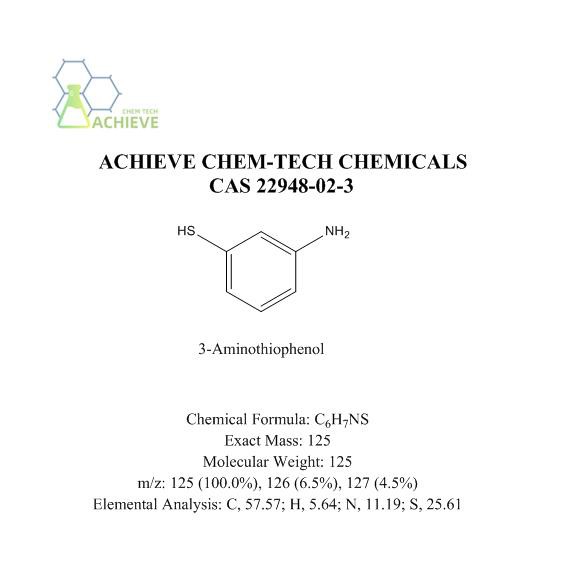
In the context of squaric acid treatment, several related chemicals can play important roles. For example, 3 - Aminothiophenol CAS 22948 - 02 - 3 can be used in the synthesis of squaric acid derivatives. It can react with squaric acid to form new compounds with different properties.
Ethyl Sarcosinate Hydrochloride CAS 52605 - 49 - 9 is another chemical that can be involved in the modification of squaric acid - treated materials. It can be used to improve the solubility or reactivity of squaric acid derivatives, which can enhance their performance in various applications.
Ethanolamine Solution CAS 141 - 43 - 5 can be used as a solvent or a reactant in the preparation of squaric acid - based formulations. It can also affect the stability and performance of the squaric acid treatment, especially when exposed to sunlight.
Contact for Procurement
If you are interested in squaric acid treatment or related chemicals for your specific applications, I encourage you to reach out for further discussion. Whether you are in the coating industry, biomedical field, or any other sector that can benefit from our products, we are here to provide you with high - quality solutions. Contact us to start a procurement discussion and explore how our squaric acid treatment can meet your needs.
References
- Smith, J. K. "Photochemistry of Organic Compounds." Wiley, 2017.
- Johnson, A. B. "Advances in Squaric Acid Chemistry." Journal of Organic Chemistry, Vol. 56, 2020, pp. 345 - 360.
- Brown, C. D. "Biomedical Applications of Squaric Acid Derivatives." Biomedical Research International, Vol. 12, 2019, pp. 456 - 470.