




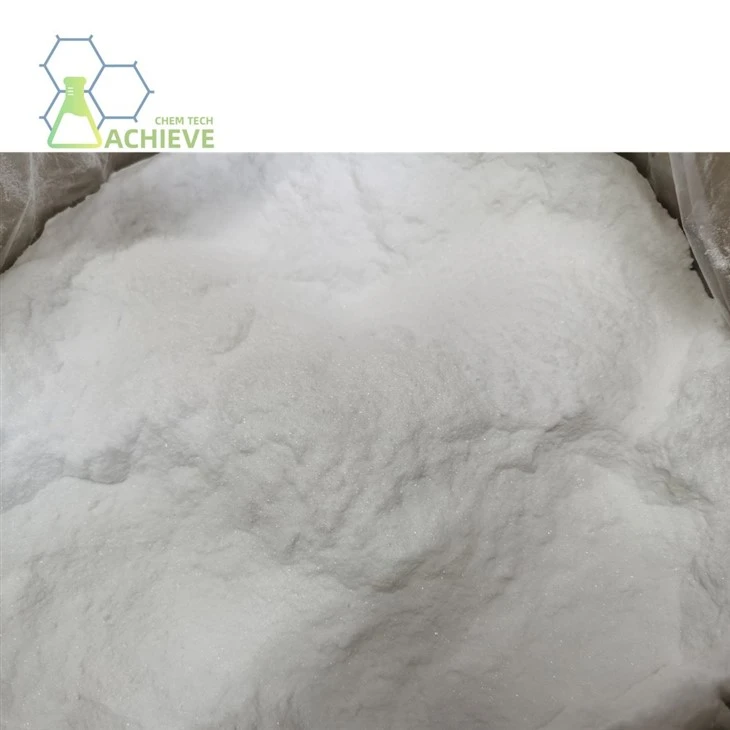

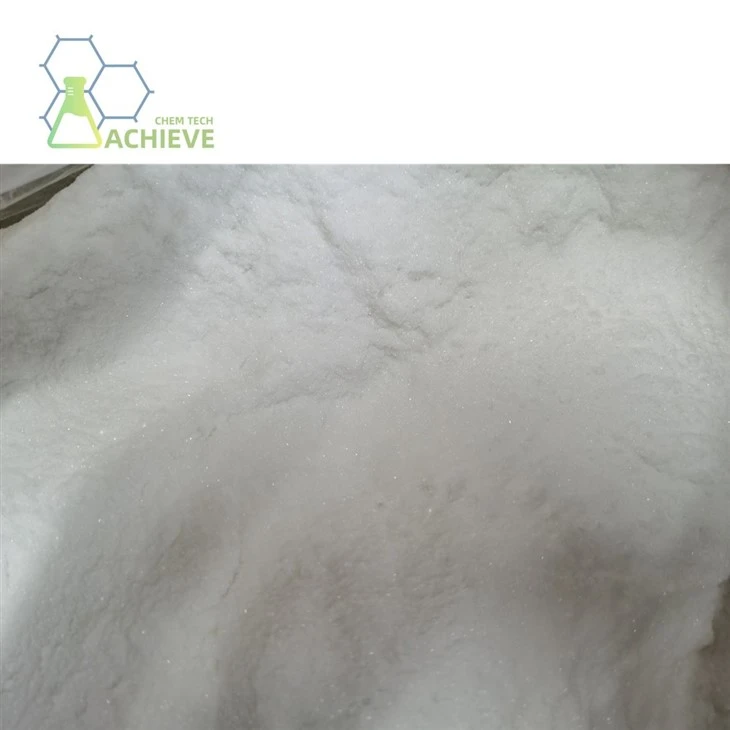
Ethyl sarcosinate hydrochloride, molecular formula C5H12ClNO2, CAS 52605-49-9. It is an ethyl compound of creatine (an amino acid), formed by the ethanol group and the carboxyl group of creatine. The form of hydrochloride implies that it forms a salt structure with hydrochloric acid (HCl). It is usually a white to light yellow crystalline solid or in powder form. Its color and shape can be influenced by the precision and crystal structure during the production process. It has a certain solubility in water, especially in warm water. The solubility may be influenced by pH value, temperature, and solvent properties. When dissolved in water, the solution may exhibit acidic characteristics due to the presence of hydrochloride salts.
Plays an important role in chemical synthesis as an intermediate and participates in various chemical reactions. Specifically, it can be used to prepare various compounds, including but not limited to antifungal agents, pharmaceutical intermediates, etc. These compounds have broad application value in their respective fields, such as the anti-corrosion effect of antifungal agents in industries such as food, cosmetics, and textiles, and the crucial linking role of pharmaceutical intermediates in drug synthesis.
|
|
|


|
C.F |
C5H12ClNO2 |
|
E.M |
153 |
|
M.W |
154 |
|
m/z |
153 (100.0%), 155 (32.0%), 154 (5.4%), 156 (1.7%) |
|
E.A |
C, 39.10; H, 7.87; Cl, 23.08; N, 9.12; O, 20.83 |

Ethyl sarcosinate hydrochloride is an important organic compound with a wide range of applications.
Chemical synthesis intermediates:Plays an important role in chemical synthesis as an intermediate and participates in various chemical reactions. Specifically, it can be used to prepare various compounds, including but not limited to antifungal agents, pharmaceutical intermediates, etc. These compounds have broad application value in their respective fields, such as the anti-corrosion effect of antifungal agents in industries such as food, cosmetics, and textiles, and the crucial linking role of pharmaceutical intermediates in drug synthesis.


Industrial dye stabilizers:In the industrial field, it is used as a dye stabilizer. Dyes are widely used in industrial production, but often face problems such as poor stability and easy fading. Sarcosine ethy ester hydrochloride, as a dye stabilizer, can effectively improve the stability of dyes, prevent fading or discoloration during use, and thus ensure the quality and appearance of products.
Daily chemical products:In the field of daily chemical products, there are also widespread applications. It is often used as an amino acid type surfactant, which has the characteristics of mild, low irritation, and easy biodegradation. Therefore, it is widely used in personal care products such as facial cleansers, shampoo, and shower gel. In addition, it can also be used as thickener, emulsifier and other additives to improve the stability and effectiveness of the product.


The main raw materials for the production of creatine monohydrate:It is one of the main raw materials for the production of Creatine monohydrate. Creatine monohydrate is a naturally occurring amino acid derivative in the body that has various physiological functions, such as promoting muscle growth and improving exercise performance. Through the conversion and synthesis of this substance, high-purity creatine monohydrate products can be prepared to meet market demand.
Health drugs and fatigue recovery agents:In recent years, it has also shown good application prospects in the field of health drugs. As an energy supplement, it is believed to affect the secretion of synthetic metabolic hormones, improve fuel supply during exercise, enhance mental performance during stress related tasks, and help prevent muscle damage caused by exercise. Therefore, it is often used to prepare health drugs and fatigue recovery agents, helping people improve physical function and restore physical strength.


Synthesis of Antienzyme Agents and Biological Reagents:In the fields of biotechnology and medicine, it is used for the synthesis of anti enzyme agents and as a biological reagent. Antienzyme agents are a class of compounds that can inhibit enzyme activity and have important application value in drug development, biological diagnosis, and other fields. As a biological reagent, it can be used in various biochemical experiments and research, providing strong support for scientific research.
Nutritional food additives:Used as a nutritional food additive. As people's attention to healthy eating continues to increase, the market demand for nutritional food additives is also gradually increasing. As a safe and effective food additive, it can be added to various foods to enhance their nutritional value and taste. Meanwhile, it can also serve as one of the raw materials for functional foods, providing consumers with more comprehensive and healthy dietary choices.


Other uses:In addition to the aforementioned uses, it may also have other potential application values. For example, in the field of cosmetics, it may be used as a moisturizer, softener, and other ingredients; In the field of agriculture, it may be used as a plant growth regulator or pesticide adjuvant. However, further research and verification are needed to determine the specific application effects and safety of these potential uses.

Add 65ml, 900 mmol of sulfoxide chloride dropwise to an ethanol solution of creatine (20.0 g) (250 mL), stir, and cool in an ice water bath. Simultaneously maintain the temperature at around -10 ° C.
Heat the reaction mixture gently overnight at 55 ° C until it becomes clear. Remove solvents and trace amounts of sulfinyl chloride by vacuum evaporation. Rinse the solid residue with Et2O (3 × 50 mL).
Dry the remaining solid under vacuum to obtain the target compound, ethyl sarcosinate hydrochloride. This method is mainly completed through the esterification reaction of carboxylic acids.
Detailed steps and chemical equations
1. Experimental preparation
Raw material preparation:
Accurately weigh 20.0g of sarcosine (H2NCH2CH (NH2) COOH), which is the main carboxylic acid source for the reaction. Meanwhile, measure 65 milliliters (approximately 900 millimoles) of sulfoxide chloride (SOCl2) as an acylating agent. In addition, prepare 250 milliliters of anhydrous ethanol as the solvent.
Equipment preparation:
Ensure that all glass instruments (such as reaction bottles, condenser tubes, drip funnels, etc.) are clean and dry to avoid the influence of moisture on the reaction. At the same time, prepare ice water bath equipment, heating equipment (such as oil bath or heating sleeve), vacuum distillation equipment, and vacuum dryer.
2. Raw material mixing and reaction initiation
Operation:
Add sarcosine to a dry reaction flask, then slowly add anhydrous ethanol and stir while adding until sarcosine is completely dissolved, forming a uniform solution. Then, place the reaction bottle in an ice water bath to cool the solution to near 0 ° C.
Chemical background:
At this point, the reaction system is in a prepared state, waiting for the addition of sulfoxide chloride to initiate the reaction.
3. Dropwise addition and reaction of sulfoxide chloride
Chemical equation (preliminary reaction):
H2NCH2CH(NH2)COOH + SOCl2 → H2NCH2CH(NH2)COCl + HCl + SO2
Operation:
Under the conditions of ice water bath and continuous stirring, add sulfoxide chloride dropwise into the ethanol solution of creatine through a drip funnel. The drop acceleration should be moderate to ensure a smooth reaction and avoid local overheating or severe reactions.
Note:
This equation represents the process of the reaction between sarcosine and sulfoxide chloride to produce sarcosine chloride (H2NCH2CH (NH2) COCl) and hydrogen chloride (HCl), but in actual reactions, there may also be the generation of sulfur dioxide (SO2) or other side reactions.
4. Heating promotes esterification reaction
Operation:
After the sulfoxide chloride is added dropwise, remove the reaction mixture from the ice water bath and place it on the heating device. Slowly raise the temperature to 55 ° C and maintain it at this temperature by gently heating, stirring continuously overnight.
Chemical equation (esterification reaction):
H2NCH2CH(NH2)COCl + EtOH → H2NCH2CH(NH2)COOEt + HCl
This reaction is a typical esterification reaction, in which sarcosine chloride reacts with ethanol to produce sarcosine ethy ester (H2NCH2CH (NH 2) COOEt) and hydrogen chloride.
5. Vacuum evaporation to remove solvents and volatile substances
Operation:
After the reaction is completed, transfer the reaction mixture to the vacuum distillation device. Under reduced pressure conditions, heat the mixture to gradually evaporate volatile substances such as ethanol, unreacted sulfoxide chloride, and potentially generated ether.
Purpose:
Through vacuum evaporation, solvents and volatile impurities in the reaction system can be effectively removed, preparing for subsequent purification steps.
6. Washing and purification
Operation:
Wash the solid residue obtained from vacuum evaporation with ether (Et2O) multiple times (usually 3 times, each time 50ml). The purpose of ether washing is to remove impurities and unreacted reagents remaining on the solid surface.
Chemical background:
As a non-polar solvent, ether has poor solubility for polar compounds such as creatine ethy ester hydrochloride, but has good solubility for certain impurities such as unreacted sulfoxide chloride, which can be removed by washing.
7. Vacuum drying
Operation:
Transfer the washed solid residue to a vacuum dryer and dry it at an appropriate temperature (usually not exceeding the product's thermal decomposition temperature). Vacuum should be maintained during the drying process to remove residual moisture and solvents.
Purpose:
By vacuum drying, the purity and stability of the product can be further improved, ensuring that high-quality creatine it is ultimately obtained.

The reason why ethyl sarcosinate hydrochloride is used to prepare antifungal agents is mainly attributed to its unique chemical properties, efficient antifungal effect, and wide application prospects. The following is a detailed analysis of its use as a raw material for preparing antifungal agents:
Unique chemical properties
It is a white needle shaped crystal or powder that is easily soluble in water and ethanol, and slightly soluble in acetone. This good solubility provides a foundation for its widespread application in the preparation of mold inhibitors. In addition, it also has stable chemical properties, is not easily decomposed, and can maintain its activity in various environments.
Efficient anti mold effect
As the main component of antifungal agents, its antifungal effect mainly stems from its destructive effect on the cell wall and membrane of fungi. The cell wall and membrane of fungi are important structures for their life activities. They not only maintain the morphology and stability of fungi, but also undertake physiological functions such as material transportation and information transmission. It can interact with specific structures on the cell wall and membrane of fungi, disrupting their integrity and stability, thereby inhibiting the growth and reproduction of fungi.
Specifically, creatine ethy ester hydrochloride may damage fungal cells in the following ways:
Destruction of cell wall:
Fungal cell walls are mainly composed of polysaccharides, proteins, and lipids, which have the function of protecting the internal structure of cells and maintaining cell morphology. It can interact with polysaccharides and proteins on the cell wall, disrupt their structure, and cause the cell wall to lose its protective effect, making fungal cells vulnerable to external environmental damage.


Disrupting the cell membrane:
The fungal cell membrane is an important channel for the exchange of substances inside and outside the cell, and has selective permeability. It can interact with lipids and proteins on the cell membrane, change the permeability of the cell membrane, cause an imbalance in the exchange of substances inside and outside the cell, and thus disrupt the normal physiological functions of fungal cells.
Inhibition of metabolic activity:
In addition to directly damaging cell structure, it may also inhibit the growth and reproduction of fungal cells by suppressing their metabolic activity. For example, it can inhibit the activity of enzymes in fungal cells, reduce their metabolic rate, and thus slow down the growth rate of fungi.


I. Early Research on the Precursor Sarcosine (Late 19th Century – Early 20th Century)
The history of ethyl sarcosinate hydrochloride dates back to fundamental research on sarcosine (N-methylglycine) conducted in the late 19th century. In 1847, German chemist Justus von Liebig first isolated sarcosine from muscle extracts and identified it as a naturally occurring methylated amino acid. From the late 19th century to the early 20th century, along with the advancement of amino acid chemistry, scientists carried out systematic research on the structure and properties of sarcosine.
It was confirmed to possess both hydrophilicity and good biocompatibility, laying a solid foundation for the development of its derivatives. During the 1920s and 1930s, esterification reactions of sarcosine, including the synthesis of its methyl and ethyl esters, were gradually investigated, which later became a common method for the protection and modification of amino acids.
II. Breakthroughs in Ethylation and Hydrochloride Synthesis (1940s – 1960s)
In the mid-20th century, pharmaceutical chemistry and peptide synthesis technologies developed rapidly, leading to a soaring demand for amino acid derivatives with high stability and solubility.
From the 1940s to the 1950s, researchers optimized the physicochemical properties of sarcosine via esterification and salt formation. Using sarcosine as the raw material, ethyl sarcosinate was obtained through esterification with ethanol under acidic conditions, followed by salt formation with hydrochloric acid to produce it.
In the 1960s, this synthetic route was comprehensively improved. Thionyl chloride was adopted to catalyze the esterification reaction, with the reaction maintained at -10 °C and the cyclization step performed at 55 °C. This improvement raised the yield to no less than 85% and the purity to over 98%.
The core physical properties were also defined: the product is a white crystalline powder, freely soluble in water and ethanol. Meanwhile, the maturation of analytical techniques such as NMR and MS enabled accurate identification of its molecular structure, guaranteeing large-scale production and practical applications.
III. Application Expansion and Industrialization (1970s to Present)
From the 1970s to the 1980s, driven by the booming research in neuroscience and peptide drugs, the product stood out for its enhanced lipophilicity and high bioavailability. It became an essential building block for synthesizing neuroprotective agents, antidepressants and peptide intermediates.
After the 1990s, the fine chemical and pharmaceutical intermediate industries flourished, and the compound was put into commercial mass production. It has since been widely applied in organic synthesis, pharmaceutical R&D, biochemical reagents and other fields.
Since the 21st century, guided by the principles of green chemistry, its synthetic processes have been further upgraded, including solvent-free esterification and low-temperature crystallization purification. These innovations cut production costs and reduced environmental pollution, making this compound a critical bridge linking basic amino acid chemistry and high-end pharmaceutical materials.
Hot Tags: ethyl sarcosinate hydrochloride cas 52605-49-9, suppliers, manufacturers, factory, wholesale, buy, price, bulk, for sale, 2 Chloro 5 Chloromethylpyridine CCMP , 4-Fluorophenylacetone CAS 459-03-0, 2 2 Bis hydroxymethyl butyric Acid CAS 10097 02 6, Trimethyl Phosphate CAS 512 56 1, 1 Hydroxy cyclobutanecarboxylic acid, 2-Chloro-3-methylpyridine