

Hey there! As an IPTG reagent supplier, I often get asked about the differences between IPTG and other inducers. So, I thought I'd take a deep-dive into this topic and share what I know.

IPTG Reagent
Product Code: BM-2-5-091
English Name: IPTG
CAS NO.: 367-93-1
MF: C9H18O5S
MW: 238.3
EINECS: 206-703-0
Manufacturer: BLOOM TECH Wuxi Factory
Technology service: R&D Dept.-2
Shipping: Shipping as another no sensitive chemical compound name.
We provide IPTG Reagent, please refer to the following website for detailed specifications and product information.
Product:https://www.bloomtechz.com/synthetic-chemical/api-researching-only/iptg-reagent-cas-367-93-1.html
First off, let's understand what an inducer is. In the world of molecular biology, an inducer is a molecule that regulates gene expression. It binds to a repressor protein, preventing it from binding to the operator region of DNA. This allows RNA polymerase to transcribe the genes downstream of the operator, leading to the production of specific proteins.
IPTG Reagent: A Brief Overview
IPTG, or Isopropyl β-D-1-thiogalactopyranoside, is a well-known synthetic inducer. It's commonly used in the laboratory to induce the expression of genes under the control of the lac operon. The lac operon is a set of genes in E. coli that are involved in lactose metabolism. When IPTG is added to a bacterial culture, it mimics the action of allolactose (a natural inducer of the lac operon). Since IPTG is not metabolized by the bacteria, it remains in the medium and continuously induces gene expression.
One of the main advantages of IPTG is its stability. Unlike some natural inducers, IPTG doesn't get broken down by the bacteria, which means you can maintain a consistent level of induction over a longer period. This is super useful when you're doing experiments that require a steady production of a particular protein.
Comparing IPTG with Other Inducers
Lactose
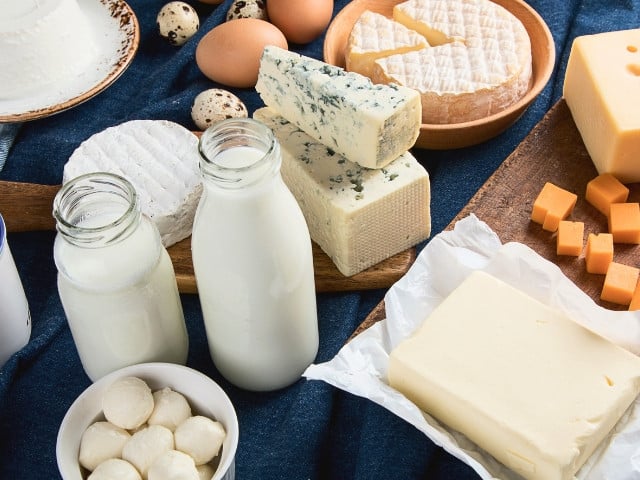
Lactose is the natural inducer of the lac operon. When lactose is present in the environment, E. coli will take it up and convert it into allolactose, which then binds to the lac repressor and allows gene expression. The big difference between lactose and IPTG is that lactose is a substrate for bacterial metabolism. As the bacteria use up the lactose, the level of induction decreases over time.
Another aspect is the cost. Lactose is much cheaper than IPTG. If you're running large-scale experiments where cost is a major factor, lactose might be a more attractive option. However, the variability in induction levels due to metabolism can be a drawback. For example, if you need to produce a high-quality, consistent protein sample, IPTG is likely the better choice.
Arabinose
Arabinose is an inducer for the araBAD operon in E. coli. Similar to the lac operon, the araBAD operon is involved in the metabolism of a sugar (in this case, arabinose). When arabinose is present, it binds to the AraC protein, which then activates gene expression from the araBAD promoter.
One key difference between arabinose and IPTG is the regulatory mechanism. The araBAD system is more tightly regulated compared to the lac operon. This means that in the absence of arabinose, there is very little basal expression of the target genes. In contrast, the lac operon can have some low-level basal expression even without an inducer.
Arabinose is also metabolized by the bacteria, so like lactose, the induction levels can change over time. But if you need a system with very tight regulation, the araBAD-arabinose system might be more suitable than the lac-IPTG system.
Rhamnose
Rhamnose is another sugar-based inducer used in bacterial gene expression systems. It induces the expression of genes under the control of the rhaBAD operon. Similar to arabinose and lactose, rhamnose is metabolized by the bacteria.
The advantage of rhamnose is that it often provides a more tightly regulated system compared to lactose. It can also be used in combination with other inducers to create more complex gene expression patterns. However, IPTG still has the upper hand in terms of stability and consistent induction levels.
Applications and Considerations
In many research laboratories, IPTG is the go-to inducer for basic protein expression experiments. Its stability and predictability make it ideal for producing recombinant proteins. For example, if you're trying to purify a protein for structural studies, you need a consistent supply of the protein, and IPTG can help you achieve that.
On the other hand, if you're working on a project with a limited budget or if you're interested in studying the natural regulation of gene expression, other inducers like lactose, arabinose, or rhamnose might be more appropriate.
It's also important to consider the host organism. Different bacteria may respond differently to various inducers. Some strains of E. coli may have mutations in the lac operon or other regulatory systems, which can affect the effectiveness of the inducer.
Some Other Chemicals in Research
In addition to inducers, there are many other chemicals used in research. For example, 1,3-Dimethylpentylamine CAS 105-41-9 is a synthetic chemical used in API researching. Another one is 5-Fluorocytidine CAS 2341-22-2, which also has its own applications in the field of research. And Bilirubin Powder CAS 635-65-4 is yet another important chemical in the research world.
Why Choose Our IPTG Reagent?
As a supplier, we take pride in offering high-quality IPTG reagent. Our product is pure and reliable, ensuring consistent results in your experiments. We understand the importance of having a stable inducer for your research, and that's why we've put in the effort to source and provide the best IPTG on the market.
Whether you're a small research lab or a large-scale biotech company, we can meet your needs. Our pricing is competitive, and we offer flexible packaging options to suit different usage volumes.
If you're interested in learning more about our IPTG reagent or if you have any questions about inducers in general, don't hesitate to reach out. We're here to help you make the best choice for your research. Contact us to start a conversation about your procurement needs and let's work together to achieve your research goals.
References
Miller, J. H. (1972). Experiments in molecular genetics. Cold Spring Harbor Laboratory.
Schleif, R. (2010). Regulation of the L-arabinose operon of Escherichia coli. Annual review of genetics, 44, 47-63.
Elowitz, M. B., Levine, A. J., Siggia, E. D., & Swain, P. S. (2002). Stochastic gene expression in a single cell. Science, 297(5584), 1183-1186.