

Medetomidine HCl, also known as dexmedetomidine hydrochloride, is a potent and highly selective alpha - 2 adrenergic agonist. It has been widely used in veterinary and, to some extent, human medicine for its sedative, analgesic, and anxiolytic properties. As a supplier of Medetomidine HCl, it is crucial to understand not only its benefits but also its potential side - effects. This knowledge helps our customers, whether they are researchers, veterinarians, or medical professionals, make informed decisions regarding its use.
1. Cardiovascular Side - effects
One of the most well - documented side - effects of Medetomidine HCl is its impact on the cardiovascular system. When administered, it causes a transient increase in blood pressure, followed by a more sustained decrease. The initial increase is due to the stimulation of peripheral alpha - 2 receptors, which leads to vasoconstriction. Subsequently, the activation of central alpha - 2 receptors results in a decrease in sympathetic outflow, causing a drop in blood pressure and heart rate.
In veterinary patients, especially small animals like dogs and cats, bradycardia is a common side - effect. The reduced heart rate can sometimes be severe enough to cause a decrease in cardiac output. In some cases, atrioventricular block may also occur. This can be particularly concerning in patients with pre - existing cardiovascular conditions. For example, in geriatric animals or those with heart disease, the bradycardia and hypotension induced by Medetomidine HCl can exacerbate their condition and lead to poor tissue perfusion.
In human medicine, although Medetomidine HCl is used more sparingly, similar cardiovascular effects are observed. It is important for anesthesiologists and intensivists to closely monitor patients' blood pressure and heart rate during administration. They may need to intervene with medications such as atropine to reverse the bradycardia if it becomes life - threatening.
2. Respiratory Side - effects
Medetomidine HCl can also have an impact on the respiratory system. In general, it causes a mild to moderate decrease in respiratory rate. This is mainly due to its sedative effect on the central nervous system, which reduces the drive to breathe. In most cases, the decrease in respiratory rate is well - tolerated, especially when the drug is used at appropriate doses.
However, in some patients, especially those with pre - existing respiratory diseases or those who are receiving other respiratory - depressant medications, the respiratory depression can be more severe. For example, in patients with chronic obstructive pulmonary disease (COPD) or asthma, the reduced respiratory rate can lead to hypoventilation and an increase in carbon dioxide levels in the blood. This can result in respiratory acidosis, which can have a negative impact on the patient's overall condition.
In veterinary practice, it is important for veterinarians to monitor the respiratory status of animals receiving Medetomidine HCl. They may need to provide supplemental oxygen or use ventilatory support if the respiratory depression becomes severe.
3. Gastrointestinal Side - effects
Gastrointestinal side - effects are also commonly associated with Medetomidine HCl use. In animals, it can cause nausea, vomiting, and decreased gastrointestinal motility. The decrease in motility can lead to constipation and a delay in the passage of food through the digestive tract. This is due to the drug's effect on the enteric nervous system, which regulates gastrointestinal function.
In some cases, the nausea and vomiting can be severe enough to cause dehydration and electrolyte imbalances, especially in small animals. It is important for veterinarians to take this into account when using Medetomidine HCl, especially in animals that are already at risk of dehydration or have a history of gastrointestinal problems.
In human patients, although less commonly reported, similar gastrointestinal side - effects may occur. Patients may experience nausea, anorexia, and abdominal discomfort during the course of treatment with Medetomidine HCl.
4. Endocrine and Metabolic Side - effects
Medetomidine HCl can affect the endocrine and metabolic systems. It has been shown to cause a decrease in insulin secretion, which can lead to an increase in blood glucose levels. This is more pronounced in patients with diabetes or those who are already at risk of hyperglycemia.
The drug can also affect the hypothalamic - pituitary - adrenal (HPA) axis. It suppresses the release of adrenocorticotropic hormone (ACTH) from the pituitary gland, which in turn reduces the production of cortisol by the adrenal glands. Cortisol is an important hormone involved in the body's stress response, metabolism, and immune function. Prolonged suppression of cortisol production can lead to a weakened immune system and an increased susceptibility to infections.
5. Other Side - effects
There are several other side - effects associated with Medetomidine HCl use. It can cause muscle tremors, especially in animals. These tremors are thought to be due to the drug's effect on the central nervous system. In some cases, the tremors can be severe enough to interfere with the patient's normal movement and function.
Medetomidine HCl can also cause a decrease in body temperature, leading to hypothermia. This is more common in animals, especially those that are anesthetized or sedated for a long period. Hypothermia can have a negative impact on the patient's metabolism, immune function, and wound healing.
In addition, there may be some allergic reactions to Medetomidine HCl, although these are relatively rare. Symptoms of an allergic reaction can include itching, swelling, and difficulty breathing.
Importance of Understanding Side - effects
As a supplier of Medetomidine HCl, we recognize the importance of providing our customers with comprehensive information about the drug's side - effects. Our customers rely on us to supply high - quality products and also to offer accurate and up - to - date knowledge about their use.
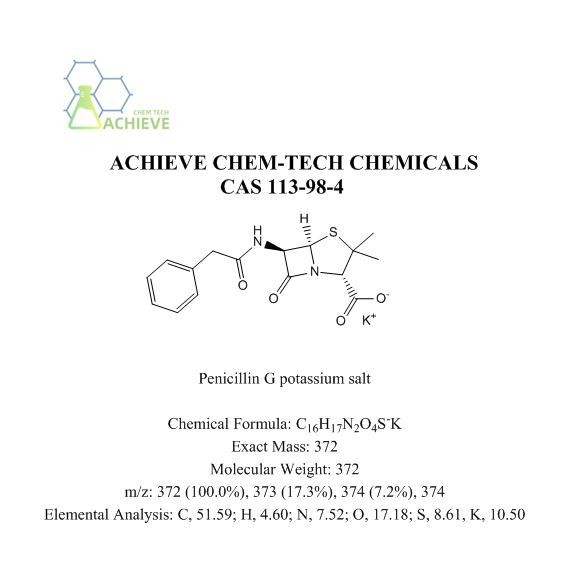
By understanding the potential side - effects, researchers can design more effective studies, veterinarians can make better treatment decisions, and medical professionals can ensure the safety of their patients. We also offer related products such as Penicillin G Potassium Salt CAS 113 - 98 - 4, Polymyxin B Sulfate Powder CAS 1405 - 20 - 5, and Nystatin CAS 1400 - 61 - 9 which can be used in combination with Medetomidine HCl in certain research or treatment scenarios.
Conclusion and Call to Action
In conclusion, while Medetomidine HCl is a valuable drug with many beneficial properties, it is not without its side - effects. It is essential for all users of this drug to be aware of these potential risks and to take appropriate precautions.
If you are interested in purchasing Medetomidine HCl or any of our other products, we invite you to contact us for further details and to discuss your specific requirements. Our team of experts is ready to assist you in making the best choices for your research or treatment needs. Whether you are a veterinarian looking for a reliable sedative for your patients or a researcher conducting important studies, we are here to support you.
References
- Muir WW, Hubbell JA. Handbook of Veterinary Anesthesia. 4th ed. Elsevier; 2013.
- Ebert TJ, Hall JE, Barney JA, et al. The effects of increasing plasma concentrations of dexmedetomidine in humans. Anesthesiology. 2000;93(2):382 - 394.
- Steffey EP, Mama KR. Dexmedetomidine: a review of its pharmacology and use in veterinary medicine. Vet Anaesth Analg. 2009;36(1):3 - 14.