




Shaanxi BLOOM Tech Co., Ltd. is one of the most experienced manufacturers and suppliers of 5-bromoisoquinoline cas 34784-04-8 in China. Welcome to wholesale bulk high quality 5-bromoisoquinoline cas 34784-04-8 for sale here from our factory. Good service and reasonable price are available.
5-Bromoisoquinoline is an organic compound that is a pale yellow needle shaped crystal with a glossy appearance. CAS 34784-04-8, molecular formula C9H6BrN. As a compound containing bromine atoms and benzene rings, it has high stability and is not prone to redox reactions. However, when reacting with certain chemical reagents, substitution reactions or ring opening reactions may occur. It can be used as a precursor for the synthesis of certain insecticides, herbicides, and other pesticides.

|
|
|


|
C.F |
C9H6BrN |
|
E,M |
207 |
|
M.W |
208 |
|
m/z |
207 (100.0%), 209 (97.3%), 208 (9.7%), 210 (9.5%) |
|
E.A |
C, 51.96; H, 2.91; Br, 38.40; N, 6.73 |

5-Bromoisoquinoline is an organic compound that has been widely used in multiple fields due to its unique structure and properties.
1. Biomedical research
It has potential application value in biomedical research. Due to its structural similarity to certain biomolecules, it can be used as a probe or marker in biomedical research. By combining with biomolecules, the structure and function of biomolecules can be studied, further revealing the mysteries of life processes.

2. Synthesis of metal complexes
It can react with some metal ions to form metal complexes. These metal complexes have wide applications in materials science, catalytic reactions, and other fields. By regulating the structure and properties of metal complexes, materials such as catalysts and sensors with excellent performance can be developed.
3. Synthesis of Liquid Crystal Materials
It can be used as part of the synthesis of liquid crystal materials. Liquid crystal materials have a wide range of applications in display technology, optoelectronics, and other fields. By introducing 5 Bromoisoquinoline as a structural unit, the properties of liquid crystal materials, such as refractive index and conductivity, can be adjusted to optimize the performance of liquid crystal display devices.

4. Polymer material synthesis
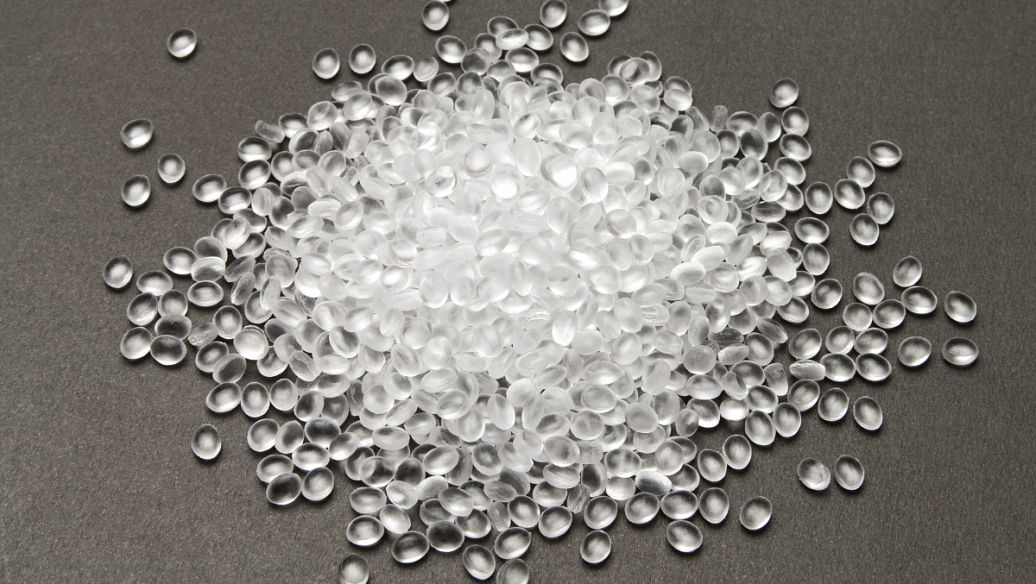
It can be used as part of the synthesis of polymer materials. Polymer materials are widely used in many fields, such as plastics, rubber, fibers, etc. By introducing 5 Bromoisoquinolines into polymer chains, the properties of polymer materials, such as mechanical strength, thermal stability, and weather resistance, can be altered.
5. Fluorescent probe
It can be used as a fluorescent probe. Fluorescent probes are compounds that emit fluorescence and are commonly used in biomedical research, chemical analysis, and other fields. By combining 5 Bromoisoquinolines with fluorescent dyes, fluorescent probes with specific fluorescence properties can be prepared for detecting target substances such as biomolecules and ions.


6. Nanomaterial synthesis
It can be used as part of the synthesis of nanomaterials. Nanomaterials are widely used in many fields, such as nanomedicines, nanocatalysts, etc. By introducing 5 Bromoisoquinolines into nanostructures, the properties of nanomaterials, such as size, morphology, stability, etc., can be controlled, thereby developing nanomaterials with excellent performance.
7. Fluorescence spectroscopy analysis
It can be used as a fluorescent marker for fluorescence spectroscopy analysis. Fluorescence spectroscopy analysis is a method of studying the properties of fluorescent substances by measuring fluorescence spectra. By using this substance as a fluorescent marker, its fluorescence properties in different environments can be studied, further revealing the process and mechanism of its interaction with biomolecules.

What are the challenges in the synthesis process of this substance?
Limitations on the applicability of substrates: In some synthetic methods, the applicability of substrates is restricted. For example, the aryl and OAc of the substrate oxime used must be on opposite sides of the C=N double bond, which limits the range of substrates for preparing isoquinoline.
Regional selectivity issue: When using asymmetric alkynes as reactants, the regional selectivity of the products is a challenge. Different alkynes may affect the regioselectivity of the reaction, thereby affecting the stereochemistry and yield of the product.
Optimization of reaction conditions: In order to achieve efficient and selective synthesis, it is necessary to carefully optimize the reaction conditions, including catalyst selection, solvent, temperature, reaction time, etc.
Side reactions and impurity control: During the synthesis process, side reactions may occur, resulting in unwanted by-products, which can increase the difficulty and cost of the purification process. Therefore, controlling side reactions and impurities is an important challenge.
The recovery and reuse of catalysts: In many synthesis methods, the recovery and reuse of catalysts is a key issue, especially in industrial scale production. The activity and stability of catalysts are crucial for the efficiency and economy of the synthesis process.
The complexity of the reaction mechanism: The reaction mechanism for the synthesis of isoquinoline may be complex, involving multiple steps and intermediates. A deep understanding of these mechanisms is crucial for optimizing synthesis pathways and improving yields.
The product represents a promising scaffold in organic chemistry, medicinal chemistry, and materials science. Its unique structural features, reactivity, and biological activity make it a valuable tool for complex molecular synthesis, therapeutic agent development, and functional material design. By understanding its characteristics, synthesis methods, and applications, researchers can leverage the potential of it to advance scientific knowledge and improve human health.
With the continuous development of organic synthesis and pharmaceutical research, it is expected that the demand for multifunctional and efficient structural units such as it will increase. Future research in this field may lead to the discovery of new compounds with enhanced performance and applications, further consolidating the importance of the product in contemporary scientific research. With its potential to contribute to advances in medicine, materials science, and sustainable chemistry, the product remains a compound with great potential and prospects.

as a research platform for heavy atom effects and intramolecular charge transfer
5-bromoisoquinoline, with its unique molecular structure, has become an ideal platform for studying heavy atom effects and intramolecular charge transfer (ICT). The introduction of bromine atoms significantly enhances spin orbit coupling, providing a key model for studying heavy atom effects; Meanwhile, the conjugated system of isoquinoline ring and the electronic effect of bromine atom work together to construct a typical ICT system.
Molecular structural characteristics
Molecular Skeleton and Electronic Distribution
The molecular structure of the product consists of an isoquinoline ring (formed by the condensation of a benzene ring and a pyridine ring) and a bromine atom at the 5th position. The conjugated system of isoquinoline ring endows the molecule with good electron delocalization ability, while bromine atom, as a strong electron withdrawing group, significantly changes the electron distribution of the molecule through induction effect. Specifically, the introduction of bromine atoms reduces the electron cloud density of the isoquinoline ring, especially the carbon atom adjacent to position 5, thereby forming an ICT system of electron donors (isoquinoline ring) and acceptors (bromine atom) within the molecule.
Molecular basis of heavy atom effect
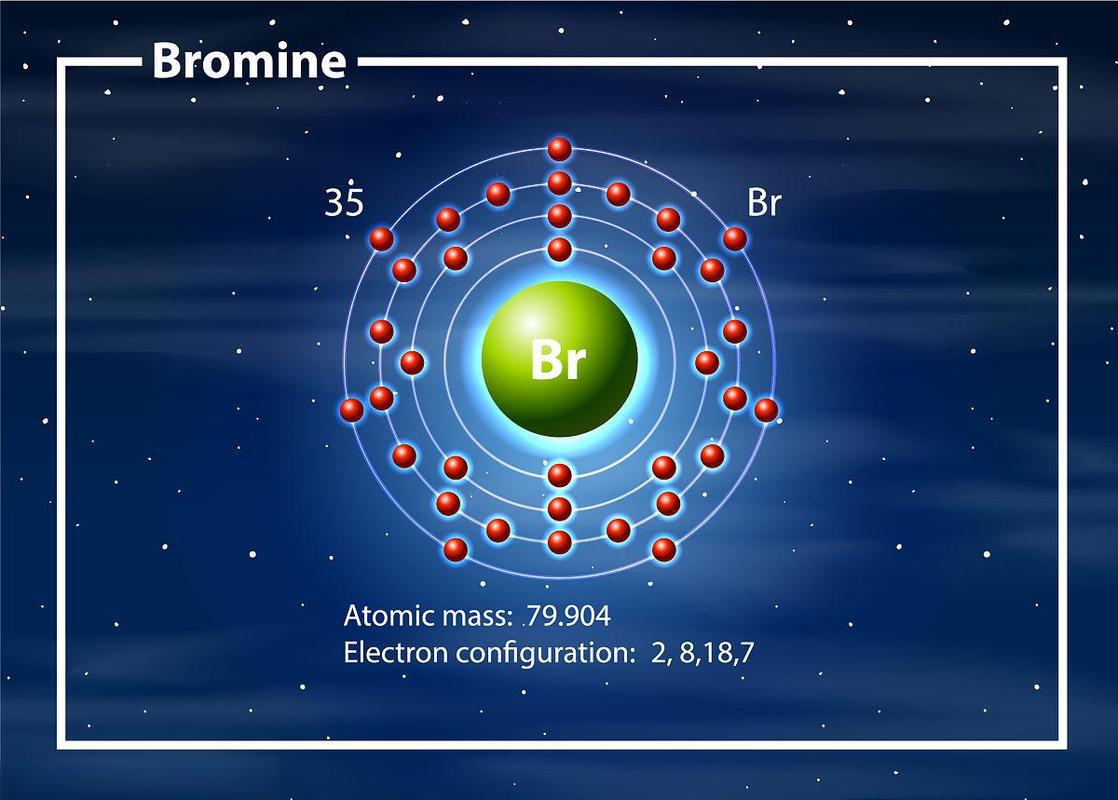
The core mechanism of the heavy atom effect is the enhancement of spin orbit coupling (SOC). The high atomic number of bromine atom (atomic number Z=35) leads to a significant attraction of its nuclear charge to electrons, thereby enhancing the interaction between electron spin and orbital angular momentum. This enhancing effect promotes the intersystem crossing (ISC) of molecules from the singlet state (S ₁) to the triplet state (T ₁), thereby affecting the fluorescence emission, phosphorescence lifetime, and photochemical activity of the molecules. The presence of bromine atoms in it makes it an ideal model for studying the effect of heavy atoms on ICT regulation.
Application in the study of heavy atom effects

Regulation of Fluorescence Characteristics by Heavy Atomic Effect
In pure organic fluorescent materials, fluorescence emission typically originates from radiative transitions from the singlet state (S ₁) to the ground state (S ₀). However, the introduction of heavy atom effects can enhance the ISC process, leading to the dissipation of some excited state energy in non radiative forms (such as phosphorescence), thereby reducing the fluorescence quantum yield.
The fluorescence spectrum study of the product shows that its fluorescence emission peak is located around 430 nm, and the presence of bromine atoms significantly reduces its fluorescence intensity compared to unsubstituted isoquinoline, which is consistent with the ISC enhancement induced by heavy atom effect.


The influence of heavy atom effect on phosphorescence properties
Another important manifestation of the heavy atom effect is the enhancement of phosphorescence emission. In it, bromine atoms significantly increase the population of triplet states (T ₁) by promoting the ISC process, thereby enhancing phosphorescence emission.
Research has shown that in low-temperature or rigid substrates such as polymethyl methacrylate and PMMA, the phosphorescence quantum yield of it can reach over 60%, and the phosphorescence lifetime is significantly prolonged. This characteristic makes it potentially applicable in fields such as time-resolved fluorescence imaging and oxygen sensing.


Synergistic effect of heavy atom effect and ICT
The synergistic effect of heavy atom effect and ICT is another focus of research on the product. In the ICT system, charge transfer between electron donors and acceptors can cause changes in molecular orbital energy levels, thereby affecting ISC efficiency.
In the product, the bromine atom acts as a acceptor, and its strong electron withdrawing effect enhances the ICT intensity, while promoting the ISC process through the heavy atom effect. This synergistic effect enables the product to exhibit efficient fluorescence and phosphorescence emission simultaneously under photoexcitation, providing a new approach for designing dual-mode luminescent materials.

Application in the study of intramolecular charge transfer

Formation mechanism of ICT state
The formation of intramolecular charge transfer (ICT) states depends on electron transfer between electron donors and acceptors. In the product, the isoquinoline ring acts as an electron donor, and its π - electron cloud is transferred to the bromine atom (acceptor) through a conjugated system, forming a typical ICT state.
Theoretical calculations indicate that in the ground state, the dihedral angle between the isoquinoline ring and the bromine atom is relatively large (about 89.5 °), the electron cloud overlap is small, and electron transitions are prohibited; In the excited state, the dihedral angle decreases (about 77.73 °), the overlap of electron clouds increases, allowing for electron transitions. This mechanism explains the weak fluorescence emission of the product in solution.


Aggregation State Regulation of ICT
In the aggregated state, intermolecular interactions such as π - π stacking and hydrogen bonding significantly affect the properties of ICT states. Research has shown that the product exhibits bright fluorescence emission in crystals (with a quantum yield of 64.1%), and the emission peak is red shifted compared to the solution (about 45 nm).
This phenomenon is attributed to the change in molecular conformation in the aggregated state: the dihedral angle between the isoquinoline ring and the bromine atom in the crystal further decreases (about 83.66 °), enhancing electron cloud overlap and promoting the formation of ICT states and radiative transitions. In addition, the intermolecular spatial interactions in the aggregated state (as shown in RDG calculations) also reduce non radiative transition channels by restricting molecular motion, thereby improving the fluorescence quantum yield.


Application of ICT states in photocatalysis
The strong electron transfer ability of ICT states makes it of significant application value in the field of photocatalysis. As a photocatalyst, 5-bromoisoquinoline can efficiently absorb light energy and generate electron hole pairs in its ICT state, thereby driving redox reactions.
For example, in the experiment of photocatalytic degradation of organic pollutants such as Rhodamine B, the product showed excellent catalytic activity, with a degradation efficiency about three times higher than that of unsubstituted isoquinoline. This performance improvement is attributed to the ICT state introduced by bromine atoms, which enhances the separation and transport efficiency of photogenerated carriers..

Basic Physical Properties
Molecular formula: C₉H₆BrN, molecular weight: 208.06. It appears as a yellow to cream-colored solid at room temperature. Melting point: 83–87 °C; boiling point: 312.3 °C at atmospheric pressure, 95–97 °C at 0.1 mmHg; density: 1.56–1.60 g/cm³; refractive index: 1.674.pKa ≈ 4.39, showing weak basicity; LogP: 2.7–2.8, exhibiting hydrophobic and lipophilic properties. It is freely soluble in organic solvents such as chloroform, dichloromethane, ethyl acetate, and methanol, but practically insoluble in water.
Chemical Stability and Reactivity
It is stable under normal temperature and pressure, and can be stored long-term under light-proof, airtight, and dry conditions, avoiding contact with strong oxidizing agents.The nitrogen atom in the isoquinoline ring is basic and can form salts with acids. The bromine atom at the 5-position is a good leaving group and readily undergoes nucleophilic substitution and coupling reactions. The isoquinoline ring has strong aromaticity and can undergo electrophilic substitution. Due to the electron-withdrawing effect of the bromine atom, the electron cloud density on the ring is reduced, and the reactivity and site selectivity are governed by the substituents.
Typical Chemical Reactions
1. Nucleophilic substitution: The bromine atom can be displaced by nucleophiles such as amino, alkoxy, and cyano groups to yield 5-substituted isoquinoline derivatives.
2. Coupling reactions: It serves as an excellent substrate for cross-coupling reactions including Suzuki, Heck, and Sonogashira couplings, used to construct biaryl-, alkenyl-, and alkynyl-substituted isoquinolines.
3. Salt formation and coordination: The nitrogen atom can bind with protons and metal ions to form organic salts or coordination complexes, which are applied in the synthesis of pharmaceuticals and materials
Hot Tags: 5-bromoisoquinoline cas 34784-04-8, suppliers, manufacturers, factory, wholesale, buy, price, bulk, for sale, Iridium(III) chloride, Caproaldehyde CAS 66 25 1, 6 Aminoquinoxaline CAS 6298 37 9, DIPHENYLAMINE 4 SULFONIC ACID BARIUM SALT CAS 6211 24 1, acetanilide solution, Cyclohexylboronic acid