





Shaanxi BLOOM Tech Co., Ltd. is one of the most experienced manufacturers and suppliers of lithium tri tert butoxyaluminum hydride cas 17476-04-9 in China. Welcome to wholesale bulk high quality lithium tri tert butoxyaluminum hydride cas 17476-04-9 for sale here from our factory. Good service and reasonable price are available.
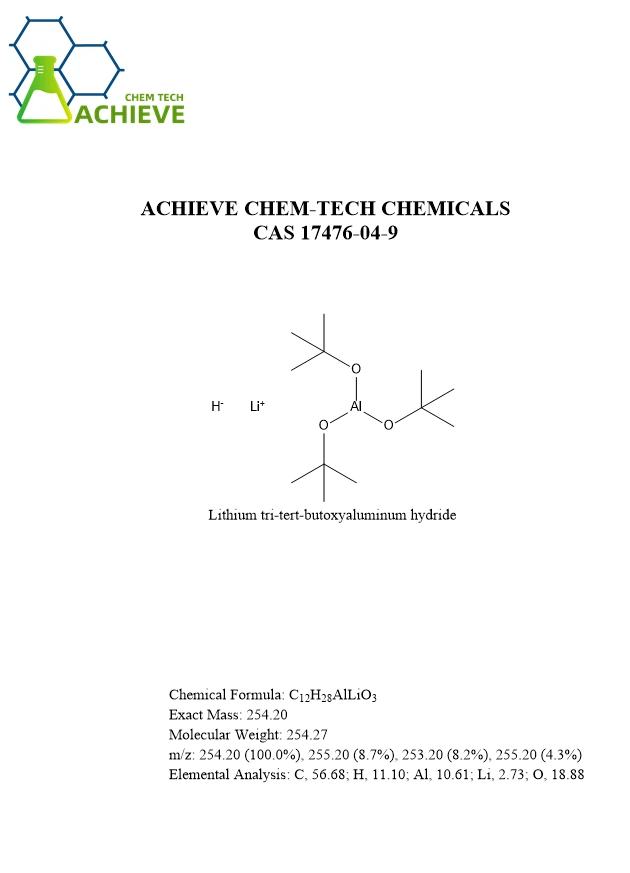
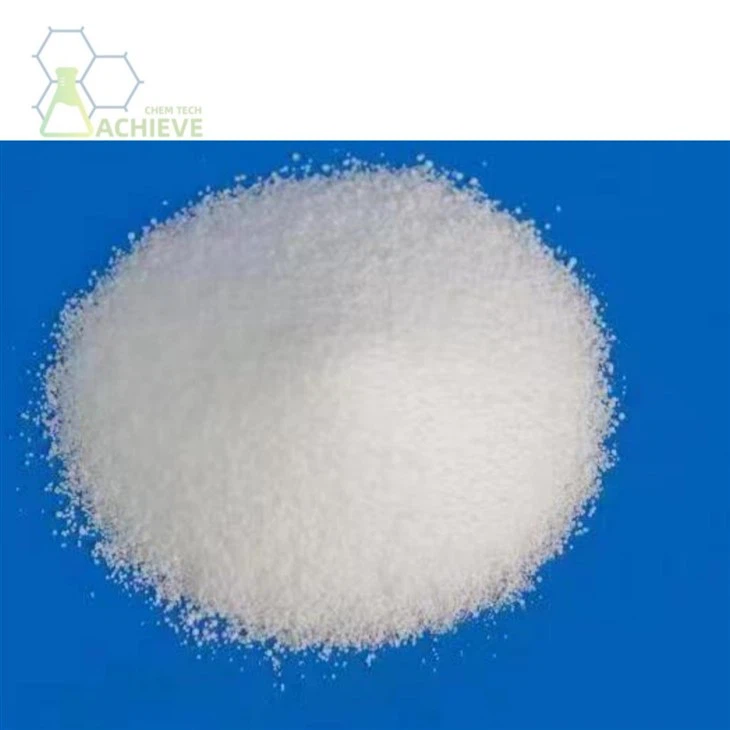
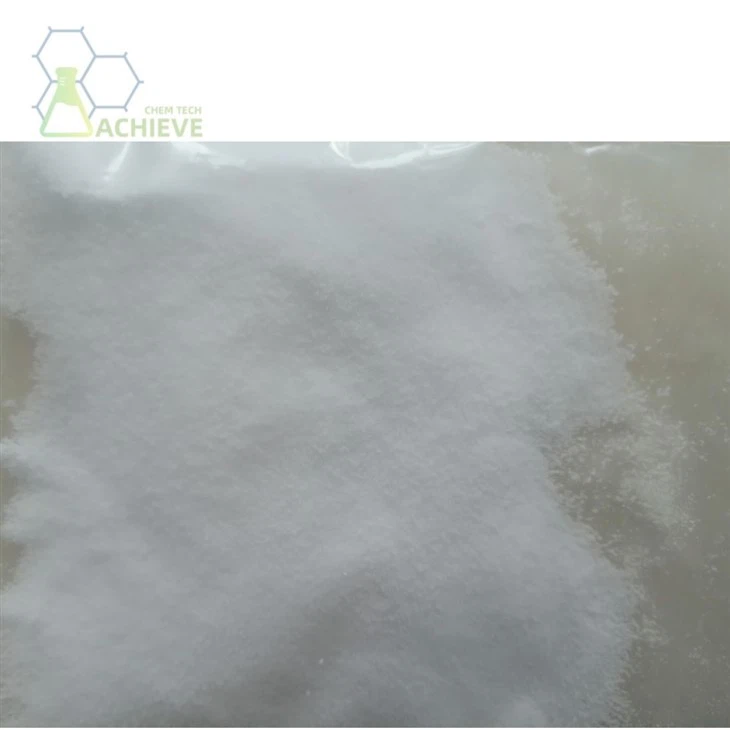
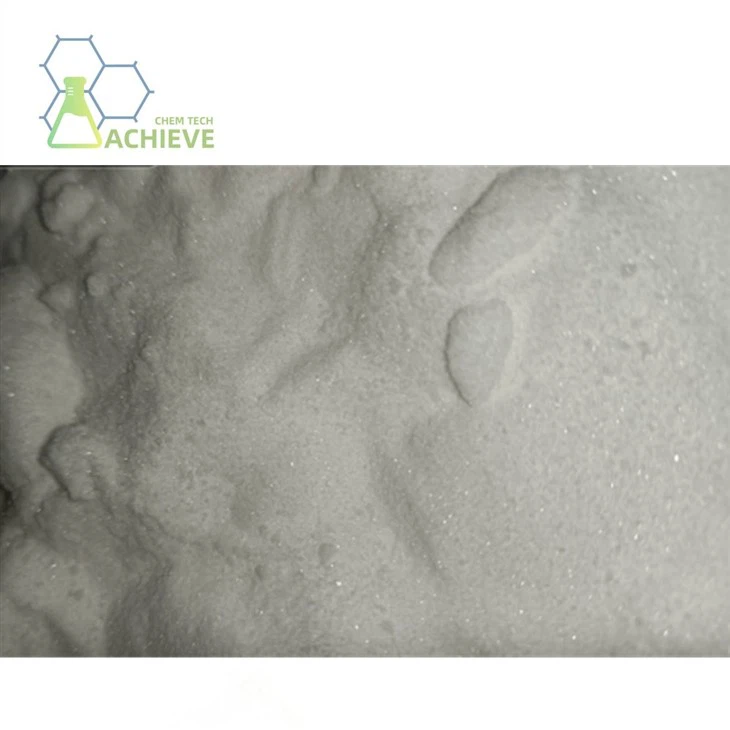
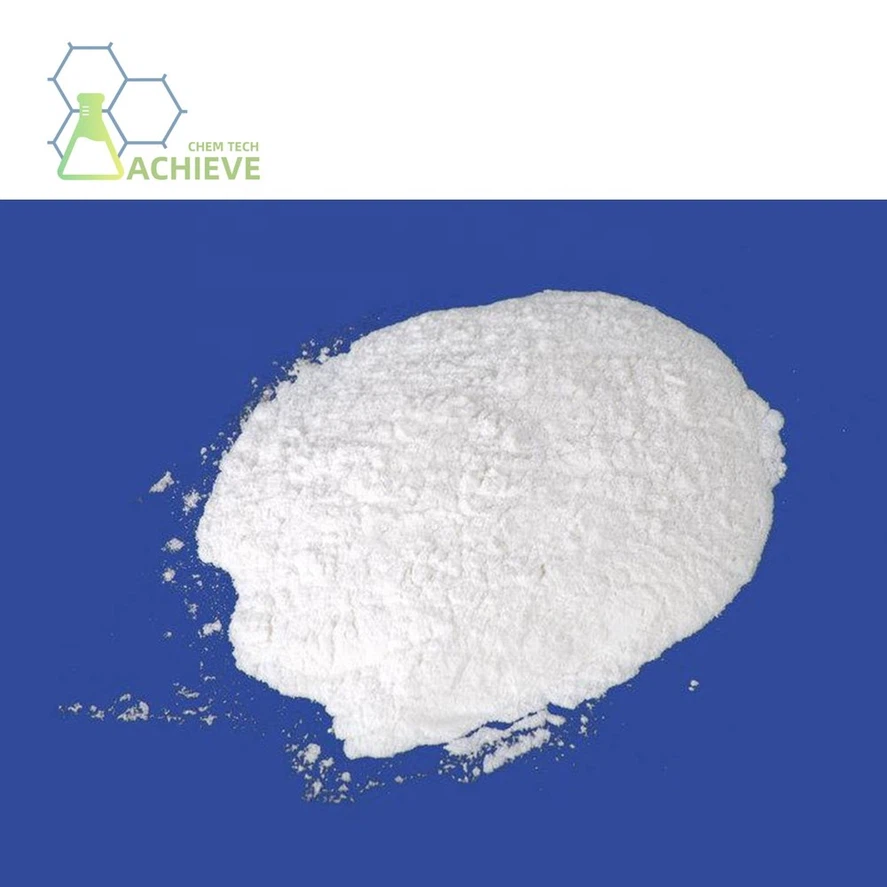
Lithium tri tert butoxyaluminum hydride (LTBA) is an organic metal compound. It is an important reducing agent with wide applications in organic synthesis. The appearance is usually a white to off white powder or solid, which may also be a colorless or light gray liquid (depending on the specific form and purity), soluble in certain organic solvents such as tetrahydrofuran (THF), and often used in solution form. It is a mild and highly selective reducing agent that can reduce ketones, aldehydes, and acyl chlorides at low temperatures (such as 0 ° C) without reducing fatty acid esters and nitriles. It can also reduce phenyl esters of fatty acids and cyclic acids, as well as tetrahydrofuran (ring opening), which is usually reacted under inert gas (such as argon) protection to avoid reacting with moisture and oxygen in the air. Mainly used for synthesizing organic molecules with biological activity, such as drug intermediates, participating in the construction of complex molecules, and improving synthesis efficiency. As a reducing agent, it also participates in various organic reactions.
Additional information of chemical compound:
|
Chemical Formula |
C12H28AlLiO3 |
|
Exact Mass |
254.20 |
|
Molecular Weight |
254.27 |
|
m/z |
254.20 (100.0%), 255.20 (8.7%), 253.20 (8.2%), 255.20 (4.3%) |
|
Elemental Analysis |
C, 56.68; H, 11.10; Al, 10.61; Li, 2.73; O, 18.88 |
|
Melting point |
300-319℃(dec.) (lit.) |
|
Boiling point |
66℃(THF) |
|
Density |
0.942 g/mL at 25℃ |
|
Storage Temperature |
2-8℃ |
 |
 |
Lithium tri tert butoxyaluminum hydride (LTBA), as a mild and highly selective organic metal reducing agent, has shown extensive application value in the field of organic synthesis. Its unique chemical properties enable it to efficiently reduce specific functional groups while avoiding interference with other sensitive groups, thus playing a key role in various fields such as medicine, fragrances, pesticides, dyes, and fine organic synthesis. The following is a detailed explanation of its purpose:

Applications in the field of pharmaceutical synthesis
In pharmaceutical synthesis, LTBA is often used to construct the core skeleton of complex organic molecules, especially in the synthesis of steroid ketones, nucleoside prodrugs, and anticancer drug intermediates. Its high selective reduction ability can precisely control the reaction pathway, improve the purity and yield of the target product. LTBA has important applications in the reduction process of steroid ketones.
For example, in the synthesis of nucleoside prodrugs for the treatment of hepatitis C virus (HCV), such as hydroxy-d-2 '- deoxy-2' - thiofluoro-2 '- chloro-C-methyl-3', 5 '- cyclophosphate, LTBA can selectively reduce specific functional groups in steroid ketones as a reducing agent, providing a key intermediate for subsequent functional group conversion. Its mild reaction conditions avoid the damage of other sensitive groups, ensuring the high efficiency and selectivity of synthesis. LTBA is one of the important raw materials for the production and treatment of cancer drug gemcitabine. In the synthesis pathway of gemcitabine, LTBA can efficiently reduce certain key intermediates and promote the generation of target products.


Application in the field of spice synthesis
In spice synthesis, LTBA is often used to construct organic molecules with specific aromas. Its high selective reducing ability can retain other sensitive groups in the molecule, ensuring that the aroma characteristics of the fragrance are not affected. LTBA performs well in synthesizing organic molecules with complex aromas. For example, when synthesizing certain fragrances with floral or fruity characteristics, LTBA can selectively reduce specific functional groups in the molecule while retaining other key functional groups, thereby ensuring the aroma characteristics of the fragrance.
Its mild reaction conditions avoid the destruction of molecular structure and improve the quality of spices. LTBA is also commonly used in the synthesis of spice intermediates. These intermediates play a crucial role in subsequent spice synthesis. The high selectivity of LTBA makes the synthesis of intermediates more efficient and reliable, providing strong support for the final synthesis of spices.


Application in the field of pesticide synthesis
In pesticide synthesis, LTBA is often used to synthesize organic molecules with specific biological activities. Its high selective reduction ability can ensure that the active groups of pesticide molecules are not damaged, while improving synthesis efficiency. LTBA has important applications in the synthesis of insecticides and herbicides. For example, when synthesizing certain organic molecules with high insecticidal or herbicidal activity, LTBA can selectively reduce specific functional groups in the molecule, retaining other key functional groups, thereby ensuring the activity of the pesticide.
Its mild reaction conditions and high selectivity make the synthesis process more controllable and efficient. LTBA is also commonly used in the synthesis of pesticide intermediates. These intermediates play a crucial role in the subsequent synthesis of pesticides. The high selectivity of LTBA makes the synthesis of intermediates more efficient and reliable, providing strong support for the final synthesis of pesticides. Meanwhile, its mild reaction conditions also reduce the generation of by-products, improving the purity and quality of pesticides.


Application in the field of dye synthesis
In dye synthesis, Lithium Tri Tert Butoxyaluminum Hydride is often used to synthesize organic molecules with specific colors and dyeing properties. Its high selective reduction ability can ensure that the chromophore groups of dye molecules are not damaged, while improving synthesis efficiency. LTBA has important applications in the synthesis of organic dyes. For example, when synthesizing certain dyes with bright colors and good dyeing performance, LTBA can selectively reduce specific functional groups in the molecule, retaining other key functional groups, thereby ensuring the color and dyeing performance of the dye. Its mild reaction conditions and high selectivity make the synthesis process more controllable and efficient.
LTBA is also commonly used in the synthesis of dye intermediates. These intermediates play a crucial role in the subsequent synthesis of dyes. The high selectivity of LTBA makes the synthesis of intermediates more efficient and reliable, providing strong support for the final synthesis of dyes. Meanwhile, its mild reaction conditions also reduce the generation of by-products, improving the purity and quality of the dye.


Directional reduction of acyl chloride to aldehyde
Acyl chlorides are the precursor materials for the majority of condensed ring dye aldehyde intermediates. Traditional hydrolysis and dimethyl sulfide reduction methods yield less than 72% and are accompanied by carboxylic acid by-products. The LTBA low-temperature (-15~0 ℃, THF system) hydrogen anion addition elimination mechanism can achieve almost quantitative conversion of acyl chlorides to aldehydes without excessive reduction to alcohol side reactions, making it the preferred industrial process for dye aldehyde intermediates.
Hydrogen anions dissociate from bonds, nucleophilic attack acyl chlorides with electron deficient carbonyl carbons, and carbonyl π electrons shift towards oxygen to form tetrahedral aluminum coordination intermediates;
The intermediate undergoes intramolecular elimination, and chloride ions detach as excellent leaving groups to regenerate carbonyl groups, obtaining aldehyde molecules in situ and complexing with aluminum;
Low temperature dilute hydrochloric acid quenching hydrolysis releases free aldehydes by breaking aluminum oxygen bonds. The byproduct of LTBA hydrolysis is tert butanol aluminum salt, which is easy to wash and separate. The purity of the aldehyde product is>96%, perfectly meeting the purity requirements of dye intermediates (dye raw material purity>95% is required to ensure subsequent condensation and color stability).


Steric hindrance shielding effect: Three tert butoxy groups prevent the second molecule LTBA hydrogen anion from attacking the aldehyde carbonyl group again, completely eliminating the excessive reduction of aldehyde to primary alcohol. This is a unique advantage of LTBA compared to other reducing agents, especially suitable for aromatic chloride dye raw materials with ester, cyanide, and bromine substitutions, such as the reduction of 3-cyano-4-bromobenzoyl chloride to prepare 3-cyano-4-bromobenzaldehyde. The cyanide and bromine atoms in the LTBA system are 100% retained, and the product yield is 93.7%; After reduction, the cyanide group is reduced to methylamine and bromine is removed, but the target dye intermediate cannot be obtained.
Stereoselective reduction of cyclic ketones to generate chiral secondary alcohols
Thickened cyclic ketones are the core skeleton of chiral liquid crystal dyes and chiral solvent dyes. LTBA relies on the steric hindrance of tert butoxy groups to differentially attack both sides of the cyclic ketone carbonyl group, achieving dynamic stereoselective reduction and preferentially generating single configuration chiral secondary alcohols. The diastereoselectivity (dr) can reach 91:9 or above, without the need for subsequent chiral splitting, significantly reducing the production cost of chiral dyes.


Mechanism core: LTBA major steric hindrance groups preferentially attack hydrogen anions from the carbonyl side with smaller ring ketone steric hindrance, generating dominant configuration hydroxyl groups. For dye heterocyclic ketone substrates such as anthraquinone cyclic ketone and indoline cyclic ketone, the 0 ℃ diethylene glycol dimethyl ether system has the best stereoselectivity and is currently the mainstream process route for directional synthesis of chiral dye intermediates in industry. Compared with enzyme catalytic reduction process, it has lower equipment investment and larger production scale.
Functional group compatibility with underlying logic
LTBA has only one active hydrogen and three tert butoxide steric hindrance, resulting in a large overall volume of the reagent that cannot approach the crowded ester carbonyl, cyano carbon, nitro carbon, and aromatic C-X bonds. Therefore, when reducing acyl chlorides/cyclic ketones, the following dye characteristic functional groups within the molecule are completely stable and not reduced:
Carboxylic acid alkyl ester COOR (R=CH3/C2H5), lactone ring (dye intramolecular chromophore bond);


-CN cyanide group (key conjugated group for cyanine dyes and disperse dyes);
-NO2 nitro (diazonium precursor group for azo dyes);
Aromatic Cl/Br/I halogens (sublimation resistant substituents for dispersed dyes);
C=C, C=N unsaturated conjugated double bonds (dye coloring core skeleton);
Only benzyl benzoate can be selectively reduced to aldehydes by LTBA under heating conditions (25 ℃). This characteristic is used in the synthesis of some special structure coumarin dye intermediates, and the alkyl ester is not affected throughout the entire process, achieving precise hierarchical reduction.
Synthesis of anthraquinone based high-end dispersion/solvent dye intermediates
Anthraquinone dyes, with their advantages of sun resistance, sublimation resistance, and bright color, are the mainstream varieties of high-end chemical fiber dispersed dyes and ink solvent dyes. Anthraquinone mother cores often contain substituents such as bromine, chlorine, cyanide, and esters, and their aldehyde intermediates cannot be prepared by reduction. It is the most core landing scenario for lithium tri tert btutoxyaluminum hydride in the dye field. Multiple anthraquinone dye factories in Jiangsu and Zhejiang provinces in China have fully replaced traditional reduction processes.


Raw materials: 1-cyano-4-bromoanthraquinone-2-formyl chloride (containing cyanide, bromine atoms, and anthraquinone conjugated double bonds), process: -10 ℃ THF inert nitrogen protection, 1.05 equivalents of LTBA slowly added dropwise, kept at room temperature for 3 hours, quenched with dilute ice water, 1-cyano-4-bromoanthraquinone-2-carboxaldehyde precipitated, yield 92.4%, zero loss of cyanide and bromine atoms, and complete retention of anthraquinone conjugated skeleton; This aldehyde is a key intermediate of red high-end dispersed anthraquinone dye, which subsequently condenses with aromatic amines to form the target chromophore; The traditional sodium sulfide reduction method has a yield of only 67%, accompanied by by-products such as debromination and cyanide hydrolysis. The dye color is dim and cannot be used for high-end fabric dyeing.
Preparation of chiral solvent dyes by chiral reduction of anthraquinone cyclic ketone
A five membered cyclic ketone substituted anthraquinone substrate was used for stereoselective reduction of LTBA in 0 ℃ diethylene glycol dimethyl ether, resulting in the formation of S-configuration chiral secondary alcohols. Subsequently, esterification modification was carried out to obtain liquid crystal dichromatic anthraquinone dyes, which are used for coloring polarizing plates in liquid crystal displays. The domestic production of such chiral dyes was previously limited by the inability of intermediates to selectively reduce them.

Frequently Asked Questions
What is the difference between this reagent and ordinary "lithium aluminum hydride"?
+
-
The difference mainly lies in reaction activity and selectivity: one is a "heavy hammer" and the other is a "surgical knife".
Lithium aluminum hydride (LAH): highly reactive and indiscriminate attack. It can reduce various functional groups such as esters, amides, carboxylic acids, nitriles, etc. to alcohols or amines, and the reaction is usually uncontrollable, directly reducing acyl chlorides to primary alcohols.
Tri tert butoxide lithium aluminum hydride (LTBA): By introducing three large volume tert butoxide groups, the reaction center is greatly passivated. It is more like a 'surgical knife', which can accurately cut the carbon chlorine bond in acyl chloride, leaving it at the aldehyde step, while turning a blind eye to ester and nitrile groups.
Simply put, when aldehydes need to be prepared from acyl chlorides in synthesis, and the molecule contains ester groups that are afraid of reduction, it is the best choice.
Is it a solid or a liquid? How to store?
+
-
There are various forms of market sales, including solid powders and homogeneous solutions, but the storage conditions are extremely strict.
Physical form: Pure product is a white to off white crystalline powder. For the convenience of laboratory use, tetrahydrofuran (THF) or toluene solution is usually provided, with a concentration of 1M or higher.
Storage key point (extremely important): It is extremely sensitive to air and moisture, reacts violently with water, and releases flammable hydrogen gas.
Inert atmosphere: It must be stored in a sealed container filled with nitrogen or argon to prevent moisture from entering the air.
Low temperature and water avoidance: Although its solid can be stored below 20 ° C, it must be strictly moisture-proof after opening. If in solution form, it is recommended to refrigerate under inert gas protection.
What are its main advantages in synthesis?
+
-
The main advantages are excellent "chemical selectivity" and mild reaction conditions.
In the synthesis of complex molecules, it is often necessary to modify specific functional groups without affecting other parts. The three major advantages of this reagent make it a classic reducing agent:
Accurate reduction: At temperatures of 0 ° C or lower, it only has high reactivity towards acyl chlorides, converting them into aldehydes; And there is almost no reaction with ester, nitrile, nitro and other functional groups.
Mild reaction: Compared to the intense heat release that LAH may bring, its reaction is easier to control and avoids side reactions.
Stop at the aldehyde step: It does not provide excess "excessive impact" like LAH, solving the problem of easy over reduction to alcohols when preparing aldehydes from acyl chlorides.
Hot Tags: lithium tri tert butoxyaluminum hydride cas 17476-04-9, suppliers, manufacturers, factory, wholesale, buy, price, bulk, for sale, Cinchonine, sulfosalicylic acid powder, 2-bromo-3-hexylthiophene, Polymerization inhibitor 510 NPAL , 6 Aminocaproic Acid CAS 60 32 2, DELTA9 TETRAHYDROCANNABIVARIN CAS 31262 37 0