


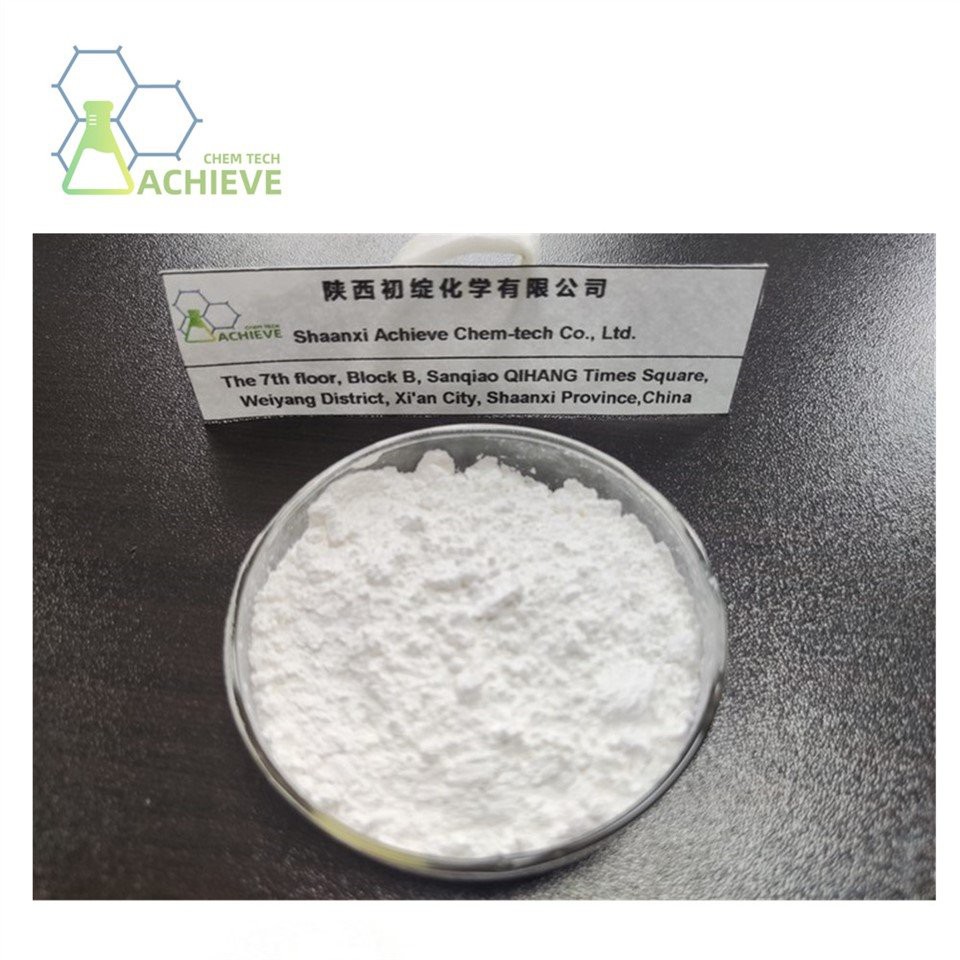


Shaanxi BLOOM Tech Co., Ltd. is one of the most experienced manufacturers and suppliers of tetraethylammonium bromide cas 71-91-0 in China. Welcome to wholesale bulk high quality tetraethylammonium bromide cas 71-91-0 for sale here from our factory. Good service and reasonable price are available.
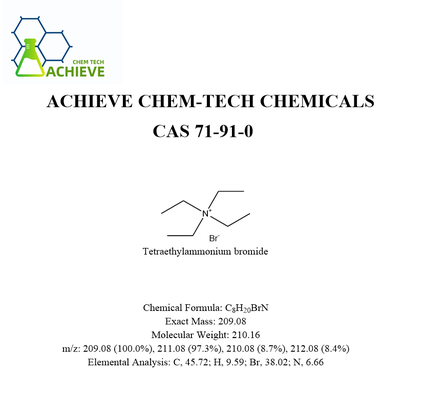
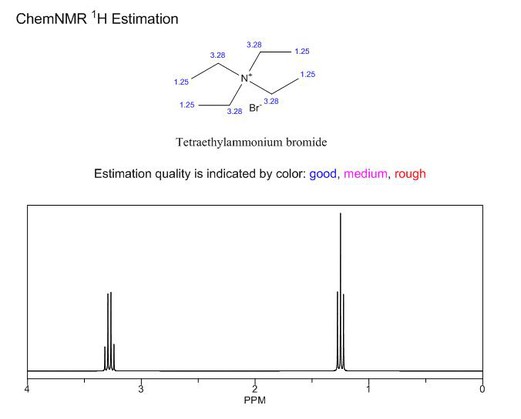
Tetraethylammonium bromide is an organic compound, CAS 71-91-0, with the molecular formula C8H20NBr. Usually a white or slightly yellowish crystalline powder with no special odor or taste. It is a strong alkaline weak acid salt with weak alkalinity. In water, it can dissociate into tetraethylammonium cations and bromine ions. It is a stable compound that is not prone to chemical reactions. But under certain conditions, it can react with certain substances, such as reacting with acids to produce corresponding tetraethyl ammonium salts.

|
|
|
|
Chemical Formula |
C8H20BrN |
|
Exact Mass |
209.08 |
|
Molecular Weight |
210.16 |
|
m/z |
209.08 (100.0%), 211.08 (97.3%), 210.08 (8.7%), 212.08 (8.4%) |
|
Elemental Analysis |
C, 45.72; H, 9.59; Br, 38.02; N, 6.66 |
It has a wide range of applications in organic synthesis, drug preparation, analytical chemistry, and other fields. It can be used as a phase transfer catalyst, ionic liquid, etc. in various chemical reactions. It can also be used as a polarographic analysis reagent and preparation of pesticide intermediates, sometimes used to test gold, iridium, palladium, rhodium, and ruthenium. At present, the yield of synthesized products is not high without adding advanced equipment and increasing the technical requirements of operators.

Tetraethylammonium bromide (TEAB) is an important quaternary ammonium salt compound with the chemical formula (C ₂ H ₅) ₄ NBr, a molecular weight of 210.16, and a CAS number of 71-91-0. Easy to dissolve in water, ethanol, chloroform, and acetone, slightly soluble in benzene, hygroscopic, and requires sealed and dry storage during storage and transportation. Due to its unique chemical properties, the following will provide a detailed analysis of its main uses:
Chemical analysis and testing field
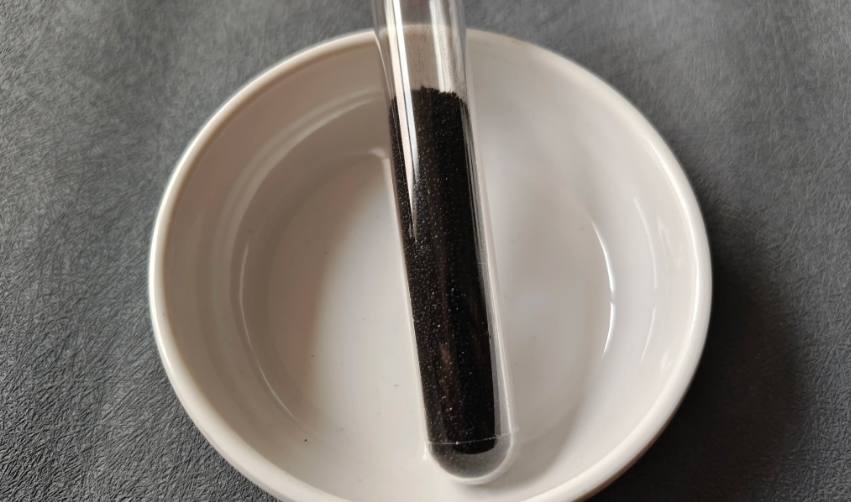
Application in Polarographic Analysis
Polarographic analysis is an analytical method based on electrochemical principles, which determines the concentration of ions in a solution by measuring the current voltage curve. In polarographic analysis, TEAB is often used as a polarographic reagent, whose core function is to significantly improve the sensitivity and accuracy of analysis by forming stable complexes or changing the kinetic process of electrode reactions. For example, in the determination of precious metal ions such as gold, iridium, osmium, palladium, rhodium, and ruthenium, TEAB can form a complex with specific electrochemical properties with the target ion.
Making the polarographic wave clearer and sharper, thereby reducing background current interference and improving the accuracy of quantitative analysis. In environmental monitoring, TEAB is used to detect trace heavy metal ions in water or soil. For example, in the process of treating mine wastewater, the combination of polarography and TEAB reagent can quickly determine the content of heavy metals such as cadmium and lead in the wastewater, providing data support for optimizing the wastewater treatment process. In geological exploration, this reagent can also be used to analyze platinum group elements in rock samples, assisting in determining the genesis and grade of mineral deposits.


Application in ion pair chromatography analysis
Ion pair chromatography is a chromatographic technique based on the interaction forces between ions. By adding reagents that form ion pairs with the target ions (i.e. ion pair reagents) to the mobile phase, the retention behavior of the target ions on the chromatographic column is changed, thereby achieving effective separation of ions in complex samples. TEAB, as a quaternary ammonium salt compound, has a positively charged tetraethylammonium cation that can form an ion pair with a negatively charged organic acid ion, enhancing the retention ability of the target ion on the reverse phase chromatography column.
In the field of pharmaceutical analysis, tetraethylammonium bromide is used for the separation and determination of organic acid components in compound formulations. For example, in the quality control of aspirin caffeine tablets, TEAB is used as an ion pair reagent to achieve baseline separation of caffeine (pKa=10.4) and aspirin hydrolysate salicylic acid (pKa=3.0). The analysis time is shortened to within 10 minutes, and the quantification limit is below 0.1 μ g/mL. In environmental monitoring, this reagent can also be used to separate halogenated organic acids such as trichloroacetic acid (TCA) and dichloroacetic acid (DCA) in water samples, with a detection limit of ng/L.


Application in High Performance Liquid Chromatography Analysis
High performance liquid chromatography (HPLC) is a separation technique based on the difference in distribution coefficients of solutes between the stationary and mobile phases. TEAB is mainly used as a mobile phase additive or ion pair reagent in HPLC. Its mechanism of action includes: reducing the adsorption of target compounds on the chromatographic column through ion pair action, eliminating peak tailing phenomenon; Enhance the retention difference between target ions and impurity ions to achieve effective separation in complex matrices;
Optimize the separation efficiency of specific compounds by changing the ion pair reagent type or concentration. TEAB is used for the separation and determination of highly polar drugs in plasma drug concentration monitoring. For example, in the determination of preservatives benzoic acid (pKa=4.2) and sorbic acid (pKa=4.76) in beverages, the TEAB methanol phosphate buffer system can be used to complete separation within 15 minutes, with a linear range covering 0.1-100 μ g/mL, meeting the requirements of the national standard GB 5009.28-2016.


Special Applications in Metal Ion Detection
TEAB exhibits unique advantages in gold ion detection. By forming a stable [Au (TEA) ₂] ⁺ complex with Au ⁺, the polarographic response signal of gold ions can be significantly enhanced. In the potassium chloride acetic acid buffer system (pH 5.2), the half wave potential of the complex is -0.35 V (vs. SCE), and the detection limit can reach 5 × 10 ⁻⁹ mol/L. In practical applications, this method has been successfully used for the determination of gold content in ore leachate, with a recovery rate between 97-103% and a relative standard deviation (RSD) of less than 2.5%.
For the detection of palladium ions, TEAB can form a red complex Pd (TEA) ₂ Br ₄ through coordination, with a maximum absorption wavelength at 520 nm and a molar absorptivity of 1.2 × 10 ⁴ L · mol ⁻¹ · cm ⁻¹. In a hydrochloric acid medium with pH 2.5, the stability constant of the complex is log β=18.6, which is suitable for colorimetric determination of palladium content in automotive exhaust catalysts, with a linear range covering 0.1-5 μ g/mL.

Polymer materials field

As a curing accelerator for polymer polymerization
The curing process of polymer typically involves the formation of a three-dimensional network structure through chemical reactions of monomers or prepolymers. The function of curing accelerators is to accelerate this process by reducing the activation energy or providing reactive sites to promote crosslinking reactions. TEAB, as a quaternary ammonium salt compound, has a cationic portion that can form ion pairs with anionic groups on polymer chains, thereby altering the mobility of chain segments and promoting reactions between them. In addition, the bromide ion portion of TEAB may participate in initiating or catalyzing reactions, further accelerating the curing process.
Epoxy resin is an important thermosetting polymer material widely used in coatings, adhesives, composite materials, and other fields. The curing process usually requires the use of curing agents and accelerators. TEAB can be used as a latent curing accelerator for epoxy resins, in combination with epoxy resins and amine curing agents. At low temperatures, TEAB forms a stable ion pair with the curing agent, inhibiting the reaction; When the temperature rises, ion pairs dissociate, releasing active curing agents and triggering rapid curing. This method not only improves the curing efficiency, but also extends the shelf life of epoxy resin, making it easier to carry out construction operations.


Powder coating is a solvent-free environmentally friendly coating, and its curing process relies on thermal or photo initiation. TEAB can be used as a curing accelerator for powder coatings, especially in resin systems containing carboxyl or hydroxyl groups. Its mechanism of action includes: forming ion pairs with acidic groups in the resin, reducing the glass transition temperature of the resin, and promoting chain segment movement; Bromine ions may participate in esterification or cross-linking reactions, accelerating the curing process.
Experiments have shown that adding 0.5-2 wt% TEAB can reduce the curing temperature of powder coatings by 10-20 ℃, shorten the curing time by 30-50%, while maintaining the mechanical properties and chemical resistance of the coating. Acrylic resin has excellent transparency, weather resistance, and processability, but its slow curing speed limits its application in the field of rapid prototyping.


TEAB can be used as a promoter for photocuring acrylic resin, in combination with a photoinitiator. Under UV irradiation, the cationic portion of TEAB can form complexes with free radicals or cations generated by the photoinitiator, promoting chain growth reactions. In addition, TEAB can improve the rheological properties of the resin, enhance the flatness and adhesion of the coating through ion pairing.
As a molecular sieve template agent
Molecular sieve is a porous material with a regular pore structure, widely used in catalysis, adsorption, separation and other fields. Its synthesis usually requires the use of a template agent, which guides the formation of the molecular sieve skeleton through the interaction between the template agent and the inorganic source. The mechanism of action of TEAB as a quaternary ammonium salt template includes: the cationic part of TEAB can form ion pairs with inorganic aluminosilicate precursors, guiding the formation of specific pore structures;
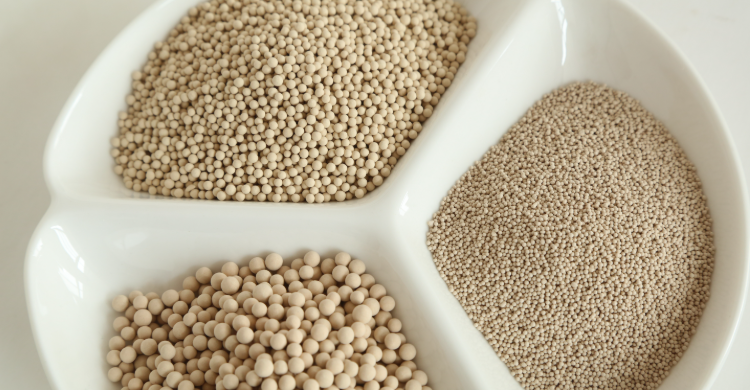

TEAB has a relatively large molecular size and can occupy specific positions during the synthesis process, preventing the formation of other structures and thus controlling the pore size and topological structure of the molecular sieve; The bromide ion of TEAB can balance the charge in the synthesis system and stabilize the intermediate structure.
As a molecular sieve template agent
SBA-15 is a mesoporous molecular sieve with a two-dimensional hexagonal pore structure, characterized by a large pore size (5-30 nm) and high specific surface area. TEAB can be used as a common mode plate agent for SBA-15 synthesis, in combination with triblock copolymers (such as P123). Under acidic conditions, the cationic portion of TEAB forms ion pairs with the silicon source, promoting the condensation reaction of silicon species, while also forming micelles with P123 to jointly guide the formation of mesoporous structures.
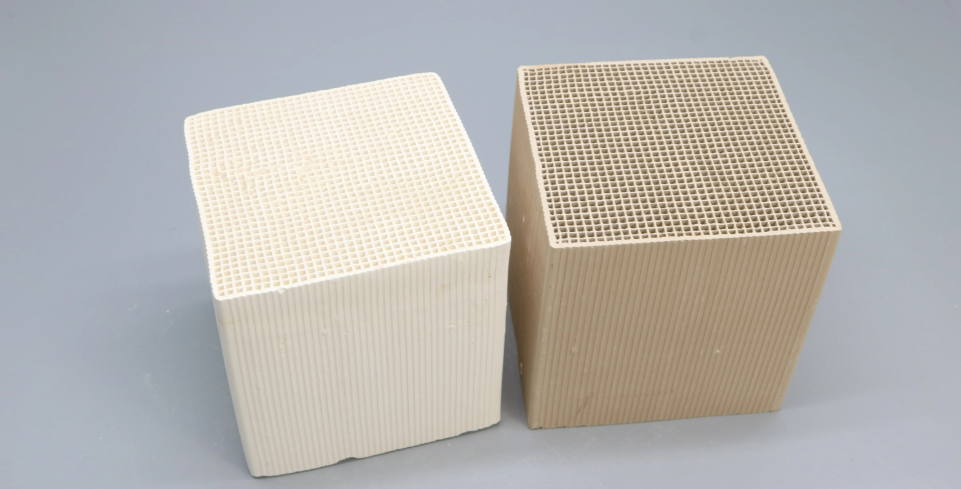
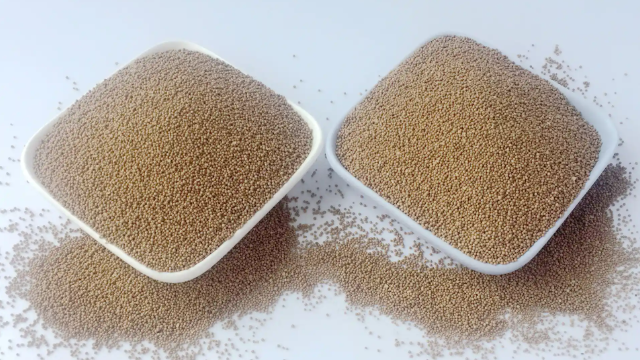
Research has shown that the addition of TEAB can significantly improve the pore wall thickness and thermal stability of SBA-15, making it suitable for macromolecular catalytic reactions and adsorption separation. Zeolite molecular sieve membrane is an inorganic membrane material with molecular sieving function, widely used in gas separation and pervaporation fields. Tetraethylammonium bromide can be used as a template for the synthesis of zeolite molecular sieve membranes, guiding the directional growth of zeolite crystals by controlling the composition of the seed layer and synthesis solution.
FAQ
What is tetrabutylammonium bromide used for?
Tetrabutylammonium bromide (TBAB) is a quaternary ammonium salt with a bromide commonly used as a phase transfer catalyst. It is used to prepare many other tetrabutylammonium salts by salt metathesis reactions. The anhydrous form is a white solid.
What does tetrabutylammonium bromide do?
This compound is commonly used as a phase transfer catalyst in organic chemical reactions, facilitating the transfer of reactants between immiscible phases. It is also used as a surfactant and dispersant in various industrial applications, for example in the production of coatings, adhesives and polymers.
Is tetrabutylammonium bromide toxic?
Harmful if swallowed. Irritating to skin. Risk of serious damage to eyes. Toxic to aquatic organisms.
What is the use of Tetraethylammonium bromide?
Tetraethylammonium bromide may be used: As an organic template for synthesizing zeolite beta via hydrothermal crystallization. As a catalyst for the oxidative coupling of aldehydes or alcohols with thiophenols or disulfides to form thioesters.
Hot Tags: tetraethylammonium bromide cas 71-91-0, suppliers, manufacturers, factory, wholesale, buy, price, bulk, for sale, Cerium sulfate powder, 1 AMINO 2 NAPHTHOL 4 SULFONIC ACID, Consumable, CHICAGO SKY BLUE 6B, Iridium III chloride