


As metabolic health treatments evolve, compounds targeting cellular energy regulation show promise. 5 amino 1mq peptide injection has attracted research interest for improving fat metabolism by inhibiting nicotinamide N-methyltransferase (NNMT). Elevated NNMT activity degrades methyl groups and nicotinamide needed for NAD+ production, reducing cellular energy efficiency and promoting fat accumulation. This injection blocks NNMT activity, affecting multiple metabolic pathways including lipolysis and metabolic flexibility. Early research suggests NNMT modulation may influence both direct fat breakdown and broader metabolic adaptation, warranting further investigation.
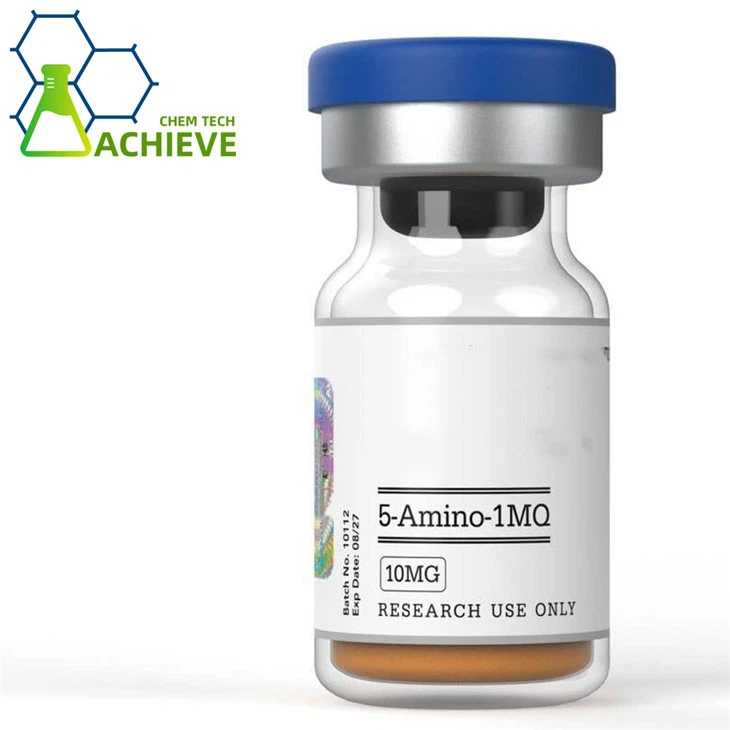
5-amino-1mq Injection
1.General Specification(in stock)
(1)API(Pure powder)
(2)Tablets
(3)Injection
(4)Capsules
(5)Oral Drops
2.Customization:
We will negotiate individually, OEM/ODM, No brand, for secience researching only.
Internal Code: BM-3-113
5-amino-1MQ\NNMTi\5-amino-1-methylquinolinium\5-Amino-1-methylquinolinium chloride CAS 42464-96-0
Manufacturer: BLOOM TECH Xi'an Factory
Main market: USA, Australia, Brazil, Japan, Germany, Indonesia, UK, New Zealand , Canada etc.
We provide 5 amino 1mq peptide, please refer to the following website for detailed specifications and product information.
Product:https://www.bloomtechz.com/oem-odm/injection/5-amino-1mq-injection.html

What Is 5 amino 1mq peptide injection and How Does It Work at the Enzyme Level?
The Molecular Structure and Enzymatic Target
5-amino-1-methylquinolinium acts as a small-molecule inhibitor targeting NNMT, which uses S-adenosylmethionine to methylate nicotinamide. The quinolinium ring structure mimics nicotinamide, competitively binding the active site without undergoing methylation. Research-grade material requires >98% purity for reproducible results. Inhibitory constant values demonstrate moderate binding affinity enabling dose-dependent NNMT modulation. Biotechnology research groups rely on consistent batch quality when studying downstream metabolic effects.


Inhibition Mechanism and Methylation Pathway Disruption
NNMT converts nicotinamide to N1-methylnicotinamide while consuming SAM, depleting cellular methyl pools essential for DNA methylation, histone modification, and phosphatidylcholine production. Elevated NNMT expression in metabolically dysfunctional adipose tissue suggests excessive activity may contribute to metabolic conditions. 5-amino-1-methylquinolinium slows nicotinamide methylation, redirecting nicotinamide to the NAD+ salvage pathway via NAMPT. Maintaining nicotinamide availability supports NAD+ levels, affecting mitochondrial function and energy utilization.
Tissue Distribution and Pharmacological Considerations
NNMT expression varies across tissues, with highest levels in adipose tissue and liver, suggesting tissue-specific metabolic effects of inhibition. The injection delivery enables controlled administration with defined pharmacokinetic parameters. Research requires comprehensive analytical data including HPLC purity profiles, mass spectrometry confirmation, and stability specifications. Pharmaceutical investigators evaluating metabolic modulators must understand binding kinetics, selectivity, and off-target effects. Quinolinium structure must demonstrate sufficient NNMT selectivity over other methyltransferases for meaningful biochemical studies.


How Does 5 amino 1mq injection Support NAD+ Preservation and Cellular Energy Production?

The NAD+ Salvage Pathway Connection
NAD+ is essential for cellular energy production through redox reactions in glycolysis, the citric acid cycle, and oxidative phosphorylation. The salvage pathway recycles nicotinamide back to NAD+ through enzymatic steps. Elevated NNMT activity diverts nicotinamide from this pathway, converting it to N1-methylnicotinamide for excretion. 5-amino-1-methylquinolinium inhibits NNMT, increasing nicotinamide availability for NAMPT conversion to NMN, which is then adenylated to NAD+. Restoring cellular NAD+ supports mitochondrial respiration and sirtuin enzyme function.
Mitochondrial Function and Energy Expenditure
Because mitochondria constantly use NAD+ while the electron transport chain works, they are very sensitive to changes in the amount of NAD+ available. In metabolic research sites, studies have shown that blocking NNMT is linked to higher rates of mitochondrial respiration and higher oxygen usage. These changes point to a higher ability to make cardio ATP, which could change how much energy people use generally.Direct NAD+ precursor supplementing techniques are different from the 5 amino 1mq peptide injection method for keeping NAD+ levels high.


Instead of adding more substrate, it lowers the metabolic drain that comes from too much nicotinamide methylation. Endogenous metabolic pathways are kept alive by this process, which also lets cells keep control of NAD+ levels. Biotechnology companies that make metabolic health products are becoming more and more aware of how important it is to deal with upstream enzyme bottlenecks instead of just adding to downstream molecules.
Sirtuin Activation and Metabolic Regulation
NAD+-dependent sirtuin deacetylases regulate gene expression, DNA repair, and metabolic adaptation.
NNMT inhibition indirectly supports sirtuin function across tissues by maintaining NAD+ availability. SIRT1 modulates transcriptional programs controlling lipid metabolism, mitochondrial biogenesis, and insulin sensitivity. Research-grade 5 amino 1mq peptide injection enables controlled study of NAD+-sirtuin-metabolism connections. Pharmaceutical intermediate providers must supply compounds with verified purity and comprehensive impurity profiles ensuring reproducible experimental outcomes.

Fat Metabolism Activation Through 5 amino 1mq: Why NNMT Inhibition Influences Lipid Utilization?

Adipose Tissue NNMT Expression and Metabolic Phenotype
Elevated NNMT activity may impair lipolysis and fat oxidation, creating metabolic conditions favoring energy storage. Mechanisms involve SAM depletion reducing phosphatidylcholine synthesis, affecting lipid droplet dynamics and VLDL assembly. Reduced NAD+ limits NAD+-dependent enzymes in beta-oxidation pathways including key dehydrogenases. These factors collectively create a metabolic environment favoring fat storage over utilization.
Beta-Oxidation Enhancement and Fatty Acid Flux
Beta-oxidation requires NAD+ as cofactor in multiple steps, making it sensitive to cellular NAD+ availability. NNMT inhibition maintains NAD+ levels, enabling sustained beta-oxidation rates and fatty acid flux through oxidative pathways. Sirtuin activity affects PPAR-α expression and target genes encoding fatty acid transport and oxidation enzymes. This transcriptional layer amplifies metabolic effects of elevated NAD+, producing durable changes in lipid handling capacity. Compounds affecting multiple regulatory levels may produce more robust effects than single-process modulators.


Cellular Lipid Droplet Dynamics
Adipocytes store triacylglycerols in lipid droplets, which are specialized structures. The size and rate of change of these droplets show how lipogenesis and lipolysis are balancing out. The protein coat around these droplets has enzymes and regulatory factors that manage the movement of lipids. Researchers have found that blocking NNMT may change the proteins that make up lipid droplets and the activity of lipases that break down triacylglycerol.Hormone-sensitive lipase and adipose triglyceride lipase break down triacylglycerols into free fatty acids and glycerol when cells get messages to use stored lipids.
Once these fatty acids are free, they either go through beta-oxidation or get into the bloodstream so that other cells can use them. The 5 amino 1mq peptide injection method for blocking NNMT may improve this lipolytic cascade by making NAD+-dependent signaling better and improving the function of the methylation pathway. Pharmaceutical companies working on metabolic health treatments are becoming more aware that changing the behavior of lipid droplets is a different way to work than using standard thermogenic agents.


5 amino 1mq injection and Body Recomposition: Shifting the Balance Between Fat Storage and Lean Mass Efficiency

Metabolic Partitioning of Energy Substrates
The body continuously partitions nutrients toward oxidation, storage as glycogen or fat, or conversion to structural proteins. This partitioning depends on hormonal signals, nutrient availability, and cellular energy status. NNMT activity affects this balance through NAD+ metabolism and methylation pathway flux. Elevated NNMT may shift partitioning toward storage, while inhibition promotes oxidative disposal. Body recomposition requires tissue-specific substrate handling enabling fat loss while preserving lean mass through coordinated metabolic changes.
Muscle Tissue Energy Efficiency and Performance
When a person is lean, skeletal muscle is the main metabolic region. This muscle is also very flexible and can respond to changes in diet and medication. Muscle mitochondria use up NAD+ when they make oxygen ATP and when they recover from lactate-making high-intensity movements. By blocking NNMT, muscle NAD+ supply may be maintained, which may help with long-term contractile function and faster healing between workouts.The 5 amino 1mq peptide injection mechanism indirectly helps muscle performance by making it easier .


Insulin Sensitivity and Nutrient Handling
NNMT inhibition-induced metabolic changes may affect cellular insulin signaling responses. NAD+-dependent processes intersect insulin pathways at multiple points, including sirtuin-mediated deacetylation of signaling intermediates. Enhanced insulin sensitivity enables more efficient glucose uptake at lower insulin levels, reducing pancreatic beta cell demand and insulin-driven adipose storage. Upstream metabolic limitation strategies may provide better long-term tolerability than direct signaling activators in pharmaceutical development.
Metabolic Adaptation With 5 amino 1mq: How Cellular Energy Efficiency Changes Over Time?
Transcriptional Reprogramming and Metabolic Gene Expression
Chronic NNMT inhibition induces transcriptional adaptations to altered NAD+ availability and methylation pathway flux. Gene expression profiling reveals effects on mitochondrial function, lipid utilization, and stress response genes. Adipose tissue shows strongest changes with upregulated oxidative metabolism genes and downregulated lipogenic pathways. Liver tissue responds with modified gluconeogenesis and lipid export genes. These tissue-specific responses aggregate to systemic metabolic changes accumulating during sustained compound administration.


Mitochondrial Biogenesis and Oxidative Capacity
Increased mitochondrial mass and function represent a key adaptation to sustained NNMT inhibition. Elevated NAD+ and improved sirtuin signaling enable mitochondrial biogenesis through PGC-1α activation. Sirtuins regulated by NAD+ control this transcriptional coactivator, turning on mitochondrial gene expression. This cascade produces new mitochondria with complete electron transport chains
and beta-oxidation machinery, increasing total cellular oxidative capacity.

Metabolic Flexibility and Substrate Switching
Metabolic flexibility is the ability of cells and tissues to change the rate at which they burn fuel based on the supply of substrates and their energy needs. People who are metabolically rigid, which is a common sign of metabolic failure, have trouble switching between burning glucose and fat. Because of this stiffness, substrate oxidation isn't finished, and lipid intermediates build up, which stops insulin from communicating properly.The changes that happen when NNMT is blocked for a long time seem to improve metabolic flexibility in more than one way.


More mitochondria means that all types of substrates can be oxidized more efficiently. More NAD+ makes sure that there are enough cofactors, no matter which oxidation process is going on.Better insulin sensitivity lets the body get rid of glucose more efficiently when it's high in carbohydrates, and better lipolysis and beta-oxidation help the body use fat when it's low on energy or fasting.These combined changes make a metabolic pattern that can handle substrates well in a range of nutritional situations. The 5 amino 1mq peptide injection method for making these changes is very different from treatments that drive certain metabolic states.
Conclusion
Looking into 5 amino 1mq peptide injection (5-amino-1-methylquinolinium) as a metabolic regulator shows complex links between controlling enzymes, the energy patterns of cells, and the handling of substrates throughout the body. This substance changes the methylation pathway flux and NAD+ metabolism by blocking NNMT in a particular way. This has effects further down the line that affect many parts of how cells work. Preserving NAD+ helps mitochondrial oxidative capacity, sirtuin-mediated gene control, and better fatty acid oxidation, all of which lead to more metabolic flexibility.The ability to comprehend these processes gives researchers and companies that make medicines useful information for improving metabolic health interventions. The way NNMT is expressed in different tissues and the changes that happen gradually when it is blocked suggest that focused metabolic reprogramming might be possible. As more study is done to fully understand NNMT's part in metabolism, chemicals like 5-amino-1-methylquinolinium may help come up with new ways to fix metabolic problems and improve body composition.
FAQ
1. What is the 5 amino 1mq peptide injection that makes it different from other biological chemicals?
Its unique quality is that it targets NNMT enzyme activity in a very specific way. Instead of directly increasing thermogenesis or stopping certain receptors, it fixes a problem earlier in the metabolic process by keeping NAD+ available and the methylation pathway working. This lets cells improve their own biochemical processes instead of pushing certain results by activating direct pathways.
2. How long does it usually take to see changes in metabolism when NNMT is blocked?
Metabolic changes happen over a wide range of time periods. Acute effects on enzyme activity show up just a few hours after administration, while changes in metabolic gene expression happen over a few days. After weeks of constant contact, deeper changes that involve mitochondrial formation and long-lasting changes in substrate oxidation patterns usually happen. To get a clear picture of the wide range of adaptive responses, research methods that test these compounds usually last for more than one week.
3. What are the most important quality factors to look for in 5 amino 1mq peptide injection for study purposes?
Purity greater than 98% is still necessary, and this can be proven using HPLC and the right measurement tools. Mass spectrometry confirmation makes sure that the chemical identity is right and shows any structural isomers or breakdown products. Researchers can keep track of any contaminating substances that might change the results of an experiment by using detailed impurity profiles. The compound's blocking strength will be maintained throughout the study period thanks to stability data collected under different storage conditions. Full recording of the analysis helps with following the rules and repeating the experiments.

Partner With BLOOM TECH: Your Trusted 5 amino 1mq peptide injection Supplier
When your organization requires reliable access to research-grade metabolic compounds, BLOOM TECH delivers the quality, consistency, and regulatory support that pharmaceutical developers and biotechnology research organizations demand. As an experienced 5 amino 1mq peptide injection supplier, we maintain GMP-certified production facilities approved by US-FDA, EU, JP, and CFDA authorities, ensuring every batch meets the stringent purity and analytical standards essential for metabolic research applications.
Our specialized team provides comprehensive technical support throughout your development process, from initial research-grade quantities to scalable bulk manufacturing. With over 12 years of experience in organic synthesis and pharmaceutical intermediate production, we understand the critical importance of batch consistency, detailed analytical documentation, and supply chain reliability. Whether you're conducting preliminary enzyme inhibition studies or advancing toward clinical evaluation, BLOOM TECH offers the quality assurance, regulatory expertise, and responsive service that keeps your projects moving forward.
Connect with our team to discuss your specific requirements for 5-amino-1-methylquinolinium and discover how our one-stop service approach simplifies procurement while maintaining the highest quality standards. Contact us today at Sales@bloomtechz.com to request detailed product specifications, analytical data, and customized quotations that align with your research timeline and budget requirements.
References
1. Kraus D, Yang Q, Kong D, et al. Nicotinamide N-methyltransferase knockdown protects against diet-induced obesity. Nature. 2014;508(7495):258-262.
2. Ulanovskaya OA, Zuhl AM, Cravatt BF. NNMT promotes epigenetic remodeling in cancer by creating a metabolic methylation sink. Nature Chemical Biology. 2013;9(5):300-306.
3. Komatsu M, Kanda T, Urai H, et al. NNMT activation can contribute to the development of fatty liver disease by modulating the NAD+ metabolism. Scientific Reports. 2018;8(1):8637.
4. Pissios P. Nicotinamide N-methyltransferase: More than a vitamin B3 clearance enzyme. Trends in Endocrinology & Metabolism. 2017;28(5):340-353.
5. Brachs S, Polack J, Brachs M, et al. Genetic nicotinamide N-methyltransferase (Nnmt) deficiency in male mice improves insulin sensitivity in diet-induced obesity but does not affect glucose tolerance. Diabetes. 2019;68(3):527-542.
6. Rejano-Gordillo CM, Marín-Aguilar F, Castejón-Vega B, et al. NNMT: A Structural Review and Therapeutic Implications. Current Medicinal Chemistry. 2021;28(18):3602-3620.