


Feline Infectious Peritonitis (FIP) is one of the most difficult viral illnesses that cats get around the world. While the wet form of FIP gets a lot of attention because of how much fluid it produces, the dry form has its own problems that need to be treated in a different way. The GS-441524 injection is a new and innovative way to treat this disease, giving cats who were previously thought to be dying new hope. This in-depth guide looks at how this antiviral compound helps people heal from dry FIP. It talks about organ damage, inflammatory responses, and long-term treatment methods.
To understand dry FIP, you need to be aware of how it slowly but surely gets worse. The non-exudative form, on the other hand, grows more slowly and targets specific organs without visible fluid building. Cats can have vague signs like losing weight, being tired, and organ-specific problems that are hard for even experienced vets to diagnose. The discovery of GS-441524 injection therapy has changed the outlook, giving doctors a specific way to fight the virus replication that causes this disease.
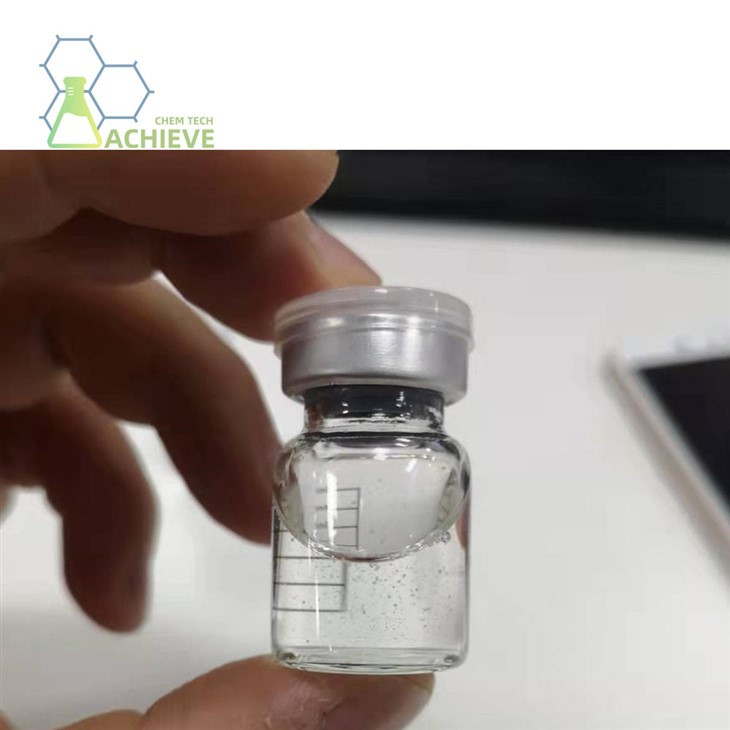
GS-441524 Injection
1.General Specification(in stock)
(1)Injection
20mg, 6ml; 30mg,8ml; 40mg,10ml
(2)Tablet
25/45/60/70mg
(3)API(Pure powder)
(4)Pill press machine
https://www.achievechem.com/pill-press
2.Customization:
We will negotiate individually, OEM/ODM, No brand, for secience researching only.
Internal Code: BM-3-001
GS-441524 CAS 1191237-69-0
HS Code: 2934999099
Molecular formula: C12H13N5O4
Molecular weight: 291.26
EINECS: 200-001-8
MDL No .: MFCD32666994
Analysis: HPLC, LC-MS, HNMR
Technology support: R&D Dept.-4
We provide GS-441524 injection, please refer to the following website for detailed specifications and product information.
Product:https://www.bloomtechz.com/oem-odm/injection/gs-441524-injection.html

How GS-441524 Injection Supports Organ Recovery in Dry FIP Cases
Mechanisms of Cellular Protection
The nucleoside analog GS-441524 injection stops the viral replication cycle of the feline coronavirus. By injecting the substance, it is able to reach steady levels in the blood plasma that reach the damaged organs successfully.
Inside cells, the medicine changes into its active triphosphate form, which then joins with the virus RNA chains while they copy themselves. This addition stops the chain from ending properly, which stops the virus from making healthy children.
The security for cells goes beyond just stopping viruses. As the number of viruses in organ tissues goes down, the chain of events that hurt healthy cells starts to calm down.
In the first few weeks of treatment, organ-specific biomarkers often show measurable changes in cats that are getting GS-441524 injections.
Parameters of kidney function, like creatinine and blood urea nitrogen, often return to normal as the kidney tissue heals from a viral attack. In the same way, liver tests that were high because of inflammation in the liver usually go back to normal as treatment goes on.
Restoration of Organ Architecture
Dry FIP makes granulomatous lesions in organs that are impacted, which mess up the usual structure of tissues and make them less effective. These swollen bumps have immune cells, macrophages that are sick, and fibrous tissue that takes the place of healthy organ structures.
The antiviral effect of GS-441524 injection lets the body's own repair systems start fixing things once the virus stops replicating.
Observations made during research show that organ lesions can get better in cats that are given the right amount of GS-441524 injections for long enough.
Imaging tests done before and after treatment show that organ problems have gotten better, especially in the kidneys and lymph nodes in the abdomen. In neurological situations, the cats' symptoms get better as the inflammation in their central nervous system goes away.
They get their balance, vision, and GS-441524 injection and behavior back to normal.
When someone starts care has a big effect on how well they heal. When cats start GS-441524 injection therapy earlier in the disease process, their organs usually heal more completely than when they start treatment later in the disease process.
But even cats whose organs are seriously damaged have shown amazing perseverance when viral replication is successfully stopped. This shows that feline organ systems can heal themselves when they get the right kind of therapeutic support.

GS-441524 Injection for Managing Granulomatous Inflammation in Cats
Reducing Inflammatory Burden
There is a loop that keeps going because of the link between virus load and inflammation in dry FIP. When viruses enter the body, they trigger immune reactions that send inflammation cells to the site of the infection. The reacting cells then get infected, making new viral pools that keep the inflammatory process going. GS-441524 injection treatment stops this pattern by lowering the amount of viral replication to a level that lets the immune system heal itself.


Observations in the clinic regularly show that inflammatory markers go down in cats that get a GS-441524 injection. Acute phase proteins, like alpha-1-acid glycoprotein, usually rise greatly in people with FIP. However, as treatment goes on, they return to normal levels. This biochemical proof matches clinical changes like more energy, a better appetite, and no longer having fevers that often come with an inflammatory state.
Certain organ systems that are harmed by granulomatous tumors can benefit from the anti-inflammatory effects. GS-441524 injection treatment works well for ocular FIP, which is marked by anterior uveitis and inflammation debris in the eye chambers. As the treatment gets rid of the virus that caused the inflammation, the cats' vision gets better and their photophobia goes away. Neurological inflammation also goes away, and cats' walking gets better, their seizures go away, and their behavior patterns return to normal.

Modulating Immune Responses
The immune system isn't working right in people with FIP, which causes both too much inflammation and not enough virus clearing. GS-441524 injection treatment doesn't change the immune system directly, but it does help restore normal immune reactions by getting rid of the lingering viral stimulus. As virus antigens decrease, the abnormal immune activity that causes inflammation that damages tissues slowly goes away.
Animal doctors have noticed that cats that get GS-441524 injections often have better immune parameters than just a drop in inflammation markers. Full blood counts may show that the number of lymphocytes has returned to normal and the number of inflammatory neutrophils has decreased.


Globulin levels rise significantly in FIP because of the production of polyclonal antibodies. During treatment, they usually drop slowly as the immune system is no longer constantly challenged by viruses. These changes show that the disease has really been cured, not just temporarily slowed down. This is what makes successful antiviral treatment different from just managing the symptoms.

Can GS-441524 Injection Help Stabilize Cats With Chronic Dry FIP Symptoms?
Halting Disease Progression
When treating chronic dry FIP, the main goal is to stop the condition from getting worse. Cats that have lost a lot of body mass, developed long-lasting neurological problems, or show advanced organ failure need immediate medical attention to avoid dying.
When given in the right amounts, GS-441524 injection treatment has been shown to consistently stop the disease from getting worse.
Cats with chronic dry FIP usually get better within the first two to four weeks of treatment, according to case studies from vets. As your hunger gets better and your metabolic needs return to normal, you stop losing weight and often gain it back.
Symptoms in the nervous system, like paralysis, head tilt, or changes in behavior, often reach a limit and start to get better as the number of viruses in the central nervous system drops. As inflammatory damage heals, organ function factors may level off and even get better over time.
The stability process shows how the medicine stops the virus from replicating instead of just hiding the symptoms. Unlike corticosteroids or other immunosuppressants, which may briefly improve symptoms while still letting the virus grow, the GS-441524 injection treats the cause of the disease.
This basic idea is what explains why cats that have been treated keep getting better instead of getting worse when therapy stops.
Improving Quality of Life
Cats that get a GS-441524 injection for chronic dry FIP often have a better quality of life than just staying alive. As cats get better, their owners say they associate with other cats more, get playful again, and go back to their normal cleaning habits.
These changes in behavior happen at the same time that the underlying illness that was causing the tiredness and withdrawal goes away.
Pain control is an important part of dry FIP care that isn't given enough attention.
Granulomatous tumors and organ inflammation can be very painful for cats, even if they don't show it. Because GS-441524 injection treatment lowers the amount of inflammation, cats often feel better and can do more.
This improvement in comfort makes a big difference in how well the treatment works overall and how happy the owner is with the results.

How GS-441524 Injection Targets Viral Activity in Non-Exudative FIP
Inhibiting Viral Replication Machinery
Like other RNA viruses, feline coronavirus copies its genetic material with the help of an enzyme called RNA-dependent RNA polymerase. Since DNA polymerases can check for mistakes, this enzyme can't. This means that nucleoside analogs can damage it. GS-441524 injection takes advantage of this weakness by acting like natural nucleosides that the polymerase uses to build RNA chains.


As soon as GS-441524 injection is administered, it travels through the bloodstream to reach organs and tissues that are infected with viruses. Nucleoside transporters let the molecule into affected cells, where cellular kinases change it to its active triphosphate form. This turned-on molecule competes with natural nucleoside triphosphates to be added by the virus polymerase.
The main difference between GS-441524 injection and natural nucleosides is the shape of the RNA chain that is formed. When GS-441524 injection triphosphate is added by the virus polymerase, the RNA chain that is getting longer can't hold any more nucleotides. This early termination stops functional viral genomes from finishing, which stops the production of active viral particles. This process is very specific, which is why the GS-441524 injection can have strong antiviral effects without hurting host cells too much.

Achieving Therapeutic Drug Concentrations

For antiviral medication to work, drug concentrations must stay above the minimum levels needed to block the virus throughout the treatment time. GS-441524 injection has metabolic benefits that help keep effective drug exposure steady. The injectable form skips the changes that happen during digestion, providing consistent amounts of drug into the body's blood.
Using a GS-441524 injection under the skin has been shown to produce long-lasting plasma levels that are higher than the levels needed to stop the virus for a long time. The compound has an elimination half-life that allows for either once-daily or twice-daily doses, based on the treatment plan. This dosing freedom lets vets adjust the strength of treatment to meet the needs of each patient while still protecting against viruses.


Another important pharmacokinetic factor to think about in dry FIP treatment is tissue entry. The non-exudative form affects parts of the body like the eyes, the brain, and the organs in the abdomen that need the drug to be distributed properly. Research shows that GS-441524 injection reaches effective levels in these important areas, which explains why it works in a wide range of organ activation patterns. Ocular entry helps treat uveitis caused by FIP, and distribution to the central nervous system helps handle cognitive symptoms.

GS-441524 Injection and Long-Term Recovery Strategies for Dry FIP
Determining Appropriate Treatment Duration
One of the questions cat owners who are starting GS-441524 injection therapy ask most often is how long the treatment will last. The best length strikes a balance between getting rid of the virus completely and real issues like cost and treatment burden.
Based on clinical experience, most cases of dry FIP need ongoing therapy for at least 12 weeks. Many cats do better with longer treatments that last 16 weeks or more.
The right length of GS-441524 injection treatment for each cat depends on a number of things. How bad the disease is when it is first diagnosed affects how long it takes to get better.
Cats that have severe disease or organ involvement usually need longer treatment periods than cats that were identified earlier. Neurological or eye FIP often needs longer treatment because it's hard to get rid of all the viruses from these physically protected areas.
Monitoring factors help decide how long a treatment should last. Veterinarians can tell when a cat has reached stable recovery by checking its symptoms, body weight, and lab results on a regular basis.
Before thinking about stopping medication, inflammatory signs should return to normal. Some doctors say that treatment should last a few weeks longer than the patient seems to be getting better in order to increase the chance of a long-lasting cure.
Monitoring Recovery Progress
By keeping an eye on the patient continuously during the GS-441524 injection treatment, problems or poor responses can be found early on.
Comprehensive exams should be done on cats on a daily basis, usually every two to four weeks, while they are being treated. These tests keep track of clinical gains and look for any worrying patterns that might mean procedure changes are needed.
Monitoring in the lab gives clear proof of how well the medicine is working. By measuring inflammatory markers, organ function factors, and full blood counts over time, doctors can see if the treatment is working as planned.
Resolving inflammation and lowering inflammatory proteins are signs that the virus has been stopped and the body's processes are returning to normal.
If lab tests stay the same or get worse, it could mean that the dose is too low or that the disease is not responding to treatment, which means that the plan needs to be changed.
The results of a physical check are used along with lab data to help with the recovery estimate. Putting on weight means that your diet is getting better and your metabolism is recovering.
If there was a fever, it going away shows that the overall inflammation is going down. Organ-specific changes, like getting rid of eye inflammation or fixing nerve problems, show that the treatment is working in the affected systems.
Conclusion
The discovery of GS-441524 injection therapy has changed the way dry FIP is treated, turning a disease that was always deadly into one that can be managed. This antiviral substance stops the basic virus replication that makes diseases worse, so cats can heal from organ damage, get rid of inflammatory lesions, and return to a regular quality of life. The benefits cover all forms of non-exudative FIP, from eye inflammation to brain problems to diseases of the internal organs.


Successful outcomes depend on early diagnosis, appropriate dosing, adequate treatment duration, and systematic monitoring throughout the recovery process. Cats receiving properly managed GS-441524 injection protocols demonstrate remarkable resilience, with many achieving complete remission and long-term survival. The compound's favorable safety profile and potent antiviral activity support its role as the primary therapeutic option for dry FIP cases.
As clinical experience with GS-441524 injection is gained, veterinary workers learn more about the best ways to treat animals. Results will get even better as dosing guidelines, length suggestions, and tracking methods are constantly improved. This antiviral treatment gives cat owners who have been told their cat has dry FIP real hope when there wasn't any before.

FAQ
1. How quickly can cats show improvement after starting GS-441524 injection treatment for dry FIP?
After GS-441524 injections, most cats feel better within one to three weeks. Appetite, energy, and weight gain normally increase within a few days. Within two to four weeks, certain organs should improve, such as eye inflammation or neurological issues. Lab readings like inflammatory markers and organ function may take weeks to normalize. The time depends on how serious the illness is when therapy begins; earlier-stage instances respond faster.
2. Can GS-441524 injection treatment be combined with other supportive therapies for dry FIP?
GS-441524 injection is the major virus therapy, however supportive care works well too. Cats lose weight and recover with high-quality, delicious, healthy food. Appetite enhancers may improve cats' appetites in the initial weeks of therapy. Cats with severe inflammatory discomfort might benefit from painkillers. Avoid overusing immunosuppressants, which delay immune system repair. They may be essential in certain cases. Veterinarians adapt supportive care to each patient and ensure that extra medications don't reduce antiviral efficacy.
3. What monitoring tests are essential during GS-441524 injection treatment for dry FIP?
In extensive tracking, physicians and lab technicians examine GS-441524 injection patients. Full blood counts measure immunological cells and search for treatment-related changes. FIP may alter kidney and liver function, which serum biochemistry screenings assess. alpha-1-acid glycoprotein and blood protein electrophoresis patterns indicate inflammatory treatment is effective. Weight measurements demonstrate diet effectiveness. Organ-specific testing like eye or nerve checks evaluate for disease improvement. Regular monitoring occurs every 2–4 weeks. Tracking is more rigorous in the initial weeks of therapy or when issues develop.
Partner With BLOOM TECH for Pharmaceutical-Grade GS-441524 Injection Supplier Solutions
BLOOM TECH is a reliable source for GS-441524 injection supplier solutions. They provide pharmaceutical-grade chemicals that meet the high-quality standards needed for medicinal uses in animals. Our GMP-certified factories, which have been inspected by the US-FDA, the EU, and the CFDA, make sure that every batch of GS-441524 injection meets the standards for purity, strength, and stability. We have been experts in organic synthesis for more than 12 years and work with 24 of the world's largest pharmaceutical companies. We can help you with your veterinary formulation needs by providing technical support, legal paperwork, and a reliable supply chain.
Our dedication goes beyond supplying products and includes full customer support. Professional teams give you full analytical data, proof of batch stability, and a range of flexible packing choices that are made to fit your needs. BLOOM TECH offers low prices on high-quality materials, whether you need research-grade materials for development work or large amounts for business production. Talk to our team right away about your GS-441524 injection needs and see what the BLOOM TECH difference is. Ready to secure a reliable GS-441524 injection supply? Reach out to our team at Sales@bloomtechz.comto discuss your specific needs and receive detailed product information.
References
1. Pedersen NC, Perron M, Bannasch M, Montgomery E, Murakami E, Liepnieks M, Liu H. Efficacy and safety of the nucleoside analog GS-441524 for treatment of cats with naturally occurring feline infectious peritonitis. Journal of Feline Medicine and Surgery. 2019;21(4):271-281.
2. Murphy BG, Perron M, Murakami E, Bauer K, Park Y, Eckstrand C, Liepnieks M, Pedersen NC. The nucleoside analog GS-441524 strongly inhibits feline infectious peritonitis (FIP) virus in tissue culture and experimental cat infection studies. Veterinary Microbiology. 2018;219:226-233.
3. Dickinson PJ, Bannasch M, Thomasy SM, Murthy VD, Vernau KM, Liepnieks M, Montgomery E, Knickelbein KE, Murphy B, Pedersen NC. Antiviral treatment using the adenosine nucleoside analogue GS-441524 in cats with clinically diagnosed neurological feline infectious peritonitis. Journal of Veterinary Internal Medicine. 2020;34(4):1587-1593.
4. Krentz D, Zenger K, Alberer M, Felten S, Bergmann M, Dorsch R, Matiasek K, Kolberg L, Hofmann-Lehmann R, Meli ML, Hartmann K. Curing cats with feline infectious peritonitis with an oral multi-component drug containing GS-441524. Viruses. 2021;13(11):2228.
5. Jones S, Novicoff W, Nadeau J, Evans S. Unlicensed GS-441524-Like antiviral therapy can be effective for at-home treatment of feline infectious peritonitis. Animals. 2021;11(8):2257.
6. Addie D, Curran S, Bellini F, Crowe B, Sheehan E, Ukrainchuk L, Decaro N. Oral mutian X stopped feline infectious peritonitis in a field study of 18 naturally infected cats. Pathogens. 2020;9(10):786.