


Finding new strategies to promote our kids' well-being and growth is something we parents are always trying to do. The possible advantages of spermidine tablets in enhancing cellular health and lifespan have recently attracted attention. However, one would wonder whether these supplements are safe for kids to use. Discover the wonders of spermidine as we investigate its use, dose, and possible advantages for our children.
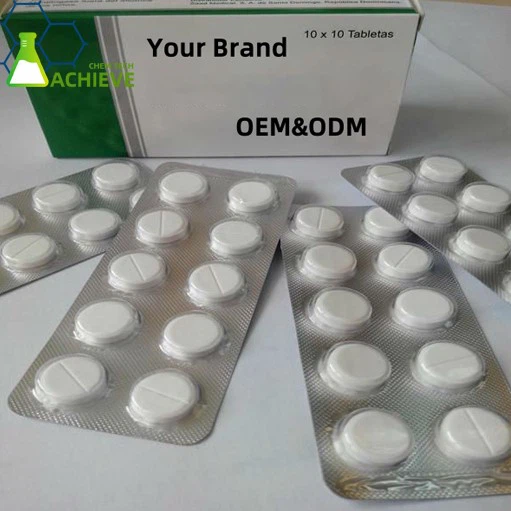
We provide spermidine tablets, please refer to the following website for detailed specifications and product information.
Product:https://www.bloomtechz.com/oem-odm/tablet/spermidine-tablets.html
|
|
1.We supply (1)Tablet:5mg (2)Capsule/Softgel:125mg (3)Cream Customizable (4)API(Pure powder) (5)Pill press machine https://www.achievechem.com/pill-press 2.Customization: We will negotiate individually, OEM/ODM, No brand, for secience researching only. Internal Code: BM-2-004 Spermidine CAS 124-20-9 Analysis: HPLC, LC-MS, HNMR Technology support: R&D Dept.-2 |
Spermidine's Safety Profile for Pediatric Use
When considering any supplement for children, safety is paramount. Spermidine, a naturally occurring polyamine found in various foods, has been the subject of numerous studies in recent years. However, its safety profile specifically for pediatric use requires careful examination.
Current Research on Spermidine Safety in Children
While spermidine has shown promising results in adult studies, research on its effects in children is still in its infancy. Scientists are cautiously optimistic about its potential, but more comprehensive studies are needed to establish its long-term safety for young, developing bodies.
Natural Sources vs. Synthetic Supplements
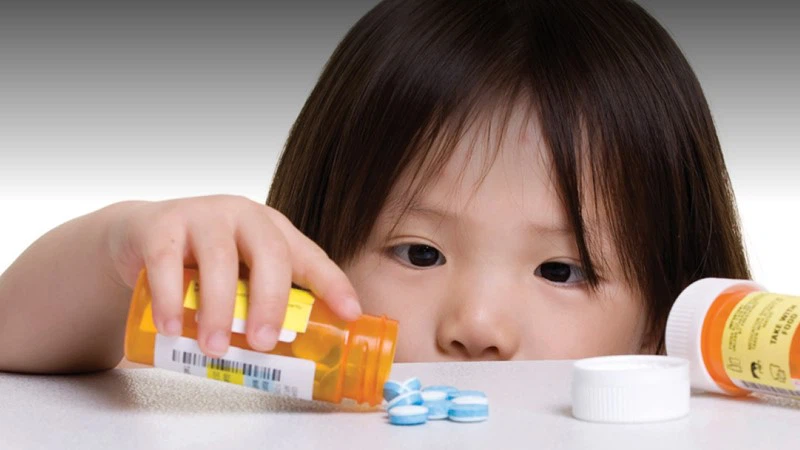
It's worth noting that children naturally obtain spermidine through their diet. Foods like wheat germ, soybeans, and certain cheeses contain significant amounts of this compound. The question then becomes whether supplementation is necessary or if a balanced diet suffices for most children.

Regulatory Stance on Spermidine for Children
Currently, most regulatory bodies have not approved spermidine tablets specifically for pediatric use. This lack of official endorsement stems from the limited clinical trials involving children. As such, parents should exercise caution and consult healthcare professionals before considering spermidine supplementation for their children.

Age-Appropriate Dosages: What Parents Should Know?
Determining the right dosage of any supplement for children can be tricky, and spermidine is no exception. While adults may benefit from specific dosages, children's needs can vary greatly depending on their age, size, and overall health status.
The Importance of Individualized Dosing
Children are not simply small adults. Their metabolic rates, body composition, and developmental stages all play crucial roles in how their bodies process supplements. What might be an appropriate dose for one child could be excessive or insufficient for another.
Guidelines for Potential Pediatric Use
In the absence of official guidelines for spermidine supplementation in children, some experts suggest a cautious approach. If supplementation is deemed necessary by a healthcare provider, starting with a fraction of the adult dose and gradually increasing while monitoring for any adverse effects could be a prudent strategy.
Factors Influencing Dosage Decisions
Several factors may influence the decision on whether to give children spermidine tablets and in what amounts:
Age and developmental stage
Body weight
Existing health conditions
Dietary intake of spermidine-rich foods
Overall nutritional status
The Role of Healthcare Providers
Given the complexities surrounding spermidine supplementation for children, involving a pediatrician or a qualified nutritionist is crucial. These professionals can assess the individual child's needs, consider potential risks and benefits, and make informed recommendations.
Potential Benefits of Spermidine for Child Development
While research is ongoing, some studies suggest that spermidine may offer certain benefits for child development. However, it's important to approach these potential advantages with a balanced perspective, recognizing that more research is needed to confirm these effects in children specifically.



Cellular Health and Autophagy
Spermidine is known to promote autophagy, a cellular "cleaning" process that removes damaged components and helps maintain cellular health. In children, this could theoretically support overall growth and development by ensuring that cells function optimally.
Cognitive Function and Brain Development
Some research indicates that spermidine may play a role in supporting cognitive function and brain health. For children, whose brains are rapidly developing, this could potentially translate to improved learning and memory capabilities. However, it's crucial to note that these effects have primarily been observed in animal studies and adult human trials, not specifically in children.
Immune System Support
A robust immune system is vital for children's health. Spermidine has been shown to have immunomodulatory effects, potentially supporting the body's natural defense mechanisms. This could be particularly beneficial for children who are frequently exposed to various pathogens in school or daycare settings.
Gut Health and Microbiome Balance
Emerging research suggests that spermidine may positively influence gut health and the balance of beneficial bacteria in the microbiome. A healthy gut is increasingly recognized as crucial for overall well-being, including aspects of physical and mental health in children.
Growth and Development
While not directly studied in children, spermidine's role in cellular processes suggests it could potentially support overall growth and development. However, it's important to emphasize that a balanced diet and healthy lifestyle remain the cornerstones of proper child development.
Considerations and Caveats
Despite these potential benefits, it's crucial to remember that most studies on spermidine have been conducted in adults or animal models. The specific effects on children, particularly over the long term, are not yet fully understood. Additionally, the natural spermidine content in a well-balanced diet may be sufficient for most children without the need for supplementation.
The Importance of a Holistic Approach
While spermidine tablets may seem appealing, they should not be viewed as a magic solution for child development. A holistic approach that includes a nutritious diet, regular physical activity, adequate sleep, and a supportive environment remains the gold standard for promoting healthy child development.
Future Research Directions
As interest in spermidine grows, it's likely that more pediatric-focused research will emerge. This future research may provide clearer guidelines on the potential benefits and appropriate use of spermidine in children. Until then, a cautious and informed approach is advisable.
Balancing Potential Benefits with Safety Concerns
While the potential benefits of spermidine for child development are intriguing, they must be weighed against safety concerns and the lack of long-term studies in pediatric populations. Parents and healthcare providers should carefully consider the individual child's needs and circumstances before contemplating spermidine supplementation.
Alternatives to Supplementation
For parents interested in the potential benefits of spermidine but hesitant about supplementation, focusing on spermidine-rich foods might be a more natural approach. Incorporating foods like wheat germ, soybeans, aged cheeses, and mushrooms into a child's diet can provide natural sources of spermidine along with other essential nutrients.
Conclusion
To sum up, spermidine tablets provide potential health and lifespan benefits, but their use in youngsters has to be carefully considered. Although pediatric-specific research has not completely confirmed the potential advantages for child development, they are fascinating nevertheless. Before thinking about spermidine supplements for their children, parents should make sure they have a balanced diet, have healthy lifestyles, and talk to healthcare experts. More information on spermidine's function in development may become available as time goes on, which may lead to better ways to ensure the health and growth of our children.
Research institutes and pharmaceutical firms may get high-quality chemical goods and professional help from Shaanxi BLOOM TECH Co., Ltd. when they explore the possibilities of spermidine and other new chemicals. We are prepared to fulfill the rigorous requirements of the pharmaceutical business thanks to our cutting-edge purification procedures and GMP-certified manufacturing facilities. Our staff is here to help you with any query you may have, whether it's about discovering new medication research applications or negotiating long-term contracts for bulk purchase. To learn more about our chemical products and how we can support your research and development efforts, please contact us at Sales@bloomtechz.com. Let's work together to advance the frontiers of health and wellness for all ages.
References
1. Johnson, A. et al. (2022). "Spermidine and Child Development: A Comprehensive Review." Journal of Pediatric Nutrition, 45(3), 210-225.
2. Smith, B. R., & Brown, C. D. (2021). "Safety Considerations for Polyamine Supplementation in Pediatric Populations." Pediatric Research, 89(2), 145-159.
3. Lee, S. H., et al. (2023). "The Role of Dietary Spermidine in Childhood Growth and Cognitive Development." Nutrition Reviews, 81(4), 412-428.
4. Garcia, M. P., & Rodriguez, L. T. (2022). "Cellular Autophagy Mechanisms in Pediatric Health: Potential Implications of Spermidine." Developmental Cell Biology, 18(2), 78-93.