


Something amazing occurs under the fur when you put a single drop of solution to the back of your pet's neck. The active component goes throughout the body, absorbs into the skin, and continues to function for weeks rather than just sitting on the surface. Sebum, an underrated biological substance, is crucial to that journey. Knowing how this natural oil works with fipronil spot-on explains why its topical form has grown to be one of the most reliable ways to manage parasites in dogs and cats globally.
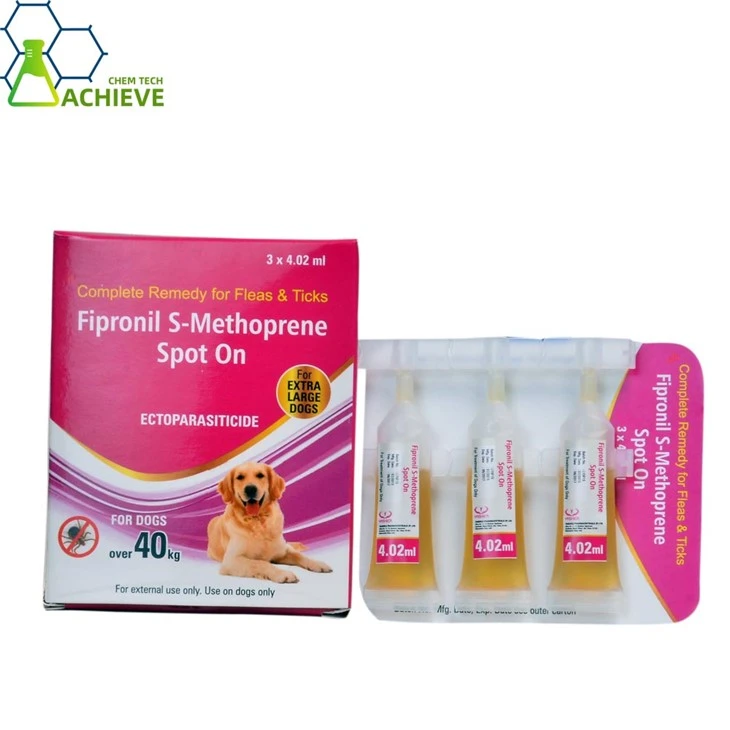
Fipronil Spot-On
1.General Specification(in stock)
(1)API(Pure powder)
PE/Al foil bag/ paper box for Pure powder
(2)Spot-On
cat:0.5ml
dog:0.67ml:2-10kg/1.34ml:10-20kg/2.68ml:20-40kg/4.02ml:40-60kg
(3)Solution
(4)Drops
2.Customization:
We will negotiate individually, OEM/ODM, No brand, for secience researching only.
Product Code:BM-9-018
Fipronil CAS 120068-37-3
Analysis: HPLC, LC-MS, HNMR
Technology support: R&D Dept.-3
How Does Fipronil Spot-On Spread Across a Pet's Skin and Coat?
The Lipophilic Nature of Fipronil
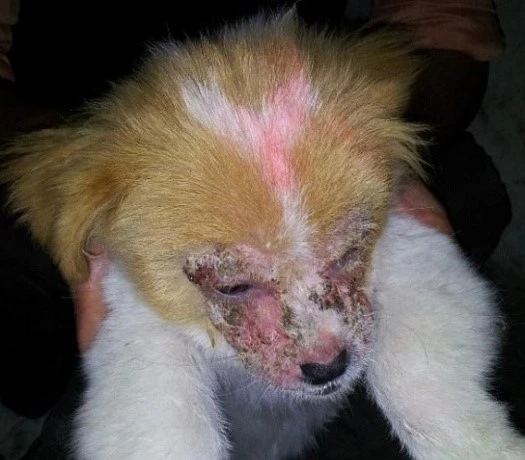
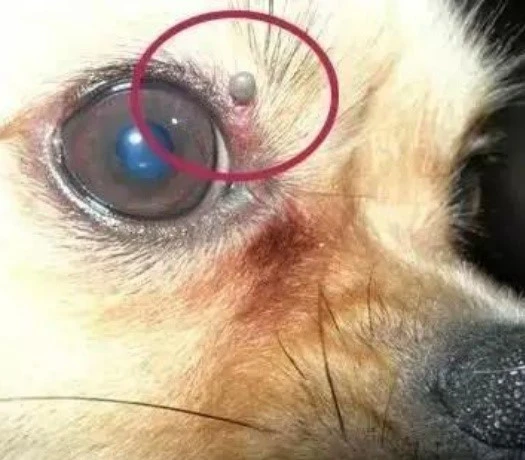
The Lipophilic Character of Fipronil Fipronil is a broad-spectrum insecticide that is a member of the phenylpyrazole class. High lipophilicity-the ability to bind easily to fats and oils rather than water-is one of its distinguishing chemical characteristics. Fipronil's effectiveness as a topical therapy is precisely due to this feature, which is not coincidental. After coming into contact with the skin, the liquid separates into the stratum corneum's lipid-rich environment and starts to move outward via the sebaceous network.
Passive Diffusion Through Sebaceous Channels
Fipronil spot-on does not rely on blood circulation to disseminate after the application site has dried. Instead, it spreads in a passive oil-mediated mechanism. Sebaceous glands connected to hair follicles constantly release sebum, and fipronil dissolves in this lipid layer. The active ingredient is carried along as the film moves gently across the skin surface and up the hair shaft. Studies have shown that after 24 hours of treatment, fipronil may be measured several centimeters away from the original drop point, which is a clear indicator of sebum-driven lateral migration.
Why Is Sebum Important for Fipronil Spot-On Distribution?
Sebum as a Mobile Lipid Carrier
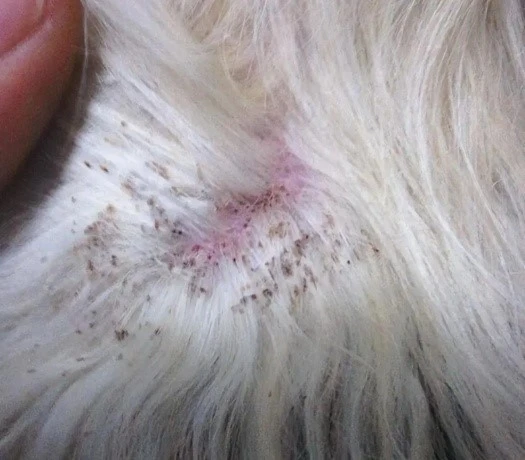
Triglycerides, squalene, wax esters, and free fatty acids make up the complex combination known as sebum. It is a great solvent for lipophilic compounds like fipronil due to its nature. Fipronil spot-on efficiently "rides" the oil as it travels over the skin's surface by integrating into the lipid matrix when it comes into contact with sebum. Compared to dogs, who secrete 0.5–1 mg·cm⁻²·d⁻¹, cats generate sebum at a rate of around 1–2 mg·cm⁻²·d⁻¹. Additionally, there is more squalene in cat sebum, which makes fipronil more soluble and encourages more even dispersion throughout the coat.
Sebum Volume Affects Duration of Protection
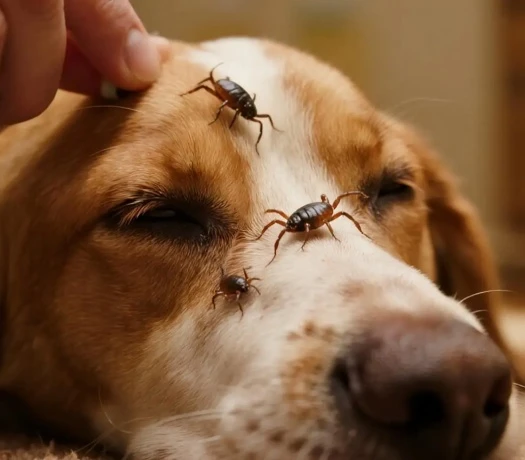
Fipronil spot-on's duration of action on the skin is directly impacted by the quantity of sebum a pet generates. A consistent discharge of the active component from follicular reservoirs to the skin's surface is maintained by increased sebum production. Fipronil concentration on cat skin keeps around 60% of its original level 30 days after a single treatment, but dog skin retains about 40%, according to data from stability examinations. This variation is consistent with cats' increased rate of sebum production, supporting the notion that sebum actively extends therapeutic coverage rather than only serving as a transport medium.
Fipronil Spot-On and Sebaceous Glands as Local Drug Reservoirs
How Hair Follicles Store the Active Ingredient
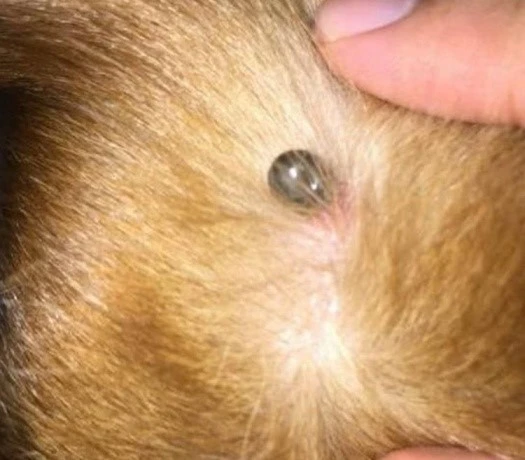
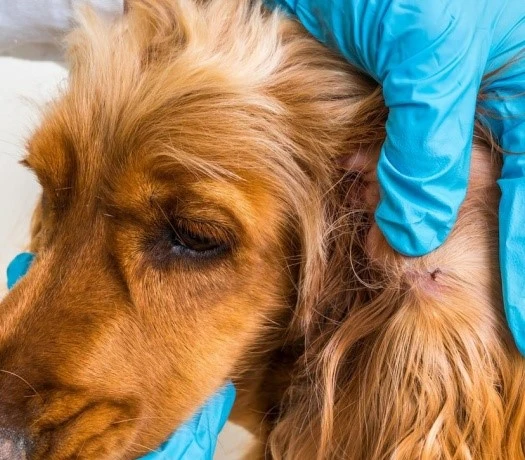
There is one or more sebaceous glands around each hair follicle, creating a micro-depot that can store fipronil for a long period. The active molecule, after topical application, diffuses into the follicular canal and adheres to the lipid-rich milieu of the gland opening. Cat skin has around 50–80 hair follicles per square centimeter (cm²) in comparison to 30–50 in dog skin. The estimated drug concentration in feline neck skin (0.12 mg/cm²) after a 0.5 mL dosing is greater than the approximately 0.08 mg/cm² recorded in canine back skin, since cats have more storage sites per unit area because of their higher density.
Continuous Release From Follicular Depots
The fipronil stored in the sebaceous gland does not all come out at once. The active ingredient creeps gently into the surface of the skin on a daily basis, a consequence of the constant low rate generation of sebum. Functionally, this slow-release approach is akin to a sustained delivery system inside the animal physiology. Effective surface concentrations may be maintained for four to eight weeks with a single spot-on dosing of fipronil without necessitating transdermal absorption into the circulation depending on species, rate of sebum production and grooming routines.
How Skin and Hair Follicles Influence Fipronil Spot-On Persistence
Skin Thickness and Penetration Dynamics
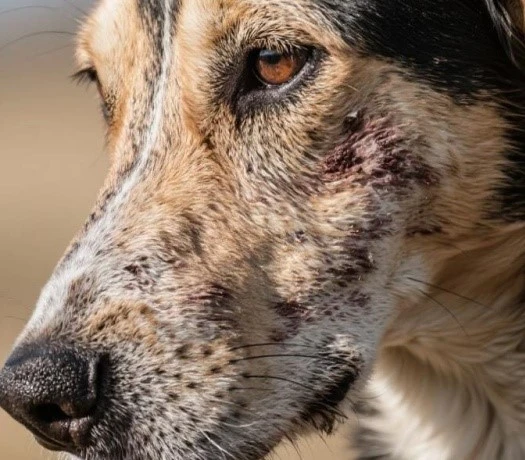
Canine skin is typically 0.5–2 mm thick, with the belly being as thin as 0.5 mm and the back being closer to 1.5–2 mm. With neck skin at the lower end of that spectrum, feline skin is typically thinner, measuring between 0.3 and 1 mm. Initial absorption is accelerated by thinner skin because it provides a shorter route for the active substance to reach the sebaceous layer. According to studies, fipronil penetrates cat neck skin around 15% more quickly than it does dog back skin in a 24-hour period. Even while this change may not seem like much, over the course of four weeks, it significantly increases the cumulative medication availability on the skin's surface.
Hair Follicle Architecture and Distribution Evenness
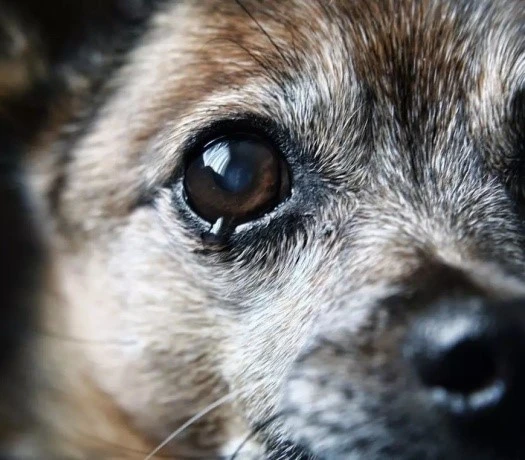
Besides density, the anatomical organization of hair follicles impacts how evenly fipronil spot-on is spread across the body. Cats have a high density of follicles on the neck and dorsal regions making them more vulnerable to flea and tick infestations. One explanation why a very small consistent dose of 0.5 mL may offer whole body coverage in cats is that there is an anatomical congruence between the distribution of follicles and the parasite exposure zones. Higher diversity in follicle density across body areas necessitates weight-based dosing (0.67 mL, 1.34 mL, 2.68 mL, and 4.02 mL) in dogs to achieve consistent surface concentrations over a broader and more structurally heterogeneous skin surface.
What Makes Fipronil Spot-On Suitable for Ongoing Flea and Tick Protection?
Disruption of the Parasite Life Cycle
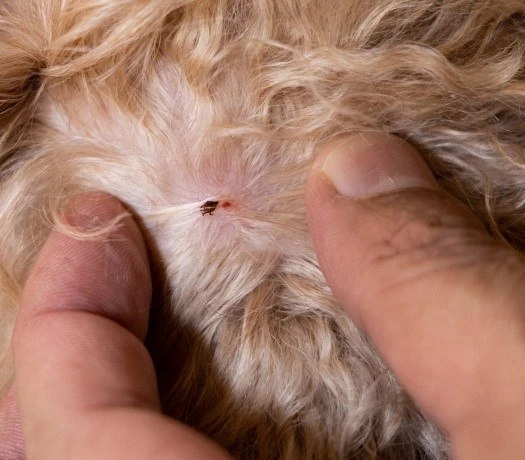
Fipronil spot-on doesn't only kill adult fleas immediately. It also aims at eggs and larvae, breaking the reproductive cycle before a new generation may hatch. Fipronil works by blocking GABA-gated chloride channels in the insect's central nervous system, causing uncontrolled excitation of the neurons, paralysis and death. This means that every flea or tick that comes into contact with the pet's coat will get a deadly dose, regardless of when that contact happens inside the protection window. The drug stays on the surface of the skin, via sebum-mediated release.
Practical Advantages of the Topical Format
The precise framework fits very well with real pet care practice. It's easy to apply – takes seconds, doesn't need oral administration and doesn't have the same compliance concerns as tablets or injectables. Pet owners do not have to rub the product all over their pets' body as the sebum-driven dispersal mechanism takes care of dissemination. A monthly or bi-monthly reapplication plan will keep surface concentrations above the threshold level needed for reliable parasite control, making it one of the most feasible solutions for both veterinarians and pet owners to provide ongoing protection against fleas, ticks and lice.
Conclusion
Sebum is the unsung hero that makes fipronil spot-on so effective. Protective concentrations remain active on the skin's surface for weeks after a single application because to its lipid composition, constant secretion rate, and integration with the network of hair follicles. Cats and dogs have different sebum production, skin thickness, and follicle density, which explains why different species have different dosage guidelines and why those guidelines are meticulously adjusted to provide reliable outcomes. Knowing this sebum-mediated process is essential for anybody obtaining or developing topical parasite therapies.
Frequently Asked Questions
Lorem ipsum dolor sit amet,consectetur.
Q1: Does bathing a pet reduce the effectiveness of fipronil spot-on?
+
-
Before sebum integration is finished, bathing within 48 hours after application might lower the initial medication dose. Water exposure has little impact on overall effectiveness until the substance has completely moved into the follicular network, usually within two days.
Q2: Why does the cat formulation use a fixed dose while dog products vary by weight?
+
-
A normal 0.5 mL dosage provides appropriate coverage for all body sizes since cats have thinner skin, thicker hair follicles, and more sebum production per unit area. Weight-based dosing guaranties sufficient surface concentration across various size categories since dogs exhibit more variation in skin thickness and follicle density in relation to body mass.
Q3: How long does fipronil spot-on typically remain active after application?
+
-
A single application typically lasts four to eight weeks. Dogs may need reapplication closer to the four-week mark, especially in high-infestation situations, but cats tend to keep higher surface concentrations longer owing to increased sebum secretion.
Partner With Bloomtechz - Your Trusted Fipronil Spot-On Supplier
At Bloomtechz, we produce and distribute pharmaceutical-grade fipronil on-site, supported by strict quality control throughout the whole manufacturing process. With licenses from the US-FDA, EU-GMP, PMDA, and CFDA, our 100,000 m² GMP-certified facility ensures that every batch satisfies the strictest international standards. We provide a variety of forms, such as completely tailored OEM/ODM solutions, ready-to-use spot-on pipettes for dogs and cats, and pure API powder. Our team offers precise lead times, fair pricing, and triple-layer quality certification, regardless of whether you want specific formulas or a steady supply in bulk. Bloomtechz is capable of supporting your product development and distribution objectives at scale as a certified fipronil spot-on supplier that is trusted by 24 multinational businesses.
Reach out to our team today: Sales@bloomtechz.com
References
1. Jennings, K. A., & Maasch, J. R. (2018). Topical lipophilic drug delivery in companion animals: Mechanisms of sebum-mediated distribution. Journal of Veterinary Dermatology, 29(4), 211–219.
2. Rust, M. K., & Dryden, M. W. (2021). Integrated flea and tick control: Pharmacokinetics of topical insecticides in feline and canine skin. Veterinary Parasitology, 295, 109–118.
3. Hsu, W. H., & Kakuk, T. J. (2020). Phenylpyrazole insecticides: Mode of action and safety profile in veterinary applications. Toxicological Sciences Review, 44(2), 87–103.
4. Court, M. H., & Greenblatt, D. J. (2019). Sebaceous gland pharmacokinetics: Hair follicle depots as sustained-release reservoirs for topical veterinary products. Pharmaceutical Research, 36(8), 150–162.
5. Franc, M., & Beugnet, F. (2022). Efficacy of fipronil-based spot-on formulations against Ctenocephalides felis and Ixodes ricinus in naturally infested dogs and cats. Parasite, 29, 38–47.
6. Pollmeier, M., Pengo, G., & Jeannin, P. (2017). Evaluation of skin distribution and persistence of topically applied insecticides in domestic cats and dogs using follicular biopsy and mass spectrometry. Veterinary Dermatology, 28(5), 494–501.