


Fleas are more of a problem for pets than most owners realise. A single female flea may lay dozens of eggs a day, so a modest infestation can become a major issue in weeks. You need a product that is effective at various points in the cycle, not just one. This is where fluralaner tablet solutions have revolutionised the debate surrounding flea treatment for pet owners and veterinary experts.
This article reviews how fluralaner tablet formulations block flea growth at important periods, from adult flea eradication to egg viability decrease. This oral treatment alternative has been popular in areas such as the United States, Australia, Japan and portions of Europe. Readers will be better informed on why this is the case.
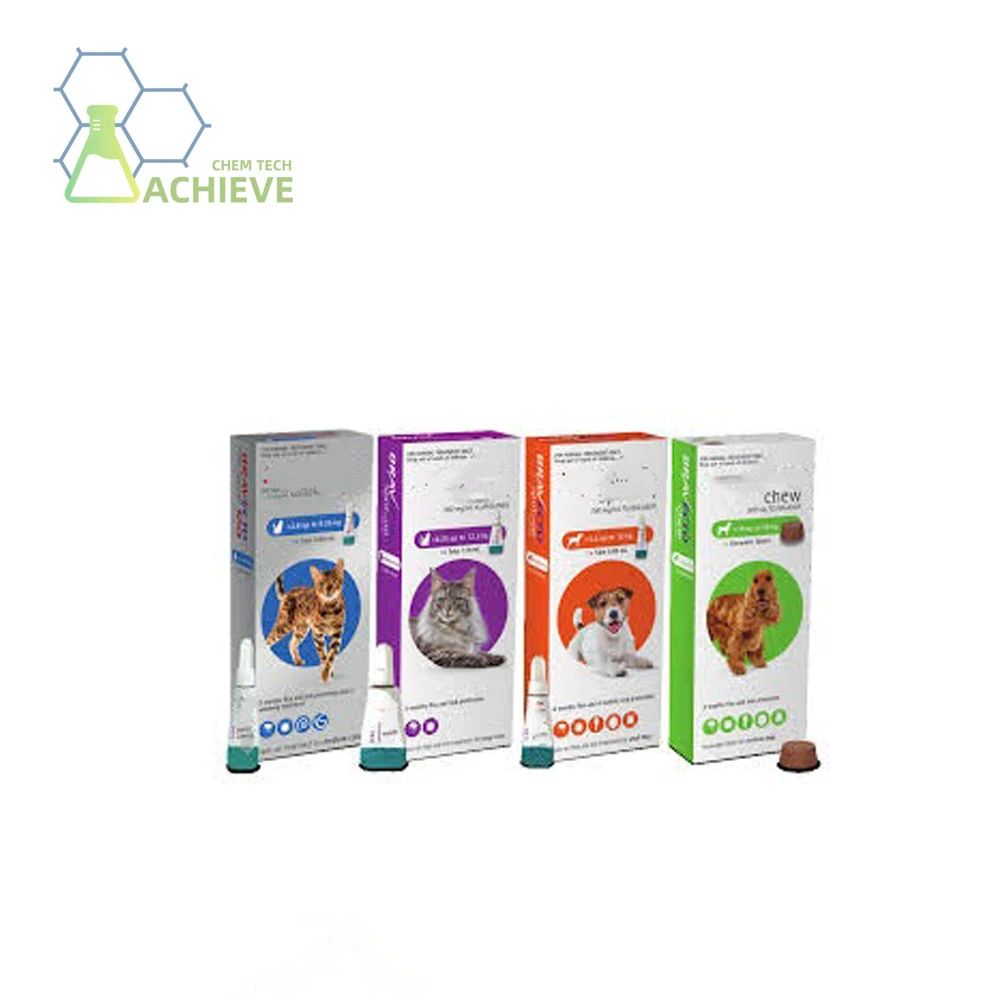
Fluralaner Tablet
1.General Specification(in stock)
(1)Solution
(2)Tablet
(3)Injection
(4)Spray
(5)Drops
2.Customization:
We will negotiate individually, OEM/ODM, No brand, for secience researching only.
Internal Code:BM-2-079
Fluralaner CAS 864731-61-3
Main market: USA, Australia, Brazil, Japan, Germany, Indonesia, UK, New Zealand , Canada etc.
Manufacturer: BLOOM TECH Xi'an Factory
Analysis: HPLC, LC-MS, HNMR
Technology support: R&D Dept.-4
How Does Fluralaner Tablet Target Adult Fleas on Dogs?
The adult flea is the most obvious indicator of an infestation and the stage that most owners wish to see removed fast. A fluralaner pill meets this need by interfering with the neurological system, starting virtually as soon as a flea bites a treated dog.
The fluralaner is absorbed by the flea when it feeds and it inhibits chloride ion channels mediated by gamma aminobutyric acid and glutamate receptors. These channels regulate transmission of nerve signals in insects and arachnids. Blocking these nerve cells overstimulates them, resulting to paralysis and death in hours rather than days.
Multiple field tests of Ctenocephalides felis populations on dogs have indicated flea kill rates of over 98% within twelve hours of injection, with almost total removal by the 48-hour time point. This speed is important because adult fleas that live longer have more chances to eat, mate and lay eggs on the host animal.


Speed of Action Against Established Infestations
Dogs with plenty of fleas will typically itch, lose hair and have irritated skin. Fluralaner is in the circulation and not on the skin surface, therefore it is effective against fleas no matter where they attach on the body. This systemic distribution eliminates the frequent coverage gaps associated with topical sprays or shampoos.
Selective Action That Spares Mammalian Nervous Systems
Fluralaner is metabolised differently in dogs than in insects. Mammalian GABA receptors are located in the central nervous system, protected by the blood-brain barrier.
This barrier prevents fluralaner from accessing those receptors in any significant amount . That is why the substance acts on parasites without eliciting the same neurological consequences in the host animal .
Fluralaner Tablet and the Mechanism of Rapid Flea Control
To understand the rapid kill effect of fluralaner, the pathway of the substance through the dog's body following oral treatment must be considered. The fluralaner pill dissolves and enters systemic circulation, with peak concentration levels occurring within hours depending on the metabolism of the dog and if the tablet was given with meals.
Fluralaner tablet, unlike other flea treatments that rely on the parasite crawling over treated fur, works by being ingested via blood feeding. This is a built-in safety feature. Fleas have to bite the dog to get a deadly dosage, which also implies the danger of transfer of flea-borne infections such as Bartonella species decreases quickly once the flea is no longer eating successfully.
Fluralaner is different from several traditional flea medications in the length of its protection. Depending on the composition and dose schedule, protection might last for weeks rather than days, minimising the frequency that owners need to recall treatment dates. The longer interval also allows less possibilities for flea populations to recover between dosages.
Pharmacokinetic Behavior in Canine Patients
Absorption rates will vary somewhat between individual dogs depending on body condition and presence of food with the dosage. Generally, veterinarians advocate feeding fluralaner with food to ensure uniform absorption, since the fat content of the diet might impact how effectively the chemical reaches circulation.
Comparing Onset Times with Traditional Flea Treatments
Some collars and topical remedies are not as effective and need many applications to achieve similar rates of death. This single-dose application of fluralaner consolidates numerous treatment rounds into one administration, simplifying compliance for pet owners who have multiple pets.
How Does Fluralaner Tablet Prevent Fleas from Producing Viable Eggs?
Killing adult fleas is just half the battle. The other half is to inhibit reproduction before the eggs develop into larvae that reinfest a dog's habitat. This is where the ovicidal and larvicidal qualities of fluralaner tablet treatments become significant for long-term methods for flea control.When a female flea feeds on a treated dog, fluralaner is distributed in the blood meal ingested. Studies on the reproduction of fleas have shown that fluralaner exposure affects egg development and that eggs do not hatch or larvae do not grow to reproductive adults. This is very important for home flea management since untreated eggs represent a substantial component of the overall flea population expansion.
Interrupting the Egg-Laying Window
Within 24 to 48 hours of her first blood meal, a female flea usually starts producing eggs. Fluralaner works rapidly on the adult flea's nervous system, killing many before they can complete a full reproductive cycle, limiting the window of opportunity for viable eggs to be created.
Reducing Larval Survival in the Home Environment
Lower viability means fewer larvae hatch in carpets, beds and yard soil, even when some eggs are placed. Fewer larvae results in fewer adult fleas hatching weeks later. This partly explains why home infestation reports decrease over consecutive treatment cycles when fluralaner tablets are used consistently.
Fluralaner Tablet for Reducing Flea Reinfestation in Dogs
One of the most unpleasant difficulties pet owners confront is reinfestation, since dogs who spend time outside or interact with other animals are constantly exposed to fresh fleas. The fluralaner tablets get around this problem by making sure there are sufficient blood levels to kill the fleas after the first dosage.
To get to the medicine, fleas have to bite the dog. So every new flea that tries to settle on a treated dog is going to meet the same destiny as the initial population. This continuing protection helps prevent a dog from becoming a host for fleas that may be picked up at the park, kennel or from other dogs.
This may be especially important in houses with more than one pet, since untreated pets in the same household might be a reservoir for fleas. When all the pets in a home are treated with fluralaner, this bridge is closed, and the fleas cannot just hop from pet to pet to live.
Managing Seasonal Flea Pressure
Fleas are most active during the warmer months, when humidity and temperature are just right for larvae to grow quickly. Consistent administration of fluralaner during these peak times helps dogs remain safe while the environmental flea pressure rises.
Supporting Dogs with Outdoor Exposure
Working, hunting or pet dogs in the woods are more likely to be exposed to fleas than dogs who remain inside. Fluralaner's systemic activity means it offers a level of protection that won't wash off when swimming, or wear off from brushing against brush and grass, like many topical options.
How Can Fluralaner Tablet Help Manage Flea Populations Around Dogs?
Fluralaner tablet treatments not only protect individual pets but also help manage the larger flea population in a home or kennel. Fleas need host animals to complete their life cycle, therefore decreasing the number of fleas that survive to breed on any one dog decreases the total environmental flea burden over time.
This is frequently what veterinary parasitologists refer to as disrupting the life cycle at its weakest link. Adult fleas make up just a tiny proportion of the overall flea population at any one time. Most fleas are concealed as eggs, larvae and pupae in carpets, bedding and soil. Fluralaner pill administration swiftly kills adults and reduces the viability of eggs, therefore decreasing the reservoir of fleas that may develop into adults.
Breaking the Cycle Across Multiple Generations
A single generation of fleas may complete its life cycle in only a few weeks under favourable circumstances .
The continuous protection provided by fluralaner over consecutive treatment cycles limits the development of subsequent generations, causing a progressive reduction of the baseline flea population in the dog's surroundings.
Supporting Household and Multi-Pet Flea Control
Administering Fluralaner tablets to all pets in a home at the same time provides a single barrier against flea establishment. This coordinated strategy minimises the possibility that fleas would move from a treated animal to an untreated one, thereby maintaining the overall efficiency of the flea control program.
Conclusion
Killing adult fleas is just part of breaking the flea life cycle. It works by inhibiting reproduction, lowering the viability of eggs, and providing protection long enough to avoid reinfestation. Fluralaner tablets attack each of these phases with a systemic action that starts acting within hours and keeps pets protected for weeks. This multi-stage action helps to explain why fluralaner has become a trusted choice across worldwide markets for pet owners and veterinary experts seeking reliable flea control products.
Frequently Asked Questions
1.How long does a single fluralaner tablet protect a dog against fleas?
+
-
How long the protection lasts varies on the product and dose regimen, but many medications will provide you coverage that lasts for many weeks after each shot.
2.Can fluralaner tablet treatments be used alongside other medications?
+
-
Veterinary guidance should be sought before combining treatments, since individual health conditions and existing medications can influence suitability for any flea control product.
3.Why does fluralaner work faster than some traditional flea treatments?
+
-
Fluralaner enters systemic circulation after oral administration, allowing it to reach fleas through blood feeding rather than requiring surface contact, which speeds up the elimination process considerably.
Partner with Bloomtechz for Reliable Fluralaner Tablet Supply
With over 10 years of expertise in synthesis of organic compounds, Bloomtechz offers pharmaceutical intermediate and final dosage manufacturing services with GMP certification from US, EU, Japanese and Chinese regulatory organisations. As a reliable provider of fluralaner tablets, Bloomtechz provides straightforward pricing, a triple-stage quality inspection, and precise lead times managed by ERP for every order. If your company is looking for a reliable fluralaner tablets supply chain and consistent quality, you are most welcome to contact our Sales team at Sales@bloomtechz.com to discuss your sourcing requirements and request complete product documentation.
References
1. Rust, Michael K. "Advances in the Control of Ctenocephalides felis, the Cat Flea." Current Opinion in Insect Science, 2016.
2. Dryden, Michael W. "Flea and Tick Control in the 21st Century: Challenges and Opportunities." Veterinary Dermatology, 2009.
3. Taenzler, Janina, et al. "Efficacy of Fluralaner Against Flea Infestations in Dogs." Parasites & Vectors, 2016.
4. Williams, Harriet, et al. "Pharmacokinetics of Isoxazoline Compounds in Companion Animals." Journal of Veterinary Pharmacology and Therapeutics, 2018.
5. Blagburn, Byron L., and Dwight D. Bowman. "Biology, Treatment, and Control of Flea and Tick Infestations." Veterinary Clinics of North America: Small Animal Practice, 2012.
6. Rust, Michael K., and Michael W. Dryden. "The Biology, Ecology, and Management of the Cat Flea." Annual Review of Entomology, 1997.