


Feline Infectious Peritonitis (FIP) has long been considered a death sentence for cats. However, recent advancements in antiviral treatments have brought new hope to cat owners and veterinarians alike. In this article, we'll explore the potential for curing FIP, focusing on the promising GS-441524 tablet and its impact on treatment outcomes.

1.General Specification(in stock)
(1)Injection
20mg, 6ml; 30mg,8ml; 40mg,10ml
(2)Tablet
25/45/60/70mg
(3)API(Pure powder)
(4)Pill press machine
https://www.achievechem.com/pill-press
2.Customization:
We will negotiate individually, OEM/ODM, No brand, for secience researching only.
Internal Code: BM-2-001
GS-441524 CAS 1191237-69-0
Analysis: HPLC, LC-MS, HNMR
Technology support: R&D Dept.-4
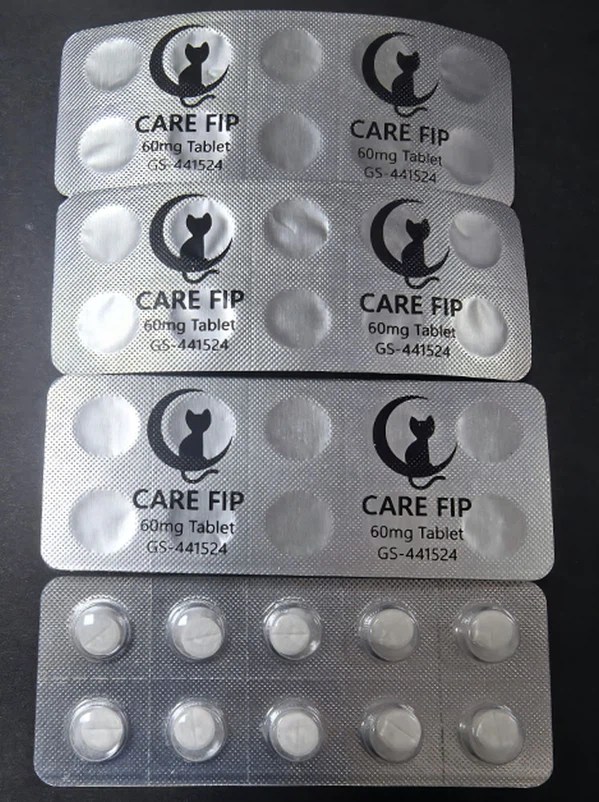
We provide GS-441524 tablets, please refer to the following website for detailed specifications and product information.
Product: https://www.bloomtechz.com/oem-odm/tablet/gs-441524-tablets.html
GS-441524 success rates: Actual cure percentages
The introduction of GS-441524 tablets has revolutionized FIP treatment, offering unprecedented success rates in curing this once-fatal disease. Let's delve into the numbers and examine the real-world efficacy of this groundbreaking antiviral.
Impressive remission rates across FIP types
Recent studies have demonstrated that GS-441524 can lead to exceptional remission rates, achieving success in 80-90% of cats with different forms of FIP. This level of effectiveness has been observed in both the wet and dry forms of the disease, as well as in cases where neurological and ocular symptoms are present. The treatment works by targeting the virus responsible for FIP, helping to halt its progression and restore the cat's health. This high success rate has been a significant breakthrough in the management of FIP, a disease that previously had very limited treatment options. Cats that undergo GS-441524 therapy show remarkable recovery, with many regaining normal energy levels, appetite, and behavior within a few weeks of starting the treatment.
Long-term survival statistics
While achieving initial remission is a significant milestone, the long-term survival of cats is a primary focus of ongoing research. Data suggests that a large percentage of cats who receive GS-441524 treatment not only experience remission but also remain disease-free for extended periods. Many of these cats continue to thrive well beyond the first year following treatment. This long-term survival is particularly promising for pet owners who may have once faced the heartbreaking prospect of losing their beloved cats to FIP. The ability to sustain remission over time provides hope that GS-441524 may offer a lasting solution to what was once considered an untreatable condition.
Factors affecting cure likelihood in FIP cases
Although GS-441524 has shown remarkable efficacy, several factors can influence the likelihood of a successful cure. Understanding these elements is crucial for optimizing treatment outcomes.
Early diagnosis and intervention
One of the most critical factors in improving the chances of a successful outcome in cats with FIP is early diagnosis and prompt treatment with antiviral GS-441524. When the disease is detected in its initial stages, treatment can begin before the virus causes extensive damage to vital organs. Cats that receive early intervention often show a quicker and more robust response to the antiviral therapy, with many recovering within weeks of starting the treatment. Early treatment also helps to prevent the disease from progressing to more severe forms, such as the wet form, where fluid accumulation can cause life-threatening complications. By identifying the disease early, pet owners and veterinarians have a much higher chance of saving the cat's life and ensuring long-term recovery.

FIP form and severity
The form and severity of FIP play a significant role in determining the success of GS-441524 treatment. Cats with wet FIP, which is characterized by fluid accumulation in the abdomen or chest, tend to show quicker improvements following treatment. This is because the fluid buildup can often be managed more effectively, and the antiviral therapy works rapidly to curb the viral replication. On the other hand, dry FIP, which manifests as organ inflammation without fluid buildup, may require more time to respond to treatment. Additionally, FIP cases that involve neurological or ocular symptoms often require higher doses of GS-441524 or a longer treatment duration to effectively address the viral presence in the brain or eyes. These forms of the disease can be more complex and challenging to treat but are still manageable with proper care.
Age and overall health
The age and overall health of a cat are crucial factors influencing the effectiveness of GS-441524 treatment. Younger cats generally have a better prognosis due to their stronger immune systems and greater ability to recover from viral infections. In contrast, older cats or those with pre-existing health conditions may face more challenges during treatment. The presence of other illnesses, such as kidney disease or respiratory issues, can complicate the treatment process and impact the success of GS-441524. Additionally, the cat's overall physical condition, including its nutritional status, will affect how well it responds to therapy. Cats that are in good health aside from their FIP diagnosis are more likely to tolerate the treatment well and have a higher chance of full recovery.

Long-term outcomes after complete GS-441524 treatment
As more cats complete GS-441524 tablets treatment protocols, we gain valuable insights into the long-term prognosis and quality of life for FIP survivors.
Post-treatment monitoring and care
After completing the GS-441524 regimen, regular veterinary check-ups and blood work are essential to monitor for any signs of relapse. Many cats require ongoing support and care to fully recover from the physical toll of FIP.
Quality of life for FIP survivors
The majority of cats successfully treated with GS-441524 go on to lead normal, healthy lives. Many regain their pre-FIP energy levels, appetite, and overall well-being, often surpassing their owners' expectations.
Potential for reinfection or relapse
While rare, some cats may experience a relapse of FIP symptoms after completing treatment. Ongoing research aims to understand the factors contributing to these cases and develop strategies to minimize the risk of recurrence.
Conclusion
The advent of GS-441524 has transformed the landscape of FIP treatment, offering a real chance at a cure for affected cats. While challenges remain, the impressive success rates and positive long-term outcomes provide hope for cat owners and veterinarians alike. As research continues and treatment protocols are refined, the future looks increasingly bright for cats diagnosed with FIP.
For pharmaceutical companies and research institutions seeking high-quality GS-441524 tablets and other advanced chemical compounds, Shaanxi BLOOM TECH Co., Ltd. stands at the forefront of innovation. With our state-of-the-art GMP-certified production facilities and expertise in complex chemical reactions, we are uniquely positioned to meet the demanding needs of the pharmaceutical industry. Whether you require bulk quantities for clinical trials or ongoing research, our team is committed to delivering premium-grade products that meet the highest standards of purity and efficacy. To explore how our chemical solutions can advance your FIP research or other pharmaceutical projects, please reach out to our dedicated sales team at Sales@bloomtechz.com. Let's work together to push the boundaries of feline medicine and beyond.
References
Pedersen, N.C., et al. (2019). Efficacy and safety of the nucleoside analog GS-441524 for treatment of cats with naturally occurring feline infectious peritonitis. Journal of Feline Medicine and Surgery, 21(4), 271-281.
Murphy, B.G., et al. (2020). Treatment of cats with feline infectious peritonitis using a novel nucleoside analog GS-441524. Animals, 10(6), 1032.
Dickinson, P.J., et al. (2020). Antiviral treatment using the adenosine nucleoside analogue GS-441524 in cats with clinically diagnosed neurological feline infectious peritonitis. Journal of Veterinary Internal Medicine, 34(4), 1587-1593.
Addie, D.D., et al. (2020). Feline infectious peritonitis. ABCD guidelines on prevention and management. Journal of Feline Medicine and Surgery, 22(11), 1047-1068.