


Feline Infectious Peritonitis is still one of the hardest conditions for cat owners and vets to identify. When this diagnosis is made for a loving cat, especially when it's already far along, the search for effective treatments becomes very important. New developments in antiviral therapy have made GS-441524 fip a potential choice for cats with this condition that used to be fatal. Figuring out how this nucleoside version works in the worst cases gives people going through this hard time hope and useful advice.
The question of whether GS-441524 FIP can help cats with advanced disease symptoms needs to be looked into in more detail. People with severe FIP usually have a lot of organs affected, a lot of viruses in their bodies, and a lot of disease all over their bodies. In the past, these difficult cases led to bad results, leaving pet owners with few options. Modern therapies that use antiviral processes have changed this situation, opening up new ways to get better that weren't possible before.

GS-441524 Fip
1.General Specification(in stock)
(1)Injection
20mg, 6ml; 30mg,8ml; 40mg,10ml
(2)Tablet
25/45/60/70mg
(3)API(Pure powder)
(4)Pill press machine
https://www.achievechem.com/pill-press
2.Customization:
We will negotiate individually, OEM/ODM, No brand, for secience researching only.
Internal Code: BM-1-001
GS-441524 CAS 1191237-69-0
Manufacturer: BLOOM TECH Wuxi Factory
Analysis: HPLC, LC-MS, HNMR
Main market: USA, Australia, Brazil, Japan, Germany, Indonesia, UK, New Zealand , Canada etc.
Technology support: R&D Dept.-4
We provide GS-441524 fip, please refer to the following website for detailed specifications and product information.
Product link: https://www.bloomtechz.com/synthetic-chemical/api-researching-only/gs-441524-fip.html

How GS-441524 FIP Supports Recovery in Advanced FIP Conditions
The complicated defensive strategy of GS-441524 FIP targets viral replication machinery. This nucleoside analogue enters cells and inhibits the coronavirus-replicating RNA-dependent RNA polymerase enzyme. The chemical enters the expanding RNA chain when the viral machinery copies its genetic material. This prevents viral production. This pause allows the immune system to regain control by stopping the virus from producing new harmful particles.

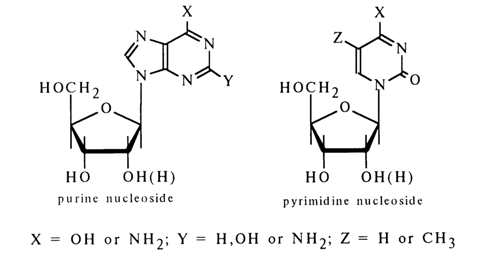
Its chemical structure resembles natural nucleosides, which helps it enter viral reproductive processes. Some antivirals simply inhibit virus activity, but they block cellular virus creation. This distinction is crucial in difficult situations when viral loads are dangerously high in several organ systems.
Clinicians have shown that severe diseased cats' viral activity decreases within days after therapy. The material may penetrate many tissues to reach infection locations throughout the body, including the central nervous system and ocular tissues, where FIP sores typically form.
Large effusions, weight loss, neurological issues, and ocular involvement are common in advanced FIP cats. These symptoms indicate widespread viral transmission and tissue damage. To maximise healing with GS-441524 FIP, dosage, duration, and supportive care must be carefully considered.
Antivirals reduce the inflammatory response that promotes fluid collection in bodily cavities, treating exuberant lymph nodes. Slowing viral replication reduces vasculitis, which creates protein-rich effusions. Pet owners may notice improvements in their pet's respiratory comfort and stomach distension during the initial portion of therapy.

Custom Notebook Solutions

Granulomatous tumours in the kidneys, liver, and brain need longer to recover when the virus is halted. Non-effusive symptoms are harder to manage. Though slower to recover than exuberant instances, the substance's long-lasting antiviral effect aids tissue healing. Neurological disorders may improve over weeks to months, so carers must be patient and ensure the individual takes their medication.
Treatment for severe FIP should go beyond antivirals. Comprehensive care includes changing the dose based on the patient's weight and disease severity, treating them for at least 12 weeks, and adding supporting therapies that address their nutritional needs, hydration, and other issues. Because cats with several infections require more aggressive therapy, veterinarians recommend higher dosages. Regular clinical assessments and lab testing dictate therapy modifications as the patient improves.


This personalised approach recognises that each patient has distinct requirements and requires customised therapy. Supportive care improves antiviral therapy by maintaining health throughout recovery. Nutritional assistance ensures adequate calories are ingested even if the individual doesn't want to, and anti-inflammatory medications may reduce discomfort and heat. This multimodal treatment addresses both the sickness and its negative effects.

GS-441524 FIP and Disease Progression Control in Severe Cases
Stopping the virus from spreading to new tissues is crucial to treating severe FIP. Infected macrophages spread the virus throughout the body. We call this viral spread. GS-441524 FIP reduces viral development in immune cells, stopping this process. This reduces infectious particles.
Pharmacokinetics allow the molecule to linger in the systemic circulation for a long period, maintaining antiviral pressure throughout the dosage. This constant medicine exposure prevents virus recurrence between doses, which might worsen the condition.

If cats take the correct medication, their symptoms normally improve within a week, stopping the illness. Clinical variables and test indicators must be monitored to assess illness progression. If the fever goes away, the individual gets more active, and they regain appetite, the medication is effective. Falling globulin and increasing albumin levels indicate reduced inflammation and better nutrition, indicating infection management.
FIP causes viral damage and immune-mediated inflammation. This condition causes vasculitis due to immunological complexes and viral proteins that promote inflammation. GS-441524 FIP targets the virus; however, the inflammatory cascade may persist after the infection is terminated.
Lowering viral load and reducing inflammation are logically linked. The earliest antiviral actions limit virus particle formation, which prevents antigen stimulation of the immune system.

Custom Notebook Solutions

The immune system produces fewer inflammatory mediators when less aroused. This progressively heals vasculitis and tissue damage. Early therapy for severe instances generally requires extra anti-inflammatory medication. Corticosteroids or other immunomodulators may reduce inflammation while antiviral therapy works. This balanced approach prevents tissue damage from inflammation while enabling the immune system to eliminate infectious cells and repair damaged tissue.
The objective of treating severe FIP is to eliminate all viruses. If you don't eliminate all viruses, they may reappear after therapy, worsening the condition. For severe cases, therapy lasts at least 12 weeks to eliminate the virus from all tissues. Diagnostic testing has restrictions, making complete clearance difficult. Standard monitoring relies on patient response, test abnormalities, and symptoms.


Some experts believe therapy should take longer than merely getting well to eliminate the infection, particularly if it initially affects the eyes or brain. Keep in mind when to cease therapy to prevent recurrence. If you quit abruptly, the virus may strike again before your immune system heals. It's not often done, but progressively diminishing the quantity may add safety in complex instances. Post-treatment surveillance helps identify relapses early, so aid may be offered immediately if clinical indications return.
Why GS-441524 FIP Is Used in High-Viral-Load Feline Infections
Its efficacy against feline coronavirus made GS-441524 FIP ideal for high-virus settings. It can block virus proliferation at various viral levels and act even when there are many viruses, according to lab studies. This makes it effective in severe instances with high virus numbers.This nucleoside analogue outperforms other antiviral medicines in comparative examinations.
Even when viral strains vary, directly interfering with viral replication machinery provides antiviral advantages. This broad coronavirus family activity ensures that it acts against FIP-causing virus changes. Laboratory data and clinical experience suggest that cats with severe illness symptoms respond to therapy at the proper dosage. Beginning therapy and witnessing patient improvements are related, proving the chemical works against viruses in real life.


Favourable Pharmacokinetic Properties
How effectively an antiviral medicine travels through the body, particularly to infection sites, determines its efficacy. GS-441524 FIP may enter tissue, including hard-to-reach FIP tumour sites. This extensive dispersion ensures that virus-replicating tissues always get enough medication to inhibit viral production. Giving causes reliable absorption; however, the specific route impacts bioavailability and peak concentration. For critically ill patients who require immediate treatment, injectable formulations allow for fast systemic release.
Because the drug is metabolically stable, it can be given at efficient and easy-to-administer levels. How medications are removed and their half-lives impact dosing regularity and duration. Understanding these pharmacokinetic parameters helps veterinarians tailor therapy to each patient. Due to organ dysfunction, a cat's dosage may need to be adjusted to maintain medication levels throughout therapy.


Clinical Evidence Supporting Use in Severe Disease
Clinical evidence increasingly supports utilising GS-441524 fip in previously untreatable patients. Case series and observational studies suggest that cats with established FIP who get the correct antiviral therapy survive over 80%. Previously, untreated severe patients were practically guaranteed to die. Results demonstrate tremendous increases. The evidence includes cats with massive effusions, brain involvement, and ocular problems.
These response rates suggest that the chemical is versatile in therapeutic settings. Even ill cats that began therapy have healed well when treated properly. Case reports and treatment experiences from veterinarians worldwide have helped us understand how to utilise these items. This increasing corpus of knowledge improves therapy procedures, finds predictors of treatment success, and sets problem-solving norms. This therapy for severe FIP gets safer as data increases.

Recovery Pathways Associated With GS-441524 FIP Treatment
Timeline Expectations for Clinical Improvement
Learn about usual healing timelines to manage patients' hopes throughout therapy. Cats with severe FIP respond to GS-441524 FIP therapy in phases. Clinical symptoms seldom deteriorate during the one-week early period. Antiviral action slows illness progression by lowering fever, making coughing easier, and increasing appetite. Patients usually see higher health improvements in the second to sixth weeks of intermediate recovery. Improved food intake, activity, effusion reabsorption, and weight gain occur.
As inflammatory indicators decrease and protein levels normalise, lab findings improve. These alterations indicate the virus isn't working as hard and that inflammation has subsided. From week six till treatment completion, recovery focuses on eliminating symptoms and returning to normal health. Neurologically ill cats may improve for months following therapy as nerve tissue repairs. Even when the virus is gone, tissue healing and immune system normalisation take time, so be patient to recover.


Factors Influencing Individual Recovery Rates
Even with the same treatment, cats improve at different rates. Multiple factors impact recovery trajectories, but the severity of the illness at the commencement of therapy is the key one. Early therapy helps cats recover quicker than those with severe cardiac damage or protracted illness. Before FIP, age and health hinder recovery. Younger cats with excellent health recover quicker than elderly or sick cats. The immune system's capacity to eliminate ill cells and mend damaged tissues differs by individual, affecting results.
Treatment adherence is a regulated element that affects recovery. When dosages are administered regularly, viral pressure remains stable. Missing doses or discontinuing therapy early may bring back the infection. Carers are crucial for following treatment regimens for the whole recommended period.

Monitoring Progress and Adjusting Treatment
Clinical variables and test data must be monitored for effective recovery treatment. Veterinarians schedule frequent inspections throughout therapy, especially in the early stages when the condition may alter swiftly. Clinical checks reveal symptom improvement or removal, weight changes, and medical issues. Laboratory tracking has several uses during therapy. Inflammatory indicators, organ function, and protein levels are monitored using comprehensive blood counts and chemical testing.
Objective metrics and clinical notes provide a complete picture of therapy efficacy. If trends deviate significantly, the strategy may need to be revised or further diagnostic tests done.Tracking outcomes may need therapy modifications. Due to a high viral load, dose increases may help individuals react effectively, while dosage reductions may assist sensitive people manage adverse effects. To ensure viral elimination before therapy ends, treatment time extensions are typically utilised when recovery is slow.


How GS-441524 FIP Supports Systemic Viral Reduction Over Time

Progressive Decrease in Viral Load
GS-441524 fip's antiviral system has effects that build up over time, lowering the number of viruses in the body over time. When a replication cycle gets stopped, a lot of new viral particles can't be made. This makes the total viral load go down exponentially. This gradual decrease lets cells start to heal, and the immune system gets back to normal after being weakened by viruses.
When medication works, the viral load changes in predictable ways. The first big drops happen when the virus stops actively growing. Then, the drops get smaller over time as the virus pool shrinks. Parts of the body that don't get much blood flow or are in safe places may hold on to viruses longer. This is why longer treatment periods make sure that the virus is completely gone from all parts of the body.


When the virus load goes down, the patient's condition doesn't always get better at the same time. There may be significant clinical change even though the virus is still present in some cells. This discrepancy shows how important it is to finish all of your treatment courses instead of stopping therapy as soon as you feel better, because stopping therapy too soon can lead to a return because some viruses may still be present.
Restoration of Immune Function
The cause of FIP includes immune system problems that make the disease worse. The virus uses macrophages, which are cells that are supposed to fight off infections, as places to copy itself and spread to other cells. This immune hijacking makes normal immune reactions less effective and makes inflammation problems worse. GS-441524 fip treatment breaks this broken cycle by stopping the growth of viruses in immune cells.


As the number of viruses decreases, the immune system gradually returns to normal. Macrophages go back to protecting cells instead of making viruses, lymphocyte numbers get back to normal, and the production of inflammatory mediators goes back to normal amounts. This immune system recovery makes a big difference in general clinical change and long-term health restoration.
The time it takes for the immune system to fully heal goes beyond getting rid of viruses; full normalcy could take months after treatment is over. Because of this long healing time, suggestions for managing the surroundings and lowering stress after treatment are affected. Keeping immunity challenges to a minimum during this weak time helps the recovery last longer and stops health problems from happening.


Long-Term Health Outcomes After Treatment
Cats that are treated successfully for serious FIP can fully heal and live a normal life span, but results rely on a number of factors. People who finish full treatment programs and show proof of clinical and test healing usually have a very good outlook for the future. Follow-up studies that followed treated cats for years after therapy show that over 90% of cases that were properly handled stayed symptom-free.
Some cats still have problems from a serious illness even after the virus has been removed. Organ damage from an ongoing illness can make it impossible to do certain things for a long time, especially if the kidneys or liver are involved in a big way. Brain: People who have survived FIP may still have mild brain problems even after they have fully recovered. Once the virus is gone, these effects usually don't get worse over time. Instead, they stay the same.


After getting better, quality of life tests show that most of the cats go back to their normal habits and activities. Clients say their pets' appetites have returned, their exercise levels are normal, and their social interactions are normal. This return to normalcy is the final goal of treatment. It turns a diagnosis that used to be fatal into one that can be treated and has good results.
Conclusion
More research suggests that GS-441524 fip may cure severe infectious peritonitis in cats. Previously depressed folks now have hope. With the correct antiviral therapy, cats with severe illness signs, high virus loads, and organ involvement may improve. Knowing how therapy works, how long healing takes, and what affects outcomes offers carers confidence to face this challenging circumstance.
Treatment of severe FIP requires more than antivirals. Comprehensive procedures that incorporate the proper dosage, duration of therapy, supportive care, frequent monitoring, and patient-specific adjustments increase recovery. How devoted clinicians and pet owners are to the protracted treatment plan determines whether cats recover fully from viral infection.
The shift in FIP prognosis from usually killing animals to many surviving is a huge step forward in veterinary medicine. There are still issues, notably with receiving therapy and ensuring all techniques are followed, but numerous successful therapies throughout the globe have addressed the key question of whether dangerous patients may get better.

FAQ
1. Can GS-441524 FIP treatment succeed in cats with neurological symptoms?
2. How quickly do severe FIP cases show improvement after starting treatment?
3. What happens if treatment stops before completing the full course?
Partner With BLOOM TECH as Your Trusted GS-441524 FIP Supplier
Bloom Tech is your reliable partner in organic synthesis and custom manufacturing when you need pharmaceutical intermediates and fine chemicals for animal use. Our 12 years of experience in organic chemistry and GMP-certified production sites that are approved by the US-FDA, EU, JP, and CFDA make sure that your research and development needs are met to the highest standards. As a qualified GS-441524 fip provider, we know how important it is for pharmaceutical uses to have consistent quality, low prices, and reliable delivery dates.

Our dedication goes beyond just providing chemical materials. We can help you with every step of the buying process, from the first question to the paperwork needed for customs clearance. Our three-layer quality control method makes sure that every product meets strict requirements, and if they aren't met, you can get your money back in full. Whether you need small amounts in the lab for research or large amounts in the factory for production, our flexible approach, clear price structure, and set profit margins make sure that our relationship will be valuable in the long run.
Get in touch with our skilled staff to talk about your unique needs for medicinal intermediates and fine chemicals. Get in touch with our sales team at Sales@bloomtechz.com to find out how BLOOM TECH can help you reach your project goals with the same quality and service that we offer to 24 of the world's largest pharmaceutical and research businesses.
References
1. Pedersen NC, Perron M, Bannasch M, Montgomery E, Murakami E, Liepnieks M, Liu H. Efficacy and safety of the nucleoside analogue GS-441524 for treatment of cats with naturally occurring feline infectious peritonitis. Journal of Feline Medicine and Surgery. 2019;21(4):271-281.
2. Dickinson PJ, Bannasch M, Thomasy SM, Murthy VD, Vernau KM, Liepnieks M, Montgomery E, Knickelbein KE, Murphy B, Pedersen NC. Antiviral treatment using the adenosine nucleoside analogue GS-441524 in cats with clinically diagnosed neurological feline infectious peritonitis. Journal of Veterinary Internal Medicine. 2020;34(4):1587-1593.
3. Murphy BG, Perron M, Murakami E, Bauer K, Park Y, Eckstrand C, Liepnieks M, Pedersen NC. The nucleoside analog GS-441524 strongly inhibits feline infectious peritonitis virus in tissue culture and experimental cat infection studies. Veterinary Microbiology. 2018;219:226-233.
4. Addie D, Belák S, Boucraut-Baralon C, Egberink H, Frymus T, Gruffydd-Jones T, Hartmann K, Hosie MJ, Lloret A, Lutz H, Marsilio F, Pennisi MG, Radford AD, Thiry E, Truyen U, Horzinek MC. Feline infectious peritonitis: ABCD guidelines on prevention and management. Journal of Feline Medicine and Surgery. 2009;11(7):594-604.
5. Kipar A, Meli ML. Feline infectious peritonitis: still an enigma. Veterinary Pathology. 2014;51(2):505-526.
6. Tasker S. Diagnosis of feline infectious peritonitis: update on evidence supporting available tests. Journal of Feline Medicine and Surgery. 2018;20(3):228-243.