


The disease Feline infectious peritonitis (FIP) has been known for a long time to be one of the hardest to treat in cats. People who own pets and hear this news often have to make tough decisions because normal treatments didn't give them much hope. The GS-441524 injection, on the other hand, has changed how FIP is treated, giving vets and cat owners all over the world new hope. This antiviral drug has shown a lot of promise in treating a disease that was once thought to always be fatal.
To find out if the GS-441524 injection really does make it more likely for animals to live, we need to look at clinical data, how the treatment works, and the experiences of real veterinarians. The drug works by stopping the virus from copying itself, which makes FIP worse. This gives cats a chance to fight this awful sickness. Veterinary centres in several countries have said that the treatments worked well, and that many cats went into full clinical recovery after following the plans.
When we talk about death rates, we can't just talk about numbers. It covers improvements in the cats' quality of life, the length of their remission, and their ability to do normal things again. A lot more research is being done on this antiviral treatment, and better recommendations are being made for how to treat animals. People who own pets and want to know about treatment options should get clear, backed-up information about what this medicine can do.
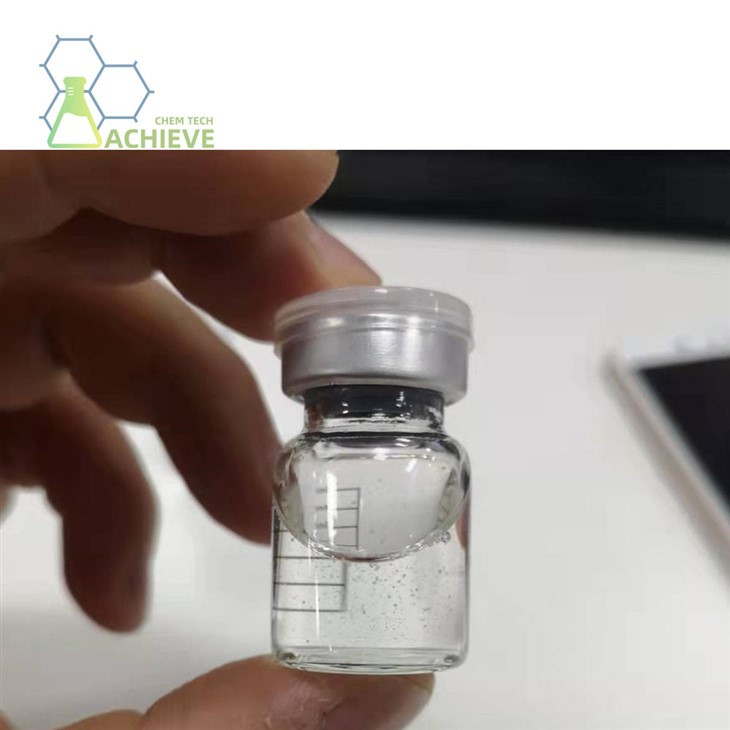
GS-441524 Injection
1.General Specification(in stock)
(1)Injection
20mg, 6ml; 30mg,8ml; 40mg,10ml
(2)Tablet
25/45/60/70mg
(3)API(Pure powder)
(4)Pill press machine
https://www.achievechem.com/pill-press
2.Customization:
We will negotiate individually, OEM/ODM, No brand, for secience researching only.
Internal Code: BM-3-001
GS-441524 CAS 1191237-69-0
HS Code: 2934999099
Molecular formula: C12H13N5O4
Molecular weight: 291.26
EINECS: 200-001-8
MDL No .: MFCD32666994
Analysis: HPLC, LC-MS, HNMR
Technology support: R&D Dept.-4
We provide GS-441524 injection, please refer to the following website for detailed specifications and product information.
Product:https://www.bloomtechz.com/oem-odm/injection/gs-441524-injection.html

How Does GS-441524 Injection Influence Recovery Outcomes in FIP Treatment?
Clinical Response Patterns in Treated Cats
In the initial weeks after treating cats GS-441524, physicians saw health benefits. Wet FIP reduces drainage and occasionally eliminates ascites in cats. Beginning treatment, body temperature normally returns to normal, and the person feels less hungry and more energised. Changes suggest antiviral treatment is fighting infection.


People heal at different speeds. Some cats heal quickly. Five to seven days following treatment, symptoms improve. Some progress after weeks of slowness. Veterinarians consider various aspects while assessing animal therapy response. Examples include fever, ocular swelling, and fluid buildup. Blood tests evaluate liver enzymes, albumin, and globulin. Clinicians may assess therapeutic efficacy using these exams.
Long-term healing depends on treatment duration and compliance. Cats have a better probability of surviving with full treatment. Many long-term-treated cats live for years, according to studies. Good treatment may alleviate symptoms and heal long-term.

Impact on Disease Progression and Remission Rates

This antiviral agent's major medicinal advantage is illness prevention. Without treatment, FIP progresses over time, and cats with symptoms deteriorate quickly. The nucleotide counterpart, GS-441524 injection, inhibits cell growth by preventing viral multiplication. Cats may go weeks without treatment. The right antiviral medication may keep them healthy for months or years.
Animal studies imply recovery depends on illness severity before therapy. Over 80% of wet FIP cats benefit from organ preservation before treatment. Dry FIP with eye or brain symptoms may need longer treatment and higher doses, although results are typically good. Recovery appears to depend largely on starting treatment before the sickness affects organs.


Care planning involves preventing old habits. Post-treatment illness in some cats requires longer or more frequent medication. Cats treated longer than advised may prevent the illness from returning, say vets. Neurologically impaired or delayed-reacting cats suffer most. Early detection of recurrence enables treatment to continue promptly.
Comparative Survival Statistics Before and After Treatment Availability
FIP sufferers struggled before treatment. Most sick cats perished within days to weeks. Not many survived. Treatment may reduce symptoms but doesn't change the fact. FIP became one of the most feared animal illnesses.
Life statistics now tell a different tale. Veterinary clinics may now record fatality rates that were unthinkable a few years ago because to antivirals. If treated appropriately, cats survive 12 weeks of treatment and live normally. Some medical societies estimate that 85%–90% of cats treated properly will live. This alters illness treatment.
Quality of life ratings indicate the gap more. Cats exercise and resume their routine after healing. Cat owners say their cats are playing, cleaning, and socialising again. This means longer and healthier FIP cat life.


Antiviral Mechanism of GS-441524 Injection and Its Role in Disease Control
Molecular Interaction with Feline Coronavirus
A nucleotide mimic suppresses viral RNA synthesis as a drug. After receiving triphosphate, cells modify molecules to produce active triphosphate. The active versions mimic natural nucleotides, which viruses need to create DNA.
These compounds are added to transcription by viral RNA-dependent enzymes. Coronavirus replicates this way.
Because similar nucleotides lack chemical groups needed to prolong chains, this change hinders viral replication. The RNA strand can't extend once the viral polymerase adds one of these molecules.
The chain breaks early. Stops the virus from making healthy RNA. This stops the infection from spreading. The host cannot maintain viral life without replication.
A exact connection allows the chemical to kill viruses without hurting many cells. Mammalian cellular polymerases care less about copies than viral enzymes. This helps the virus avoid replication.
Suppression of Viral Load and Reduction of Inflammatory Response
The goal of FIP therapy is virus eradication. Viral loads produce significant inflammation in this condition. Symptoms are horrible for cats with this illness. The GS-441524 injection treats the cause by preventing viral transmission.
The immune system may recover from low viruses. Inflammatory signals that injure tissues are reduced.
Clinical change rises with viral load decrease. Cats with slower virus replication had lower fevers, better appetites, and more energy. Therapy reduces acute phase proteins and inflamed blood globulin.
The viral trigger reduces the immune system's blood vessel damage and effusions.
Keeping the infection out during treatment helps the body heal. The liver, kidneys, and other FIP-injured organs may heal following inflammatory shock.
If they start treatment before organ damage is irreparable, sick cats may recover. This medicine helps the body repair damaged tissue by destroying viruses.

Can GS-441524 Injection Support Faster Clinical Stabilisation in FIP Cats?
Rapid Symptom Relief and Physical Improvement

After the vet begins medication, cats usually improve within a week. Shots usually reduce fever within 48–72 hours. It eliminates one of the worst symptoms immediately. After being dull and shy, cats become more interested in their environment before their body temperature returns to normal. This immediate reaction indicates that the therapy is working.
Most individuals feel hungry when a fever subsides. FIP cats skip meals, which weakens them and causes rapid weight loss. Since antiviral treatment helps cats feel better, many start eating on their own again and sometimes eat more. This much food offers the body the nourishment it needs to mend and the defence system the fuel it requires. Weight gain begins in the second or third week of therapy.


As they recover, cats become busy. Cats may first clean themselves more or become more attentive. Cats generally return to normal after therapy. Do things they loved before illness. Better life quality results from these behaviour modifications. This assures pet owners that their pet is improving, not merely alive.
Acceleration of Laboratory Value Normalisation
As antiviral medication works, FIP-related blood test issues improve. FIP patients have too much globulin in their blood, which lowers their albumin-to-globulin ratio. As chronic inflammatory excitement fades, it improves. Adjustment usually takes a few weeks. Albumin rises, and hyperglobulinemia disappears when the immune system relaxes. By tracking these figures, vets can assess therapy efficacy independently.


FIP patients had elevated liver enzymes. Reduced liver inflammation lowers these values. Because their bilirubin levels have normalised, some cats' jaundice is no longer evident. Normal skin and mucous tissues appeared. In renally involved cats, blood urea nitrogen and creatinine levels return to normal. Lab results reveal organ function is recovering, and symptoms are improving.
Total blood count issues may be treated. Anaemia is common with FIP. As bone marrow recovers and inflammation that prevents red blood cell production subsides, this improves. White blood cell counts and differences normalise when the immune system recovers. People with thrombocytopenia have the same platelets. These blood number fluctuations stabilise and aid healing.

Shortened Critical Care Duration

Cats with FIP require soothing care throughout therapy. Patients may require hospitalisation for more care, feeding assistance, or other issues. This urgent care time is far shorter than when symptoms were treated. Because the drug fights viruses. Instead of merely surviving, cats slow down quicker when the infection is actively prevented.
Veterinary experts say cats who get antiviral medication immediately frequently recover quicker and may go home. Very ill cats may remain in the hospital for a long period, but many recover rapidly and may go home a few days after treatment. The earlier adjustment simplifies cat care and cuts costs. Giving cats their next vaccinations at home helps them recover in a familiar, stress-free environment.


Care becomes less vigorous with time. This benefits health and finances. Veterinarian resources may be better allocated when cats react fast to antivirals. When owners must choose between treating their cats and conserving money, long-term care may be prohibitively expensive. Getting healthy quickly lets families afford comprehensive care for more cats. This might rescue cats from being euthanised due to cost during a protracted critical illness.

Factors Affecting Treatment Response to GS-441524 Injection in FIP Cases
Disease Stage and Form at Treatment Initiation
Treatment effectiveness depends on when you start. Before organ damage, cats who are detected and treated early perform best. If taken soon, virus-fighting drugs such as GS-441524 injection may stop the virus from spreading and damaging tissue.
The experts emphasise the need to rapidly diagnose and treat the problem to increase success.
Medicine operates differently depending on the ailment. When fluid levels decline, effusion-filled wet FIP usually responds. This makes treatment effectiveness obvious. Images and physical exams may help.
The signs of dry FIP are less obvious, making treatment tougher. Brain and eye forms may take longer to remedy and need regular monitoring to determine whether they improve.
Sick cats are tougher to treat. A person with serious cognitive impairment, widespread organ damage, or significant handicap is less likely to respond when found.
Even if cats have severe symptoms, vigorous therapy may cure the condition. Veterinarians must know what to anticipate and that some cats behave better than predicted. This implies that therapy is worth attempting even when things appear bad.
Dosage Accuracy and Treatment Protocol Adherence
Healing requires correct dose. After treatment, the infection may spread, increasing the likelihood of treatment failure. Five to seven milligrams per kilogram of body weight daily may stop most infections.
Eye or nerve-damaged cats need 8–10 mg/kg to get the medicine. To give each cat the right medicine, weight and dose calculations are essential.
People with long-term therapy fare better. A 12-week course is suggested, however many veterinarians prefer 16-week or longer programs. Too quickly quitting medicine may make cats sick again, greatly increasing the likelihood of recurrence.
Pet owners must know how much work it takes and make sure their dogs get their regular vaccinations.
Your comfort and pharmaceutical effectiveness depend on shooting skill. Medicine under the skin may be removed from tissue storage. Choose the ideal sides and back positions, adjust them to prevent tissue damage, and make sure the needle passes through.
A bad method may leak drugs, miss dosing, or cause tissue reactions that make treatment difficult. Vet teams can reassure pet owners by demonstrating adequate immunisation.
Individual Patient Factors and Concurrent Health Conditions
Researchers are studying why cats' genetics affect healing. Some cats heal faster from the same illness. Different-aged cats may behave better. All ages may improve, thus age shouldn't dictate treatment.
Strong immune systems affect cat antiviral medication effectiveness. Strong-skinned cats may eliminate pathogens better after replication. However, cats with weak immune systems or several diseases may have more problems.
Treatment may be harder for cats with the feline immunodeficiency virus and feline leukaemia virus, although many may recover.
FIP treatment must address health issues. Cats with renal, hepatic, or cardiac disorders need close monitoring during treatment. Cats recover faster with nutrition.
Cats with malnutrition need virus therapy and food. Antiviral drugs accelerate recovery when pain, worry, and support are managed.

The Veterinary Observations on GS-441524 Injection Effectiveness in FIP Management
Clinical Case Outcomes and Success Patterns
Vets worldwide have learned a lot about this antiviral drug in recent years. Clinicians think real-life experience enhances treatment strategies, increasing success rates. Initial users learned by failing and attempting. Over time, they discovered appropriate dosages, treatments, and care. Medical experts who share information and best practices enhance results.


Seeing patterns helps doctors forecast patient progress. If they recover quickly in the first few days, most cats stay healthy throughout treatment. Staying hungry when sick usually helps. However, cats with serious brain disorders or poor health may need more active care and longer therapy. Clinicians who have seen many patients may use their initial behaviour to gauge their mood.
Veterinary records describe several cats that recovered from severe sickness. Veterinarians address animals with serious neurological disorders, fluid accumulation, or low response. The cats healed and lived again. These amazing cures show the medicine's potential when properly given. Therapy keeps many cats healthy for years. Better treatment leads to long-term rehabilitation, not temporary respite.

Challenges and Limitations in Clinical Practice

Overall, the medicine performs effectively, but practitioners should be aware of risks. Even with care, some cats suffer. Stay sick or become worse. Some treatments fail due to the virus, the body's defences, or the illness's severity. Doctors should acknowledge that these side effects may make their revolutionary medicines fail.
Patients who return after therapy must be treated by veterinarians. Some animals become sick months after proper therapy. Many returners require a long time to recover. Since it's hard to forecast a return, someone must be observed for a long period after improving. Management of cases becomes tough.
Things hinder some animals from getting lifesaving care. Many homes can't afford dog medicine, thus they can't provide proper care. Not all places have good drugs. Different restrictions in certain countries make things harder. Though beneficial, not all FIP cats may get treatment. Because of major concerns.
Evolution of Treatment Protocols Based on Clinical Evidence
Hands-on experience changes veterinary practices. Reviewing more cases and monitoring results improved initial therapy recommendations. Current dosage recommendations vary per disease. Brain and eye shapes need more. Vets advocate lengthier therapy since they prevent recurrence better.
Researchers found that supportive and antiviral drugs work better together. While fighting infections, it improves nutrition, immunity, and symptoms. As the cat recovers, some vets consider oedema or cardiac function treatment. This technique may be more effective since it tackles many disease sites.
Vets are discovering what makes a treatment work, making animal monitoring harder. If necessary, clinical signs, bloodwork, and imaging investigations may objectively evaluate therapeutic success. Standardised monitoring detects therapeutic failure early for adjustment. This structured case management promotes professional treatment from the outset.

Conclusion
As more individuals utilise GS-441524 injection, the evidence that it treats FIP grows. FIP survival rates have improved since medicines began, when the illness invariably died. Antiviral treatment may let cats recuperate for years and return to a normal existence that wasn't conceivable a few years ago.
Getting diagnosed early, administering the proper quantity, following the treatment plan, and receiving good care all impact treatment success. Not all cats react well, but the large percentage that do is a tremendous step forward in treating this condition, which was formerly considered useless. Doctors improve rules as they understand more.
If your pet has FIP, there is hope. If antiviral medication works, death discussions may turn to treatment plans and recovery. One of the biggest cat care innovations in recent decades is this simple one. This means injured cats may have long, healthy lives with their family.
FAQ
1. How many of the cats that get the GS-441524 injection for FIP actually make it?
+
-
Veterinary research from today demonstrates that cats who get the entire GS-441524 injection die 80% to 90%. The severity of the condition before therapy and how well the cats followed the plan determine this. Cats often perform better when treated early in the illness. Cats with severe brain involvement or significant appearances may have a decreased success rate. Many carefully treated cats remain healthy for years following treatment, according to long-term follow-up examinations. This indicates a permanent solution, not simply symptom management.
2. Following the GS-441524 injection, how long does it take for cats to feel better?
+
-
Most cats recover within a week and lose their fevers after 48–72 hours of therapy. The first 7–10 days usually provide increased energy and a larger stomach. Big improvements like decreased oedema and stable bloodwork occur over the following several weeks as the viral load and inflammation diminish. Most cats recuperate after 12–16 weeks of therapy, although each cat has its unique timeframe. Cats may take longer to change their brain or eye issues.
3. Is it possible to treat all kinds of FIP with the GS-441524 injection?
+
-
GS-441524 injections treat wet and dry FIP differently. Wet FIP improves faster and works better after effusions, but dry FIP takes longer. Treatment for neurological and ocular kinds takes longer and costs more, but many individuals recover. Regardless of therapy, success relies on how severe the condition is at the outset. Treatment for any FIP in cats is worth attempting since it doesn't always succeed. All forms of FIP cats have improved with antiviral treatments.
Your Trusted GS-441524 Injection Supplier: BLOOM TECH
If you want to find a reliable GS-441524 injection provider, skill and quality are very important. BLOOM TECH is the company you should work with to get high-quality drugs that kill viruses that can be used on animals. Our buildings are GMP-approved, which means they meet world standards. The US FDA, the EU GMP, and the CFDA have all certified them. We've been making chemicals and pharmaceutical ingredients for more than 12 years. Our three-step quality control process makes sure that each batch meets strict standards because we know how important it is for drugs that can save lives to always be of high quality. We have clear prices, exact wait times, and lots of paperwork, all of which help the buying process go quickly. We can help you if you need a lot of antiviral compounds for a research centre, a pet pharmaceutical company, or a specialty chemical dealer. BLOOM TECH is reliable and knows a lot about chemicals.
Get in touch with our helpful staff to talk about your specific needs for GS-441524 injection and other antiviral drugs like it. Twenty-four of the world's largest drug companies work with our reliable sources. This shows that we care about quality and security. We set our profit margins and keep our prices low. This keeps our relationships strong and ensures that our quality standards never drop. Email our sales team atSales@bloomtechz.com if you want to know more about our goods, formal paperwork, or special synthesis. You can get antiviral chemicals that are safe for use in medicine at BLOOM TECH. These chemicals can save lives.
References
1. Pedersen NC, Perron M, Bannasch M, Montgomery E, Murakami E, Liepnieks M, Liu H. Efficacy and safety of the nucleoside analog GS-441524 for treatment of cats with naturally occurring feline infectious peritonitis. Journal of Feline Medicine and Surgery. 2019;21(4):271-281.
2. Murphy BG, Perron M, Murakami E, Bauer K, Park Y, Dowgier G, Metzger MJ, Jardi F, Pedersen NC. The nucleoside analog GS-441524 strongly inhibits feline infectious peritonitis virus in tissue culture and experimental cat infection studies. Veterinary Microbiology. 2018;219:226-233.
3. Dickinson PJ, Bannasch M, Thomasy SM, Murthy VD, Vernau KM, Liepnieks M, Montgomery E, Knickelbein KE, Murphy B, Pedersen NC. Antiviral treatment using the adenosine nucleoside analogue GS-441524 in cats with clinically diagnosed neurological feline infectious peritonitis. Journal of Veterinary Internal Medicine. 2020;34(4):1587-1593.
4. Jones S, Novicoff W, Nadeau J, Evans S. Unlicensed GS-441524-like antiviral therapy can be effective for at-home treatment of feline infectious peritonitis. Animals. 2021;11(8):2257.
5. Krentz D, Zenger K, Alberer M, Felten S, Bergmann M, Dorsch R, Matiasek K, Kolberg L, Hofmann-Lehmann R, Meli ML, Hartmann K. Curing cats with feline infectious peritonitis with an oral multi-component drug containing GS-441524. Viruses. 2021;13(11):2228.
6. Tasker S. Diagnosis of feline infectious peritonitis: update on evidence supporting available tests. Journal of Feline Medicine and Surgery. 2018;20(3):228-243.