


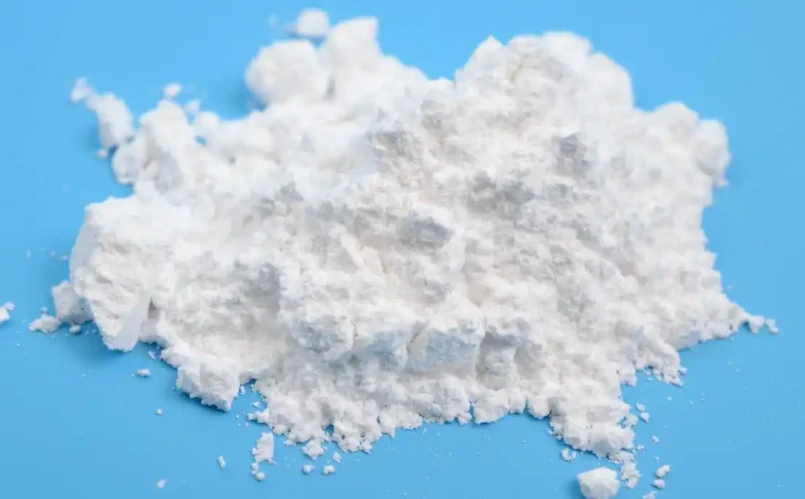
In the past few years, there have been amazing advances in the creation of antiviral drugs. Nucleoside mimics have become an important part of therapy. GS-441524 powder has gotten a lot of attention because it is very good at fighting viruses and works in a very different way than the other compounds. This small molecule nucleoside analogue looks like a hopeful way to fight different RNA virus attacks. It gives pharmaceutical researchers and makers a new tool to use in the ongoing fight against viral pathogens.
To figure out how useful this substance is as a drug, we need to look at how it interacts with other molecules, how it might be used therapeutically, and how it is used in modern medicine. The role of GS-441524 powder is becoming more important to modern drug development as pharmaceutical companies and research institutions keep looking for new ways to fight viruses.

GS 441524 Powder CAS 1191237-69-0
1.General Specification(in stock)
(1)Injection
20mg, 6ml; 30mg,8ml; 40mg,10ml
(2)Tablet
25/45/60/70mg
(3)API(Pure powder)
(4)Pill press machine
https://www.achievechem.com/pill-press
2.Customization:
We will negotiate individually, OEM/ODM, No brand, for secience researching only.
Internal Code: BM-2-1-049
GS-441524 CAS 1191237-69-0
Analysis: HPLC, LC-MS, HNMR
Technology support: R&D Dept.-4
We provide GS-441524 powder, please refer to the following website for detailed specifications and product information.
Product link:https://www.bloomtechz.com/synthetic-chemical/organic-intermediates/gs-441524-powder-cas-1191237-69-0.html

How Is GS-441524 Powder Evaluated for Pharmaceutical Value in Antiviral Therapy Development?
To figure out how useful nucleoside analogues are as drugs, they must first go through strict quality assessment protocols. To make sure uniform treatment results, the compound must meet strict purity standards, usually being more than 98% pure. Analytical methods like high-performance liquid chromatography (HPLC) and mass spectrometry (MS) give pharmaceutical businesses the detailed compositional data they need for regulatory applications and to make sure their products are always made the same way.


The factories that make this antiviral compound have to follow Good Manufacturing Practice (GMP) rules that are recognised by regulatory bodies like the US Food and Drug Administration (FDA), the European Medicines Agency, and China's Food and Drug Administration (CFDA). These rules make sure that the factories keep the clean conditions and quality controls needed for pharmaceutical-grade materials. Another important evaluation factor is batch-to-batch consistency, since the therapeutic effectiveness depends on consistent chemical makeup across production runs.
The evaluation of a drug's value includes measures of both chemical purity and biological action. Scientists test how well an antiviral drug works by measuring EC50 values in cell cultures. This is the concentration needed to stop the replication of a virus by 50%. Scientific tests have shown that this nucleoside variant is very effective against a number of different RNA viruses, with amounts that are safe enough to use in medicine.Studies using animals are very important for learning about absorption, tissue distribution, and how well medicines work in living things.

In these preclinical studies, the compound is tested to see how it reacts when given through different routes. The goal is to see how it lowers the viral load and improves clinical symptoms. The safety profile that these studies give us helps us figure out how much to give people and what side effects might happen that need to be watched closely during clinical development.The compound's ability to meet regulatory documentation standards is part of its pharmaceutical value. Pharmaceutical companies can include references to a drug in their regulatory filings by using
Drug Master Files (DMFs) that have full factory information, analytical methods, and stability data. Each batch comes with a Certificate of Analysis (CoA) document that verifies the quality specifications and makes sure they meet pharmaceutical standards. Shelf life and handling needs of GS-441524 powder are based on long-term stability studies done in a variety of storage conditions. This chemical needs to be stored at 2–8°C for short-term stability and -20°C for long-term preservation. This is important knowledge for managing the supply chain and planning clinical applications.


GS-441524 Powder and Drug-Target Interaction Mechanisms in Antiviral Applications
Molecular Recognition and Binding
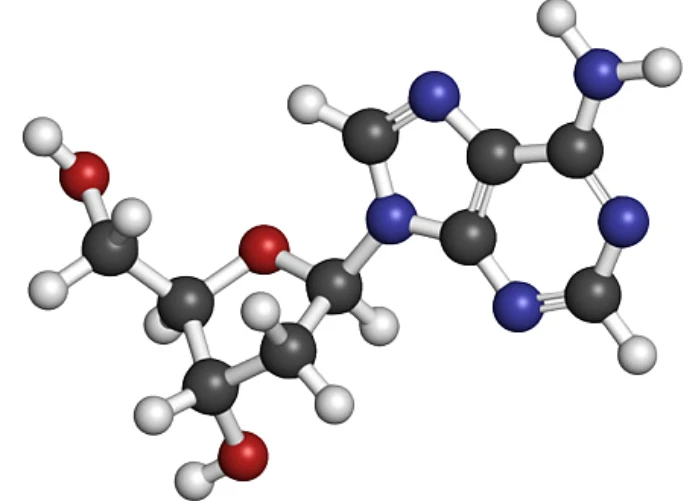
This nucleoside variant works as a medicine because it has the same structure as natural nucleotides. The structure of the compound lets it interact with viral RNA-dependent RNA polymerase (RdRp), which is the enzyme that copies viral genetic material. The enzyme's active site has specific hydrogen bonding and hydrophobic interactions that make molecules stick together.
Crystallographic studies have shown how the molecule fits into the polymerase catalytic region and competes with natural nucleotide substrates. The modified ribose sugar moiety and the 1'-cyano group help with binding while making the compound different from naturally occurring nucleotides. This selectivity lowers effects on host cell polymerases that aren't supposed to happen, which opens up the therapeutic window.
Chain Termination Mechanism
The nucleoside variant works as a delayed chain terminator once it is added to the growing virus RNA strand. Unlike quick terminators, which stop RNA synthesis as soon as they are added, this substance lets a few more nucleotides be added before it stops further extension. This delayed termination mechanism works well because it makes it less likely that viral
polymerase will find and remove the included analogue. The process involves breaking up the structure of the RNA template-primer complex after the copy is added. The special chemical properties of the compound stop the conformational changes that are needed for polymerase to keep working. This stops viral replication without immediately activating viral proofreading mechanisms that could remove the added nucleotide.


Resistance Profile Considerations
Part of understanding how drugs interact with their targets is figuring out how resistance might work. In theory, changes in the viral polymerase active site could either make it less likely to bind or make excision more effective. Researchers who have been keeping an eye on viral groups that have been treated with nucleoside mimics have found certain amino acid changes that make the viruses less susceptible.
One important thing to think about when making medicines is the barrier to resistance. Compounds that need more than one mutation to build major tolerance offer more long-lasting treatment choices. Studies that look at how viruses change under selective pressure can help doctors predict patterns of resistance in patients and come up with combination treatment plans that stop resistance from happening as quickly as possible.


What Defines the Therapeutic Antiviral Potential of GS-441524 Powder?
Broad-Spectrum Activity Profile
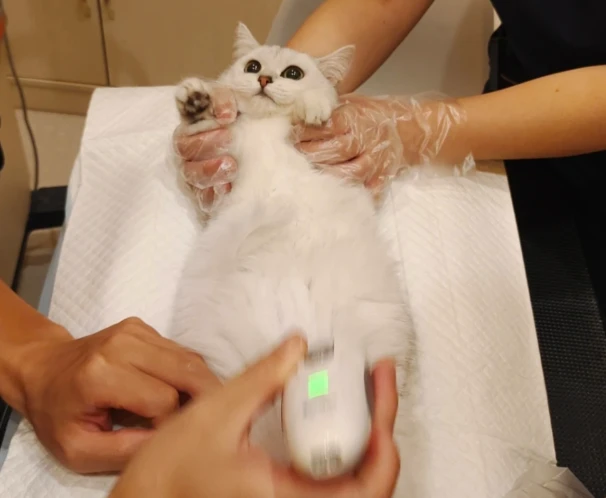
Any antiviral compound's healing potential depends on its activity spectrum. Coronaviruses, filoviruses, and other RNA-dependent RNA polymerases are inhibited by this nucleoside analogue. Because virus families share viral polymerase active sites, this broad range of activity is feasible.It is effective against the feline infectious peritonitis virus (FIPV), a cat coronavirus with few treatment options, according to lab research.
Veterinary studies demonstrate that treating ill animals with this chemical improves outcomes and eliminates the infection in many. These field data demonstrate that the healing value exceeds lab values.
This compound's capacity to combat many viruses implies that GS-441524 powder might be employed in novel infectious disease conditions. Drugs that inhibit polymerase may be utilised immediately when novel viruses become pathogens until variant-specific therapies are developed.

Pharmacokinetic Properties
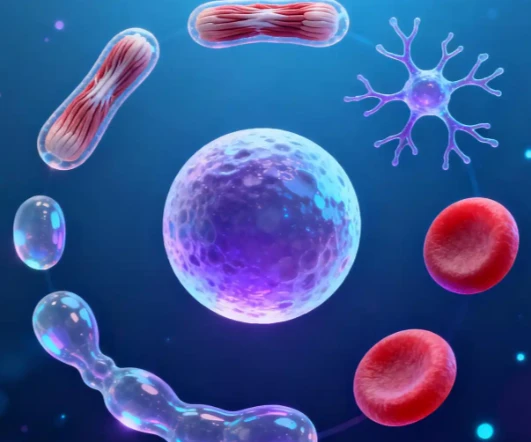
Good pharmacokinetics are crucial for therapeutic potential. The substance enters the proper tissues and fights viruses in the right organs following administration. Bioavailability tests reveal that the chemical may be administered into the body in many ways, giving physicians new therapy choices.How frequently to administer and how easy to treat depend on metabolic stability. Cells phosphorylate this nucleoside analogue to create active triphosphate
metabolites that interact with viral polymerases. The effectiveness of this activation mechanism and the half-life of active metabolites determine how frequently dosage is needed to maintain therapeutic amounts.
Characterising elimination routes and medication interactions is crucial. Knowing how the molecule interacts with metabolic enzymes and transport proteins helps predict how it will interact with other drugs. This is crucial for multi-treatment patients.

Clinical Translation Considerations
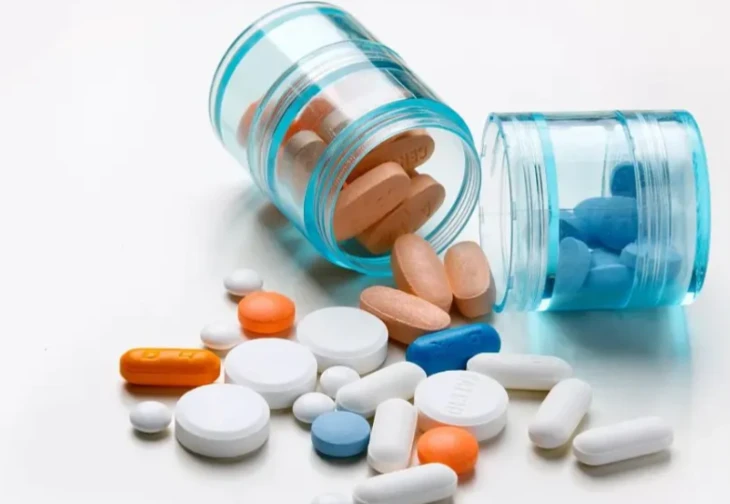
Bringing experimental promise to clinical reality requires considering real-world therapeutic challenges. Formulation development keeps the chemical stable and bioavailable in patient-given pharmaceuticals. The drug's clinical usefulness depends on its dissolution, chemical stability in various formulation materials, and transport system performance.Toxicology studies assist in generating safety profiles that identify dosage ranges and organ systems to monitor throughout therapy.
This nucleoside version is safe for most animals; young animals with developing teeth may require particular attention. This is because it may affect rapidly dividing tissues.
Patient compliance elements, including medication frequency, method, and duration, impact real-world success. Less frequent dosages or oral therapies have greater adherence rates; they function in the clinic.

Pharmaceutical Mechanism Insights of GS-441524 Powder in Viral Control
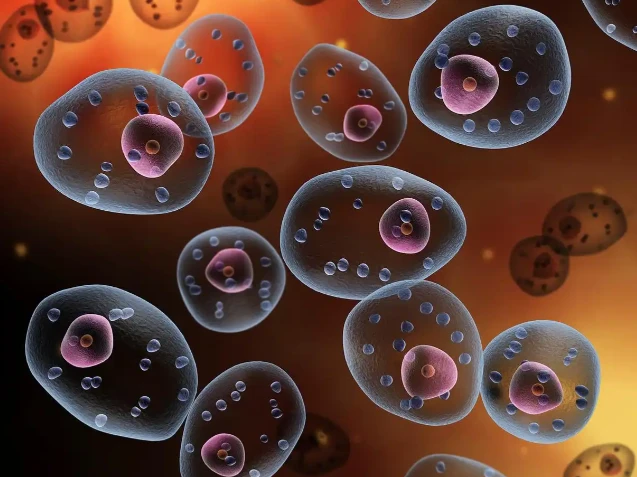
Cellular kinases phosphorylate the parent nucleoside step by step to activate the medication. This metabolic mechanism converts the chemical into triphosphate, which competes with natural ATP and GTP for viral RNA. Different cells phosphorylate differently, which impacts how successfully it fights viruses in various organs.Cellular kinases detect the molecule's structure and add phosphate groups to the 5'-hydroxyl location, speeding up the process. Usually, the initial phosphorylation slows things down.
Faster phosphorylations follow. These activation kinetics may help researchers optimise analogues for intracellular conversion and antiviral efficacy.
Viral polymerases favour activated triphosphate over cellular polymerases, improving therapeutic index. Most viral enzymes don't have substrate selectivity like host polymerases. Nucleotide replacements may be introduced to viral nucleic acids while sparing host cell DNA and RNA.
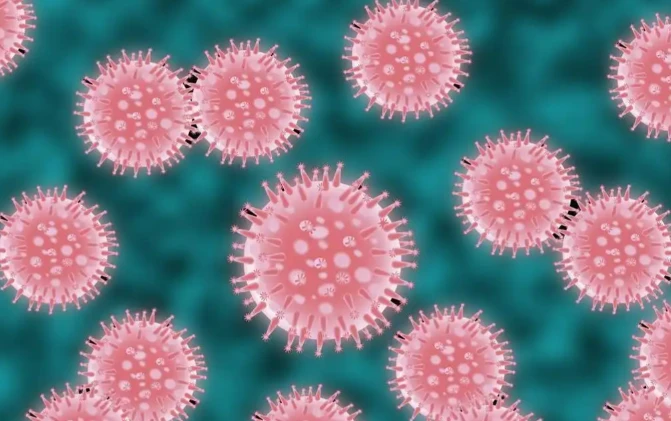

Viral replication follows this order: attachment, entrance, genome replication, assembly, and release. Nucleoside analogues inhibit viral RNA synthesis during genome replication. Infected cells release fewer active virus particles into the environment as replication progresses.Mathematical modelling of viral dynamics shows polymerase inhibitors reduce bodily viruses over time. Even stopping some viral development may affect the immune system's balance between creating new viruses and eliminating them, allowing the host's defences to fight the infection.
Clinical results improve with viral load reduction magnitude and rapidity.
The date of therapy begins affects its efficacy. Early treatment, before the virus spreads and damages tissue, usually yields better outcomes. This idea emphasises the need to diagnose and treat viral infections.
Modern antiviral strategies increasingly utilise combination medicines to halt virus multiplication in several ways. Nucleoside mimics may be used with protease inhibitors or immune modulators to improve efficacy and prevent tolerance.
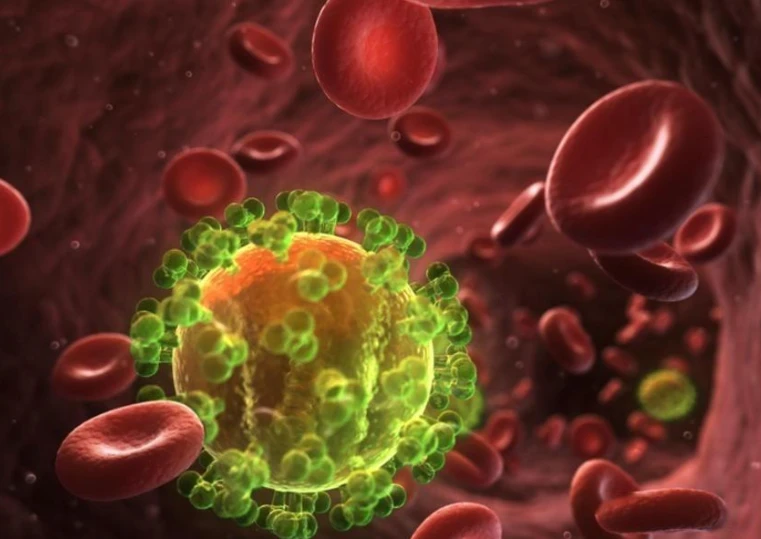

Combination techniques may enable lower dosages of individual elements while maintaining or boosting antiviral activity. This may lessen adverse effects from larger dosages of one agent. Pharmacological investigations examine drug combination interactions that contribute or operate together. This information helps physicians mix medications optimally. Combination-effective compounds such as GS-441524 powder have medicinal relevance beyond their single-agent activity. Molecular techniques that improve current medicines or enable novel combination methods may help cure difficult viral infections.

GS-441524 Powder and Its Role in Modern Antiviral Drug Development Pathways
Medicinal chemistry optimisation in drug development begins with lead compounds. Scientists design chemical structural changes while monitoring antiviral activity, selectivity, and physiological parameters. SAR studies determine which sections of molecules have the desired effects and which alterations improve medication profiles.Improvements include changing the sugar moiety, nucleobase, and prodrug methods. alterations, improving lead optimisation programs.
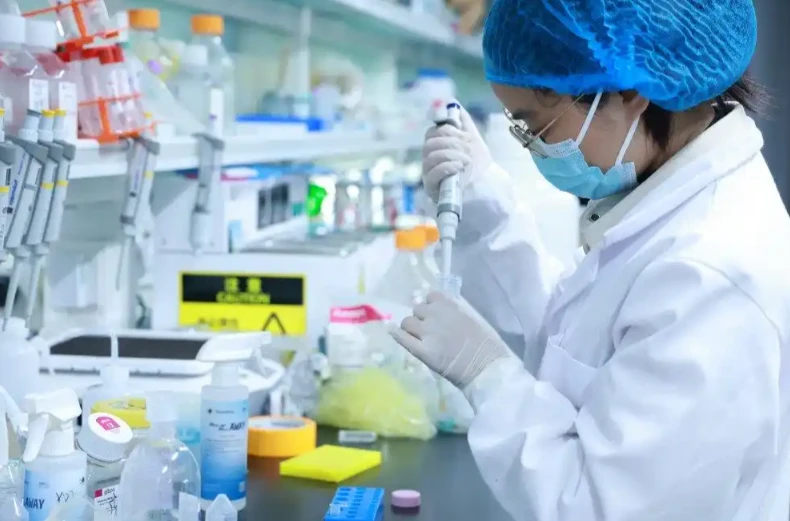

Each structural modification reveals fresh knowledge about the molecular needs of viral polymerase interactions and helps us develop better analogues.
Computer modelling lets us predict how structural modifications will impact target binding and ADME features before they are made, speeding up SAR research. Synthetic chemists use molecular docking simulations and pharmacophore modelling to produce the best alterations, improving lead optimisation programs.
Before being licensed as medications, antiviral compounds must undergo several difficult regulatory procedures. Investigative New Drug (IND) applications collect animal safety and efficacy data for human clinical trials. The quality and completeness of this data determine whether regulatory agencies allow clinical research.Clinical research tests safety, dosage, and efficacy on larger patient populations. Phase I studies examine safety and metabolism in healthy patients or volunteers.
Phase II studies determine the drug's preliminary efficacy and optimal dosing for certain patient categories. Phase III pivotal studies provide safety and efficacy data for marketing approval.
Keeping compound quality consistent from GMP-certified producers throughout development ensures clinical trial materials fulfil preclinical criteria. Supply chain dependability becomes increasingly crucial as projects progress. This requires partnering with suppliers who can boost production and quality.
Laboratory synthesis techniques that create gram quantities for investigation tend to fail for kilogram-to-ton commercial manufacture. Chemical engineers create repeatable synthetic material production methods that increase productivity, cut prices, and maintain quality. Process analytical technology (PAT) enables you monitor key process parameters in real time while making a product, ensuring consistent quality.


Instead of checking the final product, quality-by-design approaches integrate quality into production. Finding licensed suppliers that follow the regulations, maintain consistent quality, and deliver on time is key to managing pharmaceutical raw material supply chains. Antiviral product manufacturers should proactively partner with certified and technical providers.

Conclusion
GS-441524 powder's robust mechanism, high activity profile, and drug development potential make it beneficial in antiviral treatment. While nucleoside analogues' therapeutic potential is still being studied, this chemical illustrates how molecular understanding may cure viral infections.
Pharmaceutical businesses, research centres, and contract development organisations require technical experts, dependable suppliers, and compliance with regulations to get high-quality antiviral compounds. Quality production, thorough analytical assistance, and fast professional service are needed for demanding pharmaceutical development projects.
The research of antiviral medications is continually evolving, thus novel molecules might satisfy unmet medical requirements. Nucleoside analogues are still crucial to these efforts since they can attack new and old viruses in numerous ways.
FAQ
Material that is meant to be used in pharmaceuticals should be at least 98% pure, which can be shown by using several testing methods, such as HPLC and mass spectrometry. With each batch, suppliers should send full Certificates of Analysis that show the product's purity, identity, any remaining solvents, and heavy metals. Making things should only happen in places that have the right GMP certifications from official regulatory bodies. This will make sure that the quality stays the same and that everything can be tracked throughout the production process.
This compound has special building blocks that allow the chain to end later than other similar compounds. This could be better than immediate-terminating alternatives because it could cut down on viral editing and proofreading. It works well against many types of RNA viruses and has been shown to work in veterinary settings, which is proof that it could be used in humans. Because it has a unique pharmacokinetic profile and tissue distribution features that set it apart from other nucleoside compounds, it can be used in certain medicinal situations.
Drug Master Files (DMF), manufacturing process descriptions, validation procedures, stability studies, and analytical method validation reports are all parts of full regulatory support paperwork. Suppliers should give thorough profiles of impurities, details on synthetic routes, and processes for change control. For global supply chains, the right paperwork for importing and exporting, help with clearing customs, and the ability to handle cold chains all keep products safe during transport.

Partner with BLOOM TECH for Premium GS-441524 Powder Supplier Solutions
If you need a reliable and high-quality GS-441524 powder provider for your antiviral research and development projects, BLOOM TECH is ready to help. Our 100,000-square-meter GMP-certified production facilities have approvals from the US FDA, the EU, the Japanese PMDA, and the CFDA. This means that the quality of our products is pharmaceutical-grade and meets the strictest international standards. We have been experts in organic synthesis and pharmaceutical intermediates for more than 12 years. We offer full technical support, accurate paperwork for customs clearance, and clear pricing structures that make us the preferred supplier for 24 major international biotechnology and pharmaceutical companies.
Our quality assurance process uses three checks: testing in the plant, analysis by an independent QA/QC department, and approval from a third party from an authorised agency. This makes sure that every batch meets your exact requirements. We know how important it is for pharmaceutical development to have a reliable supply chain. That's why our ERP platform keeps track of every detail with great accuracy, giving you exact lead times, consistent quality, and easy logistics coordination.
BLOOM TECH gives you the quality, service, and partnership you need, whether you work for a pharmaceutical company creating new antiviral drugs, a research organization advancing scientific knowledge, or a CDMO with many clients. Our professional research and development (R&D) team provides a one-stop, one-on-one service with clear pricing information and great product resources that are tailored to your needs.
Talk to our technical experts right away about your needs for GS-441524 powder and find out how BLOOM TECH's wide range of services can speed up your antivirus development projects. Email us at Sales@bloomtechz.com for full product details, legal paperwork, and custom solutions that help you take your study from an idea to a real business.
References
Warren TK, Jordan R, Lo MK, et al. Therapeutic efficacy of the small molecule GS-5734 against Ebola virus in rhesus monkeys. Nature. 2016;531(7594):381-385.
Pedersen NC, Perron M, Bannasch M, et al. Efficacy and safety of the nucleoside analog GS-441524 for treatment of cats with naturally occurring feline infectious peritonitis. Journal of Feline Medicine and Surgery. 2019;21(4):271-281.
Sheahan TP, Sims AC, Graham RL, et al. Broad-spectrum antiviral GS-5734 inhibits both epidemic and zoonotic coronaviruses. Science Translational Medicine. 2017;9(396):eaal3653.
Agostini ML, Andres EL, Sims AC, et al. Coronavirus susceptibility to the antiviral remdesivir (GS-5734) is mediated by the viral polymerase and the proofreading exoribonuclease. mBio. 2018;9(2):e00221-18.
Gordon CJ, Tchesnokov EP, Woolner E, et al. Remdesivir is a direct-acting antiviral that inhibits RNA-dependent RNA polymerase from severe acute respiratory syndrome coronavirus 2 with high potency. Journal of Biological Chemistry. 2020;295(20):6785-6797.
Murphy BG, Perron M, Murakami E, et al. The nucleoside analog GS-441524 strongly inhibits feline infectious peritonitis (FIP) virus in tissue culture and experimental cat infection studies. Veterinary Microbiology. 2018;219:226-233.