


Age makes the brain more vulnerable to neurodegenerative diseases. Researchers have investigated a wide variety of chemicals, including spermidine, in their quest to find optimal methods of safeguarding our cognitive health. Attention has been focused on this naturally occurring polyamine due to its possible neuroprotective qualities. What about the efficacy of spermidine tablets in warding against neurodegeneration? Here we will explore the scientific rationale of this fascinating chemical and its potential impact on brain function.
We provide spermidine tablets, please refer to the following website for detailed specifications and product information.
Product:https://www.bloomtechz.com/oem-odm/tablet/spermidine-tablets.html
|
|
1.We supply (1)Tablet:5mg (2)Capsule/Softgel:125mg (3)Cream Customizable (4)API(Pure powder) (5)Pill press machine https://www.achievechem.com/pill-press 2.Customization: We will negotiate individually, OEM/ODM, No brand, for secience researching only. Internal Code: BM-2-004 Spermidine CAS 124-20-9 Analysis: HPLC, LC-MS, HNMR Technology support: R&D Dept.-2 |
Autophagy's role in brain health
Before we explore the potential benefits of spermidine tablets, it's crucial to understand the concept of autophagy and its significance in maintaining brain health.
What is autophagy?
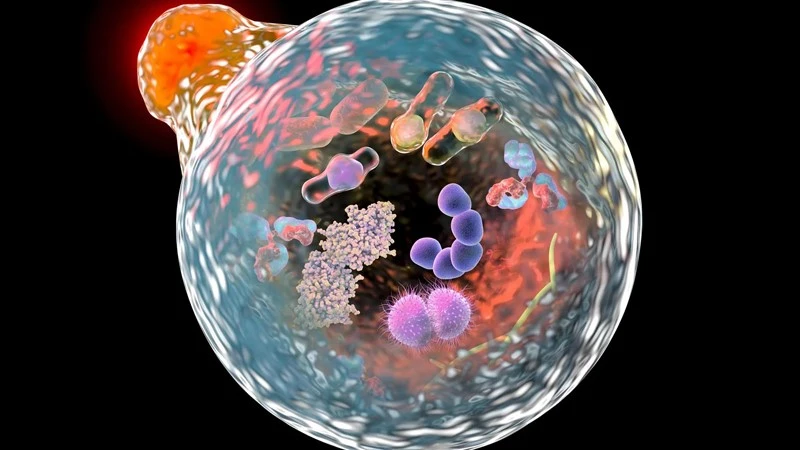
Autophagy is a cellular process that acts as the body's internal recycling system. It involves the breakdown and removal of damaged cellular components, including proteins and organelles. This process is essential for maintaining cellular health and function, particularly in the brain.
The link between autophagy and neurodegeneration
Impaired autophagy has been implicated in various neurodegenerative disorders, such as Alzheimer's and Parkinson's disease. When autophagy is compromised, toxic protein aggregates can accumulate in neurons, leading to cellular dysfunction and death. Enhancing autophagy may help mitigate these detrimental effects and potentially slow the progression of neurodegenerative diseases.

Spermidine as an autophagy inducer
Spermidine tablets have gained attention due to their ability to stimulate autophagy. By activating certain cellular pathways, spermidine can enhance the clearance of damaged proteins and organelles, potentially promoting neuronal health and longevity.

Spermidine and cognitive function: Current research
The potential cognitive benefits of spermidine have been the subject of numerous studies in recent years. Let's examine some of the key findings and their implications for brain health.
Animal studies have shown promising results regarding spermidine's neuroprotective effects. In rodent models of Alzheimer's disease, spermidine supplementation has been observed to reduce the accumulation of amyloid-beta plaques, a hallmark of the condition. Additionally, spermidine has demonstrated the ability to enhance synaptic plasticity and improve memory performance in aged mice.
While human studies on spermidine and neurodegeneration are still limited, some observational data suggest a potential link between dietary spermidine intake and cognitive health. A study published in the journal "Aging" found that individuals with higher dietary spermidine intake had a lower risk of cognitive decline over a three-year period.
The neuroprotective effects of spermidine tablets are thought to be mediated through multiple mechanisms:
Autophagy induction: As mentioned earlier, spermidine enhances cellular autophagy, which may help clear toxic protein aggregates from neurons.
Anti-inflammatory effects: Spermidine has been shown to reduce neuroinflammation, a process implicated in various neurodegenerative disorders.
Mitochondrial function: Some studies suggest that spermidine may improve mitochondrial function in neurons, potentially enhancing cellular energy production and resilience.
Neuroplasticity: Spermidine may promote the formation of new synapses and enhance neuronal connectivity, supporting cognitive function and adaptability.
Some researchers have explored the potential synergistic effects of combining spermidine with other neuroprotective compounds. For instance, a study published in the "Journal of Alzheimer's Disease" investigated the combined effects of spermidine and resveratrol, another autophagy-inducing compound. The results suggested that the combination might offer enhanced neuroprotection compared to either compound alone.
Long-term neuroprotection: Dosage and consistency matters
While the potential benefits of spermidine for brain health are intriguing, it's important to consider factors such as dosage, consistency, and long-term use when evaluating its efficacy in preventing neurodegeneration.




Optimal dosage for neuroprotection
Determining the optimal dosage of spermidine tablets for neuroprotection is an ongoing area of research. Current studies have used a wide range of doses, typically between 1-5 mg per kilogram of body weight per day. However, it's important to note that these dosages are based on preclinical studies and may not directly translate to human use.
Consistency and long-term use
The potential neuroprotective effects of spermidine are likely to be most pronounced with consistent, long-term use. Neurodegenerative processes often develop over many years, and interventions aimed at preventing or slowing these processes may require sustained application to show significant benefits.
Safety considerations
While spermidine is generally considered safe when consumed in dietary amounts, the long-term safety of high-dose supplementation has not been thoroughly evaluated in human studies. As with any supplement, it's crucial to consult with a healthcare professional before starting a spermidine regimen, especially for individuals with pre-existing health conditions or those taking medications.
Combining spermidine with lifestyle interventions
It's important to view spermidine supplementation as part of a holistic approach to brain health. Combining spermidine intake with other neuroprotective lifestyle factors, such as regular exercise, cognitive stimulation, and a balanced diet rich in antioxidants and omega-3 fatty acids, may offer synergistic benefits for cognitive function and neuronal health.
Future research directions
As interest in spermidine's neuroprotective potential grows, several areas warrant further investigation:
Large-scale, long-term human clinical trials to assess the efficacy of spermidine supplementation in preventing or slowing cognitive decline
Studies exploring the potential of spermidine as an adjunct therapy for existing neurodegenerative conditions
Investigation of biomarkers that could help identify individuals most likely to benefit from spermidine supplementation
Research into potential interactions between spermidine and commonly prescribed medications for neurological disorders
Conclusion
To sum up, there is encouraging preliminary evidence from studies investigating the use of spermidine tablets to prevent neurodegeneration, but these studies are still in their early phases. An interesting prospect for neuroprotection, the chemical may promote autophagy, decrease inflammation, and perhaps increase neuroplasticity. To find the best dosage methods and completely understand its effects, however, additional extensive human trials are required.
Pharmaceutical firms and research institutes may get high-quality chemical goods and bespoke synthesis services from Shaanxi BLOOM TECH Co., Ltd., including spermidine and related substances, which they can use to explore their potential. Your neuroprotective compound R&D efforts will be well-supported by our cutting-edge, GMP-certified manufacturing facilities and extensive knowledge of a wide range of chemical reactions and purification processes. To learn more about our products and services or to discuss your specific requirements, please contact us at Sales@bloomtechz.com. Our team of experts is ready to assist you in advancing your research into novel neuroprotective strategies.
References
1. Madeo, F., Eisenberg, T., Pietrocola, F., & Kroemer, G. (2018). Spermidine in health and disease. Science, 359(6374), eaan2788.
2. Schroeder, S., Hofer, S. J., Zimmermann, A., Pechlaner, R., Dammbrueck, C., & Pendl, T. (2021). Dietary spermidine improves cognitive function. Cell Reports, 35(2), 108985.
3. Wirth, M., Benson, G., Schwarz, C., Köbe, T., Grittner, U., Schmitz, D., ... & Flöel, A. (2018). The effect of spermidine on memory performance in older adults at risk for dementia: A randomized controlled trial. Cortex, 109, 181-188.
4. Minois, N. (2014). Molecular basis of the 'anti-aging' effect of spermidine and other natural polyamines - a mini-review. Gerontology, 60(4), 319-326.