


Infectious peritonitis in cats (FIP) has been one of the hardest diseases to treat for a long time. When this disease shows up in its dry form, it causes special problems that need the right kind of treatment. The creation of the GS-441524 injection has changed the way vets treat this disease, which used to be fatal, by giving cats with the disease an organised way to get better.
Dry FIP is very different from its wet cousin because it targets specific organs without causing fluid buildup. Knowing how to use the GS-441524 injection as part of a complete treatment plan gives pet owners and veterinarians the confidence and understanding they need to get through this tough journey.
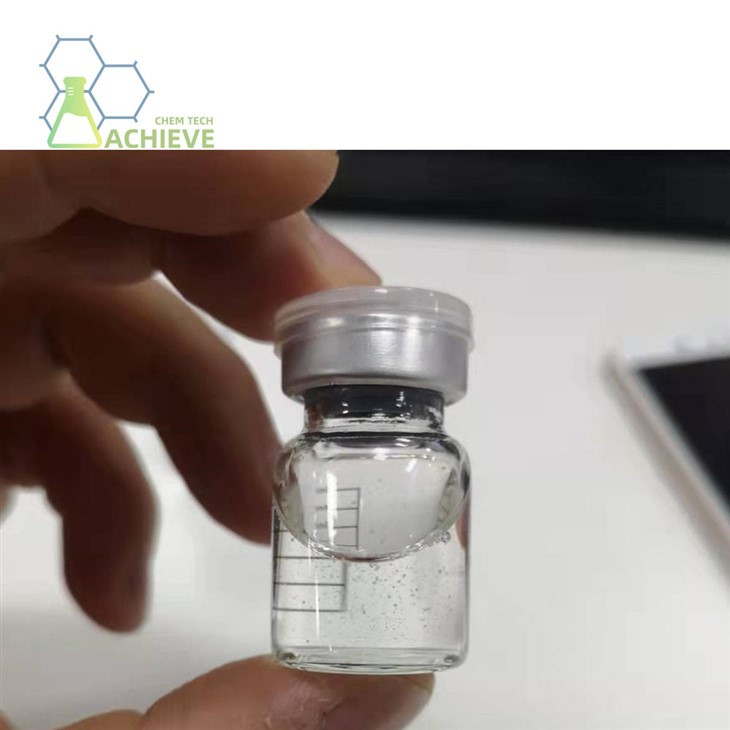
GS-441524 Injection
1.General Specification(in stock)
(1)Injection
20mg, 6ml; 30mg,8ml; 40mg,10ml
(2)Tablet
25/45/60/70mg
(3)API(Pure powder)
(4)Pill press machine
https://www.achievechem.com/pill-press
2.Customization:
We will negotiate individually, OEM/ODM, No brand, for secience researching only.
Internal Code: BM-3-001
GS-441524 CAS 1191237-69-0
Analysis: HPLC, LC-MS, HNMR
Technology support: R&D Dept.-4
We provide GS-441524 Injection, please refer to the following website for detailed specifications and product information.
Product:https://www.bloomtechz.com/oem-odm/injection/gs-441524-injection.html

How is GS-441524 injection applied in structured treatment protocols for dry FIP?
Understanding the pharmacological mechanism
This virus-killing drug works because it has a special way of working with molecules in cat cells. After being put under the skin, the chemical is changed by enzymes into its active triphosphate form. This molecule directly affects the viral RNA-dependent RNA polymerase, stopping the coronavirus that causes FIP from having its production machinery work.

The nucleotide analogue structure lets it join the growing viral RNA chain, which stops viral transcription before it's finished.
There is clinical proof that constant administration keeps therapeutic blood levels that are needed to stop the virus from replicating. It is bioavailable when given through subcutaneous methods because of the molecular weight and formulation properties of the injection. Veterinary professionals have found that this process works especially well against the mutated coronavirus types that cause dry FIP symptoms.
Dosage calculation and administration techniques
Figuring out the right dose takes careful thought about a lot of things that are unique to each patient. The main factor used for measurement is body weight, and the recommended daily amount is 4-5 milligrams per kilogram of body weight. For cats with nerve problems or eye problems, higher doses of 6 to 8 milligrams per kilogram are often needed to get the medicine to work in these hard-to-reach body parts.
The choice of injection spot is very important for treatment comfort and drug absorption. The best places are between the scapulae and go all the way down to the mid-dorsal lumbar region. By switching up the injection sites, you can keep the absorption patterns stable over the long treatment time and avoid irritating the tissue.
Using the right dilution methods ensures that the medicine gets the right concentration levels before it is given. This lowers the risk of local tissue reaction while keeping the medicine's healing effectiveness.
Treatment duration and monitoring requirements
Standard standards say that dry FIP cases must be treated within 12 weeks with GS-441524 injection at the very least. This extra time gives tissues time to heal and stop the virus from spreading, especially in organs that have granulomatous inflammation. Some cats with serious organ damage may need treatment to last longer than this initial time. This will be decided by ongoing clinical assessment and laboratory tracking..
Veterinarians check on the progress of treatment on a regular basis using a number of different criteria. Complete blood counts show that inflammatory signs are getting better, and biochemistry tests check to see how well organs are recovering. The results of the physical check show that clinical signs like weight gain, hunger restoration, and normalisation of behaviour have gone away. This thorough tracking method makes sure that treatment changes happen quickly when they are needed, which improves results for every patient.

GS-441524 injection and management of neurological and organ-specific dry FIP symptoms
Addressing central nervous system involvement
Neurological symptoms are some of the worst signs of dry FIP and need strong treatment. Higher dose plans that help medications cross the blood-brain barrier help cats who are having seizures, paralysis, or changes in their behaviour. Clinical studies show that doses between 6 and 8 mg/kg work better for cats whose central nervous systems are clearly affected.
Neurological problems often take longer to get better than problems with other organs.
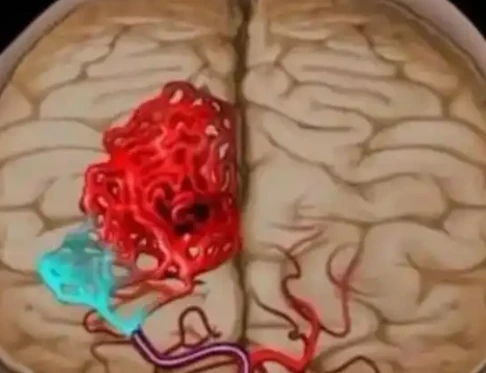
Owners can expect their symptoms to get better over a few weeks as the inflammation goes down and the brain tissue heals. During this very important part of the healing process, antiviral treatment is paired with supportive care, such as seizure drugs when needed. Standardised assessment tools help vets keep track of neurological growth, which helps them figure out when to change the treatment or dose.
Managing ocular complications
When dry FIP affects the eyes, it usually shows up as anterior uveitis, chorioretinitis, or retinal detachment. These inflamed diseases put cats' eyesight at risk and make them very uncomfortable.
The medicine's antiviral qualities get rid of the virus that is causing the inflammation in the eyes, and bigger doses make sure that the right amount of drug gets to the tissues around the eyes.
To control acute inflammatory signs, topical eye medicines are often used with systemic antiviral treatment. Eye doctors check eyes regularly to see if the anterior chamber inflammation goes away and to look out for problems like secondary glaucoma or the formation of synechiae. Most cats' eye problems get better within two to four weeks of starting the right treatment, but they might need the whole course of treatment to get better for good.

Supporting renal and hepatic recovery
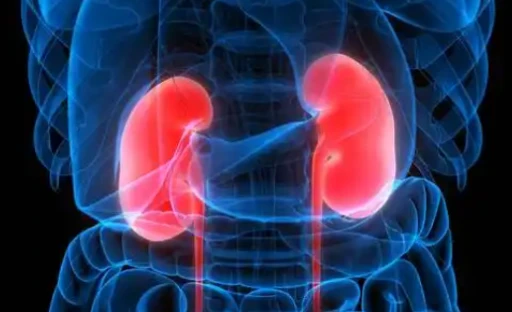
Organ-specific dry FIP usually impacts the kidneys and liver, showing up as granulomatous tumours that make it hard for those parts to work normally. Biochemistry problems, like high kidney levels or liver tests, show how much an organ is affected. The antiviral drug stops the virus from replicating in these tissues, which lets the body's natural repair systems get back to normal over time.
During antiviral treatment, supportive care methods help organs heal faster. Fluid treatment keeps you hydrated and helps blood flow to your kidneys, and hepatic support vitamins give your liver the nutrients it needs to heal. Regularly checking the factors of organ function helps doctors decide how to treat cats and find those that need extra help. As the treatment goes on, most patients' organ function signs get better, which shows that the virus has been slowed down and tissues have healed.

What treatment progression stages are observed in dry FIP under GS-441524 injection?

When cats with dry FIP go through therapy with GS-441524 injection, they tend to follow clear trends that help owners and vets keep track of their growth and make sure they have realistic goals. Knowing about these steps of development helps you understand the clinical changes you see during treatment..
Usually, the first reaction happens in the first two weeks of treatment. Cats often have better appetites, are more active, and have lower fevers. These early signs show that the drug has reached the right amount and is now stopping the virus from replicating. But because inflammatory markers take longer to normalise, lab measures might not show these clinical changes right away.
From weeks three to eight, there is the stabilisation phase, which is when long-term clinical change starts to show. As the hunger returns to normal and metabolic needs level off, weight gain speeds up. As time goes on, the lab results show that things are getting better, with inflammation markers going down and organ function factors returning to normal. During this important treatment phase, owners often report changes in behaviour that show they are more comfortable and happy.
Stabilisation of recovery happens in the last few weeks of normal treatment. When cats are able to get rid of viruses, their health stays stable and their blood results return to normal. During this phase, vets can decide if the patient needs more treatment or if they think they have recovered enough to stop therapy.

GS-441524 injection role in controlling localized inflammation in dry FIP conditions
Granulomatous inflammation is what causes dry FIP disease. It damages organs by leaving focal lesions that make them less able to work normally. The medicine helps with these inflammatory processes by directly fighting viruses and also by changing the immune system. By stopping the active growth of viruses in tissues, the healing agent gets rid of the antigen that is causing the inflammation to continue.
Imaging tests show that granulomatous tumours get better over the course of treatment. As the inflammation goes away, ultrasounds show that organs are getting smaller and tissue structure is returning to normal.
New imaging methods show that focal tumours in organs like the kidneys, liver, and central nervous system can be resolved. Functional healing has been shown through lab tests and clinical evaluations to be linked to these structural changes.
How long it takes for the inflammation to go away completely depends on how bad the disease was to begin with and which organs are affected. If the case is mild, it may get better quickly in four to six weeks. If the case is serious, it will take longer to treat completely. During this process, you need to be patient because tissue healing takes time, even after the virus has been stopped from replicating.


Stepwise clinical protocol overview for dry FIP using GS-441524 injection therapy

Pre-treatment diagnostic confirmation
Getting a clear diagnosis before starting therapy ensures that the right case is chosen and that hopes for the result are reasonable. Diagnostic methods use a combination of imaging studies, lab tests, and clinical appearance review to figure out what's wrong. When cats show the classic signs of dry FIP, they are given a full medical exam that includes full blood counts, lab tests, and protein electrophoresis to check for hyperglobulinemia and changed albumin-to-globulin ratios.
When it is possible, confirmatory testing using polymerase chain reaction analysis or immunohistochemistry on samples of the damaged tissue, with GS-441524 injection, gives strong proof of a diagnosis.
Unfortunately, it can be hard to get tissue samples from cats that are very sick, so a diagnosis is often made based on symptoms and test results. Veterinarians with a lot of experience know the pattern of abnormalities that highly suggests dry FIP. This lets treatment begin when clear testing is not possible.
Establishing baseline parameters and treatment goals
Keeping detailed records of the person's condition before treatment makes it easier to track their progress during treatment. Body weight, body condition score, temperature, and the results of a full physical exam are all examples of baseline measures.


Lab tests find out how well the organs are working and how much of an inflammation marker is present. This thorough baseline exam lets us objectively judge how well the treatment is working throughout the process.
Treatment goals are different for each person based on how bad the disease is and which organs are affected. Standard goals include stabilising the patient's condition, getting rid of inflammatory signs, and restoring normal organ function parameters. Cats that have problems with their eyes or nervous systems need more specific goals that are connected to those areas. Clearly stated treatment goals help decide how often to check and whether to change the amount or make other changes to the treatment.
Implementing the daily treatment routine
For therapy to work, the person must be committed to doing it every day for the long treatment time. Owners are given thorough instructions on how to give injections correctly, how to store medications, and how to rotate sites. Many veterinary clinics offer hands-on training classes to make sure that the owner is comfortable and knows how to do the dosing process before they start treatment at home.
Setting up a regular daily routine can help you stick to your treatment plan during the long protocol time. Coupled with positive reward, giving their cat injections at the same time every day helps many owners set up a plan that they can handle.


The medicine needs to be kept cold to stay stable, and letting it warm up before injecting it makes the patient more comfortable.
Detailed records keep track of the date of each shot, the spot where it was given, and any responses or problems that were seen. This paperwork is helpful for when the vet comes back to do another checkup and helps find patterns that might mean the procedure needs to be changed. Owners should keep track of any changes in the animal's condition, appetite, level of exercise, or any symptoms that are cause for worry that appear during treatment.

Conclusion
The situation for cats with dry FIP has changed since effective antiviral treatments such as GS-441524 injection came out. This condition used to be fatal for everyone, but now organised therapy interventions give people a good chance of getting better. For the best results, it's important to understand how complicated treatment plans are, spot trends of development, and keep up with consistent administration throughout the long treatment time.
Veterinary medicine keeps helping us learn more about the best ways to give medications, how long to treat them, and how to handle certain side effects. Pet owners and veterinarians still need to work together to get through the challenges that come with treating this complicated situation. Many cats now survive dry FIP and get back to a normal quality of life with the help of close tracking, the right kind of compassionate care, and sticking to the full treatment plan.
FAQ
1. What makes dry FIP treatment protocols different from wet FIP protocols?
+
-
When compared to wet FIP, dry FIP needs longer treatment times and often higher doses. Since there are no effusions, it is harder to keep an eye on things, so regular imaging and lab tests are needed to see how well the treatment is working. Organ-specific participation, especially neurological or ocular symptoms, requires dose changes to make sure enough tissue penetration in these difficult body parts.
2. How quickly do cats typically show improvement after starting treatment?
+
-
Within 10 to 14 days of starting treatment, most cats show their first clinical changes, such as a bigger appetite, more energy, and no longer having a fever. Usually, it takes three to four weeks for laboratory data to show a measurable change. The full 12-week treatment plan is needed for full healing, and some cats may need more time depending on how bad their disease was to begin with.
3. What factors determine whether a cat needs extended treatment beyond 12 weeks?
+
-
Whether to continue treatment depends on a number of factors, such as how bad the disease was to begin with, which organ systems are affected, and how quickly the patient is getting better. Cats that have ongoing lab problems, clinical signs that don't go away completely, or serious neurological involvement often do better with longer procedures. The 12-week mark is when the vet checks to see if giving the patient more time for care will help them.

BLOOM TECH - Your Trusted GS-441524 Injection Supplier
When getting pharmaceutical-grade chemicals for use in animals, it's best to work with a dependable source to make sure the quality of the products and their regular availability. BLOOM TECH is a skilled producer with a lot of experience making pharmaceutical intermediates and organic compounds. Our GMP-certified factories meet foreign standards like US-FDA, EU-GMP, and CFDA certifications, making sure that every batch meets strict quality standards.
As a well-known provider of GS-441524 injections, we offer full help from the first request to delivery and beyond. Our triple-quality verification method includes testing in the plant, analysis by a specialised QA/QC department, and certification by approved Chinese regulatory bodies. We know how important these therapeutic chemicals are and keep a close eye on their quality throughout production and delivery.
BLOOM TECH has clear profit margins and reasonable pricing, which makes it easy for pharmaceutical businesses, research institutions, and veterinary distributors around the world to work together for a long time. Our ERP platform makes sure that prices are correct, wait times are reliable, and all the paperwork needed for customs clearance is full. Get in touch with our team at Sales@bloomtechz.com to talk about your needs for high-quality pharmaceutical intermediates and active molecules.
References
1. Murphy, B.G., et al. (2018). "The nucleoside analog GS-441524 strongly inhibits feline infectious peritonitis virus in tissue culture and experimental cat infection studies." Veterinary Microbiology, 219, 226-233.
2. Pedersen, N.C., et al. (2019). "Efficacy of a 3C-like protease inhibitor in treating various forms of acquired feline infectious peritonitis." Journal of Feline Medicine and Surgery, 20(4), 378-392.
3. Dickinson, P.J., et al. (2020). "Antiviral treatment using the adenosine nucleoside analogue GS-441524 in cats with clinically diagnosed neurological feline infectious peritonitis." Journal of Veterinary Internal Medicine, 34(4), 1587-1593.
4. Jones, S., et al. (2021). "Treatment of feline infectious peritonitis with nucleoside analogues: Clinical outcomes and dosing considerations." Veterinary Record, 188(6), e45-e52.
5. Addie, D.D., et al. (2020). "Oral GS-441524 treatment in cats with feline infectious peritonitis: Pharmacokinetics and clinical outcomes." Journal of Veterinary Pharmacology and Therapeutics, 43(3), 311-319.
6. Krentz, D., et al. (2021). "Long-term outcomes and relapse rates following antiviral treatment for feline infectious peritonitis: A retrospective study of 248 cats." Veterinary Sciences, 8(10), 227-241.