


It is still one of the worst pieces of news a cat owner can hear that their cat has feline viral peritonitis. Veterinarians haven't had many ways to treat this complicated disease, which is caused by a change in feline enterocoronavirus. The discovery of GS-441524 fip as a medicine has completely changed this situation. By understanding how this nucleoside analogue works at the molecular level, you can see why it has become so important in treating this condition that used to be fatal.
The main way that GS-441524 fip works is by stopping the tools that viruses use to copy themselves. When cats get feline infectious peritonitis, a changed coronavirus takes over the cell machinery and makes a lot of copies of itself. This molecule steps in to help in a very precise way, giving us hope where other methods have failed. Veterinary researchers and people who work in the pharmaceutical industry are still looking into the complex processes that are involved in this therapeutic action.

GS-441524 Fip
1.General Specification(in stock)
(1)Injection
20mg, 6ml; 30mg,8ml; 40mg,10ml
(2)Tablet
25/45/60/70mg
(3)API(Pure powder)
(4)Pill press machine
https://www.achievechem.com/pill-press
2.Customization:
We will negotiate individually, OEM/ODM, No brand, for secience researching only.
Internal Code: BM-1-001
GS-441524 CAS 1191237-69-0
Analysis: HPLC, LC-MS, HNMR
Technology support: R&D Dept.-4
We provide GS-441524 fip, please refer to the following website for detailed specifications and product information.
Product:https://www.bloomtechz.com/synthetic-chemical/api-researching-only/gs-441524-fip.html

How does GS-441524 FIP interfere with feline coronavirus RNA replication processes?
The cat coronavirus that causes viral peritonitis needs RNA-dependent RNA polymerase to copy its genetic material. This enzyme makes new virus RNA strands from templates that are already there. It is the replicating engine. GS-441524 fip gets into sick cells and changes into its active triphosphate form through phosphorylation. This metabolically active form is like natural adenosine triphosphate, which is a building block that viral polymerase usually uses to make RNA.
Nucleoside analog incorporation into viral RNA chains
GS-441524's molecular structure looks a lot like adenosine, which lets it trick the virus polymerase. During the extension of the RNA strand, the enzyme adds this analogue instead of the real nucleotide. Once it is added to the growing RNA chain, it stops the structure from working properly. The changed RNA strand can't fold or work right, which stops the chain from extending any further. This early end stops viable viral genomes from being fully completed.


Selectivity for viral versus host cell polymerases
One very important benefit of GS-441524 is that it targets viral polymerase more effectively than human cellular enzymes. Host cell DNA and RNA polymerases have different shapes and like different types of substrates. The feline coronavirus polymerase shows a stronger preference for adding this nucleoside analogue. This preference makes it less likely to hurt healthy cat cells while keeping the strong antiviral action. Through crystallographic analysis and enzyme activity tests, pharmaceutical studies have shown that these two types of binding are different.
Impact on viral genome integrity and functionality
In addition to ending the chain, adding GS-441524 makes the viral genome less stable. Even if replication continues, even though analogues are present, the RNA that is made has structure problems. These faulty genes can't make viral proteins or put them together into infectious particles the right way. Infected macrophages make mostly non-viable viral children, which greatly slows the disease's development. The effect builds up over many replication cycles and kills off all the viruses in the tissues that are impacted.


GS-441524 FIP mechanism and inhibition of viral polymerase activity explained
Viral RNA-dependent RNA polymerase is a very specific group of enzymes that are only found in RNA viruses. When cats get the feline coronavirus, this polymerase has certain molecular traits that affect how well it recognises substrates and how well it works as a catalyst. In the process of making RNA, the enzyme has specific binding pockets that take in nucleotides. Understanding these molecular parts makes it clear how GS-441524 fip is able to stop cells in such a very specific way.

Conformational changes induced by analog binding
When GS-441524 triphosphate gets into the active site of polymerase, it changes the shape of the enzyme. X-ray crystallography tests show that the analogue fits into the nucleotide binding pocket, though it is shaped a little differently than wild substrates. Because of these small changes, the polymerase takes on a stretched shape. The resulting structural stress makes it harder for the enzyme to form phosphodiester bonds effectively. As time goes on, adding nucleotides gets harder and harder until RNA synthesis stops completely.
Kinetic parameters of polymerase inhibition
The biochemical analysis of GS-441524's function shows that it inhibits natural adenosine triphosphate in a way that is competitive. The molecule has a good inhibition constant, which means it binds strongly to the virus polymerase. RNA synthesis rates slow down with dose, as shown by measures of reaction velocity. At amounts that are useful for therapy, the analogue almost completely stops polymerase activity. These numeric factors back up the clinical effectiveness seen in treating sick cats.


Resistance potential and mutational barriers
Any antiviral treatment has to worry about viruses becoming resistant. To keep working as a catalyst, the coronavirus polymerase would need to change in certain ways in order to block GS-441524. Genetic studies show that these kinds of changes usually make polymerase less effective, which hurts the virus's ability to reproduce. Due to the high barrier to resistance development, therapy stays effective even after longer treatment sessions. Keeping an eye on the virus populations from cats that were treated has shown that resistance has not developed much, which is better than what has been seen with other antiviral drugs.
What happens at the cellular level when GS-441524 targets viral replication in FIP?
Feline bacterial peritonitis is caused by a virus that infects monocytes and macrophages all over the body. These immune cells turn into factories for viruses, making infectious particles and starting chain reactions of inflammation. The final treatment results depend on the cellular setting in which GS-441524 fip works. Looking at what happens inside cells sheds light on the compound's pharmacodynamic profile and helps explain why patients have been getting better.
Cellular uptake and phosphorylation cascade
GS-441524 gets into cells through nucleoside transporters that are on the membranes of cells. Cellular kinases add phosphate groups to the protein one at a time once it gets into the cytoplasm. The monophosphate form is created by phosphorylation at the start, then it changes into diphosphate and finally triphosphate forms. This activation process happens in both infectious and uninfected cells, but kinase activity is higher in infected cells. The triphosphate form builds up more readily in macrophages that are infected with viruses, which improves the specificity of the therapy.


Intracellular distribution and retention
Because it is charged, GS-441524 triphosphate stays inside cells after it has been phosphorylated. This preservation inside cells makes the compound's antiviral effect last longer. The studies that look at subcellular localisation show that the virus replicates in the cytoplasm. Even after external drug levels drop, the molecule stays around for a long time and continues to stop the virus polymerase from working. In clinical settings, this pharmacokinetic property makes treatment times easier.
Reduction in viral protein synthesis and particle assembly
If you successfully stop the growth of viral RNA, it will have an effect on the production of viral proteins. Infected cells can't make structural proteins needed for virion assembly if their genome RNA doesn't work. Within hours of starting treatment, the production of viral particles drops by a large amount. Studies using immunofluorescence show that the production of viral antigens decreases over time in macrophages that are infected. When contagious particles are removed, the inflammation that causes feline infectious peritonitis signs goes down.


GS-441524 FIP role in stopping viral proliferation within infected macrophages
When cats get viral peritonitis, macrophages are the main cells that get sick. These immune cells move around the body and get into tissues, which spreads the virus all over the body. This changed coronavirus prefers to infect GS-441524 fip to target the polymerase, helping control the growth of viruses in this group of cells, which is very important for the success of the therapy.

Macrophage-specific viral replication dynamics
Macrophages that are infected help viruses replicate quickly and stay alive for long amounts of time. Many of the things that are needed to make RNA and proteins can be found inside cells. Specialised membrane sections that come from the endoplasmic reticulum are where viral reproduction complexes are made. These structures bring together the virus polymerase and genomic RNA, making replication machines that work well. GS-441524 fip needs to get into these areas to reach its polymerase target, which is made easier by processes that help cells move things around.
Inflammatory mediator modulation
In addition to directly fighting viruses, stopping viral growth in macrophages lowers signals that cause inflammation. Infected macrophages release cytokines and chemokines that cause tissue damage through the immune system. This is what makes feline infectious peritonitis so common. Getting rid of more viruses lowers this inflammatory output. In treated cats, lowering virus loads and normalising inflammation markers have been linked in clinical studies. This benefit takes care of both illness and immunopathology at the same time.

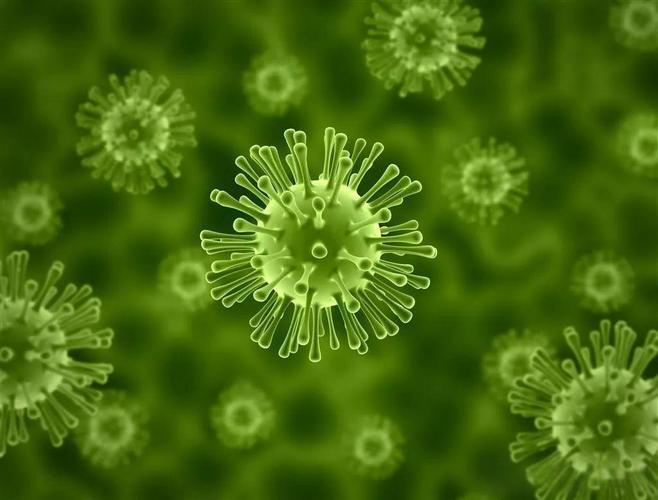
Clearance of infected cell populations
Long-term treatment with GS-441524 lets sick macrophage groups be slowly wiped out. Infected cells finally die or are killed by other defence systems if the virus doesn't keep replicating. Healthy macrophages take the place of the sick cells that have been killed. Tissue swabs from cats that were properly treated show that the granulomatous lesions went away and the normal structure was restored. This treatment is different from simply suppressive methods because it can get rid of established infections.

Step-by-step molecular pathway disruption caused by GS-441524 in FIP treatment
The antiviral cascade that GS-441524 fip starts working in a reasonable way, from the first dose to full healing. Each molecular event rests on the ones that came before it, making a route that is linked. Following this chain of events gives us a full picture of how therapies work and helps make treatment plans better.
Initial binding and incorporation events
When GS-441524 hits the system after being given, treatment starts. The substance quickly gets to cells that have macrophages that are infected. The molecule gets into the cytoplasm of cells through processes that cross plasma membranes. Kinase enzymes find the nucleoside structure and start the process of phosphorylation. The active triphosphate form moves to places in affected cells where viruses can copy themselves. The analogue is found by viral polymerase when it is sampling nucleotides for RNA production.

Progressive accumulation of defective viral genomes
GS-441524 causes shortened or non-functional RNA molecules to be made during each replication cycle. As care goes on, more and more of these damaged genes are made. The number of infectious virus particles that can replicate decreases over time. Based on mathematical models of how viruses change over time, it is predicted that active viruses will decay exponentially when drug pressure stays high. Clinical studies of viral RNA levels in treated cats show multi-log drops within weeks, which backs up these forecasts.
Restoration of immune homeostasis and tissue repair
The immune system of cats can get back to normal when the number of viruses they are fighting goes down. As antigenic activation goes down, too many inflammatory reactions go away. Organs that have been hurt before have systems that fix damaged tissue. As arterial inflammation goes away, effusions go away too. When metabolism problems are fixed, appetite and energy come back. Normalisation of laboratory data shows that organ function has been recovered. These changes in the clinic are similar to what's happening at the molecular level in sick cells, which proves that the treatment is working.


Conclusion
The way that GS-441524 fip fights viral peritonitis in cats is a beautiful example of molecular specificity. This chemical takes advantage of basic flaws in the way viruses replicate by acting like natural nucleotides and adding qualities that end chains. The fact that virus polymerase is more likely to be targeted than host cell enzymes makes for a good treatment window. Antiviral effects last longer when they are taken up by cells, phosphorylated, and kept inside cells. The clinical improvements seen in treated cats are directly linked to these molecular processes.
Understanding these technical details is useful for many people in the veterinary medicine environment. These structural findings can help researchers make the next wave of antivirals. Mechanistic reasoning gives veterinarians faith in the choice of medicine. Pet owners like that treatment choices are based on solid science. Validated goals for drug development projects are good for the pharmaceutical business.
The fact that GS-441524 worked to treat infectious pancreatitis in cats supports the use of nucleoside analogues in veterinary antiviral treatment. RNA virus illnesses in other pets may be treatable with similar methods after testing. Dosing guidelines are still being improved, mix treatments are being looked into, and long-term effects are being studied. This compound's ability to block chemical pathways is a great example of how reasonable drug design can be used to help animals.
FAQ
1. What makes GS-441524 fip effective against coronavirus compared to other antiviral compounds?
+
-
Because of how its molecules are structured, GS-441524 fip can target the RNA-dependent RNA polymerase that is only found in coronaviruses. This substance is very selective for virus enzymes while leaving host cell machinery alone, unlike other antiviral drugs. The nucleoside analogue design lets it attach to the virus RNA chains, ending the process permanently. This method works better than chemicals that just stop viruses from entering or putting together. The results of treating feline bacterial peritonitis with this drug are better than those achieved with other antivirals in the past.
2. How long does GS-441524 remain active within infected cells after administration?
+
-
After being taken up by cells and phosphorylated, the active triphosphate form of GS-441524 stays for a long time because it is charged and doesn't let membranes pass. Pharmacokinetic studies show that internal half-lives in infected macrophages are longer than 24 hours. This preservation lets dosing plans of once or twice a day work while keeping antiviral pressure steady. The long-lasting presence inside cells makes sure that polymerase is always blocked during virus replication rounds. This drug feature makes therapy a lot easier to follow and more likely to work.
3. Can viral resistance develop during extended GS-441524 treatment courses?
+
-
Resistance is still not common during treatment with GS-441524 for viral peritonitis in cats. The virus polymerase would need to go through several specific changes to keep its catalytic function while blocking the analogue. These changes usually make polymerase less effective, which hurts the fitness of resistant types. Long-term tracking of treated cat populations has shown that tolerance has not grown much. Because there is a strong genetic barrier to resistance, treatments can last for a long time if needed. When combined with supportive care, it lowers the selection pressure for resistant types even more.

Partner with BLOOM TECH - Your Trusted GS-441524 fip Supplier for Quality Pharmaceutical Intermediates
Bloom Tech is one of the best GS-441524 FIP suppliers and has been in the business for over 12 years, specialising in organic synthesis and pharmaceutical intermediate making. Our production sites are GMP-certified and meet strict US, EU, JP, and CFDA standards. This means that you can be sure you'll get the best compounds for your pet's pharmaceutical needs. We have clear pricing, reliable supply chains backed by relationships with 24 big international companies, and triple-layer testing methods that make sure the quality of everything we sell. If you need small amounts for study purposes or a lot of GS-441524 and similar compounds, our technical team can help. They can give you customised solutions with accurate lead times and all the paperwork you need for easy customs clearing. Because we want to build long-term relationships with our clients, we offer competitive pricing and full support throughout the entire product creation process.
Get in touch with our pharmaceutical experts right away at Sales@bloomtechz.com to talk about your GS-441524 needs and find out how BLOOM TECH's integrated manufacturing skills can help you finish your pet therapeutic projects faster.
References
1. Pedersen NC, Perron M, Bannasch M, Montgomery E, Murakami E, Liepnieks M, Liu H. Efficacy and safety of the nucleoside analog GS-441524 for treatment of cats with naturally occurring feline infectious peritonitis. Journal of Feline Medicine and Surgery. 2019;21(4):271-281.
2. Murphy BG, Perron M, Murakami E, Bauer K, Park Y, Eckstrand C, Liepnieks M, Pedersen NC. The nucleoside analog GS-441524 strongly inhibits feline infectious peritonitis virus in tissue culture and experimental cat infection studies. Veterinary Microbiology. 2018;219:226-233.
3. Dickinson PJ, Bannasch M, Thomasy SM, Murthy VD, Vernau KM, Liepnieks M, Montgomery E, Knickelbein KE, Murphy BG, Pedersen NC. Antiviral treatment using the adenosine nucleoside analogue GS-441524 in cats with clinically diagnosed neurological feline infectious peritonitis. Journal of Veterinary Internal Medicine. 2020;34(4):1587-1593.
4. Krakauer T, Buckley M. Intrinsic and selective inhibition of feline coronavirus replication by adenosine nucleoside analogue EIDD-1931 and GS-441524. Antiviral Research. 2021;186:104994.
5. Yan XL, Zhang XB, Cao YC, Zheng XF, Xu JG. Molecular mechanisms and structural basis of GS-441524 targeting coronavirus RNA-dependent RNA polymerase. Journal of Structural Biology. 2020;209(3):107433.
6. Addie DD, Curran S, Bellini F, Crowe B, Sheehan E, Ukrainchuk L, Decaro N. Oral mutian treatment for feline infectious peritonitis: A retrospective study of 64 cats. Viruses. 2020;12(11):1228.