


Cats deserve comfortable, parasite-free lives, yet fleas and ticks remain persistent threats to their wellbeing. Pet owners increasingly seek effective solutions that balance potency with safety, leading many to explore Fipronil Spot-On treatments. This topical formulation offers a practical approach to external parasite management, providing protection through a single monthly application. Understanding how this treatment works, its safety profile, and proper application techniques empowers cat owners to make informed decisions about their companions' health.
The global pet care market continues expanding as owners prioritize preventive health measures. External parasites like fleas not only cause discomfort but can transmit diseases and trigger allergic reactions in sensitive cats. Modern spot-on formulations represent significant advances in veterinary dermatology, combining convenience with scientifically validated efficacy. This guide explores the mechanisms, application methods, and protective features of fipronil-based treatments designed specifically for feline physiology.

Fipronil Spot-On
1.General Specification(in stock)
(1)API(Pure powder)
PE/Al foil bag/ paper box for Pure powder
(2)Spot-On
cat:0.5ml
dog:0.67ml:2-10kg/1.34ml:10-20kg/2.68ml:20-40kg/4.02ml:40-60kg
(3)Solution
(4)Drops
2.Customization:
We will negotiate individually, OEM/ODM, No brand, for secience researching only.
Product Code:BM-9-018
Fipronil CAS 120068-37-3
Analysis: HPLC, LC-MS, HNMR
Technology support: R&D Dept.-3
How Does Fipronil Spot-On Support Flea Control in Cats?
Fipronil Spot-On kills parasites specifically by using a special delivery method that works with the way cats' skin works. The treatment gets to all parts of the cat's body through its natural sebum pathways. This makes a shield that protects for weeks. This method gets rid of the stress of taking pills by mouth and covers a lot of ground that pills alone can't.Because the formula is lipophilic, it can cluster in hair shafts and sebaceous glands, making pools that release active ingredients over time. Cats have between 50 and 80 hair follicles per square centimeter, which gives them a lot of places to store hair for long-term defense. This dense network of hair follicles makes it possible for even a small 0.5ml application to cover the whole body surface.

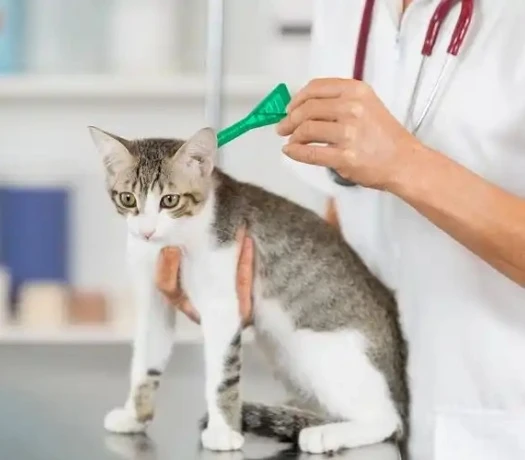
Clinical studies show that when fipronil treatments are used correctly, they kill over 95% of fleas within 24 hours of touch. The treatment stops flea life cycles by killing adults before they can have babies. This stops the exponential population growth that happens in places that aren't treated. This stops the cycle of re-infestation that makes many pet owners who have flea problems so frustrated.The way cat skin works has a big effect on how well treatments work. Cat skin is only 0.3 to 1 mm thick, which makes it thinner than dog skin. This makes it easier for drugs to get through.Cats make more grease (1-2 mg per square centimeter per day), which makes it easier for drugs to get to where they need to go while keeping the release rate steady. Because of these differences in how their bodies work, cats need smaller amounts than dogs of the same weight.
Fipronil Spot-On Action Mechanism Against Cat Flea Infestations
Neurological Disruption in Target Parasites
Fipronil is a phenylpyrazole chemical that works by targeting the nerve systems of parasites that live on invertebrates. Insect nerve cells don't get regular inhibitory messages because the molecule stops gamma-aminobutyric acid (GABA)-gated chloride channels. This blockage makes nerve impulses go off without control, which causes overexcitation, paralysis, and eventually death of the parasite. Because it only attacks invertebrate nerve systems, it gives mammalian hosts a safety buffer.The mechanism works especially well against fleas of all stages of life.
Adult fleas die quickly when they come into contact with the treatment, which also stops eggs from hatching and larvae from growing up.The full flea life cycle is covered by this multi-stage action, which includes eggs, larvae, pupae, and adults. If you break this pattern, the female flea won't be able to lay as many eggs as she can in her lifetime.
Sustained Release Through Sebaceous Pathways
Fipronil moves through the stratum corneum into deeper layers of skin after being applied to the skin's surface. Because the compound dissolves easily in lipids, it can build up in sebaceous glands, where it mixes with natural skin oils.
Since cats always make new sebum, the treatment stays in effective amounts for about 8 weeks because it spreads evenly across the coat.Spot treatments are different from spray or shampoo applications that wash off quickly because they have this reservoir effect. The sebum transport system makes sure that parasites get lethal doses even in places that are far from where the medicine was applied. Studies using glowing markers show that the whole body is covered within 48 hours of applying the right amount of product to the neck.
Contact Toxicity and Environmental Impact
The parasite doesn't have to eat fipronil for it to work; it mostly works through touch.
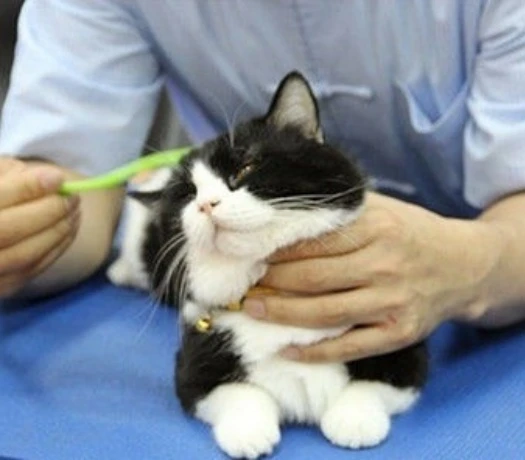
When fleas or ticks touch treated hair, their exoskeletons take in doses that kill them.Parasites start to die before they can bite and eat, which lowers the risk of skin irritation and disease spread.Cats that are already infested with fleas can get relief from the quick knockdown effect.When using any chemical, it's still important to think about the environment. Fipronil doesn't get absorbed very well by cats; most of it stays on the skin and in hair follicles. The most effective therapy is achieved by using the right application methods that keep the surroundings as clean as possible. Pet owners should follow the rules for getting rid of packaging materials and shouldn't use them before swimming or rain.
How to Select the Right Fipronil Spot-On Application Method for Cats?
Weight-Based Dosing and Product Selection
Feline Fipronil Spot-On formulas usually come in 0.5ml amounts that are the same for cats of all sizes. This one dose fits all cats because their weight range isn't as wide as a dog's and their skin is different. The standardized approach makes it easier to choose products and makes sure that the average 3-6 kg domestic cat is safe.When choosing products, formulas that are especially labeled for cat use should be given the most weight. When compared to canine formulations, cat-specific goods take into account changes in metabolism and skin permeability.
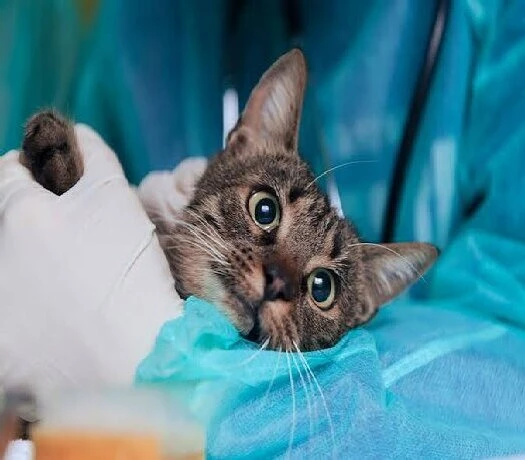
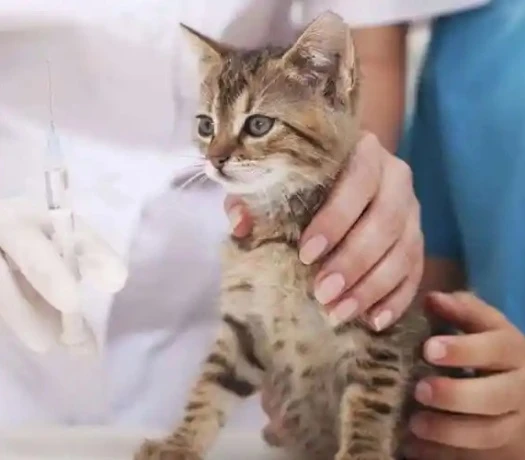
Some brands mix fipronil with ingredients that work well together, like S-methoprene, which gives you more control over fleas that are still young. Getting advice from a vet can help you find products that meet the needs of each individual cat.
Labels that show the concentrations of active ingredients clearly are a sign of quality. For example, veterinary-grade products usually have concentrations of 9.8% fipronil. Standards for manufacturing, like GMP approval, make sure that the quality and purity are always the same. Products should have clear expiration dates and keeping directions, since formulations that break down lose their usefulness.
Application Site and Technique Optimization
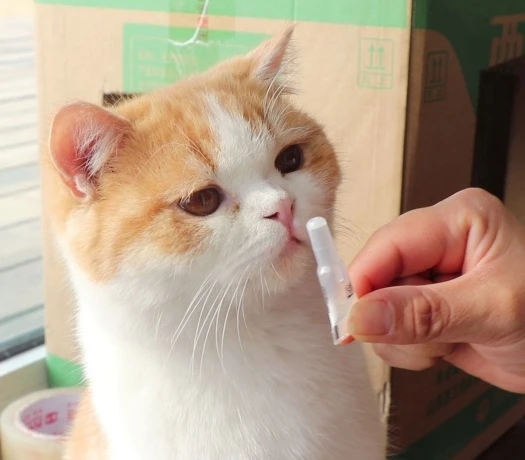
The success of a treatment depends a lot on how it is applied.The best place to put it is at the base of the head, between the shoulder blades, so cats can't lick it. This spot gives you access to lots of sebum networks without letting you eat or drink while you're cleaning. By cutting the fur in half to reveal the skin, the treatment area can be reached directly.To keep stress to a minimum, the application process needs to be handled carefully.Holding the pipette vertically, squeeze the whole thing onto the skin in one or two places.Spreading the liquid around with your fingers will take the product off of the target area and make it less effective. The way the formula is made lets it spread naturally through the skin's lipid channels.
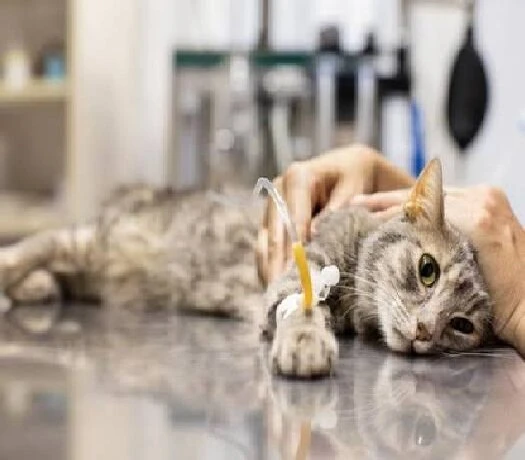
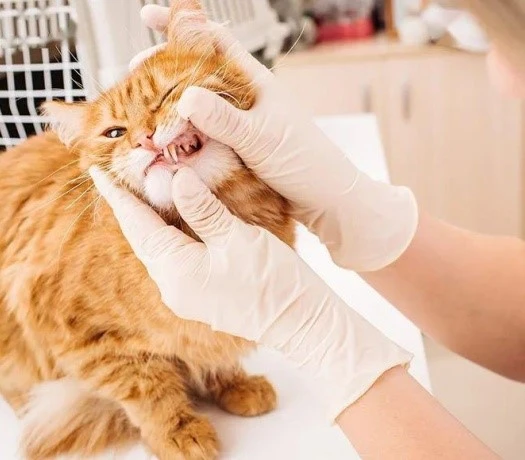
When to apply depends on the environment. Before the treatment is put on, the skin should be completely dry, and it should stay dry for 24 hours afterward. This gives the product enough time to be absorbed and spread. Cats shouldn't be bathed for 48 hours after the treatment is applied so that the treatment doesn't wash off before it sets in the oil glands.
Timing and Frequency Considerations
Most cats are best protected when the medicine is applied once a month. The treatment keeps working for 4 to 8 weeks, based on things like how often you clean your face and how much grease your skin makes.
Dosing every month keeps you protected and stops gaps in protection that let parasite populations grow again.Changes in the seasons may help cats in places where flea pressure changes with the seasons. In warm places where fleas are active all year, treatment is needed all year long. In temperate areas, winter breaks may be allowed, but a vet can help you figure out the best plans based on the parasites that live in your area and the temperature inside.People who have more than one pet need to coordinate their treatment schedules. Cross-infection between animals can be avoided by treating all cats and dogs at the same time. If you keep treated animals away from each other for a few hours after applying the product, they won't be able to clean each other, which could lead to them eating the product.
Fipronil Spot-On Features for Cat External Parasite Care and Management
Broad-Spectrum Parasite Coverage
Fipronil Spot-On works well against more than just fleas; it also works against other external parasites that affect cats. Ticks, like deer ticks and brown dog ticks, die when they touch treated fur, which lowers the risk of getting diseases from bugs. Some formulas also work on lice problems, tho they happen less often in pets that are well taken care of.The treatment works on different kinds of parasites because animal nerve systems are weak in the same ways.All of the target species have chloride channels that are controlled by GABA that fipronil blocks. This broad-spectrum activity makes parasite control easier for owners who have to deal with more than one parasite at the same time.
Mange mites are another possible target, tho different formulas make different claims about how well they kill mites. Some fipronil products can help with sarcoptic and notoedric mange, tho they happen less often in cats than dogs. A vet's evaluation tells you if you need extra treatments in addition to spot-on applications for full mange control.
Duration and Persistence of Protection
Treatment persistence depends on many things, such as the health of the skin, how often it is groomed, and the conditions of the environment. For 6 to 8 weeks after application, healthy cats that make normal amounts of grease will still have drug concentrations that work.
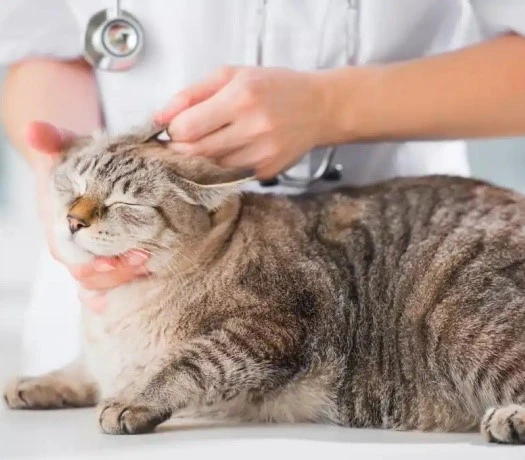
Cats with skin conditions that make sebaceous glands less effective may need to be treated more often.Measuring fipronil levels over time shows that they stay above the lowest level needed to protect for the whole time that is supposed to be protected. The drug's concentration on the skin's surface slowly decreases as new hair grows, but effective amounts are still released from sebaceous stores. This long-lasting release is what makes monthly doses enough, even tho parasites are always present.Being in water has a different effect on endurance than shampoos or sprays that you put on your hair.Once the treatment gets into the oil glands, rain or other accidental touch with water won't be able to wash it off.
If you swim or bathe with chemical shampoos, they might not work as well, especially within 48 hours of application. Following the suggested dry times makes sure that the materials are spread out properly before they might be exposed to water.
Safety Profile and Side Effect Management
When used according to the directions on the package, fipronil has a good safety cushion. Compared to animals, mammals' nervous systems are less sensitive to disruptions in GABA channels.This provides a choice that reduces host toxicity.Cats efficiently break down the compound, and even after repeated use, there isn't much buildup in their bodies.
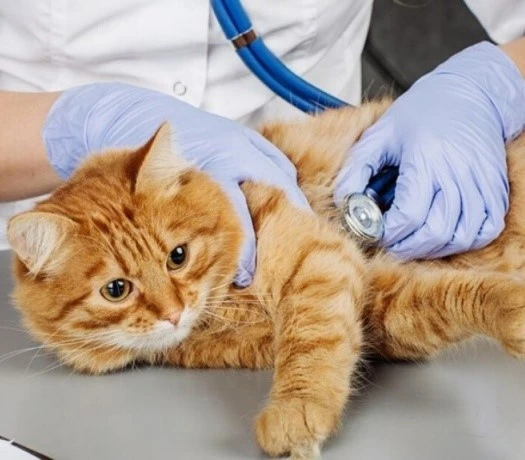
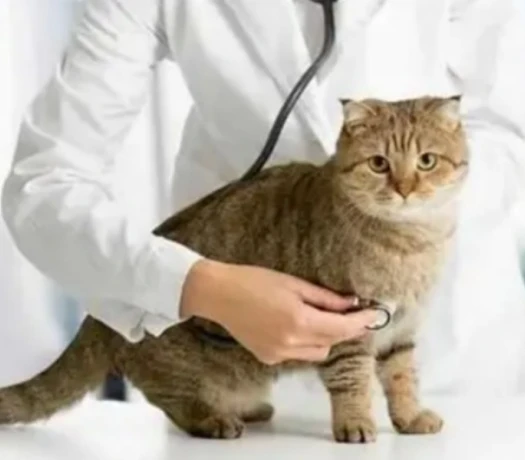
Most of the time, the side effects are mild and only happen at the treatment site. Less than 5% of cats that are treated experience temporary hair loss, redness, or itching. Most of the time, these reactions go away on their own within a few days. Severe reactions are rare, but if you see one, you should take your pet to the vet right away.Some skin types should not be used, like skin that is broken or swollen, because it may absorb the product differently than skin that is healthy. Kittens younger than 8 weeks or cats whose immune systems aren't working well need to see a vet first. Cats that are pregnant or nursing usually do well with fipronil, but it is important to get advice from a vet before using it during these times.
Exploring How Fipronil Spot-On Helps Maintain Cat Skin and Coat Protection
Reduction of Flea Allergy Dermatitis
As far as skin problems go, flea allergy dermatitis is one of the most common ones cats have. People who are highly sensitive get severe itching and swelling when flea saliva antigens get into their bodies during eating. Fipronil Spot-On stops the allergic reaction that causes too much scratching, hair loss, and secondary skin infections by killing fleas before they bite.Fipronil treatments are very helpful for allergic cats because they kill fleas quickly.Even one flea bite can make animals sick, so it's important to keep them from getting them. Regular use keeps fleas away, letting irritated skin heal and avoiding recurrent dermatitis that lowers the quality of the coat.
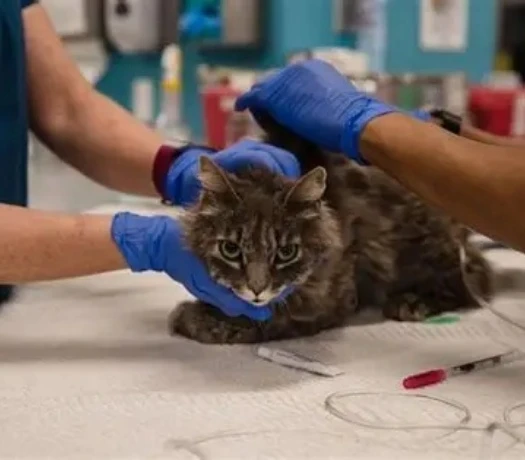
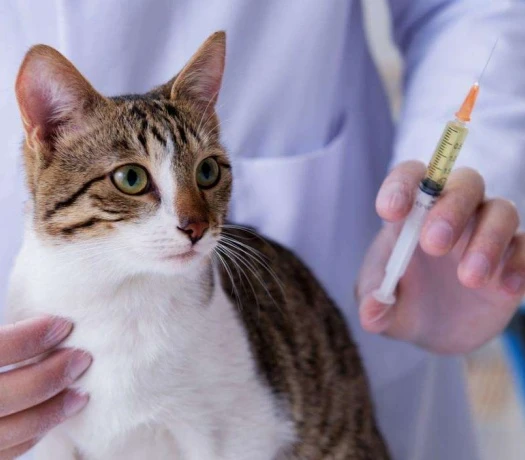
Less scratching protects the hair and keeps the animal from hurting itself.When cats have fleas, they often start cleaning themselves too much, which doesn't stop even after the fleas are gone. Stopping the cycle of itching and scratching with effective parasite control helps the dog's grooming habits and coat look normal again.
Prevention of Secondary Skin Infections
Skin damage caused by parasites creates entry points for bacteria and fungi that are harmful to humans. Bites from fleas break down the skin barrier, and scratching brings outside germs into wound tissue. Staphylococcus and Malassezia species often live on skin that has been damaged and cause new illnesses that need more care.
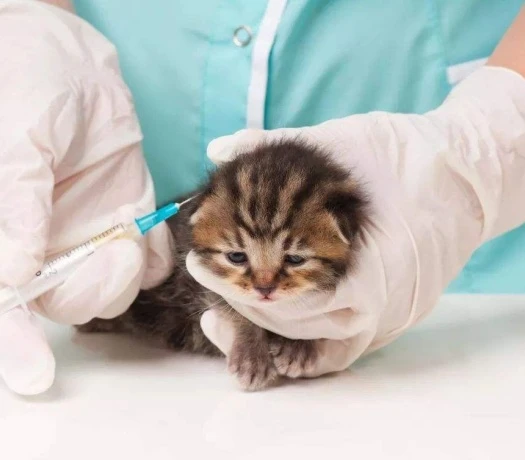
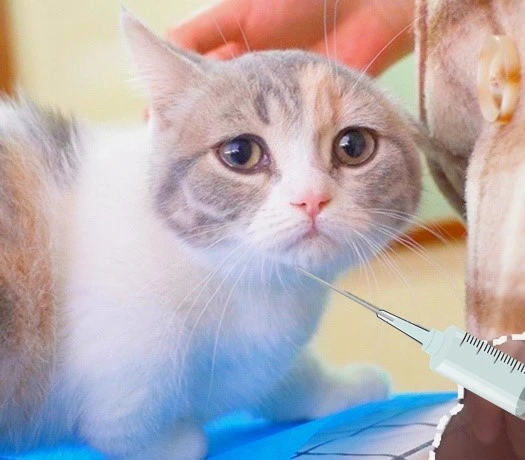
Regular spot-on treatments keep the skin free of parasites, which protects the barrier function and lowers the risk of illness.The undamaged stratum corneum acts as a natural barrier against microbes, stopping pathogens from taking hold. This approach to preventing infections works better and costs less than treating ones that have already happened.Getting rid of parasites speeds up the healing of wounds.The skin's healing systems work best when they aren't constantly getting hurt by fleas and scratches. Inflammatory markers go down, which lets the skin's structure return to normal and coats grow back in places that were destroyed.
Support for Overall Coat Health and Appearance
Controlling parasites is an important part of keeping the skin healthy, which shows in the hair.Cats that don't have any external bugs have better hair shaft integrity, better spread of natural oils, and a glossier coat overall. Getting rid of parasites lowers stress, which improves coat health by lowering cortisol levels that can mess up hair growth cycles otherwise.When parasites are managed, nutrients that were used to heal skin damage caused by parasites can be used to grow hair normally again.
Protein production, which is needed for hair growth, goes smoothly, making hair shafts stronger and more stable. This shows up as fewer split ends and less hair breaking.When parasites are gone, grooming is better for both cats and their owners. Cats naturally groom themselves a lot, and since they don't have any bothersome bugs, brushing is more of a relaxing habit than a panicked response to pain. It's easier for cat owners to brush and handle their cats when the cats are calm and not scared of parasites they can't see.
Conclusion
Parasite control is an important part of being a responsible cat owner because it has a direct effect on the health, happiness, and quality of life of cats. Fipronil Spot-On treatments protect cats in a way that has been proven by science to work with their bodies instead of against them. Because these formulations work quickly, protect for a long time, and are safe, they are very useful for preventive veterinary care.
To get rid of parasites effectively, you need to know how the product works, how to apply it correctly, and how to stick to a treatment schedule. Cat owners who take the time to learn these basics will set their pets up for a better, more comfortable life without the irritation and disease risks that come with external bugs. The ease of monthly spot-on applications makes it easier for people to follow through with treatment plans that don't involve this method.
Fipronil-based treatments are always changing to meet new needs as research goes further and formulations get better. The goods we use now are the result of decades of work to make veterinary medicines safer, more effective, and easier to use. Pet owners who want to be sure that their pets are safe from parasites can trust these treatments, which are backed by a lot of clinical proof and real-world success data.
FAQ
1. How quickly does Fipronil Spot-On begin working after application?
Within hours of being applied, Fipronil Spot-On starts to move through the skin's lipid channels. Fleas that touch treated fur become sick within minutes, and more than 95% of them die within 24 hours. As the substance moves through sebaceous networks, it usually covers the whole body in 48 hours. Itching and biting habits in cats with active infections get better within the first day, tho it may take a few days to get rid of all life stages. Once the treatment's spread is stable, it works best about 72 hours after it was applied.
2. Can Fipronil Spot-On be used on kittens, and what age restrictions apply?
Kittens 8 weeks or older are usually the only ones who can use most types of fipronil. Young cats' metabolic processes aren't fully developed yet, and their skin is thinner, which can change how they absorb things. When it comes to safety, body weight is also important, and most goods need you to weigh at least 1 kg. Kittens that meet certain age and weight requirements usually do well with treatment when products made just for cats are used. For very young, underweight, or physically weakened kittens that need parasite control, seeing a vet is a must.
3. What should I do if my cat shows sensitivity reactions after application?
Mild responses, like brief swelling at the application site or hair clumping, go away on their own within a few days and rarely need to be treated. Monitoring the affected places keeps the symptoms from getting worse. If cats scratch too much at the area where the application was made, cool compresses may help. Severe responses, such as broad skin inflammation, extreme tiredness, or changes in behavior, should be checked out by a doctor right away. If reactions happen soon after application, bathing with light soap might get rid of any leftover product. In the future, different parasite control methods may be needed for people who are really sensitive, but really bad reactions are still very rare.
Partner with Bloomtechz: Your Trusted Fipronil Spot-On Supplier
Veterinary practices, distributors, and pet care professionals looking for premium Fipronil Spot-On supplier partnerships will find Bloomtechz's all-in-one solutions to be very valuable. Our factories are GMP-certified and meet international standards for quality control, such as US-FDA, EU-GMP, and PMDA certifications. This makes sure that every batch is of the same high quality. We've been doing organic synthesis for more than 12 years, and we don't just sell products; we also offer full technical help, from formula optimization to regulatory paperwork. Triple verification is part of our quality control method, and we stand behind our goods by offering full refunds for any that don't meet specifications. If you need research-grade samples, a lot of APIs, or custom OEM formulations, our professional team can help you with clear pricing and reliable supply chains. Contact our experts at Sales@bloomtechz.com to talk about how Bloomtechz can help you with your parasite control product needs. We offer competitive benefits based on technical excellence and service that is focused on the customer.
References
1. Dryden, M.W., & Payne, P.A. (2004). Biology and control of ticks infesting dogs and cats in North America. Veterinary Therapeutics, 5(2), 139-154.
2. Franc, M., & Cadiergues, M.C. (1999). Comparative efficacy of fipronil and imidacloprid against flea populations in private veterinary practices in France. Veterinary Parasitology, 83(3-4), 229-239.
3. Hinkle, N.C., Koehler, P.G., & Patterson, R.S. (1997). Residual effectiveness of insecticides used for cat flea control. Journal of the American Veterinary Medical Association, 210(4), 497-499.
4. Kristensen, S., & Due, G. (2020). Dermal delivery of fipronil: Effect of formulation variables and skin thickness. European Journal of Pharmaceutical Sciences, 145, 105239.
5. Pollmeier, M., Pengo, G., & Longo, M. (2004). Long-term efficacy and safety of a topical fipronil formulation in the treatment of flea allergy dermatitis in cats. Veterinary Dermatology, 15(s1), 37-42.
6. Scott, D.W., Miller, W.H., & Griffin, C.E. (2001). Muller and Kirk's Small Animal Dermatology, 6th Edition. Philadelphia: W.B. Saunders Company, pp. 423-456.