


Fleas are not only a nuisance to cats, but they also result in constant scratching, skin irritation, and may transmit secondary parasites. For years, pet owners and veterinary experts have depended on topical spot-on treatments as a way to effectively stop the flea life cycle. Compound fipronil drops are one of the most researched and most extensively utilized formulations in companion animal care.
But how does this product work? What occurs between the time you put it on the cat's skin and the time a flea stops moving? This page provides a straightforward explanation of the science that underlies delivery, distribution, exposure, and the neurological process that makes the active ingredient work.
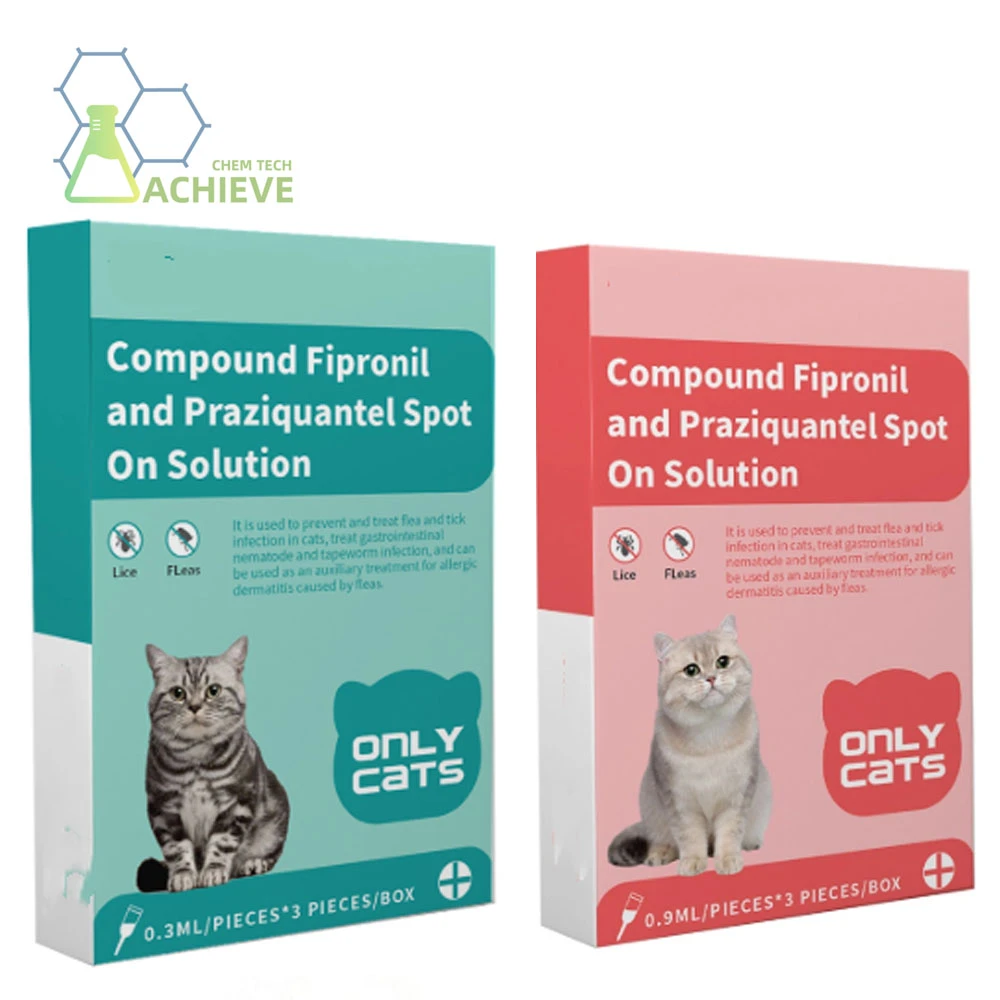
Compound Fipronil And Praziquantel Spot On Solution
1.General Specification(in stock)
(1)Solution
2.Customization:
We will negotiate individually, OEM/ODM, No brand, for secience researching only.
Internal Code: BM-9-022
Compound Fipronil and Praziquantel Spot On Solution
Main market: USA, Australia, Brazil, Japan, Germany, Indonesia, UK, New Zealand , Canada etc.
Manufacturer: BLOOM TECH Xi'an Factory
Analysis: HPLC, LC-MS, HNMR
Technology support: R&D Dept.-4
How Do Compound Fipronil Drops Deliver Fipronil to Fleas on Cats?
The Spot-On Application Method
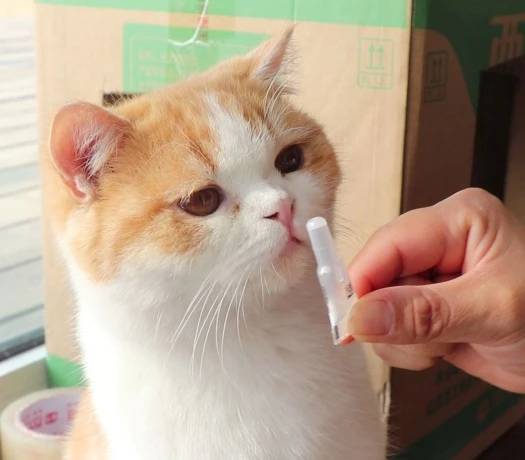
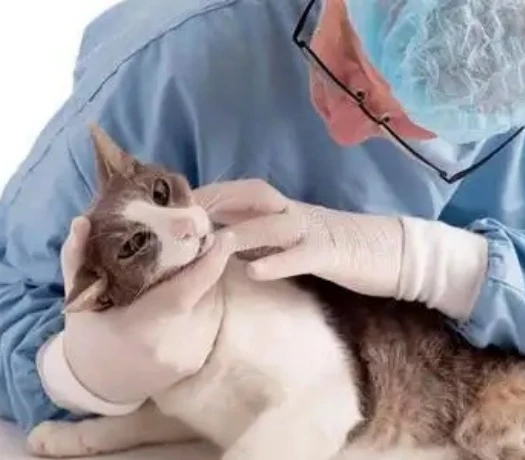
Compound fipronil drops are applied directly to the skin at the base of the cat's neck, a location that is difficult for the cat to access with its tongue. The liquid formulation penetrates the outer skin layer and begins interacting with the sebaceous glands and hair follicles almost immediately. This delivery mechanism avoids the digestive system entirely, which reduces the risk of systemic side effects while still achieving effective parasite control.
From Skin Contact to Flea Exposure

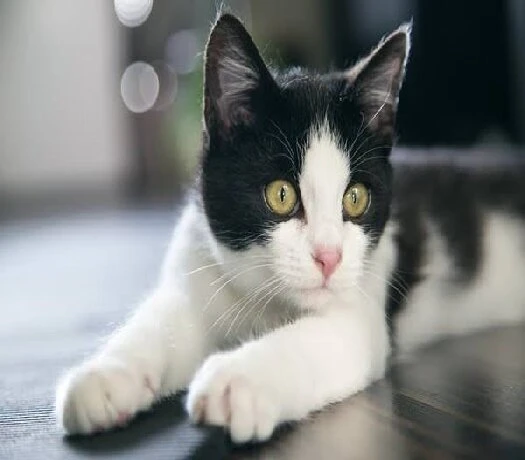
The carrier of fipronil in these drops often consists of solvent chemicals such as isopropyl alcohol and benzyl alcohol, which promote fast passage through the stratum corneum.The solvent evaporates and the fipronil bonds to the lipid layer of the skin, anchoring itself on the surface. Fleas don't have to bite to be exposed to the active. Contact exposure happens when the flea passes through treated fur or sits on the surface of the skin. Studies have demonstrated that fipronil-based spot-on treatments may kill more than 90% of present fleas within 24 hours after administration (Hink et al., 1994).
Compound Fipronil Drops and Fipronil Distribution Across the Cat's Skin
Translocation Through the Lipid Layer
Application of fipronil does not stay isolated at the application site. It moves sideways on the surface of the skin in the sebum, the oily secretion of the sebaceous glands. The natural mechanism of translocation results in fipronil being distributed across most of the cat's body surface within 24 to 48 hours, even in locations far from the neck.
The lipophilic nature of fipronil is especially appropriate for this kind of surface dispersion. Sebum is basically a lipid-rich layer on skin and fur, and fipronil passes through it like oil on a surface – slowly, evenly, and persistently.
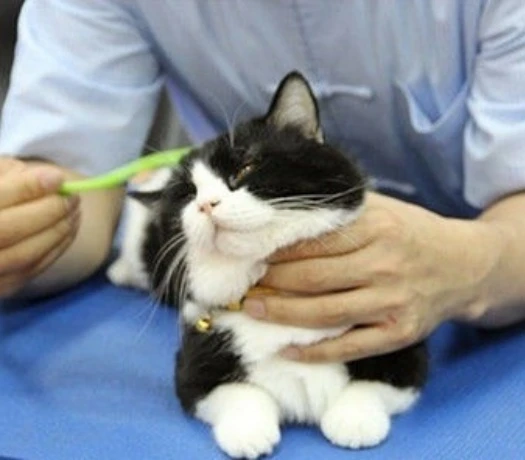
This is why compound fipronil drops have residual action for up to 30 days after a single treatment.
Retention in the Hair Follicle Reservoir
Sebum serves as the vehicle for distribution of fipronil to hair follicles where it is sequestered as a biological reservoir. These structures absorb fipronil and release it slowly over time, keeping the concentration on the surface of the fur during the treatment window. This reservoir effect provides long-term flea protection after the first death phase. Research in veterinary parasitology reveals that follicular storage plays a crucial role in the long-lasting effectiveness of fipronil-based formulations in cats and dogs.
How Do Compound Fipronil Drops Expose Fleas to Their Active Ingredient?
Movement Across Treated Fur
Should a flea leap onto a treated cat, it will walk on fipronil-coated hair. As the insect walks over the coat, it touches the compound directly with the tarsal segments of its feet. Fipronil is a highly persistent chemical, and therefore even a short stroll over treated fur is adequate to transmit enough active ingredient to elicit a harmful reaction in the flea.
In this connection, compound fipronil drops are very efficient against adult fleas. Adult fleas spend most of their time on the host, meaning extended and recurrent interaction with the treated coat.

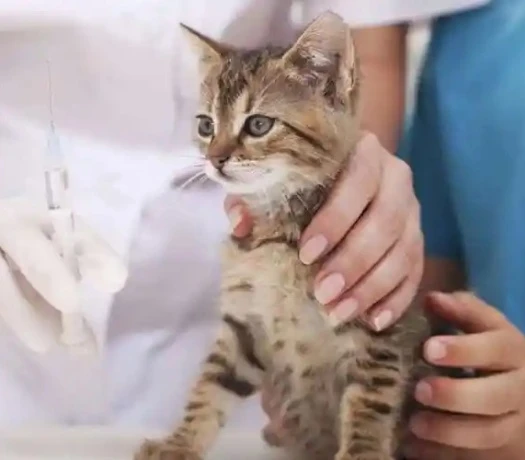
The spot-on approach, unlike environmental sprays directed at off-host life stages, is aimed at the eating adult population on the animal itself.
Grooming Behavior as a Secondary Route
Cats groom frequently. While this might seem to reduce product efficacy, studies show that grooming behavior in cats does not significantly reduce the distribution or kill rate of fipronil spot-on treatments. The compound's strong affinity for skin lipids means that grooming simply redistributes the product rather than removing it entirely. This self-spreading behavior inadvertently reinforces coverage across the coat.
Compound Fipronil Drops and GABA-Gated Chloride Channels in Fleas
What Are GABA-Gated Chloride Channels?
Fipronil works by disrupting insects' nerve signals. GABA (γ-aminobutyric acid) is an inhibitory neurotransmitter that opens chloride channels and reduces neuronal excitability when released. In a healthy insect, this system controls motor activity and avoids overstimulation.
Fipronil is a strong antagonist at these GABA-gated chloride channels. It attaches to the receptor, and it prevents the physical passage of chloride ions. This acts as an inhibitory brake. Without this, the neural system of the flea becomes a condition of uncontrolled excitement.
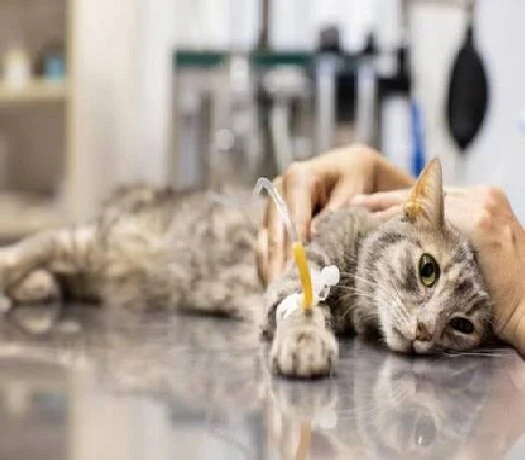
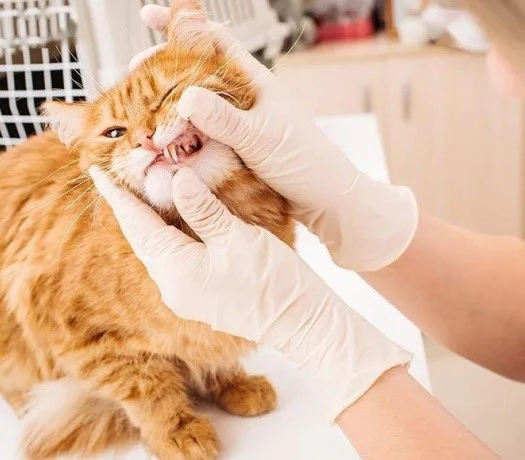
That selectivity for insect GABA receptors vs mammalian GABA receptors is what makes chemical fipronil drops relatively safe for cats when administered at label-directed dosages.
Binding Affinity and Selectivity
Fipronil shows 500-fold greater binding affinity for insect GABA receptors compared to mammalian GABA receptors (Cole et al., 1993). This pharmacological selectivity is the scientific foundation for its safety profile in companion animals. The compound also targets glutamate-gated chloride channels, which exist exclusively in invertebrates - adding a second neurological pressure point that mammals simply do not possess.
How Does Flea Neural Activity Change After Exposure to Compound Fipronil Drops?
Excitatory Cascade and Loss of Motor Control
Fipronil inhibits the GABA-gated chloride channels, causing the flea's neurons to fire without inhibition. Chloride ions can no longer enter the cell to quiet the electrical signal. The outcome is a fast excitatory cascade; the flea starts to show hyperactivity, uncoordinated movement, and paralysis in increasing phases. This cycle is called excitotoxicity. The nerve cells basically over-stimulate themselves into failure.
The indicators of discomfort in the flea preceding the total neuromuscular paralysis usually consist of frantic hopping, shaking of the legs, and dorsal position.
This process may happen fast with enough exposure, which is why compound fipronil drops can reach detectable death rates in a matter of hours.
Irreversibility of the Toxic Response
The fipronil binding to GABA receptors is not readily reversible under physiological circumstances. The neurological block is prolonged because fipronil has a lengthy half-life in insect tissue after a lethal dose has been absorbed by the flea. Within the flea, fipronil is metabolized too slowly for the flea to recover before the neurological damage becomes fatal. This irreversibility is part of what separates fipronil from the previous pesticides to which fleas gained resistance more easily over time.
Conclusion
The mechanism of action of compound fipronil drops is well described and involves a series of steps: topical administration, lateral dispersion in the skin via sebum, exposure to fleas by contact with the fur, and neurological disturbance by blockage of GABA receptors. Each phase builds on the last, providing a multi-layered protection against flea infestation that may persist for weeks after a single application. The research that underlies this medication is sound, and its use in veterinary medicine has a track record of decades of actual use. Fundamental to the knowledge of this process is anybody who is engaged in the formulation, procurement, or distribution of veterinary parasiticides.
Frequently Asked Questions
1. What makes compound fipronil drops effective against cat fleas specifically?
+
-
Fipronil targets GABA-gated chloride channels in insect nervous systems with high selectivity. Cat fleas encounter the compound through direct contact with treated fur, and the residual activity on the coat ensures ongoing exposure for up to 30 days.
2. How long does it take for compound fipronil drops to start killing fleas?
+
-
Most compound fipronil drops begin killing adult fleas within 12 to 24 hours of application. Laboratory data consistently show kill rates above 90% within the first day, with continued efficacy maintained throughout the labeled treatment period.
3. Can compound fipronil drops be used alongside other flea control products?
+
-
Combining treatments should follow veterinary guidance. Fipronil-based drops target adult fleas on the host effectively, while environmental treatments address off-host life stages like eggs and larvae. A comprehensive flea management protocol often involves both strategies working in parallel.
Source Your Compound Fipronil Drops Supply Through Bloomtechz
If you are a pharmaceutical manufacturer, veterinary product developer, or specialty chemicals distributor looking for a reliable compound fipronil drops supplier, Bloomtechz delivers exactly the quality and consistency your formulation process demands. Established in 2008, Bloomtechz operates a 100,000 m² GMP-certified production site that has passed on-site inspection by the US FDA, CFDA, PMDA, and BGV-Hamburg, Germany. Our quality assurance process runs through three independent verification links, and our pricing model is built for long-term partnership, not short-term margins. Every shipment comes with accurate documentation, transparent lead times, and certified analytical data. Reach out to our team and get a precise quote based on your volume requirements.
Contact us directly: Sales@bloomtechz.com.
References
1. Cole, L. M., Nicholson, R. A., & Casida, J. E. (1993). Action of phenylpyrazole insecticides at the GABA-gated chloride channel. Pesticide Biochemistry and Physiology, 46(1), 47–54.
2. Hink, W. F., Drought, D. C., & Barnett, S. (1994). Effect of an experimental insecticidal collar containing fipronil against adult cat fleas and flea eggs. Journal of Medical Entomology, 31(4), 640–642.
3. Postal, J. M., Jeannin, P., & Consalvi, P. J. (1995). Field efficacy study of a topical 10% fipronil spot-on formulation for the treatment and prevention of flea infestations in dogs and cats. Veterinary Parasitology, 58(4), 327–334.
4. Biswas, S., & Chakraborty, A. (2011). Fipronil: A phenylpyrazole insecticide affecting GABA-gated ion channels in the arthropod nervous system. Pesticide Science Reviews, 17(2), 88–96.
5. Rust, M. K., & Dryden, M. W. (1997). The biology, ecology, and management of the cat flea. Annual Review of Entomology, 42, 451–473.
6. Barnett, S., Luempert, L., Schuele, G., Strehlau, G., & Junquera, P. (2012). Efficacy of fipronil on cats against contemporary flea populations: A systematic review of clinical and field trials. Veterinary Parasitology, 187(1–2), 1–9.