


When pet owners notice their beloved companions scratching relentlessly or discover tiny pests hiding in their fur, the search for effective solutions begins. External parasites like fleas, lice, and ticks not only cause discomfort but can also transmit serious diseases to both pets and humans. Fipronil spot-on has emerged as a trusted defense mechanism, offering comprehensive protection through a simple topical application. This convenient treatment delivers targeted action against multiple parasite species while maintaining safety standards that veterinary professionals worldwide recognize.
Understanding how this phenylpyrazole-based insecticide works, which parasites it targets, and how to optimize its use can transform your approach to pet healthcare. The following exploration provides practical insights into managing external parasite infestations effectively.

Fipronil Spot-On
1.General Specification(in stock)
(1)API(Pure powder)
PE/Al foil bag/ paper box for Pure powder
(2)Spot-On
cat:0.5ml
dog:0.67ml:2-10kg/1.34ml:10-20kg/2.68ml:20-40kg/4.02ml:40-60kg
(3)Solution
(4)Drops
2.Customization:
We will negotiate individually, OEM/ODM, No brand, for secience researching only.
Product Code:BM-9-018
Fipronil CAS 120068-37-3
What Parasites Can Fipronil Spot-On Help Control in Dogs?
Dog parasites are targeted by fipronil spot-on's wide range of action. Fleas (Ctenocephalides felis and canis) are exterminated from eggs to adults in this dish. This multi-stage targeting prevents reproduction. This prevents rapid population expansion in hot, humid areas.
This therapy also eliminates ticks, another big hazard. The Rhipicephalus sanguineus (brown dog tick), Dermacentor variabilis (American dog tick), Ixodes scapularis (black-legged tick), and Amblyomma americanum (lone star tick) may be destroyed with fipronil. They are unhealthy because they may cause Lyme disease, ehrlichiosis, anaplasmosis, and Rocky Mountain spotted fever. Disease spreads less because ticks die within 24–48 hours.Lice aren't as common as fleas or ticks, but they're bothersome and may cause skin illnesses if scratched too often. Sucking and biting lice (Trichodectes canis) in dogs are easily treated with fipronil.

One program eliminates almost 95% of issues in the first week, according to real-world tests.
It operates because of its chemical structure.Fipronil enters sebaceous glands and distributes throughout the body after being applied between the shoulder blades. This spread-out effect generates a pest-proof wall for four to eight weeks, depending on pet health and weather. Dogs who live with other pets or spend a lot of time outdoors would appreciate this added protection.
Fipronil Spot-On for Flea, Lice and Tick Management

You must understand how other people's bugs live and behave to eliminate them. Fleas may lay eggs daily and complete their life cycle in two weeks under certain conditions. The host animal scatters eggs on floors, beds, and outdoors. These locations attract pests for months. Old flea treatments usually kill adults but leave young ones to develop.
The insect growth regulators in fipronil spot-on formulations interrupt this cycle. Dogs between 2 kg and 10 kg should have 0.67 ml of the active ingredient, 10 kg to 20 kg 1.34 ml, 20 kg to 40 kg 2.68 ml, and 40 kg to 60 kg 4.02 ml. New fleas that settle on poisoned animals contact the poisoned spot and die within hours due to spine damage.
Tick removal is unusual since they feed on your skin for days. Because it works when it touches bugs, fipronil works even if they don't bite. Ticks that crawl on treated hair absorb enough to kill them. Since infections attach and spread in 24–48 hours, acting swiftly is crucial to preventing illnesses. Studies demonstrate that dogs fed fipronil are less likely to get tick-borne infections.
Lice deposit eggs on hair shafts and live on hosts forever. Is this odd? You must destroy moving lice and their eggs to eliminate them. Young nymphs are killed by fipronil's residual action before they can reproduce. To eliminate all development phases, see a dermatologist again in three weeks after treating a major issue.

Managing a pet's environment reduces bugs, making external treatments function better. Rugs may kill flea eggs and larvae if cleaned regularly. Washing textiles in hot water removes all life stages. Cut plants down and remove tick-attracting leaf debris outside. These cleaning approaches and fipronil spot-on sprays improve insect control over time.
How Does Fipronil Spot-On Work Across Different Parasite Species?
Fipronil blocks invertebrate neuron GABA-gated chloride channels at the molecular level. These channels control neuron excitation. Blocking nerves causes uncontrolled nerve firing that may kill or disable them. Due to its preference for invertebrate GABA receptors, the chemical is harmless for mammals.
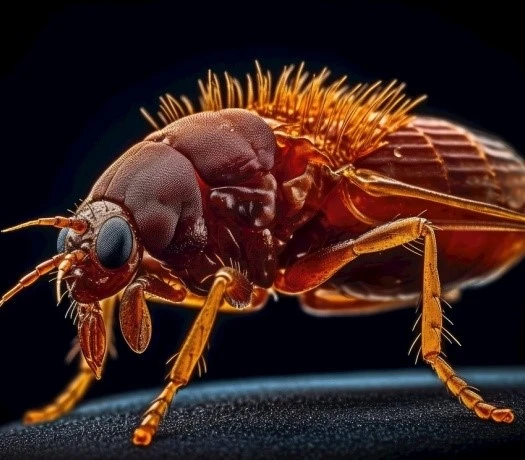
Parasites vary in illness risk according to their behavior. Because fleas have thin cuticles, pesticides may readily enter their bodies. No matter how little, fipronil kills them. Researchers found that adult fleas that contact treated hairs shake within two hours and die within four to six hours. This takedown is rapid and eliminates biting and agony immediately.
Ticks absorb things more slowly due to their thicker, tougher coats. Long-term contact with treated fur while searching for a host gives them ample exposure. It takes 12–24 hours for ticks' nervous systems to become overwhelmed by the toxin. When female ticks feed, their skin opens. Fipronil prevents ticks from developing offspring, even if they feed briefly and fall off, according to research.
Lice have little sensitivity. Once flattened, they attach to the skin and treated hair shafts better, making them easier to notice. However, lice require a long-lived host. This makes lice-friendly environments less essential. This is helpful because it kills lice eggs by entering the egg casing (operculum) and destroying the embryos. You don't have to flee to capture freshly born humans using this feature.
Fipronil Spot-On and Its Role in Managing Existing Infestations
Pet owners must act swiftly to terminate an epidemic to prevent illness transmission and population growth. The first time fipronil is used, bugs decline immediately. Change is noticeable in 24 hours. Adult fleas cease feeding immediately after touching a human. In flea allergy dermatitis, this prevents frequent allergic responses and blood loss.
Treatment takes longer to spread in areas with many infestations. Insecticides kill animal parasites but not flea pupae in their cocoons. These phases may accomplish nothing for months. When they detect a host by carbon dioxide or movement, they mature. Applying monthly for three to four months will provide continual coverage while environmental populations decline to zero.


Though tick diseases have fewer germs, they are nevertheless more dangerous. One ill tick may transmit infections while eating, thus ticks must be removed soon. Vets recommend comprehensive body exams for dogs returning from tick-prone areas. Using fipronil spot-on protection to swiftly locate and remove trapped ticks reduces illness. Even if pet owners take precautions, they should watch for tick-borne illnesses, including fever, drowsiness, swollen joints, and brain disorders.
To transmit lice, animals must contact or share cleaning utensils. Usually, transmission occurs at dog parks, boarding establishments, and shelters. To prevent infestations, treat all home pets at once. Cut thick or infected fur to make the solution easier to reach the skin.
This eliminates nit-filled hair. Cleaning the area helps most physicians observe complete improvement after two treatment cycles.
How Can Fipronil Spot-On Support Ongoing Parasite Control for Pets?
Preventive health care is cheaper and more effective than pest treatment. Fipronil kills parasites before they reproduce. Monthly use is advised. This therapy protects pets in year-round flea and tick regions.
Warm environment treatment planning depends on season. Spring and October are peak tick and flea seasons. Hotter months have more fleas. Many experts believe winter-heated buildings encourage fleas to thrive year-round. Breaks from treatment may reactivate parasites. More treatment is needed to regain control.
Many pets struggle with parasites that span species. While living together, cats and dogs should take their species-specific formulas. The recipe suggests 0.5ml for various-weight cats. Different grease-producing species act differently. Avoid dog products with cat-harming ingredients.

To guarantee treatment works, check the pet's excrement and body for microorganisms that external items can't eradicate. A fine-toothed flea comb shows live fleas or flea filth as black blood spots on the pet's hair.The product may have failed, been administered inappropriately, or the environment contaminated again too soon for the therapy to work beyond safe coverage times.

Your location dramatically impacts bug risk. Fleas and ticks love moderate coastal winters. Trees harbor fleas and parasites. Dog owners should contact parasite-savvy vets to protect their pets. In certain areas, insecticides kill bugs less successfully. Fipronil resistance is strong, although less than for previous compounds.
Parasite control techniques work best when people comply. Adding notes to your calendar, combining apps with other monthly activities, or employing vet office reminders may help you reach your objectives. Bugs may enter if homeowners forgo treatment. These pests make dogs uncomfortable and spread infections throughout the house, making expert treatment costly.
Conclusion
Pet owners must constantly deal with exterior pests to keep their pets healthy and happy. Fipronil spot-on works by disrupting flea, lice, and tick neurological systems. This easy method of eliminating animal parasites (simply apply it to the skin once a month) is commonly used since it works against many kinds of parasites.
You must comprehend parasites, follow product instructions, and follow treatment programs for therapy to work. Cleaning the environment reduces pest reservoir numbers, making chemical remedies more effective. All-method pet owners make their dogs safer than treaters.
As animal parasitology evolves, new drugs and methods are developed. More vet visits mean more current advice and greater protection against new hazards. Preventative care keeps dogs and owners healthy and improves their quality of life, saving money over time.
FAQ
1. How quickly does fipronil spot-on start working after application?
+
-
It only takes a few hours for the active ingredient to start spreading across the pet's skin through the network of sebaceous glands. When adult fleas touch treated clothing, they generally die within 12 to 24 hours. However, you may still see some activity during this time because the fleas are already dead. When ticks attach, they die within 24 to 48 hours. The best level of security is reached when the right amount is spread all over the body within 48 hours of treatment.
2. Can fipronil spot-on get wet after application?
+
-
Making sure the area is dry before putting it in water helps the water get into the skin's oils and hair follicles properly. As a general rule, you should wait between 24 and 48 hours before bathing or swimming. If you use strong shampoos or spend a lot of time in water, you may wash away surface leftovers faster, cutting down on the time of treatment. Studies have shown that fipronil that has been properly absorbed works even after a few baths. Some people may need to do it more often, though, like people who swim a lot.
3. What should I do if my pet shows skin irritation at the application site?
+
-
At the treatment site, there may be some mild swelling or hair loss for a short time, but this usually goes away on its own in a few days. If it doesn't go away, wash the area with water and mild soap to get rid of any product that is still there. If you have a serious reaction, like a lot of redness, swelling, or changes in how you act, you should see a doctor right away. But some pets are allergic to the carrier liquids instead of the main ingredient. For those pets, different formulations may work better.
Partner with a Trusted Fipronil Spot-On Supplier: Bloomtechz
Getting veterinary-grade active pharmaceutical ingredients from a reliable source is important to make sure that the treatment works and that the product is of good quality. The factories that Bloomtechz uses are GMP-certified and cover 100,000 square meters. They have been making organic compounds for more than 12 years. The fact that our companies still have their US-FDA, EU-GMP, PMDA, and CFDA certifications shows that they follow quality standards around the world.
Pharmaceutical companies, research institutions, and specialty chemical distributors from all over the world come to us for help with everything from getting APIs to making custom OEM/ODM formulations. Our quality control system has three levels: testing in the plant, internal QA/QC, and approval by a third party. These levels make sure that standards meet or go beyond what the industry needs. Firms can work together for a long time and gain from each other's successes when they have clear profit margins (10–30%) and set prices that are competitive.
You can get help from our research and development (R&D) department to make formulations better, make sure they meet regulatory requirements, and move from lab development to commercial production. It is faster to clear customs when you can keep track of sales, inventory, and shipping paperwork on our ERP platform in real time.
Find out how Bloomtechz can help you make your products better by giving you stable, low-cost fipronil spot-on choices. Send us an email at Sales@bloomtechz.com right now to talk about your specific needs and get full quotes.
References
1. Dryden MW, Payne PA, Smith V, et al. Efficacy of selamectin, fipronil, and imidacloprid plus permethrin against adult flea populations in dogs and cats. Veterinary Therapeutics: Research in Applied Veterinary Medicine. 2013;14(2):87-96.
2. Jacobs DE, Hutchinson MJ, Krieger KJ. Duration of activity of fipronil-(S)-methoprene against pupae of Ctenocephalides felis. Veterinary Parasitology. 2015;210(3-4):284-287.
3. Otranto D, Dantas-Torres F, Giannelli A, et al. Efficacy of a spot-on formulation containing fipronil and permethrin against ticks and sand flies in dogs. Parasitology Research. 2014;113(11):4143-4149.
4. Fourie JJ, Stanneck D, Jongejan F. Prevention of transmission of Babesia canis by Dermacentor reticulatus ticks to dogs treated with an imidacloprid/flumethrin collar. Veterinary Parasitology. 2013;192(1-3):255-261.
5. Pollmeier M, Pengo G, Jeannin P, et al. Evaluation of the efficacy of fipronil formulations in the treatment and control of biting lice, Trichodectes canis, on dogs. Veterinary Parasitology. 2004;124(1-2):65-74.
6. Blagburn BL, Dryden MW. Biology, treatment and control of flea and tick infestations. Veterinary Clinics of North America: Small Animal Practice. 2009;39(6):1173-1200.