


Cushing's syndrome, a hormonal illness that affects millions of dogs worldwide, may cause your dog to drink too much water, lose hair, or have a potbellied look. Trilostane tablets are now a trusted treatment for this illness in veterinary medicine. Pet owners may make better dog health choices by understanding how this medicine works, what symptoms it treats, and how it controls cortisol.
Hyperadrenocorticism, or Cushing's syndrome, occurs when a dog's adrenal glands release too much cortisol. A hormonal imbalance affects normal biological functioning and causes clinical signs that lower quality of life. Poodles, Dachshunds, and Boston Terriers are more susceptible, although middle-aged to senior canines are most affected. Good therapy may restore comfort and vigor to damaged animals, enabling them to spend their last years with their family.
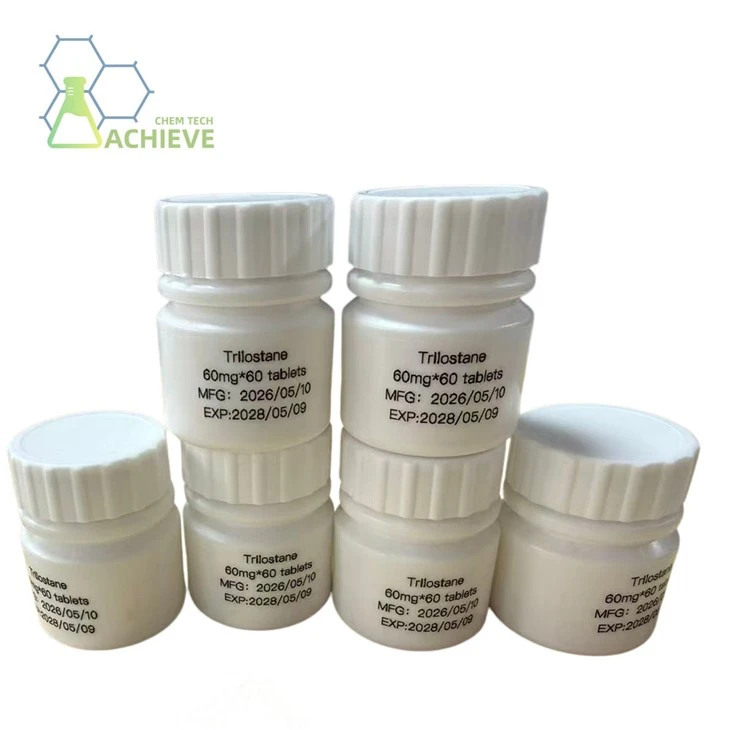
Trilostane Tablets
1.General Specification(in stock)
(1)Injection
Customizable
(2)Tablet
Customizable
(3)API(Pure powder)
PE/Al foil bag/ paper box for Pure powder
HPLC≥99.0%
(4)Pill press machine
https://www.achievechem.com/pill-press
2.Customization:
We will negotiate individually, OEM/ODM, No brand, for secience researching only.
Internal Code: BM-2-016
Trilostane CAS 13647-35-3
Analysis: HPLC, LC-MS, HNMR
Technology support: R&D Dept.-4
Which Cushing's Symptoms Can Trilostane Tablets Help Manage?
Cushing's syndrome in dogs presents indications that worsen over time if untreated. The most prominent indication is polydipsia, or excessive thirst. Water dishes are constantly sought by pets. Dogs with polyuria need to pee more regularly because they consume more water. Despite housetraining, they may have accidents inside. When these two things happen, the pet normally requires a first vet visit.
Cushing's patients may overeat. These dogs beg for food constantly, making them seem hungry. Despite exercising, they may gain weight. Muscle loss occurs simultaneously, mostly in the arms. The tiny legs and large belly give the individual a distinctive appearance.
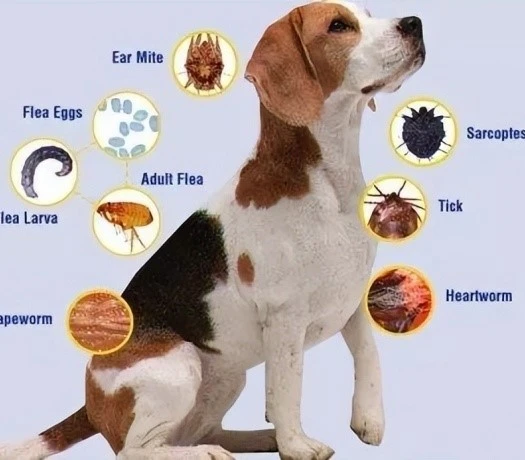
Moving fat and weak abdominal muscles cause this pot-bellied appearance.
Changes in skin conditions matter. Dogs lose hair on both sides, although it normally begins on the back and doesn't spread to the head or limbs. Nearly through the skin, you can see the blood vessels. Calcinosis cutis occurs when calcium deposits beneath the skin develop hard lumps. Some dogs acquire hyperpigmentation, which darkens their skin. Injury weakens your immune system. Healing takes longer, and infections increase.
Trilostane tablets reduce cortisol production, which causes these symptoms. Tests show trilostane improves conditions in over 90% of dogs. Pet owners frequently notice their dogs drink less water initially.
After that, their fur, health, and behavior improve. This drug helps Cushing's dogs live well, but it doesn't cure them.
Trilostane Tablets and Excess Cortisol: Connecting Hormones With Clinical Signs
Cortisol regulates dogs' immune systems, metabolism, and stress response, keeping them healthy. Long-term elevated cortisol levels may harm several organ systems. This is an issue. This website helps pet owners understand why cortisol levels are significant.
Even with sufficient muscle nutrition, too much cortisol slows protein breakdown. You now understand why ill dogs lost strength. This hormone causes a pot-bellied appearance as fat travels from legs to tummies. Also, their legs lose bulk. The modifications influence their appearance, movement, and physical capacity.
The hormone significantly alters water flow. When cortisol levels are high, antidiuretic hormones don't operate properly, preventing the kidneys from concentrating urine.
This makes dogs pee a lot, which they need to drink to stay hydrated. This cycle disrupts daily chores, and frequent accidents might strengthen human-animal bonds.
Because stress weakens the immune system, dogs become ill more often. More effort is needed to eliminate skin illnesses, UTIs, and respiratory issues. The hormone stops collagen production and releases wound-healing compounds, slowing wound healing. All of these factors make tiny pains enormous.
Trilostane tablets regulate hormones by inhibiting adrenal cortisol production. Cortisol levels normalize, easing discomfort. The immune system, muscles, and skin improve with time. Trilostane tablets medication treats several diseases due to hormone alterations.
How Does Trilostane Tablet Treatment Reduce Cortisol Production?
Trilostane reduces adrenal hormones via inhibiting enzymes. The adrenal cortex produces cortisol from cholesterol-based metabolic changes. A crucial enzyme, 3β-hydroxysteroid dehydrogenase, is temporarily inactive due to trilostane.
This enzyme is inhibited by trilostane. It prevents pregnenolone from becoming progesterone. This stops steroid production. This blocker is effective for Cushing's syndrome since it decreases cortisol without halting it. Stopping cortisol production would still cause Addison's disease. Trilostane may be switched off and on to optimize cortisol levels.
The advantages of this medicine depend on how much you consume and last briefly.

Most individuals must take each dose with meals once or twice a day for a specified duration. Absorbing more when you eat maintains blood levels constant and prolongs enzyme blockage. Ensuring the cortisol drop lasts all day is extremely crucial now.
Each dog responds differently to trilostane depending on their illness severity, other health issues, and metabolism. The initial dose is generally 1–3 mg/kg. After the initial visit, changes occur. Tests measure adrenal gland cortisol production after ACTH stimulation. This data helps veterinarians assess medication efficacy. These tests inform you how much to adjust to control things.
Trilostane Tablets in Canine Adrenal Hormone Management
Cushing's illness may be treated with medication. For treatment to work, the pet must be examined by a vet frequently and the owner must stick to it. The appropriate use of trilostane tablets in medicine is crucial.
Visit the doctor at the start of therapy to assess progress and adjust the dosage. After most treatments or dosage changes, follow-up is needed 10–14 days later. ACTH stimulation tests will assess cortisol decrease, while blood tests will assess liver and kidney function. Making sure the drug works while avoiding overreduction is crucial.
If their symptoms worsen or return, some dogs require bigger dosages.

To manage cortisol, some patients may need to take their medication twice a day instead of once. Veterinarians base their conclusions on hormone testing and clinical signs. Finding the lowest dose that reduces symptoms and raises cortisol is the aim.
For long-term management, you must monitor things, but less regularly after they are under control. Dogs are given trilostane for life, but the dose must be adjusted when the illness worsens or new health complications arise. At this time, owners' advice is useful. When a pet's water intake, appetite, activity, or coat quality change, doctors can determine the appropriate treatment before it worsens.
From Cortisol Control to Symptom Improvement: The Role of Trilostane Tablets
When Trilostane tablets medicine is done correctly, the period from diagnosis to symptom elimination is predictable. Knowing about this development will help pet owners manage their hopes and watch for indicators that their pet needs a doctor.
Many individuals initially feel less thirsty and use the restroom less. Many dog owners discover their dog urinates and consumes less water in the first two weeks. Dog owners and residents frequently feel better immediately following these improvements. It's easier to sleep and reduces dog accidents inside.
Hunger normally returns after 4–6 weeks. Once they stop searching for food, dogs eat normally. You may not notice physical changes for months.
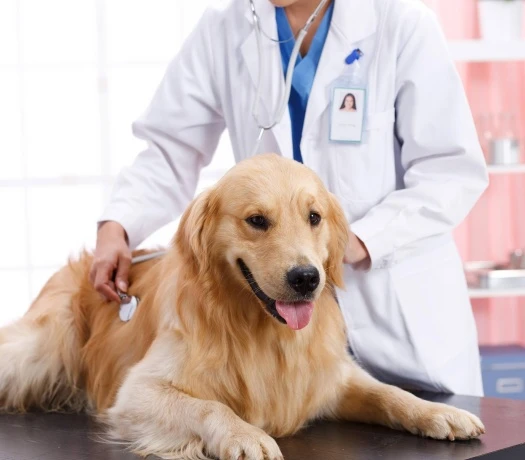
Also, your weight distribution changes. Muscle tone steadily improves as cortisol levels stabilize, allowing protein manufacturing to resume.
The longest time for skin changes. Hair regrows three to four months following treatment. Hair cells require time to mature. The new hair may seem uneven or feel different from the previous coat, but it usually improves with therapy. This thin, see-through skin improves when its thickness returns to normal. Already existing calcinosis cutis sores won't grow or disappear.
Behavior and energy changes are crucial yet often overlooked. After their cortisol levels drop, many dogs become more active and affectionate with their owners.
The disease made them fatigued and hesitant to exercise, but those symptoms soon faded, showing their pre-illness selves. This habit modification is usually the owner's biggest success.
Dosing Considerations and Treatment Safety
To make sure that trilostane tablets work and are safe, certain steps must be taken when giving them. Taking the medicine with food will help it work better and make you feel better if you do. Having a set schedule for each day can help your blood sugar stay steady, which can help you better manage your cortisol levels during the day.
It's normal to miss a dose once in a while, but owners should get back to the regular plan instead of giving two doses at once. The best results come from following the same methods of delivery.Setting phone alarms or linking medication times to daily activities like meals can help you remember to take your medicine.It is important to keep an eye out for any bad effects while you are getting treatment.
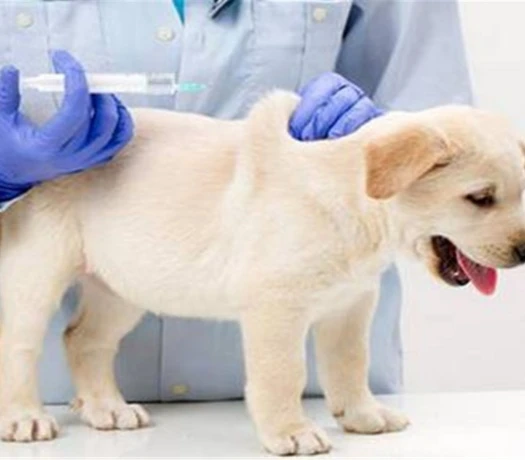
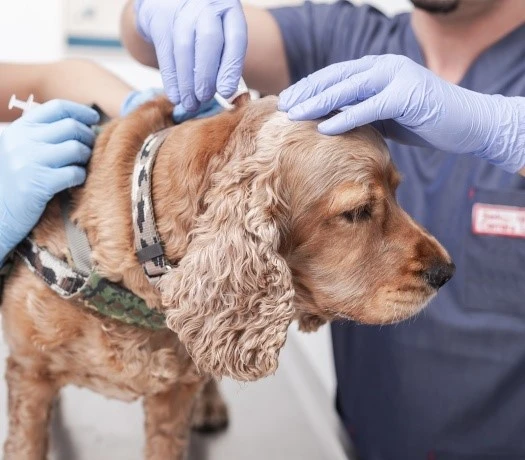
Trilostane doesn't bother most dogs, but some do have stomach issues like throwing up, diarrhea, or losing their appetite. These side effects might go away on their own, but they often happen early in the treatment. More serious are signs of too little cortisol, like being tired, weak, throwing up, or having diarrhea that doesn't go away or gets worse. A doctor needs to look at these right away.Pet owners regularly get blood tests to see how healthy their liver and kidneys are. The liver and kidneys break down medicine and get rid of it.If electrolyte panels show changes, it could mean that the body doesn't have enough mineralocorticoids. This can happen when enzymes are slowed down too much. These safety steps make it easy to find issues quickly, before they get worse.
Understanding Treatment Response Variability
Not all dogs respond to trilostane treatment. How successfully Cushing's syndrome patients respond to therapy depends on their biology, how long they had the condition before diagnosis, and any accompanying health concerns. Knowing this distinction helps owners maintain fair standards.
Trilostane is effective for 80–85% of pituitary-dependent Cushing's disease patients. Pituitary tumors cause these canines to produce too much ACTH. This causes adrenal cortisol production. Trilostane's enzyme-blocking ability usually counters this enhancement. Functional adrenal tumors induce it. The body reacts differently depending on how the tumor operates.
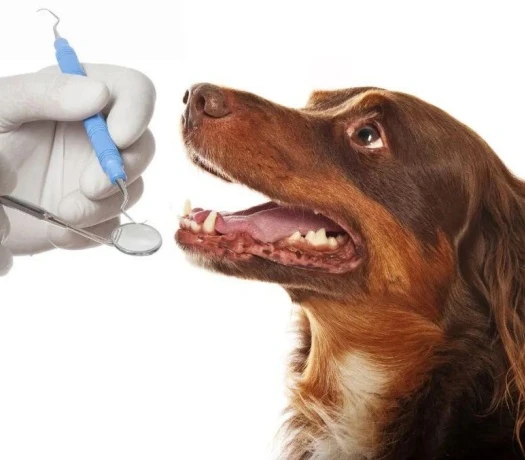
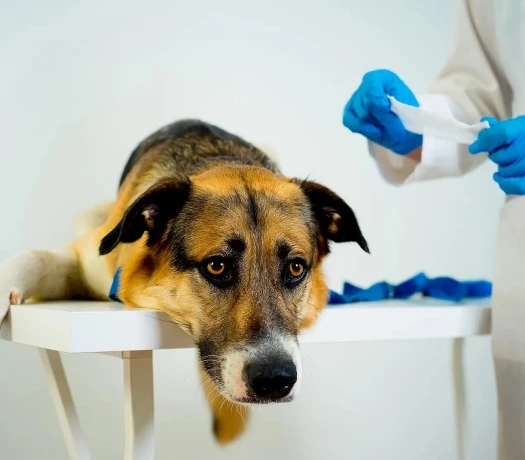
Even with low cortisol, a dog with Cushing's disease for a long period may show indications.After prolonged cortisol exposure, some people's skin never recovers. This is crucial for calcinosis cutis patients. Not worrying about long-term adjustments lets owners enjoy the short-term gains.
Care is difficult when you have many illnesses. Many dogs with Cushing's syndrome have chronic diabetes, hypothyroidism, or renal issues. This may improve with tribulostane. If cortisol levels return to normal, insulin resistance decreases, making diabetes simpler to control. The owner and doctor must work hard to ensure seamless treatments.
Conclusion
Cushing's syndrome dogs are sick and have a poor quality of life. Fortunately, modern veterinary care treats it well. Hospitals have used trilestane tablets for years to help dogs feel better and regain energy. The medication reduces cortisol via reversible enzyme inhibition. It addresses the cause, not symptoms.
The vet and pet owner must collaborate for the treatment to succeed. Regular dosage modifications and therapy monitoring may ensure safe outcomes. Cushing's syndrome dogs may have long lives with proper treatment. Most dogs will never recover.
Knowing how Trilostane tablets work, what symptoms it addresses, and what to anticipate from treatment helps dog owners make better care choices. The drug has worked before, so vets monitor it. It's crucial for treating animal Cushing's disease.
Frequently Asked Questions
1. What is the typical timeframe for seeing improvement in Cushing's symptoms after starting trilostane tablets?
+
-
After two to three weeks of trilostane treatment, most dogs start to drink and pee properly again. Getting the dog's hunger back to normal takes about 4 to 6 weeks. It takes 3 to 4 months for the coat to grow back and the skin to get better. Different people feel more energized in different ways, but most people notice it after the first month, when their cortisol levels level off.
2. Can dogs remain on trilostane tablets for their entire lives?
+
-
Trilostane is something that most dogs with Cushing's syndrome will need to take for the rest of their lives. The medicine controls the symptoms but doesn't fix the underlying problem because it stops the body from making cortisol. The treatment stays safe and successful as long as the dog keeps going to the vet, and the dose is changed as needed for the rest of its life.
3. What should owners do if they notice side effects during trilostane treatment?
+
-
Mild stomach problems, like throwing up or having soft stools once in a while, might go away on their own. But you should take your pet to the vet right away if the symptoms don't go away or get worse. If you have too much cortisol suppression, you may feel very tired, weak, lose your appetite, or throw up more than once. Things like this need to be looked at right away, and the treatment might need to be stopped
Partner With Bloomtechz for Premium Trilostane Tablets Supplier Solutions
If you need a reliable source for trilostane tablets, Bloomtechz is ready to help you with your drug and animal medicine needs. For more than 15 years, we've been making organic chemicals and pharmaceutical intermediates. Our factories are GMP-certified and follow the rules in the US, EU, and Japan. We make sure of the quality of our products at three different levels: in the plant, by our own QA/QC department, and by third parties who are allowed to do so.
Twenty-four of the world's largest drug companies work with Bloomtechz. They use clear pricing systems and set profit margins to offer affordable prices without lowering the quality of their products. Our thorough paperwork makes it easier to get through customs, and our ERP platform lets us know exactly how long people will have to wait and keep track of orders. No matter if you need API powder, special mixes, or finished dosage forms, our R&D team can help you with all of your technical needs.
Talk to our team about your trilostane needs and find out how Bloomtechz can help you manage your pharmacy's supply chain. Send us an email at Sales@bloomtechz.com to get full prices, technical information, and instructions on how to work together.
References
1. Ruckstuhl NS, Nett CS, Reusch CE. Results of clinical examinations, laboratory tests, and ultrasonography in dogs with pituitary-dependent hyperadrenocorticism treated with trilostane. American Journal of Veterinary Research. 2002;63(4):506-512.
2. Neiger R, Ramsey I, O'Connor J, Hurley KJ, Mooney CT. Trilostane treatment of 78 dogs with pituitary-dependent hyperadrenocorticism. Veterinary Record. 2002;150(26):799-804.
3. Benchekroun G, de Fornel-Thibaud P, Rodríguez Piñeiro MI, Rault D, Besso J, Cohen A, Hernandez J, Maurey-Guenec C, Rosenberg D. Trilostane therapy for canine hyperadrenocorticism: a prospective study of 108 dogs. Journal of Small Animal Practice. 2012;53(2):85-91.
4. Vaughan MA, Feldman EC, Hoar BR, Nelson RW. Evaluation of twice-daily, low-dose trilostane treatment administered orally in dogs with naturally occurring hyperadrenocorticism. Journal of the American Veterinary Medical Association. 2008;232(9):1321-1328.
5. Galac S, Reusch CE, Kooistra HS, Rijnberk A. Adrenal function testing and thyroid hormone concentrations in dogs before and after trilostane therapy for pituitary-dependent hypercortisolism. Domestic Animal Endocrinology. 2010;38(3):154-162.
6. Helm JR, McLauchlan G, Boden LA, Frowde PE, Collings AJ, Tebb AJ, Elwood CM, Herrtage ME. A comparison of factors that influence survival in dogs with adrenal-dependent hyperadrenocorticism treated with mitotane or trilostane. Journal of Veterinary Internal Medicine. 2011;25(2):251-260.