


When a flea bites a dog and dies within hours - not minutes, not days - something specific is occurring on the molecular scale. It is this accuracy which makes fluralaner one of the most scientifically convincing antiparasitic drugs in contemporary veterinary therapy. The tale centers on GABA receptors, small proteins that regulate the communication between nerve cells of insects and ticks. Knowing what fluralaner does to these receptors helps to understand why this substance works so well and why it is safe for the dogs it protects.
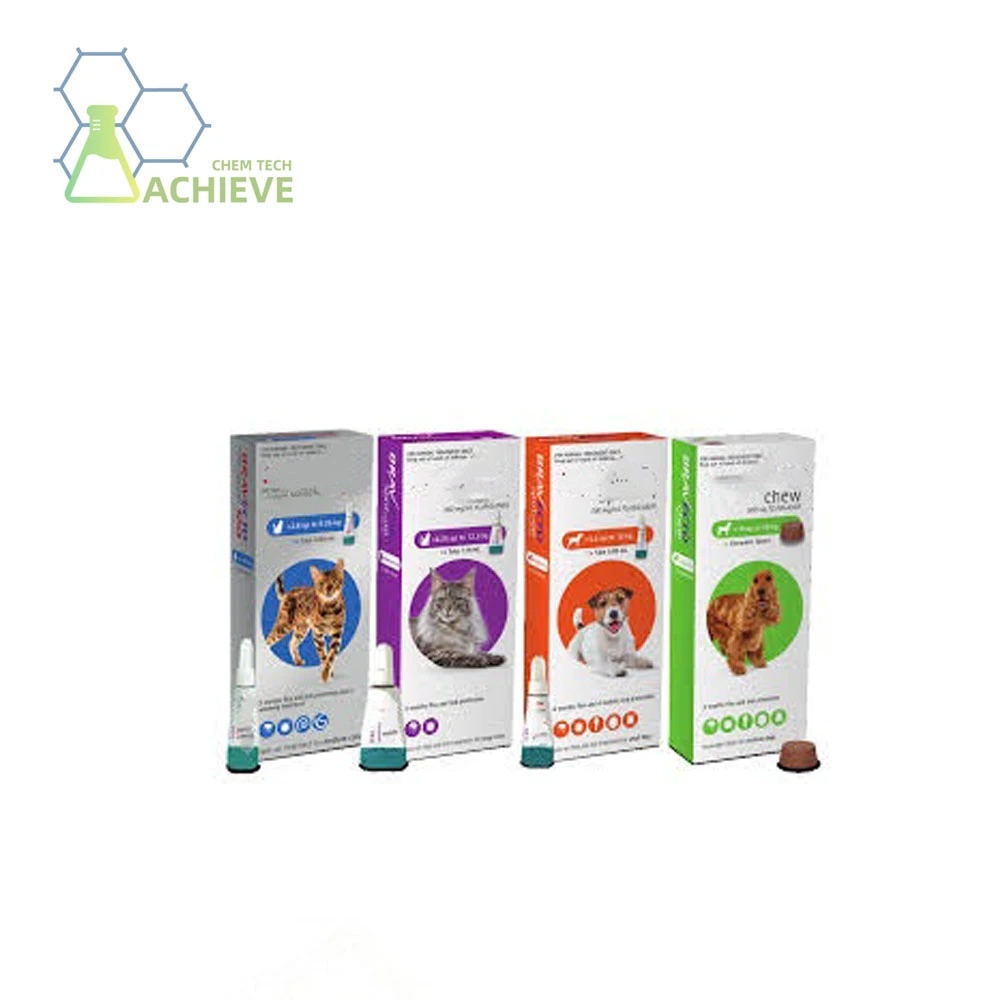
Fluralaner Tablet
1.General Specification(in stock)
(1)Solution
(2)Tablet
(3)Injection
(4)Spray
(5)Drops
2.Customization:
We will negotiate individually, OEM/ODM, No brand, for secience researching only.
Internal Code:BM-2-079
Fluralaner CAS 864731-61-3
Main market: USA, Australia, Brazil, Japan, Germany, Indonesia, UK, New Zealand , Canada etc.
Manufacturer: BLOOM TECH Xi'an Factory
Analysis: HPLC, LC-MS, HNMR
Technology support: R&D Dept.-4
What Role Do GABA Receptors Play in Fluralaner's Antiparasitic Activity?
GABA Receptors as Gatekeepers of the Nervous System
In arthropod nervous systems, GABA receptors inhibit. GABA binds to these receptors, allowing chloride ions to pass through the channel, calming the nervous system. Insects and ticks need inhibitory signalling for coordinated muscle activity, sensory processing, and survival.
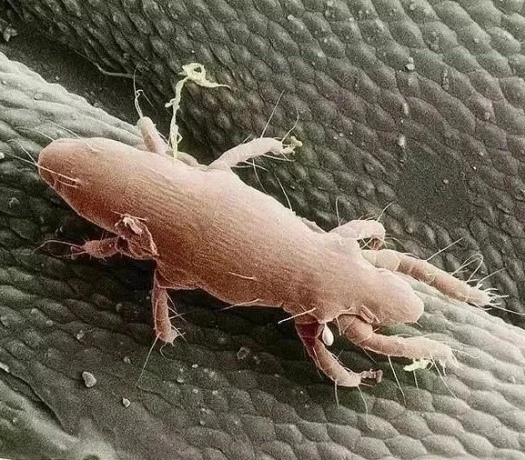
GABA-gated chloride channels are widely distributed throughout the neural system of parasites such as fleas (Ctenocephalides felis) and ticks (Ixodes scapularis, Dermacentor variabilis). That makes them valuable molecular targets – interrupting them causes quick and permanent neurological failure.
Why Arthropod GABA Receptors Are Different from Mammalian Ones
The selectivity is one of the most therapeutically important features of the pharmacology of fluralaner. GABA receptors are only present in the central nervous system of mammals and are limited to the blood-brain barrier. Fluralaner is unable to cross this barrier in therapeutic concentrations; therefore, the medication reaches arthropod receptors before there is any appreciable interaction with host tissue. The biochemical basis for the safety of the substance to dogs and cats is the differences in the structure and physiology of the nervous system of the host and the parasite.
Fluralaner Binding to Arthropod GABA Receptors: Molecular Insights
The Allosteric Binding Mechanism
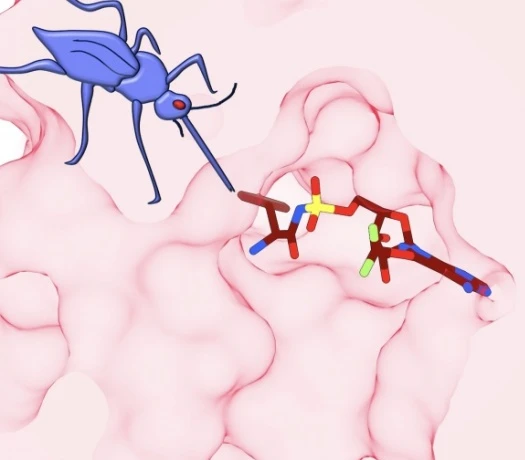
Fluralaner does not bind to the same location as GABA. It binds as a negative allosteric modulator to a unique site on the GABA receptor complex and locks the chloride channel in a closed state. So the channel is blocked. Then the inhibitory signaling collapses. An unrelenting barrage of neurons firing causes uncontrollable muscular spasms, paralysis, and finally death in the parasite.
This allosteric mechanism is common to other isoxazoline class drugs, but fluralaner's particular binding affinity and residence time at the receptor site are factors in its long duration of action, offering up to 12 weeks of parasite control with a single oral dosage.
Structural Features That Drive Receptor Affinity
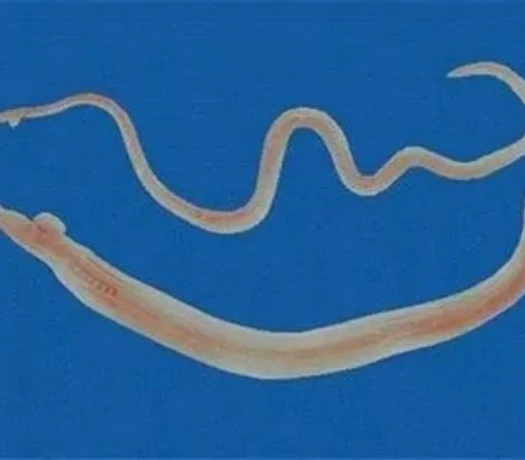
Fluralaner has a molecular framework that incorporates a fluorinated aromatic system and an isoxazoline ring. These structural features provide persistent and tight interactions with hydrophobic regions of the arthropod GABA receptor. Computational docking studies have indicated that fluralaner binds to a location separate from the target of ivermectin, which has practical implications: parasites resistant to one type of chemical may be fully susceptible to fluralaner. This receptor-level selectivity is one reason fluralaner is a scientifically sound approach for comprehensive parasite treatment.
How Does Fluralaner Disrupt Inhibitory Nerve Signaling in Parasites?
Blocking Chloride Ion Flow at the Channel Level
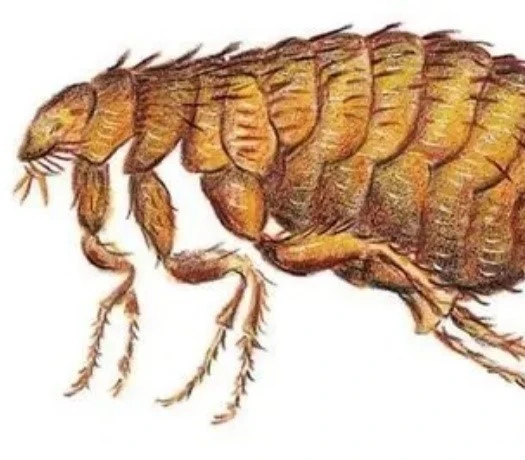
In arthropods, normal inhibitory signaling relies on the free passage of chloride ions into the nerve cell when GABA contacts its receptor. Fluralaner literally interrupts this process. It takes the "brake" off neuronal activity by inhibiting chloride inflow. The outcome is a cascade of hyper-excitation – neurons that can't stop firing, muscles that can't stop contracting, a neurological system that quickly loses functional coherence. Fleas that ingest fluralaner via a pet's bloodstream are behaviorally disoriented within hours, then paralyzed and killed.
Speed and Duration of Neurological Effect
Fluralaner kills more than 98% of fleas within 12 hours of dosing and continues to provide that effectiveness for up to 12 weeks.
This rapidity is characteristic of the compound's spread via systemic circulation and its great affinity for arthropod brain tissue. The long duration reflects the stable binding of fluralaner to its receptor target; it does not dissociate rapidly; hence, parasites that bite the treated host are exposed to fatal amounts during the whole dosage period.
Fluralaner and Glutamate Receptors: Understanding Two Distinct Molecular Targets
Glutamate-Gated Chloride Channels as a Secondary Target
In addition to GABA receptors, fluralaner also blocks glutamate-gated chloride channels (GluCls) of arthropods. These channels drive a distinct stream of inhibitory signals, especially in peripheral motor neurons and sensory circuits of insects and ticks. GluCl channels are peculiar to invertebrates, not found in vertebrate neural systems, therefore providing further support for the safety justification for the use of fluralaner in companion animals.
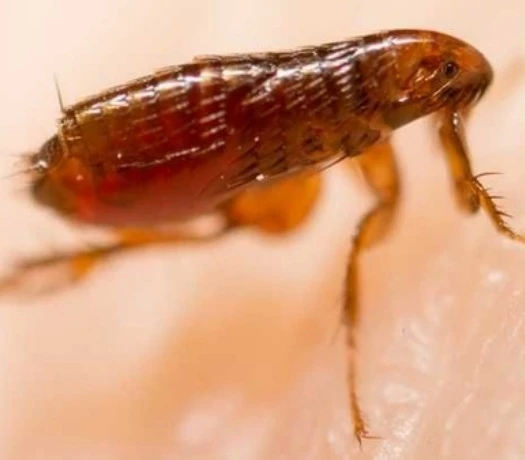
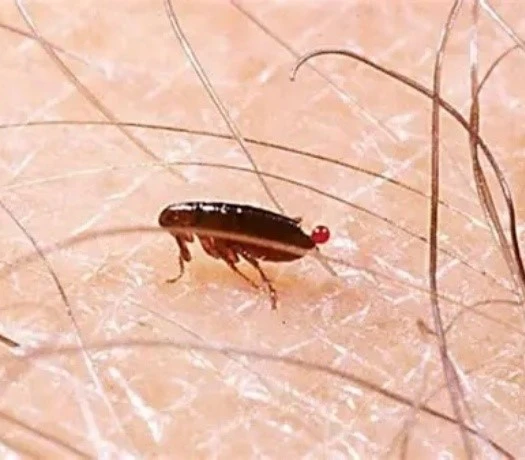
Inhibition is disrupted when either GABA receptors or GluCls are blocked alone. The parasite loses neurological control via two concurrent routes, which probably explains the rapidity and completeness of the deadly impact in the field and laboratory.
Implications of Dual-Target Activity for Resistance Management
The dual target pharmacology of fluralaner has important implications for long-term resistance management. When a substance hits one receptor, then one genetic mutation of that receptor is sufficient to give resistance. But if you target two different kinds of receptors at the same time, the parasite would have to have mutations in both pathways to survive the treatment. This increases the genetic cost of resistance enormously. Currently, resistance of Ctenocephalides felis populations to fluralaner under field settings has not been widely reported, and one possible cause may be the dual-target mechanism.
How Can GABA Receptor Research Improve Our Understanding of Fluralaner Resistance?
Identifying Resistance-Associated Mutations in GABA Subunits
Other GABA-targeting insecticides, such fipronil, have been linked to resistance to certain point mutations in GABA receptor subunits, particularly at A2'S. One biological way to foresee how resistance to fluralaner could someday emerge is to examine homologous sites in arthropod GABA receptors. Researchers who routinely survey tick and flea populations before clinical resistance is apparent may be able to identify changes in receptor gene sequences at the genetic level.
Receptor Pharmacology for the Development of Next Generation Compounds
Studies of GABA receptors also promote the development of future isoxazoline medicines.
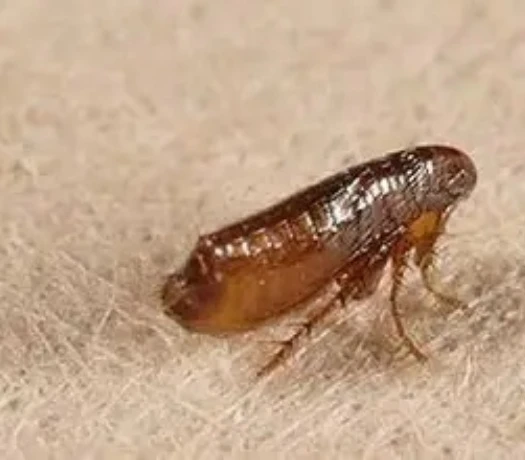
Knowing the particular amino acid residues interacting with fluralaner, medicinal chemists may design analogs with either enhanced binding stability or a broader species coverage. This translation from receptor biology to chemical refining reveals the scientific continuum which is the basis for the long-term efficacy of antiparasitic medication. Fluralaner occupies a pivotal role in this continuum as both a therapeutic intervention and a research platform.
Conclusion
The antiparasitic efficiency of fluralaner is not a matter of chance but of the interaction of the molecule at the molecular scale with the architecture of the GABA receptor in the nervous systems of arthropods. Fluralaner provides fast and long-lasting parasite control with a safety margin based on basic biology by allosterically blocking chloride ion channels, inhibiting glutamate-gated pathways, and maintaining high occupancy of the receptor over weeks. Current studies on the receptors are giving scientists better tools to analyse effectiveness and anticipate resistance and to design the next generation of veterinary antiparasitic drugs.
Frequently Asked Questions
Q1: How does fluralaner remain safe for dogs and cats while being lethal to parasites?
+
-
Fluralaner targets arthropod nervous system GABA receptors and glutamate-gated chloride channels. GABA receptors are protected by the blood-brain barrier in mammals, and vertebrates lack GluCl channels. Fluralaner does not cross the mammalian blood-brain barrier at therapeutic dosages, therefore it does not reproduce parasite neurological damage in pets.
Q2: How long does fluralaner continue to work after a single dose?
+
-
Fluralaner protects against fleas and ticks for 12 weeks with one oral dosage. The compound's persistent binding to arthropod GABA receptors and continuous systemic circulation ensure that any parasite biting the treated animal ingests a deadly dosage during the treatment period.
Q3: Can parasites develop resistance to fluralaner?
+
-
Any antiparasitic chemical risks resistance. Fluralaner's dual-target mechanism-GABA receptors and glutamate-gated chloride channels-increases genetic complexity needed for resistance. Current field data reveal no widespread fluralaner resistance in fleas or ticks, although receptor-level genetic monitoring is essential for parasite control.
Partner with Bloomtechz - Your Trusted Fluralaner Supplier for High-Quality Veterinary Compounds
At Bloomtechz, we combine 12+ years of organic synthesis expertise with GMP-certified manufacturing to deliver fluralaner products that meet the exacting standards of international veterinary and pharmaceutical markets. Our Xi'an production facility holds US FDA, EU GMP, and CFDA certifications, and our triple-stage quality control process ensures that every batch you receive is verified at the factory, in our QA/QC department, and by an accredited third-party authority. Whether you need fluralaner tablets, pure powder, or customized OEM formulations, we serve clients across the USA, Australia, Japan, Germany, and beyond with transparent pricing and accurate lead times. As a reliable fluralaner supplier, Bloomtechz is ready to support your R&D goals or large-scale procurement needs.
Reach our team directly at Sales@bloomtechz.com to request a quote or discuss your specific requirements.
References
1. Ozoe, Y. (2013). γ-Aminobutyrate- and glutamate-gated chloride channels as targets of insecticides. Advances in Insect Physiology, 44, 211–286.
2. Gassel, M., Wolf, C., Noack, S., Williams, H., & Ilg, T. (2014). The novel isoxazoline ectoparasiticide fluralaner: Selective inhibition of arthropod γ-aminobutyric acid- and glutamate-gated chloride channels and insecticidal/acaricidal activity. Insect Biochemistry and Molecular Biology, 45, 111–124.
3. Prichard, R. K., & Geary, T. G. (2019). Perspectives on the utility of moxidectin for the control of parasitic helminths in the face of developing anthelmintic resistance. International Journal for Parasitology: Drugs and Drug Resistance, 10, 69–83.
4. Rohdich, N., Roepke, R. K. A., & Zschiesche, E. (2014). A randomized, blinded, controlled and multi-centered field study comparing the efficacy and safety of Bravecto™ (fluralaner) against Frontline™ (fipronil) in flea- and tick-infested dogs. Parasites & Vectors, 7, 83.
5. Dryden, M. W., & Payne, P. A. (2004). Biology and control of ticks infesting dogs and cats in North America. Veterinary Therapeutics, 5(2), 139–154.
6. Beugnet, F., & Franc, M. (2012). Insecticide and acaricide molecules and/or combinations to prevent pet infestation by ectoparasites. Trends in Parasitology, 28(7), 267–279.