


If you've ever wondered how a few drops of liquid applied to your cat's neck can keep fleas and ticks away for weeks, you're not alone. The science behind fipronil spot-on is genuinely fascinating - and understanding it helps you feel more confident about using the product correctly. This guide walks through exactly how topical flea protection works on cats, from the moment you apply it to the instant a flea makes contact with treated fur.
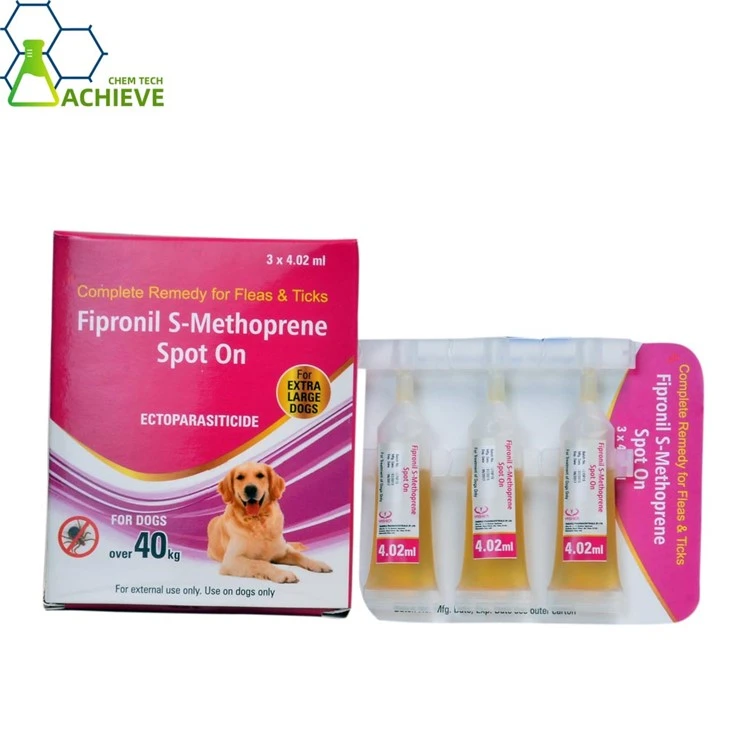
Fipronil Spot-On
1.General Specification(in stock)
(1)API(Pure powder)
PE/Al foil bag/ paper box for Pure powder
(2)Spot-On
cat:0.5ml
dog:0.67ml:2-10kg/1.34ml:10-20kg/2.68ml:20-40kg/4.02ml:40-60kg
(3)Solution
(4)Drops
2.Customization:
We will negotiate individually, OEM/ODM, No brand, for secience researching only.
Product Code:BM-9-018
Fipronil CAS 120068-37-3
Analysis: HPLC, LC-MS, HNMR
Technology support: R&D Dept.-3
How Does Fipronil Spot-On Reach Fleas on a Cat's Skin?
The Role of the Application Site
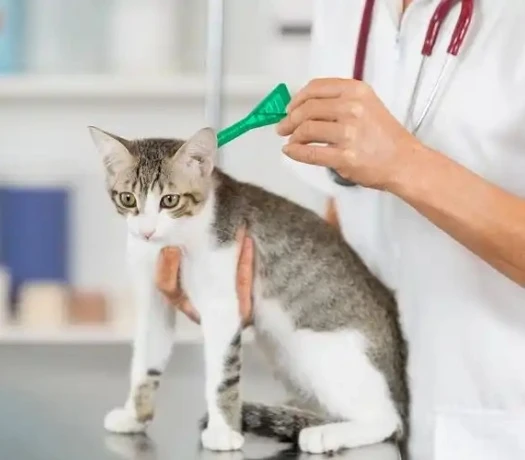
The fipronil liquid doesn't just sit there when you put it on the skin at the base of your cat's neck. It starts moving through a network of skin vessels almost right away. It was planned that the neck would be the best place for the formula to work because it's out of your cat's reach and safe.
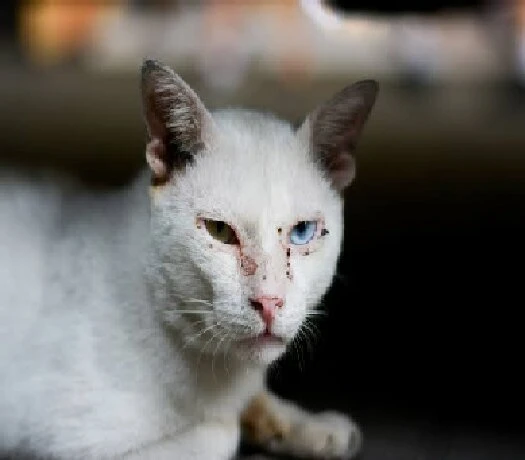
The skin around a cat's neck is only about 0.3 to 0.5 mm thick, which is very thin compared to dog skin. The active compound can start moving through the epidermal layers with little trouble because the skin is so thin.
From Skin Surface to Whole-Body Coverage
The amazing thing about this product is that it can cover the whole body from a single small application point. It binds strongly to fats and oils because fipronil is a very lipophilic compound. It spreads horizontally through the lipid matrix between skin cells once it gets into the top layers of skin. Within 24 to 48 hours, it reaches the sides, belly, and tail area.
Researchers have found that fleas on cats that have been treated drop by more than 98% within 24 hours of the first treatment. This high kill rate shows how well the compound moves across cat skin and forms a protective barrier over the whole body surface.
Fipronil Spot-On Distribution Through Skin Lipids and Sebaceous Glands
Sebaceous Glands as a Delivery Network
Cat skin has a dense network of sebaceous glands. There are about 50 to 80 hair follicles per square centimeter, and each one is paired with a sebum-secreting gland. Cat saliva has a lot of squalene, which is a lipid substance that sticks to fipronil molecules very well. Because of this molecular similarity, sebaceous glands naturally store and move substances.
When fipronil spot-on gets into the sebum layer, it binds to the lipids there and moves along the hair shaft to the skin's surface. This steady flow outward forms a sustained-release process, which means that even weeks after the first application, new concentrations of the active ingredient keep hitting the surface.
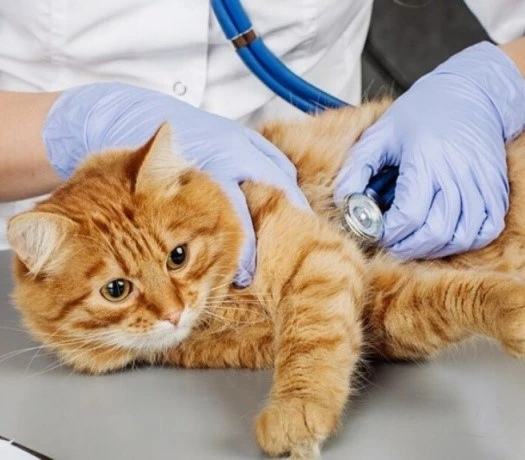
Studies have shown that 30 days after being applied, the drug concentration on the skin of a cat treated with it can stay around 60% of its original amount. This number shows that the drug can still be distributed in this way.
Hair Follicle Density and Uniform Coverage
Because cats have a lot of follicles, drugs are distributed more evenly than in species with fewer follicular networks. More hair cells work as separate release points for the compound, which makes it spread more evenly across the coat and skin. This is one reason why a set 0.5 mL dose works for all cat body weights: the follicular design makes sure that the compound gets the right concentrations all over the body, no matter what size it is.
A standard 0.5 mL application of drug can reach about 0.12 mg/cm² on the skin of a cat's neck, but only 0.08 mg/cm² on the skin of a dog's back. Because cats produce more sebum and have a higher concentration advantage, the effective protection window is extended to about 8 weeks in cats.
How Does Fipronil Spot-On Block GABA-Gated Chloride Channels?
The Mechanism at the Neuronal Level
Fipronil is an insecticide in the phenylpyrazole group. The GABA-gated chloride channel is its main molecular target. This is a protein structure that is found in the nerve cell membranes of insects and spiders. When everything is normal, the neurotransmitter gamma-aminobutyric acid (GABA) opens this channel. This lets chloride ions into the nerve cell and stops the electrical activity. Insects with a healthy nervous system keep signaling in check in this way.
There is a strong bond between fipronil and a certain spot in this chloride channel, which keeps it closed. Since the channel is closed, chloride ions can't get into the neuron, and GABA can't send its usual signal to stop activity.
Because of this, nerves fire without control.
Selectivity Between Insects and Mammals
Fipronil binds much more strongly to insect GABA receptors than to mammalian GABA receptors, which is very important for cat owners to know. Fipronil binds much less effectively to a receptor subtype that is structurally different in mammals. This selective binding at the receptor level is the main reason why the compound kills parasites at levels that are safe for cats and dogs when used according to the label.
What Happens to Flea Nerve Signaling After Fipronil Spot-On Exposure?
Hyperexcitation and Paralysis
When fipronil spot-on stops the chloride channels in a flea's neurons, the nerve cells become extremely excited and can't be managed. Electrical signals that would normally be weakened start firing again without stopping. The flea's muscles are constantly being stimulated, which causes it to move quickly and uncontrollably. This is what pet owners sometimes see when a flea is dying on treated fur.
The bug quickly runs out of energy because of this overexcitement. Within hours of coming into contact with the person, the flea goes from having violent seizures to being paralyzed and dying. From touch to death, the whole process can happen in a few hours, though this depends on the parasite's size and species.
Why Contact Killing Matters
One benefit of this nerve process that is often forgotten is that fleas don't have to bite the cat for it to work. It only takes touching the treated coat surface to deliver a fatal dose. This great ability to kill fleas on contact is especially useful because it means they are killed before they can feed, lay eggs, or spread disease. Studies have shown that fipronil spot-on breaks the flea life cycle by killing adults and stopping the reproduction cycle that keeps infestations going.
From Topical Application to Contact Killing: The Fipronil Spot-On Pathway
A Connected Chain of Events
Biological and chemical processes work together to make the process from treatment to defense. The chemical goes into the skin's lipid layer, moves through sebaceous pathways, saturates the follicular network, and keeps coming back to the surface through sebum production. Any flea that lands on the coat comes into contact with the active compound on the surface, absorbs it through the cuticle, and quickly loses consciousness.
This route is beautifully effective. The skin's own physiology does the job of delivery. One application can cover the whole body for up to a month without the need for sprays, shampoos, or treatments for the surroundings.
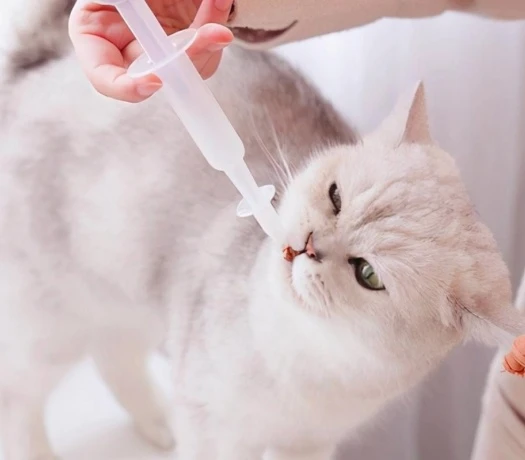
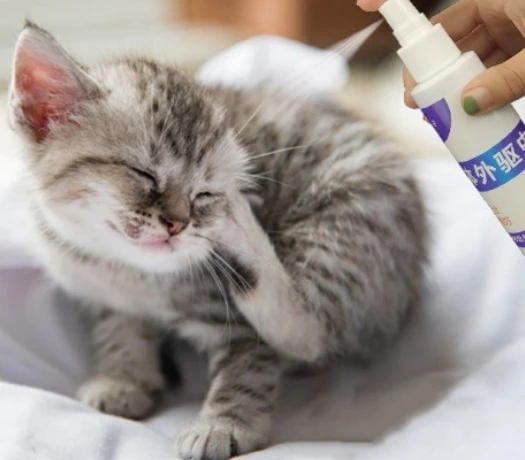
Why Cat Skin Physiology Amplifies Efficacy
Every part of this process is sped up by a cat's body. Thin skin makes it easier for substances to get through, thick hair shafts increase the number of distribution points, and squalene-rich sebum makes a carrier medium that is highly compatible. Because of all of these things, a cat's whole hair becomes a parasite-proof zone within 48 hours and stays that way for weeks. Because of this, fipronil spot-on has about 35% of the global market for deworming pets and is still the first choice for vets and pet owners all over the world.
Conclusion
Skin biology and molecular chemistry work together to make fipronil spot-on effective. Thin cat skin lets the compound get into the coat quickly, and thick oil glands spread it all over. When a flea touches treated fur, blocked chloride channels cause fatal hyperexcitation. Knowing how this works helps you understand why it's so important to use the right method (dry skin, right place, right dose). The beauty of the product lies in the fact that it is delivered on the cat's skin.
Frequently Asked Questions
1. How long does fipronil spot-on take to work on cats?
+
-
Most formulas start killing fleas within a few hours of being used. Studies show that flea populations drop by more than 98% in just 24 hours. It usually takes 48 hours for the full body distribution across the coat to be finished.
Partner With Bloomtechz for Premium Fipronil Spot-On Supply
Bloomtechz is a reliable source of fipronil that has been making fine chemicals and pharmaceutical intermediates for over 16 years. Our 100,000-square-meter GMP-certified production plant has certifications from the US FDA, the EU, Japan, and the CFDA. Our quality control system has three separate verification links to make sure the stability of the products we sell. Our R&D team and production infrastructure are ready to meet your needs, whether you need API-grade fipronil spot-on powder, ready-to-use spot-on formulations in cat or dog sizes, or fully customized OEM/ODM solutions under your own brand. We have 24 customers from 24 different countries in the pharmaceutical and specialty chemicals businesses. Our prices are clear, and our profit margins are always the same. Get in touch with us right away to find out why manufacturers and distributors around the world trust Bloomtechz.
Send us a message at Sales@bloomtechz.com.
References
1. Hainzl, D., & Casida, J. E. (1996). Fipronil insecticide: Novel photochemical desulfinyl metabolite and GABA receptor interaction. Chemical Research in Toxicology, 9(8), 1399–1405.
2. Gunning, R. V., Moores, G. D., & Devonshire, A. L. (1998). Inhibition of nerve cell GABA-gated chloride channels by fipronil in resistant and susceptible insects. Pesticide Biochemistry and Physiology, 62(2), 71–78.
3. Cochet, P., Birckel, P., Bromet-Petit, M., Bromet, N., & Weil, A. (1997). Skin distribution of fipronil by microautoradiography following topical administration to the beagle dog. European Journal of Drug Metabolism and Pharmacokinetics, 22(3), 211–216.
4. Postal, J. M., Longo, F., & Franc, M. (2012). Comparative efficacy of fipronil and other ectoparasiticides as topical applications in cats: A review of clinical evidence. Veterinary Parasitology, 190(1–2), 56–62.
5. Plumb, D. C. (2018). Plumb's Veterinary Drug Handbook (9th ed.). Wiley-Blackwell.
6. European Medicines Agency (EMA). (2021). Frontline Combo - Summary of Product Characteristics. Committee for Medicinal Products for Veterinary Use (CVMP), Amsterdam.