


Parasitic infestations remain one of the most persistent challenges in veterinary medicine. Pet owners and animal health professionals continuously seek effective, long-lasting solutions to protect companion animals from fleas, ticks, and mites. Among the innovative chemical compounds developed in recent years, fluralaner has emerged as a breakthrough ingredient that offers extended protection through a single administration. This veterinary pharmaceutical belongs to a distinctive chemical family known as isoxazolines, which has revolutionized the approach to external parasite management.
Understanding the classification of fluralaner provides valuable insights into its mechanism of action, safety profile, and practical applications. This article explores the chemical foundations of fluralaner, examines its classification within the isoxazoline family, and explains why this categorization matters for veterinary practitioners, pharmaceutical researchers, and chemical suppliers working in animal health.
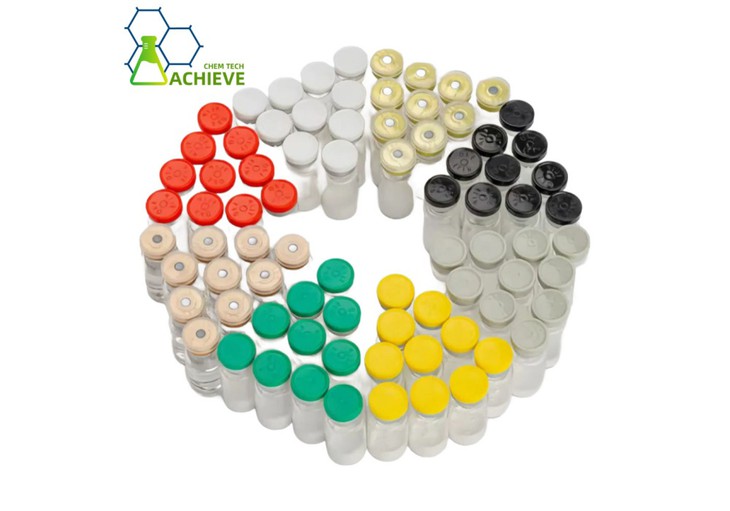
Fluralaner Tablet
1.General Specification(in stock)
(1)Solution
(2)Tablet
(3)Injection
(4)Spray
(5)Drops
2.Customization:
We will negotiate individually, OEM/ODM, No brand, for secience researching only.
Internal Code:BM-2-079
Fluralaner CAS 864731-61-3
Main market: USA, Australia, Brazil, Japan, Germany, Indonesia, UK, New Zealand , Canada etc.
Manufacturer: BLOOM TECH Xi'an Factory
Analysis: HPLC, LC-MS, HNMR
Technology support: R&D Dept.-4
We provide Fluralaner Tablet, please refer to the following website for detailed specifications and product information.
Product:https://www.bloomtechz.com/oem-odm/tablet/fluralaner-tablet.html

What Is Fluralaner and How Does It Belong to the Isoxazoline Insecticide Class?
The Chemical Foundation of Fluralaner
It is a man-made chemical called fluralaner that is designed to kill ectoparasites that live on pets. As a part of the isoxazoline chemical class, the molecule has a unique five-membered heterocyclic ring with nitrogen and oxygen atoms lined up next to each other. This structure of the building blocks makes it possible for it to work biologically against arthropod bugs.
The discovery of fluralaner was a big step forward in the study of parasites in animals. When compared to older pesticides that needed to be reapplied often, this substance has excellent pharmacokinetic qualities. After being given by mouth, it spreads throughout the animal's body and stays at therapeutic levels for a long time, usually protecting it for up to twelve weeks from a single dose.
Defining the Isoxazoline Chemical Family
The isoxazoline class includes a number of chemical molecules that are structurally similar. In the 2010s, this group of chemicals became popular in veterinary medicine after scientists found that changing the isoxazoline core could make molecules with amazing bug and acaricidal qualities. Because of the way the electrons are spread out and arranged in the ring system, these chemicals can only communicate with certain biological targets in arthropods.
Isoxazolines are different from other types of insecticides because of how selective they are. These molecules have a strong attraction to parts of the nervous systems of invertebrates but not as much for parts of the nervous systems of mammals. This selectivity means that there is a good safety cushion when the medicine is made correctly and given according to veterinarian standards.
How Fluralaner Fits Within This Classification
The drug fluralaner is a good example of an isoxazoline because of how it works and how it is structured. The molecule has the unique five-membered ring structure with the nitrogen-oxygen arrangement that makes isoxazolines unique. Adding more substituents to this core ring system makes it more powerful and improves its chemical and action-lasting qualities.
Chemical classification methods put compounds into groups based on how similar their structures are, since these patterns often lead to similar biological responses. By knowing that fluralaner is an isoxazoline, veterinary workers can guess how it works, what drugs might mix with it, and any safety concerns that come up because they know a lot about this chemical family. Researchers, regulatory agencies, and healthcare providers who work with these compounds can talk to each other more easily using this classification framework.
Fluralaner Classification and Its Role in Modern Veterinary Parasite Control
Mechanism of Action Linked to Classification
Fluralaner's antiparasitic effect depends on its isoxazoline categorisation. In arthropod nervous systems, these chemicals inhibit ligand-gated chloride channels. They target GABA- and glutamate-gated chloride channels, which are essential for insects' and spiders' brains.
Parasites that feed on treated animals devour bloodstream fluralaner. The chemical then binds to chloride channels, stimulating neurones uncontrollably. This paralyses and destroys the parasite. This approach effectively kills fleas and ticks.
Isoxazolines function better on invertebrate channels than vertebrate channels because their architectures vary. Different chloride channel subtypes and binding site combinations occur in mammals. This reduces the likelihood that the chemical may influence the animal's nervous system therapeutically.
Regulatory and Safety Considerations
When it comes to regulations, classification is very important. The groups that decide which compounds are safe for animals to use look at them based on the chemical class they belong to and any safety information that comes with it. A lot of toxicological testing has been done on the isoxazoline group, and this information is used to test new members like fluralaner.
During the development of fluralaner, safety studies looked at factors that affect the health of mammals, such as neurological, cardiovascular, and reproductive toxicity. Following proof of acceptable safety margins when given according to label directions, the chemical was approved for use in animals in a number of places. Knowing how it is classified helps vets figure out which animals might need extra care, like those that are known to be sensitive to this class of chemicals.
Practical Applications in Animal Health
Veterinary formulations that contain fluralaner are widely used in practices that take care of pets. The compound's long-lasting effect solves a big problem in real life: making sure that parasite protection stays consistent during the season when external parasites are most active. One oral dose can be used instead of several monthly doses, which might make people more likely to follow parasite protection plans.
The fact that fluralaner is an isoxazoline also helps us understand where it fits in with combined parasite control plans. Veterinarians can use this systemic approach along with managing the environment, grooming habits, and other preventative measures to make complete protection plans for each animal and its living conditions.
How Does the Isoxazoline Structure Influence Fluralaner Parasite Activity?
Structural Elements and Biological Activity
The premise that chemical structure impacts biological function is crucial to pharmacological research. Some aspects of fluralaner's structure affect its parasite-killing power. The key biologically active pharmacophore is the isoxazoline ring. Other chemical groups around this core vary potency, selectivity, and length.
Structure-activity relationship studies have demonstrated that modifying the isoxazoline ring's sections affects insect killing. The parts of fluralaner were carefully selected based on how well they would work against specific parasites while being well absorbed, distributed, broken down, and flushed out by pets.
Fluralaner's three-dimensional shape makes it simple to attach to arthropod chloride channels. Chemical recognition requires similar surfaces on the molecule and target protein, like a key in a lock. The isoxazoline framework provides firm support, placing other chemical groups for optimal interaction.
Pharmacokinetic Properties Derived from Structure
Fluralaner kills parasites immediately, but its structure affects how it works inside the animal. The lipophilic chemical sticks to fatty tissues. This prolongs its systemic stay. Fluralaner enters adipose tissue after oral administration, where it builds a reservoir that releases the drug into the bloodstream over weeks.
Fluralaner has a longer release rate than many older pesticides that break down faster. Lipophilic structure portions must be balanced. Too much lipophilicity may create buildup, while too little can speed clearance and shorten protection. The isoxazoline structure achieves this equilibrium with particular substituents.
Another important consideration is metabolic stability. Fluralaner maintains its structure and operates for a long time because enzymes cannot break down its chemical connections. Safety comes from the isoxazoline ring structure and deliberately positioning chemical groups to prevent metabolic assault on vulnerable places.
Selectivity Mechanisms at the Molecular Level
Comparative pharmacology studies have been used to look into the structural basis for fluralaner's selectivity between arthropod and human systems. Invertebrates and mammals have different amino acid sequences at the chloride channel binding sites. This makes the molecular surroundings different. The isoxazoline structure of fluralaner takes advantage of these differences by binding strongly to the insect channel configuration but not as strongly to the mammalian channel configurations.
Because of this selectivity, fluralaner can be used safely on pets outside of the therapeutic window. The substance doesn't have much of an effect on the nervous system of the host animal, even at levels that are deadly to parasites. We are still learning more about the chemical interactions that cause this different binding through structural studies. This information could help us make even more selective compounds in the future.
Comparing Fluralaner Characteristics with Other External Parasite Control Ingredients
Traditional Insecticide Classes and Their Limitations
Veterinary medicine used a few older types of insecticides to get rid of external parasites before isoxazolines came along. Organophosphates, carbamates, pyrethroids, and spinosyns all worked in different ways and could be used in different ways. Even though these earlier classes worked well in many situations, they had some problems that made people look for better options.
When exposed to levels above what is considered safe, organophosphates and carbamates, which block acetylcholinesterase enzymes, caused safety concerns because they could affect the nervous systems of mammals. Pyrethroids are man-made copies of natural pesticides that can be found in chrysanthemum flowers. They worked very well at killing insects right away, but only for a short time, and some parasite populations became resistant to them. Spinosyns, which come from bacteria in the earth, were safe, but they had to be applied again and again.
Distinctive Advantages of the Isoxazoline Approach
Fluralaner and other isoxazolines improve previous options. The new pesticide class targets chloride channels, which may kill parasites that are resistant to them. Isoxazolines and other chemical families seem to share little cross-resistance. These compounds are beneficial for managing parasite populations that standard products can't destroy.
Fluralaner is absorbed differently than applied topically. By mouth, the active ingredient enters the circulation and affects parasites while they feed, rather than spreading throughout the animal's coat. With this procedure, the substance won't wash off, distribute unevenly, or be wet by youngsters or dogs before drying.
The duration of an impact may be the most visible variation. Fluralaner formulations allow three months between parasite prevention treatments in locations where monthly treatments are common. This prolonged protection reduces the number of times it must be administered each year, making individuals more likely to follow preventative guidelines and pet parasite management simpler.
Consideration of Application Context
Some parasite control compounds function better than others for reasons other than chemical categorisation. Topicals may be better than oral medications when swallowing is difficult. When whole-body protection is required, systemic drugs like fluralaner function best. Some animals are sensitive to particular chemical groups, requiring careful choices.
Fluralaner and other isoxazolines kill a variety of external parasites, including fleas, ticks, and mites. One solution stops several dangers, making broad-spectrum intervention easy. More veterinarians are understanding the value of treatments that manage the most frequent parasites in their region and patients.
Products are selected based on cost, ease of use, safety, and legal status. Isoxazolines allowed doctors greater options to make better recommendations depending on animal requirements and owner preferences.
Understanding the Application Value of Fluralaner as an Isoxazoline-Based Solution
Clinical Evidence Supporting Efficacy
Fluralaner works effectively in real life, according to several clinical trials. This strategy has been tested in various tick species and environmental settings across the globe and reliably results in flea and tick control. These studies validate regulatory approvals and veterinarian advice.
Time of action and protection are frequently examined in controlled effectiveness trials. Fluralaner's antiparasitic effects appear within hours after administration. This rapid action eliminates present ailments and prevents future ones. The longer duration maintains safety without additional treatments for the set time.
Field effectiveness studies, which evaluate a product in real life, support the claims. Different parasite pressure, animal management, and environmental factors are considered in these studies. Field studies usually support controlled trials, proving fluralaner helps individuals in daily situations.
Integration into Comprehensive Parasite Management
Combinations are more significant in current veterinary parasitology than single interventions. Fluralaner is essential to these holistic parasite control strategies. Veterinary professionals commonly recommend isoxazoline-based medications and excellent environmental management, such as cleaning the premises and gardening, to reduce parasite life stages surrounding the animal.
Parasite control also requires education. Pet owners should understand parasite life cycles, exposure risk factors, and preventative procedures. Customers typically grasp why it's better to prevent issues than cure them when veterinarians explain how fluralaner fits within the isoxazoline class.
Area considerations impact fluralaner usage in protection strategies. In areas with year-round parasites, protection may be ideal. In areas with varying annual patterns, parasite prevention may concentrate on peak periods. Isoxazoline medications like fluralaner endure a long period, so you may administer them as needed to work during high-risk times.
Chemical Sourcing and Quality Considerations
Access to high-quality fluralaner as a raw material is important for companies that make medicines, do research, and come up with new products. To make isoxazoline molecules, you need to know a lot about organic chemistry and have the right equipment for making things. Pharmaceutical uses that need high levels of purity require strict quality control throughout the whole production process.
Chemical providers to the veterinary pharmaceutical business must show that they can consistently make chemicals and do a wide range of analytical tasks. The usefulness of fluralaner material for formulation into finished veterinary goods is affected by impurity profiles, crystalline form characterisation, and stability under different storage conditions. Regulations require that industrial methods and quality characteristics be carefully written down.
When it comes to fluralaner sourcing, established chemical sources with knowledge in pharmaceutical intermediates and active ingredients are very helpful. Their quality systems, analytical testing tools, and knowledge of regulations help make sure that the material they sell meets the high standards needed for veterinary pharmaceutical uses. Building relationships with dependable suppliers helps keep product quality high throughout the whole process of developing and making it.
Conclusion
The fact that fluralaner is an isoxazoline pesticide helps us understand how it works, how safe it is, and how it can be used to get rid of parasites in animals. Veterinary workers now have more choices thanks to this group of chemicals. They offer longer-lasting protection through a unique mode of action that fixes problems with older insecticide generations.
Fluralaner's biological activity, selectivity, and pharmacokinetic traits are all influenced by the molecular characteristics of the isoxazoline family. By targeting specific chloride channels in arthropod nervous systems and not interacting much with mammalian systems, fluralaner effectively gets rid of parasites while still being safe enough to use as directed by a veterinarian.
As we learn more about the chemistry and pharmacology of isoxazolines, these new findings help with both clinical use and ongoing research into better ways to get rid of parasites. The classification system helps organise information, makes it easier for professionals to talk to each other, and guides the creation of better compounds that build on what innovations like fluralaner have already done.
FAQ
1. What makes fluralaner different from older flea and tick prevention products?
+
-
The chemical class that fluralaner is in is isoxazolines. These chemicals work in a different way than older pesticide groups. It targets specific chloride channels in parasite nerve systems and protects for up to twelve weeks from a single daily dose, which means it doesn't have to be taken as often as monthly products.
2. How does the isoxazoline structure contribute to fluralaner's safety in companion animals?
+
-
The chemical structure of isoxazoline is very good at choosing insect chloride channels over mammalian channels. This selectivity comes from the fact that arthropods and mammals have different channel protein structures. This means that fluralaner can only affect parasites and not the animal's nervous system when used at the suggested amounts.
3. Can fluralaner be used in combination with other parasite control methods?
+
-
Fluralaner works well with integrated approaches to parasite control. When it makes sense, veterinarians often suggest using systemic isoxazoline-based protection along with good environmental control, regular cleaning, and premise treatments. A medical professional can help you figure out the best mix of tactics for each animal and the risks they pose for getting parasites.
Partner with BLOOM TECH as Your Trusted Fluralaner Supplier
Working with a fluralaner supplier with a lot of knowledge is becoming more and more important as the need for high-quality isoxazoline-based compounds in developing medicines for animals keeps growing. Bloom Tech has more than twelve years of experience in organic synthesis and pharmaceutical intermediates. They can help you with your research and production needs. Our 100,000-square-meter production sites are GMP-certified and meet world quality standards, such as those set by the US FDA, the EU, and the PMDA. Twenty-four of the world's largest pharmaceutical and speciality chemical businesses trust us to provide them with high-quality products that are backed by three levels of analytical proof. Our technical team can help you with everything from optimising the synthesis process to providing regulatory paperwork, whether you need small amounts for study or large amounts for mass production. Get in touch with our Sales@bloomtechz.com team to talk about how BLOOM TECH can help you with your fluralaner buying needs by offering reasonable prices, dependable supply chains, and the quality guarantee your projects require.
References
1. Gassel M, Wolf C, Noack S, Williams H, Ilg T. The novel isoxazoline ectoparasiticide fluralaner: selective inhibition of arthropod gamma-aminobutyric acid- and L-glutamate-gated chloride channels and insecticidal/acaricidal activity. Insect Biochemistry and Molecular Biology. 2014;45:111-124.
2. Ozoe Y, Asahi M, Ozoe F, Nakahira K, Mita T. The antiparasitic isoxazoline A1443 is a potent blocker of insect ligand-gated chloride channels. Biochemical and Biophysical Research Communications. 2010;391(1):744-749.
3. Hampel V, Knaus W, Schaffartzik A, Beugnet F, Naucke TJ. Treatment of canine sarcoptic mange with fluralaner: a case study involving 16 dogs. Parasitology Research. 2018;117(2):579-584.
4. Walther FM, Allan MJ, Roepke RKA, Nuernberger MC. Safety of fluralaner chewable tablets, a novel systemic antiparasitic drug, in MDR1-deficient Collies after oral administration. Parasites and Vectors. 2014;7:525.
5. Rohdich N, Roepke RKA, Zschiesche E. A randomized, blinded, controlled and multi-centered field study comparing the efficacy and safety of fluralaner plus moxidectin with imidacloprid plus moxidectin in dogs naturally infested with ticks and fleas in Europe. Parasites and Vectors. 2014;7:356.
6. Shoop WL, Hartline EJ, Gould BR, Waddell ME, McTier TL, Gonzalez MB, Merideth RE, Bruce CI, Poorly PB, Martin RA, Hutchens DE, Onodera S. Discovery and mode of action of afoxolaner, a new isoxazoline parasiticide for dogs. Veterinary Parasitology. 2014;201(3-4):179-189.