


When you apply a spot-on treatment to your pet, you probably notice results within hours - fleas slow down, then stop moving altogether. But what actually happens between the moment that liquid touches skin and the moment a flea loses control of its body? The journey of compound fipronil drops from application site to flea nerve is a precise, step-by-step process rooted in solid biochemistry. Understanding it helps you appreciate why this active ingredient has remained a cornerstone of veterinary parasitology for decades.
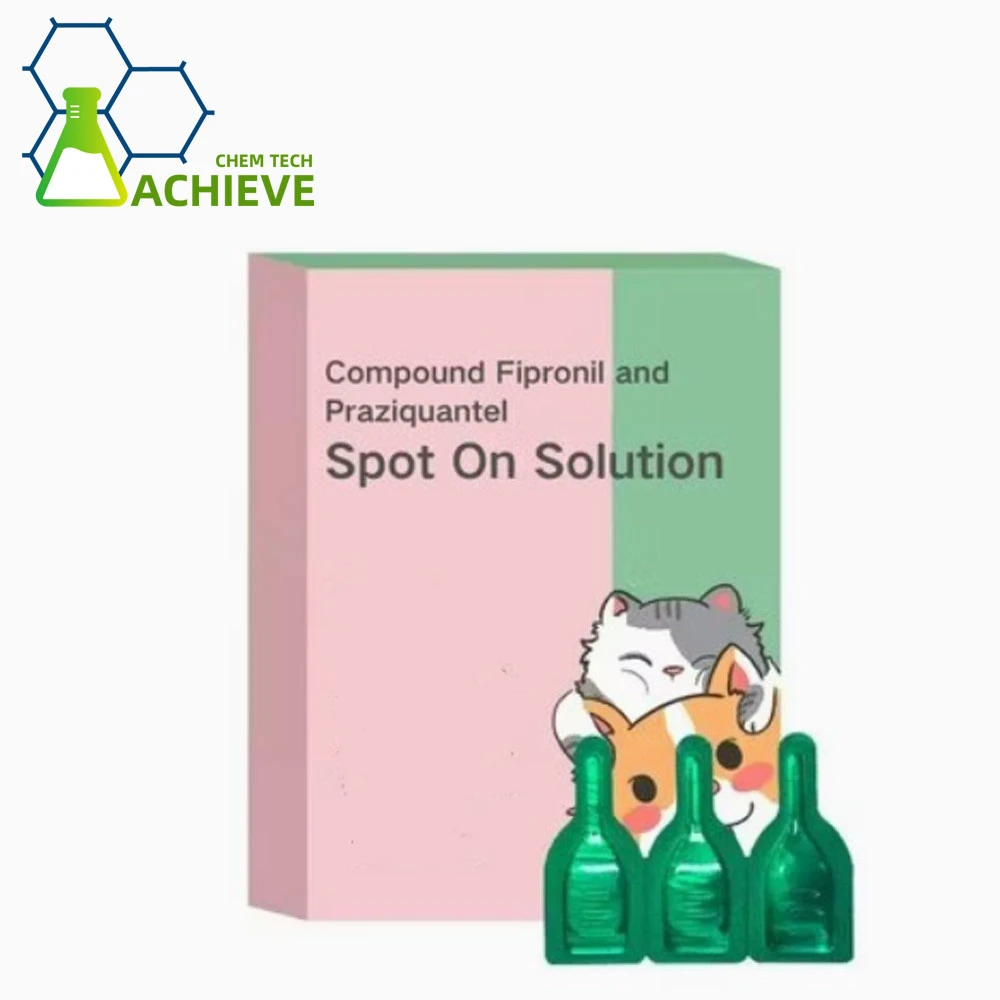
Compound Fipronil And Praziquantel Spot On Solution
1.General Specification(in stock)
(1)Solution
2.Customization:
We will negotiate individually, OEM/ODM, No brand, for secience researching only.
Internal Code: BM-9-022
Compound Fipronil and Praziquantel Spot On Solution
Main market: USA, Australia, Brazil, Japan, Germany, Indonesia, UK, New Zealand , Canada etc.
Manufacturer: BLOOM TECH Xi'an Factory
Analysis: HPLC, LC-MS, HNMR
Technology support: R&D Dept.-4
How Do Compound Fipronil Drops Spread From the Application Site?
The Role of the Sebaceous Gland Network
Compound fipronil drops don't just stay on the skin's surface after being put on. Fipronil is the main ingredient that works. It moves through the sebaceous gland network, which is the same system that spreads natural oils across the skin and coat. According to research released in the veterinary pharmacology literature, fipronil spreads across the whole body surface of a host animal within 24 hours of being applied topically. It does this through a lipid-rich route instead of being absorbed into the bloodstream systemically.
This is a very important difference.
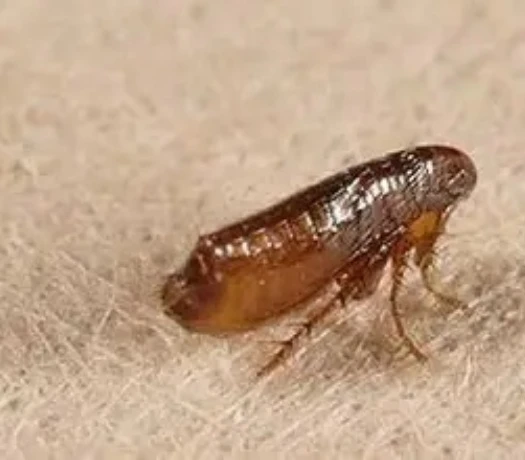
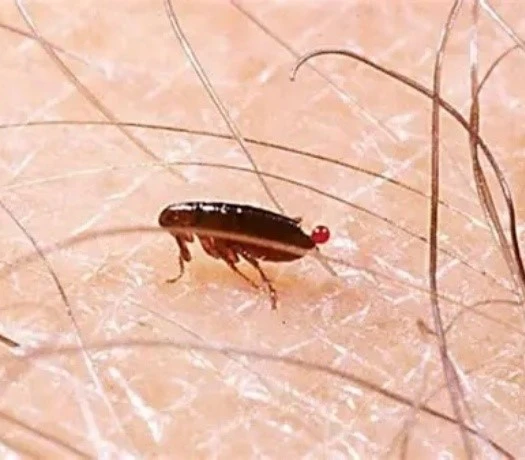
The chemical goes through the outer lipid layer of the skin instead of the bloodstream. This means that it builds up exactly where fleas and ticks touch the skin, on the surface and in the hair follicles.
Retention in Sebum and Hair Follicles
Fipronil links to sebum and builds up in the hair shafts once it gets into the sebaceous network. This storage effect is what makes compound fipronil drops work for longer periods of time, usually four weeks or more to get rid of fleas. Sebum is like a slow-release binder that keeps putting the active ingredient back on the coat's surface even after washing or being out in the sun.Because fipronil is lipophilic, which means it strongly binds to fat-soluble environments, this binding is very strong and stays stable under normal conditions.
Compound Fipronil Drops and Fipronil Movement Through the Skin Surface
Translocation Across the Lipid Barrier
The stratum corneum is the top layer of skin on mammals. It is mostly made up of lipid bilayers. Because fipronil is very lipophilic (log P value of about 4.0), it can easily disperse into this environment and move across the skin's surface. Studies that look at how residues are spread out after spot-on treatment show that within 24 to 48 hours, fipronil amounts can be found in places other than where it was applied. This lateral transfer makes sure that the substance covers the whole body without having to go into the systemic circulation.
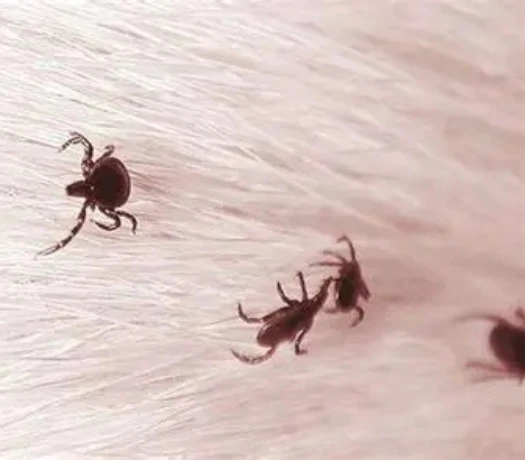
Why Topical Distribution Matters for Efficacy
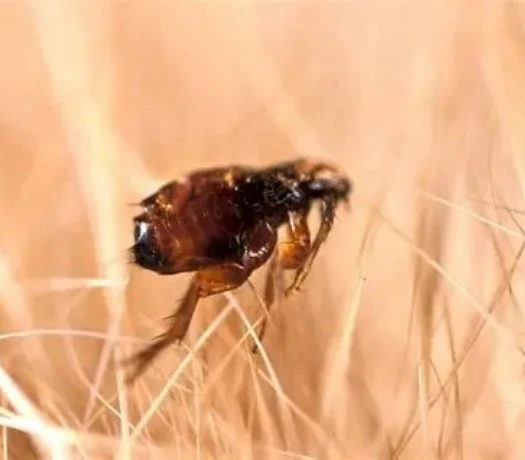
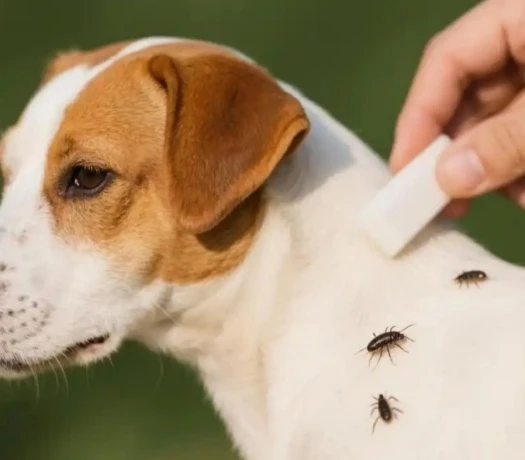
As long as compound fipronil drops are on the outside, they can stop parasites right where they touch the host. When a flea jumps on a treated animal, it comes into contact with fipronil before it can attach and feed. Surface-active compounds are different from systemic alternatives because they have this contact-kill mechanism. The practical result is a quick death-fleas exposed to fipronil usually show signs of neuromuscular disruption within minutes of contact, and die before they can finish feeding on blood.
How Does Fipronil From Compound Fipronil Drops Reach Flea Receptors?
Absorption Through the Flea Cuticle
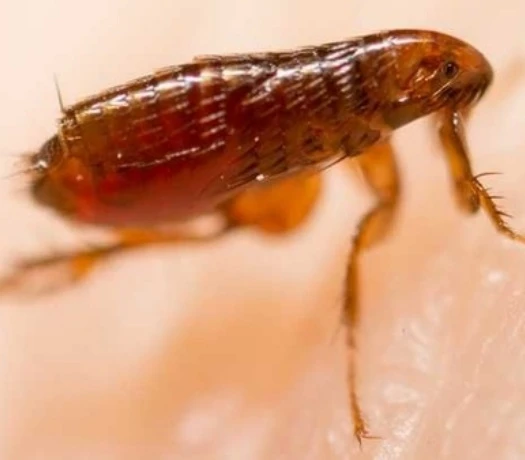
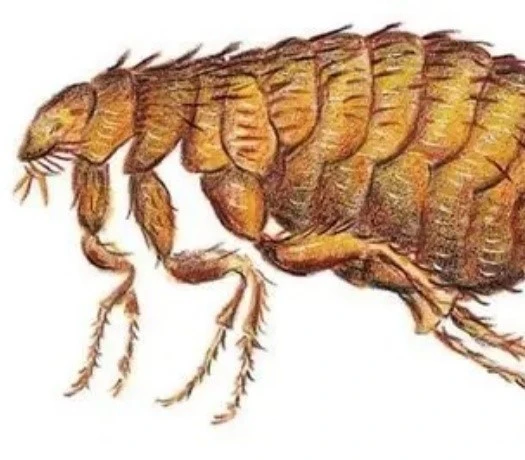
Fleas can take fipronil through their skin, which is called the cuticle, when they walk on fur that contains it. The cuticles of insects have waxy lipid layers that are structurally similar to those in mammalian skin. Fipronil can quickly penetrate because it is lipophilic. Once fipronil gets into the flea's body, it goes into the hemolymph (the fluid that moves through insects) and then to brain tissue. This process of absorption works well enough to send lethal amounts to the nervous system after only a short contact with the surface.
Selective Affinity for Insect Neural Tissue
One thing that makes fipronil unique is that it is selective. It is much easier for fipronil to bind to GABA-gated chloride channels in insects than it is to bind to the same receptors in mammals. This selectivity comes from the fact that the structural makeup of the receptor subunits in arthropods and vertebrates is different. In real life, this means that compound fipronil drops pretty much only hurt the parasite they are meant to kill, leaving the host animal safe as long as they are used as advised.
Compound Fipronil Drops and GABA-Gated Chloride Channel Blockade
The Mechanism of Chloride Channel Inhibition
Gamma-aminobutyric acid (GABA) is the main chemical that slows down nerve signals in both vertebrates and insects. In insects, GABA connects to ligand-gated chloride channels on neuron membranes. This lets chloride ions flow in and stop neurons from firing. Fipronil blocks the flow of ions by occupying the chloride channel hole at the picrotoxin binding site. Since chloride flow is stopped, the inhibiting signal can't get through, and brain activity is no longer controlled.
Consequences of Uncontrolled Neural Excitation
Motor neurons fire without being stopped once GABA-mediated regulation is lost.
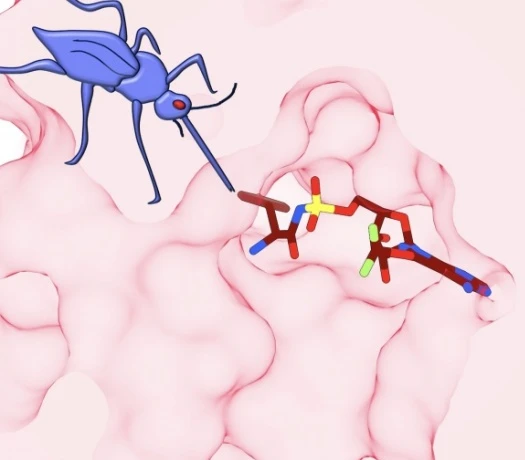
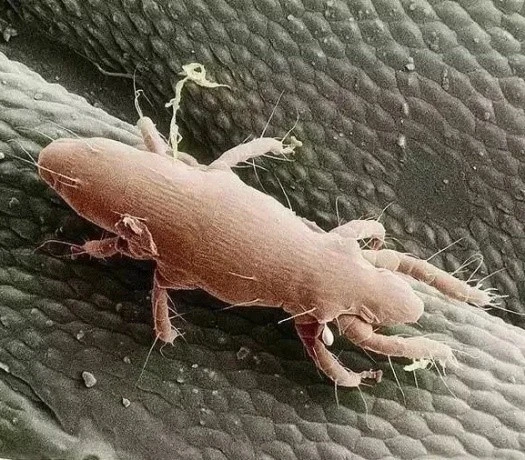
This state of being very excited quickly spreads through the flea's nervous system. Observations of behavior are directly linked to this neurochemistry: fleas that are exposed show hyperactivity, shaky movements, and muscle tremors before they become paralyzed. Because fipronil binding is irreversible at lethal amounts, the flea can't get better once enough of the chemical gets to its brain tissue. Compound fipronil drops use this process to work the same way every time on fleas of any stage of development that come into direct contact with the treated host.
How Does Compound Fipronil Drops Exposure Ultimately Disrupt Flea Motor Function?
From Neurochemical Blockade to Physical Collapse
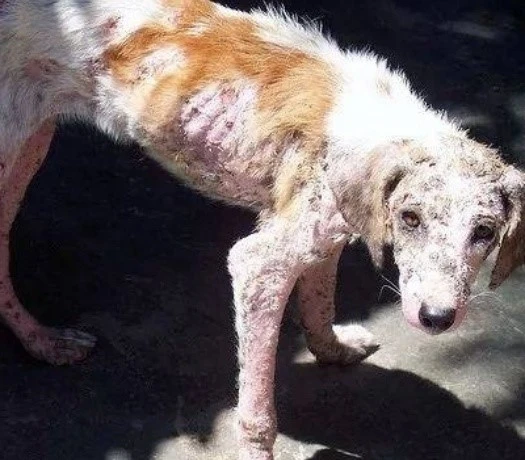
There is a clear neurophysiological order to how things go from GABA channel blockage to total motor failure. When motor neurons stay depolarized for a long time, muscles contract continuously and without coordination. The flea's movement system, which is meant to help it jump and grab with precision, stops working at all. The parasite's limbs start to contract randomly, its body position falls apart, and it loses the ability to move or stick to its host's fur. This physical breakdown can be seen just minutes after contact and is the last step in the neurochemical chain reaction that compound fipronil drops start.
Systemic Shutdown and Mortality
As motor failure gets worse, the flea's metabolic systems are also harmed by brain hyperactivation that lasts for a long time. When muscles are constantly contracted, their energy stores run out very quickly. Along with loss of locomotion, respiratory function also decreases, which is partly controlled by brain signals. When energy levels drop, breathing stops working, and muscle breakdown continues for a long time; death happens. The whole process, from the cuticle being absorbed to death, can happen in 30 minutes if the treated coat surface is directly and heavily touched by fipronil leftovers.
Conclusion
Compound fipronil drops work in a well-defined biological pathway, which includes moving laterally through sebaceous channels, being absorbed through the flea cuticle, and selectively binding at insect GABA-gated chloride channels. This sets off a chain reaction of uncontrolled neural excitation that leads to motor failure and death. At each step of this process, the compound's carefully studied biological and physical qualities are shown. Understanding this mechanism helps suppliers and formulators in veterinary or agricultural chemistry make better choices about where to get ingredients, how to make medicines, and how to prove that they work.
Frequently Asked Questions
1. What makes compound fipronil drops work against fleas in particular?
+
-
For some reason, fipronil binds much more strongly to GABA-gated chloride channels in insects than to their human counterparts. This selectivity means that the compound affects the flea's nervous system at levels that are safe for the host animal. When used as directed, it is both effective and well-tolerated.
2. How long do compound fipronil drops work on an animal that has been treated?
+
-
Fipronil's strong attraction for sebum and hair follicles forms a reservoir that keeps surface amounts high. Under normal circumstances, flea control that works for three weeks usually lasts for four weeks, but this can change depending on how often the pet is bathed and what kind of coat it has.
3. Do the chemical fipronil drops get into the system of the animal?
+
-
Topically applied fipronil is mostly spread across the skin's surface by the network of oil glands, not by being absorbed by the body as a whole. The contact-kill effect against parasites before they finish a blood meal is made possible by this surface-active spreading process.
4. Do compound fipronil drops enter the animal's bloodstream?
+
-
The primary distribution pathway for topically applied fipronil is through the sebaceous gland network across the skin surface, not through systemic absorption. This surface-active distribution mechanism is what enables the contact-kill effect against parasites before they complete a blood meal.
Partner With Bloomtechz for Reliable Compound Fipronil Drops Supply
If you're looking for a reliable source of compound fipronil drops, Bloomtechz has a manufacturing and quality infrastructure made just for pharmaceutical and specialty chemical clients who need accuracy on a large scale. Bloomtechz has been in business since 2008 and has a GMP-certified production site that is 100,000 square meters and has certifications from the US FDA, the EU, Japan, and the CFDA. Our quality assurance protocol has three separate checks: factory-level, in-house QC, and review by a third-party authority. This way, we can be sure that every batch you receive meets the terms of your contract, or you get your money back in full. Bloomtechz has been doing organic synthesis for over 12 years and has 24 internationally recognized companies as clients in the pharmaceutical, new materials, and specialty chemical sectors. They offer clear pricing, accurate lead times, and traceable documentation to help you with your purchases, from lab-scale R&D to bulk manufacturing.
Contact the Bloomtechz team at Sales@bloomtechz.com to talk about your compound needs, get a quote, or find out more about our GMP paperwork package.
References
1. Cochet, P., Birckel, P., Bromet-Petit, M., Bromet, N., & Weil, A. (1997). Skin distribution of fipronil by microautoradiography following topical application to the beagle dog. European Journal of Drug Metabolism and Pharmacokinetics, 22(3), 211–216.
2. Tingle, C. C. D., Rother, J. A., Dewhurst, C. F., Lauer, S., & King, W. J. (2003). Fipronil: Environmental fate, ecotoxicology, and human health concerns. Reviews of Environmental Contamination and Toxicology, 176, 1–66.
3. Gant, D. B., Bhatt, A. D., Cole, L. M., Casida, J. E., & Bloomquist, J. R. (1998). Fipronil blocks Drosophila GABA-gated chloride channels by binding to an internal site in the channel pore. Pesticide Biochemistry and Physiology, 71(3), 144–153.
4. Hainzl, D., Cole, L. M., & Casida, J. E. (1998). Mechanisms for selective toxicity of fipronil insecticide and its sulfone metabolite and desulfinyl photoproduct. Chemical Research in Toxicology, 11(12), 1529–1535.
5. Colliot, F., Kukorowski, K. A., Hawkins, D. W., & Roberts, D. A. (1992). Fipronil: A new soil and foliar broad-spectrum insecticide. Brighton Crop Protection Conference - Pests and Diseases, 2, 29–34.
6. Gupta, R. C. (Ed.). (2012). Veterinary Toxicology: Basic and Clinical Principles (2nd ed.). Academic Press.