


One of the hardest things to treat in veterinary medicine is wet feline viral peritonitis. Knowing how the GS-441524 injection works on a physiological level helps both vets and cat owners track the progress of treatment and get the best results from it. This complete guide talks about the effects this antiviral drug has on patients during wet FIP treatment.
1.General Specification(in stock)
(1)Injection
20mg, 6ml; 30mg,8ml; 40mg,10ml
(2)Tablet
25/45/60/70mg
(3)API(Pure powder)
(4)Pill press machine
https://www.achievechem.com/pill-press
2.Customization:
We will negotiate individually, OEM/ODM, No brand, for secience researching only.
Internal Code: BM-3-001
GS-441524 CAS 1191237-69-0
Analysis: HPLC, LC-MS, HNMR
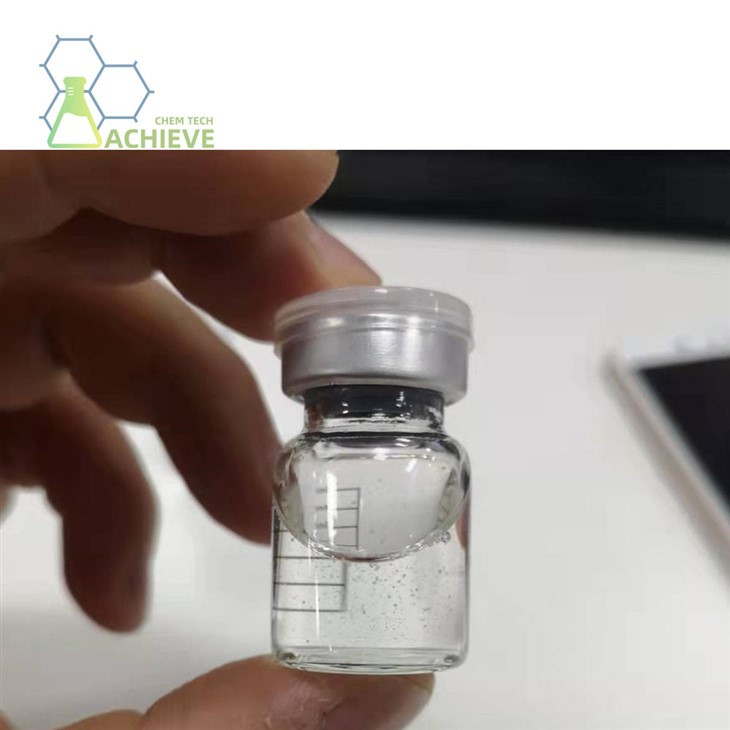
We provide GS-441524 injection, please refer to the following website for detailed specifications and product information.
Product: https://www.bloomtechz.com/oem-odm/injection/gs-441524-injection.html
In cats with the effusive form of FIP, fluid builds up in body spaces because of serious vasculitis and an immune system that isn't working properly. The GS-441524 injection works as a nucleoside analogue to stop the growth of viruses, which leads to a chain of observable changes in the patient's condition. Knowing these reaction trends helps you make smart choices throughout your treatment.

How Does GS-441524 Injection Trigger Systemic Response Changes in Wet FIP Progression?
Wet FIP is caused by a change in the feline coronavirus that causes widespread inflammation and leaky blood vessels. The GS-441524 injection gets into cells and is phosphorylated into its active triphosphate form. This stops the virus RNA-dependent RNA polymerase from working by competing with it. This blockage of enzymes stops the viral DNA from copying, which lets the immune system take back control.

During the first part of treatment, the virus load starts to drop quickly in most cats. This decrease shows up as noticeable changes in the patient's health, which usually happen 3–7 days after starting treatment. Cats that don't want to eat often start to like food again as the inflammation in their bodies goes down. As the metabolic load from a long-term viral illness decreases, energy levels slowly rise.
Getting your body temperature back to normal is another early sign that your treatment is working. Cats with wet FIP often have fevers that won't go away because inflammatory cytokines are being released.
As the GS-441524 injection lowers the number of copies of the virus, fewer pyrogens are made, and the body's temperature returns to normal. Monitoring the temperature gives important information about how well the treatment is working during the early, crucial phase.
The compound's ability to fight viruses goes beyond just stopping them from spreading. The GS-441524 injection stops the growth of the coronavirus, which lets damaged cells start to heal. Endothelial cells, which line blood vessels, start to regain their barrier function. This has a direct effect on how much fluid builds up in body spaces. This stabilisation of the blood vessels is a basic process that leads to the healing of fluid.


GS-441524 Injection and Immune-Metabolic Stabilization During Effusive FIP Treatment
Wet FIP causes major biochemical problems that impact several organ systems at the same time. The immune system gets out of whack, making too many inflammatory chemicals and not being able to stop the spread of viruses well enough. The GS-441524 injection fixes this mismatch by getting rid of the virus that causes immune system problems in the first place.

As the treatment goes on, inflammatory signs like acute phase proteins start to go down. Serum amounts of amyloid A and alpha-1 acid glycoprotein, which are usually very high in wet FIP, slowly return to normal after weeks of consistent treatment. This change in biochemistry shows that systemic inflammation has gone away and suggests that clinical results will get better.
A good treatment leads to a big improvement in protein digestion. Wet FIP often leads to low albumin levels because of leaky blood vessels and less liver production. As the GS-441524 injection stops the virus from working, albumin levels usually rise. This means that the liver is working better, and protein loss through broken blood vessels is lower. This measure is a useful way to keep an eye on the treatment.
Liver enzyme levels often rise along with wet FIP because of damage caused by the virus and the immune system. When GS-441524 injection treatment works, levels of alanine aminotransferase and aspartate aminotransferase often go down, which shows that liver cells are getting better. Keeping an eye on these enzymes helps doctors figure out how well the treatment is working and how much to change if necessary.
As the suppression of viruses continues, immune cell groups become more regulated. The abnormal T-cell reactions that are typical of FIP start to normalise, but full immunity restoration needs longer treatment times. Because of this slow recovery, stopping treatment too soon often leads to a return because the immune system needs enough time to fully heal.


What Internal Physiological Response Patterns Indicate Effective GS-441524 Injection Activity?

Recognition of Effective Antiviral Response Through Clinical Parameters
When the GS-441524 injection treatment works, it causes certain changes in the body that only trained doctors can spot by closely watching. One early sign of reaction is when a cat's breathing rate returns to normal after having pleural fluid. As the amount of liquids in the body declines, breathing becomes easier and requires less effort.In cats with peritoneal leakage, a decrease in abdominal distension shows that the treatment is working. Weekly measures of the abdominal diameter show that fluid is being reabsorbed, but an ultrasound gives more accurate numbers. This type of imaging shows both changes in the amount of fluid and the features of any leftover effusion.
As biological balance returns, hydration levels rise. Cats with wet FIP often show signs of dehydration, even though fluid is building up in their bodies. This shows how strange the situation is. As GS-441524 injection brings back systemic balance, skin turgor, mucous membrane wetness, and capillary refill time all return to normal.
Biochemical Markers Reflecting Therapeutic Progress
Changes in the complete blood count tell us a lot about how the medicine is working. Initial lymphopenia is common in active wet FIP, but it usually goes away as the virus is kept down.


Globulin levels, which are often high in wet FIP because of hypergammaglobulinemia, slowly drop as treatment works. In people with FIP, the albumin-to-globulin ratio is usually lower than 0.4. It slowly rises to normal levels. This number is a good way to tell the difference between people who react to treatment and those who don't.
During treatment, kidney function factors should be taken into account. Blood urea nitrogen and creatinine numbers may be off at first because the person is dehydrated or their kidneys are directly involved. The success of GS-441524 injection treatment is often linked to these numbers staying the same or getting better, which means that renal function is being maintained or restored.
Cardiovascular and Hemodynamic Response Indicators
Changes in heart rate variability show that the autonomic nervous system is getting better when treatment is working. Cats with serious wet FIP often have tachycardia because they are feverish, dehydrated, and under a lot of metabolic stress. As the GS-441524 injection slows the development of the disease, the heart rate usually drops back to normal levels, which means the body is under less stress. As arterial health gets better, blood pressure levels stay the same. Vasodilation and fluid shifting can cause low blood pressure to happen along with serious wet FIP.

Blood pressure levels returning to normal is a sign of successful treatment because it means that vascular tone has been recovered and circulatory function has been better.
GS-441524 Injection Role in Regulating Inflammatory Fluid Dynamics at the Systemic Level

Mechanisms Underlying Effusion Resolution
In wet FIP, immune complexes build up inside blood vessel walls, which sets off complement activation and serious vasculitis. This chain of inflammation makes blood vessels much more permeable, which lets protein-rich fluid leak into body spaces. By getting rid of the viral antigen source that is causing immune complex development, GS-441524 injection stops this process.
Endothelial cell healing is an important part of clearing up effusions. These specific cells make tight junctions that keep blood vessels from leaking fluid. Viral infection and immune-mediated damage break down these junctions.
However, endothelial healing is possible with GS-441524 injection because it removes the ongoing viral shock. This process of healing needs to be done regularly for a few weeks.
As inflammation goes away, the lymphatic system's ability to drain fluids slowly gets better. During active wet FIP, the lymphatic system can't handle all the extra interstitial fluid that needs to be reabsorbed. As the GS-441524 injection lowers the amount of inflammation, lymphatic arteries get back to working properly, which helps get rid of the effusion. This process explains why the loss of fluid happens slowly instead of quickly.


Fluid Composition Changes During Treatment
During good GS-441524 injection therapy, the features of the effusion change in a predictable way. The first samples usually have a lot of protein, a lot of white blood cells, and a good Rivalta test result. As the treatment goes on, the amount of protein in the blood may rise at first as the fluid volume drops, but then slowly drop as capillary permeability returns to normal.
Changes in the cell population in effusion fluid show how inflammation patterns are changing. Early treatment samples often have a lot of macrophages and neutrophils that are actively inflamed. Later samples from cats that responded show a general drop in the number of cells, with lymphocytes becoming relatively more common as the acute inflammation goes away.
Systemic Fluid Balance Restoration
Cytokine patterns in excess fluid show changes that can be measured when treatment works. When the virus stops replicating, levels of pro-inflammatory chemicals like interleukin-6 and tumour necrosis factor-alpha drop by a large amount. Before there is a drop in obvious fluid, there is a change in biochemistry that may show early signs of treatment success. Normalising oncotic pressure is a very important part of getting rid of a persistent fluid. Hypoalbuminemia lowers the oncotic pressure in plasma, which makes it easier for fluid to move from the blood arteries into the body spaces. As GS-441524 injection treatment improves liver function and lowers protein loss, albumin levels rise, which helps keep fluid in the capillary compartment.

As circulatory health returns, the renin-angiotensin-aldosterone system activity usually goes down. During wet FIP, this hormonal system is triggered because of the feeling of low blood volume, even though the body has more fluid than it needs. If the treatment works, this system can be downregulated, which lowers the body's salt accumulation and helps keep the fluid balance.

Stepwise Clinical Response Phases Observed Under GS-441524 Injection Therapy in Wet FIP
Early Phase Response (Days 1-14)

During the first part of treatment, the focus is on lowering the virus load and controlling inflammation. Within a week of getting a GS-441524 injection, cats usually start to feel a little better. It's common for appetite improvement to be the first change that can be seen, sometimes within 48 to 72 hours of starting treatment. This reaction means that metabolic stress and systemic inflammation have gone down.
In cats that are responding to treatment, fevers generally go away during the first week. During this important time, the temperature should be checked twice a day.
For more than 7 to 10 days, a fever may mean that the dose wasn't right, there is another illness going on at the same time, or the virus is immune to treatment. These situations call for a change in the dose or more tests to figure out what's wrong. During the early phase, changes in activity level happen slowly but surely. Cats that were previously sleepy and shy start to become more interested in their surroundings. Younger cats may start to play again, while older cats are more alert and better at interacting with others. These changes in behaviour show that quality of life is getting better, even though effusion is still present.

Intermediate Phase Response (Weeks 3-8)

In this phase, the decrease in effusion amount can be seen by a doctor. When cats have peritoneal leakage, their abdominal distension goes down significantly, and when they have pleural involvement, their breathing effort goes up. Ultrasound exams show that the amount of fluid is gradually going down, but most people need longer-term treatment to get better.
As hormonal balance gets better, weight stays the same or goes up. Cats with wet FIP often lose weight because they don't want to eat, and their metabolisms are working too hard. They also lose protein.
If the GS-441524 injection treatment works, it stops this loss of weight and helps the person slowly gain it back. Weekly weight checks help figure out how healthy you are and how much progress you've made, generally.
A change in coat quality means that the animal is healthier overall and is cleaning itself again. Cats that are sick don't clean themselves, so their coats get dirty and dull. As the treatment goes on and the cat feels better, it starts cleaning normally again, and the coat looks much better. This change means that not only is the person physically better, but their mental health is also better.

Consolidation Phase Response (Weeks 9-12 and Beyond)

During this last part of the process, biochemical normalisation happens faster. In cats that have been properly treated, liver enzymes, inflammation markers, and protein levels usually get close to normal levels. These changes in the lab show that the body is recovering and help with choices about how long to treat the patient.
Usually, the end of the effusion settlement process happens during this phase, but this can vary from person to person. Ultrasound exams done over time show that the fluid level drops gradually until it is completely reabsorbed.
Even after the fluid goes away, fibrin deposits may still be there. This means that the inflammatory sores have healed and are no longer inflamed.
The immune system is still rebuilding during this time and maybe even after the treatment is over. The immune reactions that aren't working right in people with FIP take a long time to get back to normal. This is why cats can still have a return if they stop treatment too soon, before their immune systems have fully recovered.


Conclusion
Understanding how patients react to GS-441524 injection therapy is important for getting the best results from wet FIP treatment. The organised bodily changes talked about in this guide give us a way to keep track of how well treatments are working and help us make smart therapy choices. Knowing when a response is expected can help you tell the difference between a normal treatment development and a response that isn't good enough and needs action.
To handle wet FIP well, you need to be patient, give the medicine consistently, and keep a close eye on the patient. The different ways that GS-441524 injection works as a medicine explain both why clinical change happens slowly and why treatment needs to last longer. To completely stop viruses, the immune system must heal, and tissues must be repaired. All of these things need time and constant antiviral pressure.
Understanding how GS-441524 injections work is getting better all the time, which leads to better treatment plans and better results. Ongoing study tries to find the best ways to dose, improve the length of treatment, and find factors that can predict how well treatment will work. This growing body of knowledge makes it easier for us to help cats with this problem that used to be fatal.
FAQ
1. How quickly should clinical improvement appear after starting GS-441524 injection treatment for wet FIP?
Within 3–7 days of starting GS-441524 injection treatment, most cats show their first signs of improvement. First, the appetite gets better, and the heat goes down. Then, the level of exercise goes up. Within two to four weeks, you can see a decrease in the flow of blood, but for most people, it takes 8 to 12 weeks of constant treatment to get better. If a cat doesn't get better after 14 days, the dose may need to be changed, or they may need more tests to rule out any problems.
2. What monitoring parameters most accurately predict successful GS-441524 injection treatment outcomes?
The best way to tell what will happen is to look for signs of clinical improvement, a drop in inflammation markers, and an increase in the albumin-to-globulin ratio. Normalisation of temperature, return of appetite, and gradual decrease of effusion are important clinical markers. Getting lower levels of serum amyloid A, normalising liver enzymes, and raising albumin levels are all lab tests that strongly indicate good treatment. Regular tracking every two to four weeks lets doctors quickly see if the treatment is working or if the plan needs to be changed.
3. Can cats relapse after completing a full course of GS-441524 injection therapy for wet FIP?
About 5 to 10 percent of cats who finish treatment relapse, usually within 3 to 6 months of stopping medicine. Early treatment termination greatly raises the risk of return, highlighting how important it is to finish at least 12-week treatment sessions. When cats return, they usually do well when they start treatment again, though it may take longer than usual. If you keep an eye out for signs of a relapse, like losing your hunger, getting a fever again, or feeling tired all the time, you can get help right away if a relapse happens.
Need a Reliable GS-441524 Injection Supplier for Your Veterinary Practice?
When you need a pharmaceutical-grade GS-441524 injection provider, you can trust BLOOM TECH. We have been experts in organic chemical synthesis for more than 12 years and have GMP-certified production facilities that cover 100,000 square meters. The quality of our work is always up to US, EU, JP, and CFDA standards. Our strict three-level quality control system makes sure that every batch meets the highest standards for cleanliness needed for medical uses. We know how important FIP treatment is and offer clear prices, accurate wait times, and all the paperwork needed for a smooth customs clearance.

Our flexible business structure and dedication to long-term relationships make us the best choice for veterinary pharmaceutical providers around the world, whether you need small amounts for study or large amounts for production. Email our sales team at Sales@bloomtechz.com to talk about your unique needs and find out how BLOOM TECH can help your treatment plans by providing you with reliable, high-quality antiviral chemicals.
References
1. Pedersen NC, Perron M, Bannasch M, Montgomery E, Murakami E, Liepnieks M, Liu H. Efficacy and safety of the nucleoside analog GS-441524 for treatment of cats with naturally occurring feline infectious peritonitis. Journal of Feline Medicine and Surgery. 2019;21(4):271-281.
2. Dickinson PJ, Bannasch M, Thomasy SM, Murthy VD, Vernau KM, Liepnieks M, Montgomery E, Knickelbein KE, Murphy B, Pedersen NC. Antiviral treatment using the adenosine nucleoside analogue GS-441524 in cats with clinically diagnosed neurological feline infectious peritonitis. Journal of Veterinary Internal Medicine. 2020;34(4):1587-1593.
3. Murphy BG, Perron M, Murakami E, Bauer K, Park Y, Eckstrand C, Liepnieks M, Pedersen NC. The nucleoside analog GS-441524 strongly inhibits feline infectious peritonitis virus in tissue culture and experimental cat infection studies. Veterinary Microbiology. 2018;219:226-233.
4. Jones S, Novicoff W, Nadeau J, Evans S. Unlicensed GS-441524-like antiviral therapy can be effective for at-home treatment of feline infectious peritonitis. Animals. 2021;11(8):2257.
5. Krentz D, Zenger K, Alberer M, Felten S, Bergmann M, Dorsch R, Matiasek K, Kolberg L, Hofmann-Lehmann R, Meli ML, Spiri AM, Stirn M, Hartmann K. Curing cats with feline infectious peritonitis with an oral multi-component drug containing GS-441524. Viruses. 2021;13(11):2228.
6. Tasker S. Diagnosis of feline infectious peritonitis: update on evidence supporting available tests. Journal of Feline Medicine and Surgery. 2018;20(3):228-243.