


When scientists found that some molecular structures could act like the building blocks of viral genetic material, it opened up a whole new area of antiviral treatment. The GS-441524 powder is a big step forward in this field. It works as a nucleoside analogue that stops the growth of viruses at the molecular level. Researchers in pharmaceuticals, engineering, and animal medicine from all over the world are interested in this compound because of the unique way it kills RNA viruses.
In order to understand how nucleoside analogues work, you need to look at how viruses copy themselves inside host cells. RNA viruses need certain enzymes to copy their genetic material, and GS-441524 powder takes advantage of flaws in this process. The structure of the compound is very similar to natural nucleosides, which lets it work with the machinery of viral replication while messing up normal function. Nucleoside analogues are very good antiviral candidates because they are similar to natural compounds but also change the way they work.
GS-441524 powder was made after a lot of research was done on adenosine analogues and how they might help fight viral infections. It was known to scientists that changing the molecular structure of natural nucleosides could make compounds that viruses would copy without meaning to. Once they are incorporated, these changed nucleosides stop the virus from finishing its replication cycle. This stops the infection from spreading inside the body.
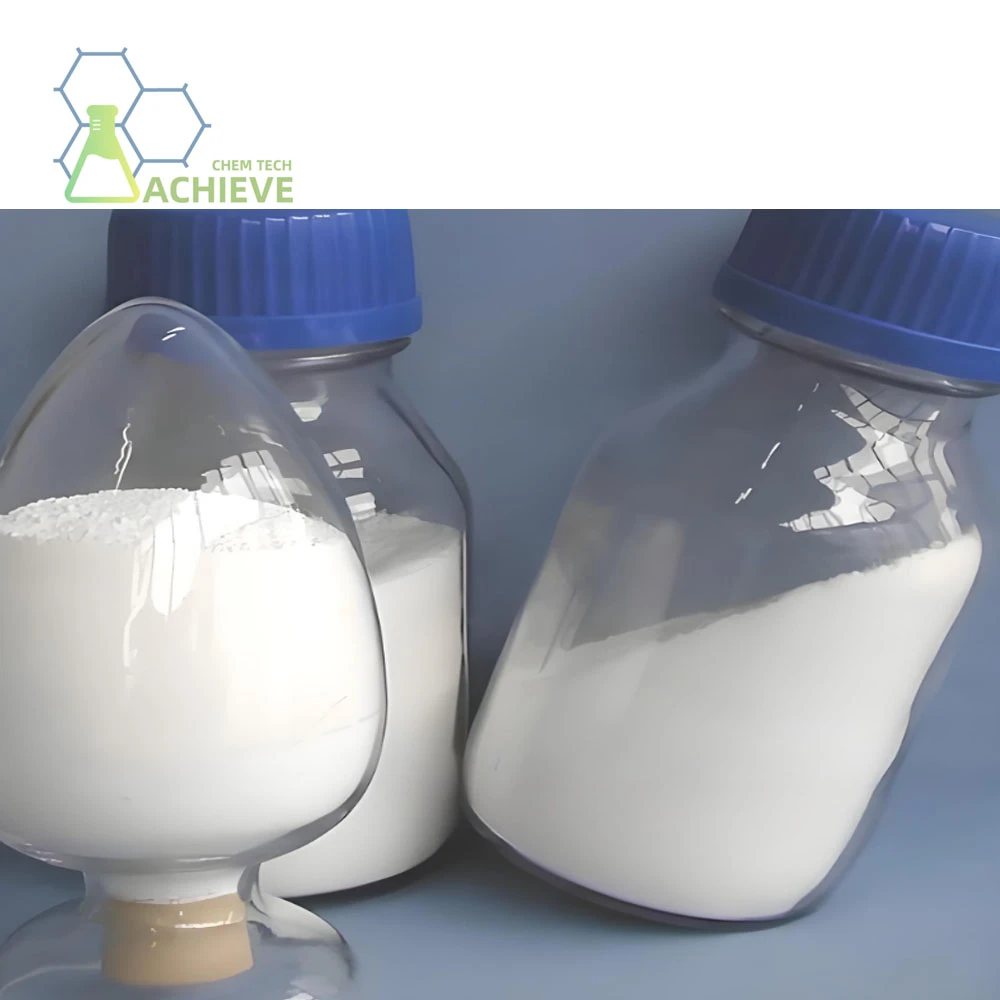
GS 441524 Powder CAS 1191237-69-0
1.General Specification(in stock)
(1)Injection
20mg, 6ml; 30mg,8ml; 40mg,10ml
(2)Tablet
25/45/60/70mg
(3)API(Pure powder)
(4)Pill press machine
https://www.achievechem.com/pill-press
2.Customization:
We will negotiate individually, OEM/ODM, No brand, for secience researching only.
Internal Code: BM-2-1-049
GS-441524 CAS 1191237-69-0
Analysis: HPLC, LC-MS, HNMR
Technology support: R&D Dept.-4

How Does GS-441524 Powder Function as a Nucleoside Analog Antiviral?
GS-441524 powder has a pyrrolo[2,1-f][1,2,4]triazin-7-yl group linked to a changed ribose sugar in its chemical structure. The molecule looks a lot like adenosine, which is one of the four basic nucleosides found in RNA, because of its shape. During the replication process, viral RNA-dependent RNA polymerases (RdRp) see GS-441524 powder as a valid substrate. The enzyme that copies viral genetic material can't tell the difference between this analogue and natural nucleosides accurately enough.


Because of its molecular weight and three-dimensional shape, the compound can get through cell membranes and to places where viruses are replicating. Cellular kinases change GS-441524 powder into its active triphosphate form once it gets into infected cells. This biochemical change is necessary for antiviral action because only the triphosphate form can compete with natural adenosine triphosphate (ATP) for being added to RNA chains that are growing.
RNA viruses use polymerase enzymes to make new viral DNA from templates that already exist. GS-441524 powder triphosphate and ATP are both trying to bind to the active site of viral RdRp. Studies have shown that virus polymerases can choose between natural nucleotides and nucleoside analogues in different ways. The GS-441524 powder works well in part because it has good binding kinetics that allow for significant incorporation even though there are a lot of natural nucleotides present.


The feline infectious peritonitis virus (FIPV) study showed that GS-441524 powder has an EC50 value of 0.78 μM, which means it is very good at killing viruses even at low concentrations. This compound's effectiveness comes from the fact that it is structurally compatible with virus polymerases and stable in cellular settings. The concentration needed to have a therapeutic effect stays well below the levels that cause cell death, which makes it a good therapeutic window for clinical use.
Cellular kinases add phosphate groups to GS-441524 powder one at a time to make its active triphosphate form. This three-step phosphorylation process happens in the cytoplasm of the host cell and uses the same enzymes that turn on natural nucleosides. The first step of phosphorylation is often what slows down the activation of nucleoside analogues. GS-441524 powder is effectively phosphorylated by adenosine kinase and other cellular enzymes, which helps it fight viruses.


The triphosphate form builds up inside affected cells, making a storehouse of active antiviral agents in places where viruses replicate most quickly. This localised concentration effect makes the antiviral effect stronger while lowering the exposure to the whole body. The substance is stable after being phosphorylated, so it can keep working against viruses for longer periods of time. This means that it doesn't have to be given as often to keep therapeutic concentrations.

GS-441524 Powder and Viral RNA Chain Incorporation Mechanism
RdRp makes new RNA strands by adding nucleotides that are complementary to the template strand one at a time during viral replication. If there is GS-441524 powder triphosphate around, the polymerase will sometimes choose it over normal ATP. The enzyme helps make a phosphodiester bond, which connects GS-441524 powder to the growing RNA chain in a way that can't be broken.


The GS-441524 powder residue that was added has chemical properties that make it different from normal adenosine. The changed ribose sugar and certain changes to the heterocyclic base cause small changes to the structure of the RNA helix. These changes happen over time as more analogue molecules are added, making the budding viral DNA less stable and less able to do its job.
Unlike some nucleoside analogues that stop the chain right away, GS-441524 powder lets some polymerisation continue after it is added. This delayed termination mechanism is better than obligate chain terminators in some ways. Following the addition of GS-441524 powder, the polymerase adds another three to five bases before replication stops. This pattern, known as "delayed chain termination," happens because the polymerase active site changes shape more and more as it tries to extend past the incorporated analogue.


Crystallography studies of structures have shown that GS-441524 powder inside an RNA strand changes the shape of the RNA helix in small ways. These changes become more noticeable as the polymerase makes more nucleotides, which forces the enzyme into a shape that can't be used for any more catalysis. This causes viral RNA synthesis to stop too soon, leaving viral genomes that are incomplete and don't work.
Selectivity-the ability to stop viral polymerases more than host cell DNA or RNA polymerases-is an important thing to think about for any nucleoside analogue antiviral. The sensitivity profiles of GS-441524 powder are good, and it blocks viral RdRp much more effectively than human DNA polymerases. This preference comes from the fact that viral and mammalian polymerases are structurally different, especially in the active site design and the way they recognise substrates.


Mammalian DNA polymerases have proofreading exonuclease activity, which means they can find and remove nucleotides that were added incorrectly. A lot of RNA viruses don't have these kinds of proofreading tools, which makes them easier for nucleoside analogues to add to. Moreover, the shape of the binding spot in viral RdRp makes it easier for GS-441524 powder to fit than mammalian polymerases. This helps to selectively target viruses while having little effect on the production of nucleic acids in host cells.

What Makes Nucleoside Analog Activity Effective in GS-441524 Powder?
How well a nucleoside analogue works depends a lot on how stable its chemicals are in physiological conditions. GS-441524 powder is very stable over a wide range of temperatures and pH levels that are found in living systems. This stability makes sure that the molecule gets to the target tissues in an active state, rather than breaking down before it can fight viruses. The compound can't be broken down by water or common nucleosidases, which makes its half-life longer in the body.
The bioavailability is another aspect of effectiveness. GS-441524 powder is well taken up by cells using nucleoside transporter proteins that are found on cell membranes. It is easier for these transporters to get into cells that are infected or not infected, but the compound is only activated and phosphorylated when the right kinases are present. The general pharmacological profile is based on how well the molecule is taken up by cells, how well it is phosphorylated, and how stable it is.
The chemical qualities of GS-441524 powder determine how it should be stored. For short-term use of days to weeks, the compound stays stable when stored at 0 to 4°C. For months or years, long-term storage needs to be at -20°C to keep the full potency. Photodegradation and moisture-related decomposition can be stopped by storing things properly in dark, dry places. This keeps the quality stable for study and medicinal uses.

Molecular Antiviral Action of GS-441524 Powder in RNA Viruses
Researchers have shown that GS-441524 powder can kill a number of different types of RNA viruses. The substance works well against more than just coronaviruses; it also works well against other single-stranded positive-sense RNA viruses. The compound has a wide range of effects because it can block RdRp enzymes, which are structurally similar across different virus families. The basic process-incorporation into viral RNA followed by chain termination-works the same way no matter what kind of virus it is.


Studies using feline coronavirus, the virus that causes feline viral peritonitis, have given a lot of information about how well GS-441524 powder works. Clinical observations show that animals that were treated have lower viral loads, better clinical signs, and higher survival rates than animals that were not treated. These results show that the compound can turn its antiviral activity in vitro into useful therapeutic benefits in living things that have active viral infections.
Viruses that affect many species and organ systems can be killed by GS-441524 powder. It is common for RNA viruses to change quickly, which could lead to the creation of tolerance. But mutations that make GS-441524 powder less likely to work often hurt the fitness of viruses by making the polymerase less effective. This restriction makes it harder for the virus to get away from drug pressure, which makes resistance less likely than with antivirals that target viral proteins that are more variable.

Impact on Viral Replication Kinetics

In-depth kinetic studies show that GS-441524 powder changes the rate at which viruses replicate inside affected cells. After entering cells and being phosphorylated, the compound starts killing viruses within hours. As GS-441524 powder triphosphate competes with natural nucleotides, the rate at which viral RNA is made slows down. The lower production of functional viral genomes means that fewer viral proteins are being made and fewer child virions are being put together.
A mathematical model of how viruses replicate when nucleoside analogues are present shows that even a small amount of RNA synthesis inhibition greatly lowers viral output. If the efficiency of polymerase drops by 50%, the production of viral particles can drop by several orders of magnitude over many replication cycles. This amplification effect is what makes molecular suppression that isn't very strong have big clinical benefits.


The time between giving the drug and its therapeutic effect depends on the stage of infection it is in. When treatment starts early, during the early stages of an infection, it stops the virus from spreading and limits the damage to tissues. When action is taken later, after a lot of viral replication has already happened, the production of viruses is still slowed down, but the damage may not be undone. These movement factors help doctors figure out the best ways to dose and when to start treatment.
GS-441524 Powder and RNA Synthesis Interference Mechanism
To keep genetic information alive from one generation to the next, RNA viruses must accurately copy their genomes. GS-441524 powder messes up this basic process by making RNA molecules that aren't working right, which means they can't help viruses spread. When GS-441524 powder residues are added, they stop RNA synthesis too soon. This leaves shortened genomes without important genetic information. Because these genes are incomplete, they can't tell the cell how to make all the proteins it needs, so the virus can't spread.
In addition to ending the chain completely, adding GS-441524 powder may make full-length viral RNAs that don't work as well. The analogue can change the structure in small ways that can change how RNA folds, how proteins connect, or how the template works during later replication rounds. These effects add up over many replication rounds, making the viral community less fit over time. Even virions that seem to have complete genomes may not be able to infect others as well if those genomes have multiple analogue incorporations.
The interference includes viral RNA structures besides the main genome. A lot of RNA viruses make subgenomic RNAs that tell the body to make certain viral proteins. Adding GS-441524 powder can stop the production of subgenomic RNA, which makes viral replication even worse. This complex interference across different RNA species produced during infection improves the effectiveness of the antiviral as a whole.
During the reproduction cycle, viral RNAs interact with many proteins, such as polymerases, nucleocapsid proteins, and host cell factors. If GS-441524 powder residues are found in virus RNA, they can change how these interactions work. Structural studies show that the changed nucleoside causes localised changes in the structure of RNA that affect how proteins recognise and link to it. If the interactions between RNA and proteins get weaker, it could affect how the viral genome is packaged, how stable the particles are, or later stages of infection.
Some virus proteins can recognise certain RNA segments or patterns of structure. Adding nucleoside analogues close to these recognition sites can stop proteins from binding properly. This mechanism adds an extra antiviral effect that isn't dependent on chain termination. This is because fully synthesised viral RNAs with strategically placed analogues may still not be able to support productive infection. The strong antiviral activity seen with GS-441524 powder is due to the combined effects of several mechanisms.
A lot of DNA polymerases can remove 3' to 5' exonuclease activity, which gets rid of nucleotides that were added incorrectly. Some RNA virus polymerases have similar editing features that make copying more accurate. Some coronaviruses make an exonuclease protein (nsp14) that can cut out nucleotides that don't match or have been changed from new RNA strands. This action might make it less vulnerable to nucleoside analogues by getting rid of drug molecules that are absorbed before the chain ends.
GS-441524 powder works even against viruses that have exonuclease activity, which suggests that the compound gets around or beats mechanisms that check for errors. This editing dodge is caused by a number of things. Because GS-441524 powder and natural adenosine have a lot in common structurally, exonuclease active sites might not be able to recognise it. Also, the delayed chain termination mechanism means that polymerase adds several nucleotides after the analogue is incorporated. This could bury the modified residue so that proofreading enzymes can't reach it. The net antiviral effect is set by how well the incorporation rate, exonuclease activity, and chain termination kinetics work together.
Knowing these molecular details helps explain why GS-441524 powder keeps working against viruses that have different replication machinery features. The chemical was made with a deep knowledge of how viral polymerase works and its structure. This lets it effectively stop the production of viral RNA in a wide range of viral targets.
Conclusion
There are basic rules for making nucleoside analogue drugs that can be seen in how GS-441524 powder fights viruses. This molecule targets viral replication machinery to have specific antiviral effects. It does this by looking like natural nucleosides while making small changes to its structure. The efficient uptake by cells, metabolic activation to the triphosphate form, incorporation into viral RNA, and subsequent chain termination make up a multi-step process that strongly stops the replication of RNA viruses.
We are still learning more about how nucleoside analogues work with viral polymerases and RNA structures through research. New antivirals with better potency, selectivity, and resistance profiles are being made with the help of detailed mechanistic insights. The success of GS-441524 powder proves that nucleoside analogue methods work and gives us a way to make molecules that target other viral pathogens.
For businesses that need high-quality study materials or pharmaceutical intermediates, being able to get them from trusted sources is very important. Because the compound is sensitive to storage conditions and purity is important for research purposes, it is only possible to get it from well-known companies with strong quality control systems and a track record of following the rules.
FAQ
1. What distinguishes GS-441524 powder from other nucleoside analog antivirals?
+
-
GS-441524 powder has a delayed chain termination method that lets extra nucleotides be added after they are incorporated, before replication stops. This is not the same as obligate chain terminators, which stop polymerisation right away. The compound is also better at targeting viral RdRp than mammalian polymerases, which lowers the risk of toxicity. It is useful in therapeutic applications because it is chemically stable and quickly taken up by cells.
2. How does GS-441524 powder achieve selectivity for viral enzymes?
+
-
There are structural changes between virus RNA-dependent RNA polymerases and DNA or RNA polymerases from mammals that cause selectivity. The structure of the active site in viral RdRp makes it easier for GS-441524 powder to attach than host cell polymerases. Also, mammalian polymerases often have proofreading features that can find and get rid of incorporated analogues, but many RNA viruses don't have strong proofreading. These things work together to stop the virus from replicating while having little effect on the production of nucleic acids in host cells.
3. What factors determine the antiviral efficacy of GS-441524 powder in different applications?
+
-
Efficacy depends on many factors, such as how well cells take them up, how they are phosphorylated by cellular kinases to the active triphosphate form, how they compete with natural nucleotides for polymerase incorporation, and how the target virus's replication machinery works. Susceptibility is affected by viral factors like polymerase fidelity, the presence of exonuclease activity, and the rate of replication. Overall treatment results are also affected by host factors such as drug metabolism, organ distribution, and immune reaction.

Partner with BLOOM TECH for Premium GS-441524 Powder Supply
If you need high-quality nucleoside analogue antivirals for research or production, BLOOM TECH is ready to be your go-to GS-441524 powder supplier. Our 100,000-square-meter GMP-certified production facilities meet standards set by the US FDA, the EU, Japan, and China. This means that the purity of our pharmaceutical-grade products is higher than 98%. For your regulatory submissions and quality assurance needs, we offer full analytical documentation that includes HPLC, MS, and stability data.
We've been experts in organic synthesis and pharmaceutical intermediate production for 12 years. This means that we can offer you a stable supply chain, reasonable pricing with clear margins, and technical help throughout the entire product development cycle. Our professional team provides a one-stop service with accurate lead times and all the necessary customs clearance paperwork, whether you need research-grade quantities in flexible packaging or bulk production for business purposes.
24 of the world's largest pharmaceutical companies, biotechnology companies, and contract development and manufacturing organisations (CDOs) work with BLOOM TECH. Our quality is triple-checked by testing it in the factory, by our QA/QC department, and by authorised third-party agencies. We stand behind our products by offering a full refund guarantee for any materials that don't meet our standards. This shows how much we care about your success.
Talk to one of our experts about your specific GS-441524 powder needs, as well as your regulatory compliance and supply chain solutions. For detailed quotes, certificates of analysis, and technical help with your antiviral research and development projects, email us at Sales@bloomtechz.com.
References
1. Warren TK, Jordan R, Lo MK, et al. Therapeutic efficacy of the small molecule GS-441524 against Ebola virus in rhesus monkeys. Nature. 2016;531(7594):381-385.
2. Pedersen NC, Perron M, Bannasch M, et al. Efficacy and safety of the nucleoside analog GS-441524 for treatment of cats with naturally occurring feline infectious peritonitis. Journal of Feline Medicine and Surgery. 2019;21(4):271-281.
3. Gordon CJ, Tchesnokov EP, Woolner E, et al. Remdesivir is a direct-acting antiviral that inhibits RNA-dependent RNA polymerase from severe acute respiratory syndrome coronavirus 2 with high potency. Journal of Biological Chemistry. 2020;295(20):6785-6797.
4. Agostini ML, Andres EL, Sims AC, et al. Coronavirus susceptibility to the antiviral remdesivir (GS-5734) is mediated by the viral polymerase and the proofreading exoribonuclease. mBio. 2018;9(2):e00221-18.
5. Murphy BG, Perron M, Murakami E, et al. The nucleoside analog GS-441524 strongly inhibits feline infectious peritonitis (FIP) virus in tissue culture and experimental cat infection studies. Veterinary Microbiology. 2018;219:226-233.
6. Siegel D, Hui HC, Doerffler E, et al. Discovery and synthesis of a phosphoramidate prodrug of a pyrrolo[2,1-f][triazin-4-amino] adenine C-nucleoside (GS-5734) for the treatment of Ebola and emerging viruses. Journal of Medicinal Chemistry. 2017;60(5):1648-1661.