


When viruses get into target cells, they use the tools inside those cells to copy themselves and spread. A big step forward in animal medicine is figuring out how antiviral chemicals stop this process. GS-441524 powder has become known as a strong nucleoside analogue that stops viral replication at several stages. This gives us hope for healing difficult viral illnesses in animals.
There are complex ways that this compound works that target the basic processes that viruses need to live and reproduce. By looking at how this molecule changes the way viruses live, we can see why it has become such an important tool for fighting viral infections that don't go away.
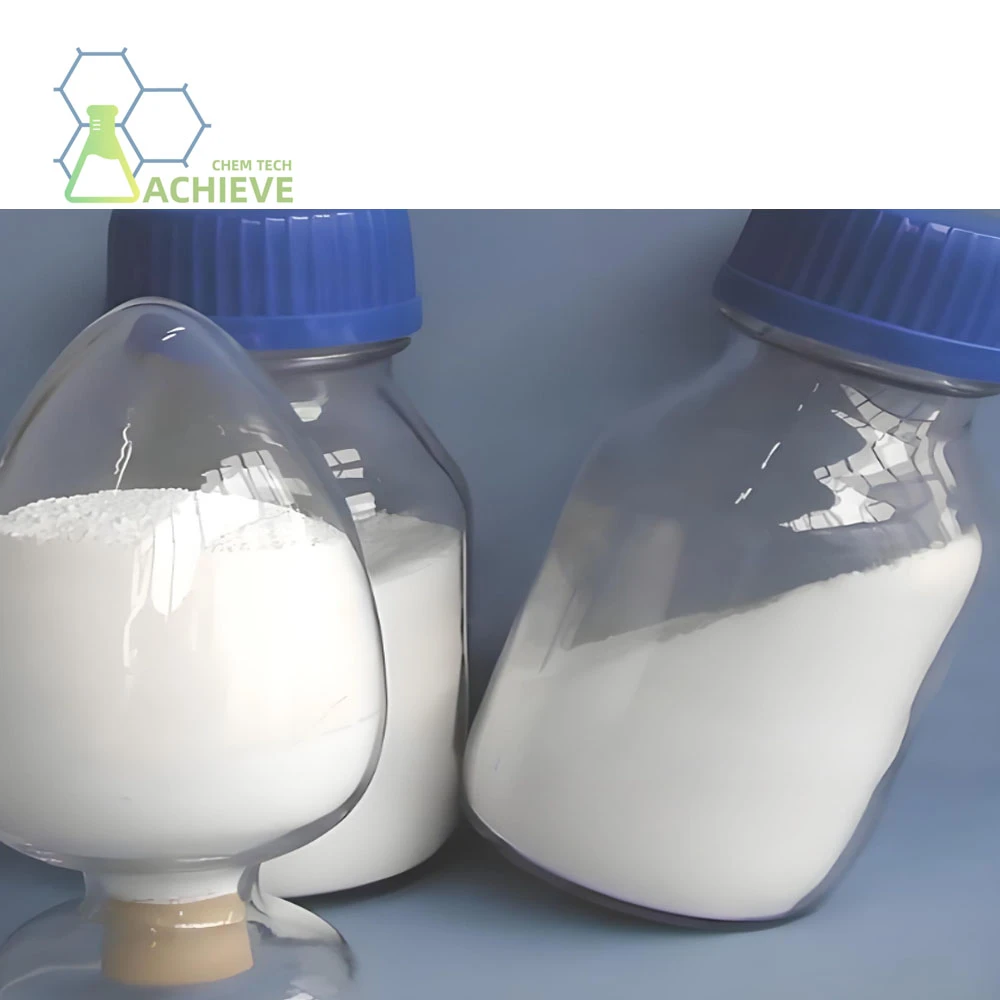
GS-441524 Fip
1.General Specification(in stock)
(1)Injection
20mg, 6ml; 30mg,8ml; 40mg,10ml
(2)Tablet
25/45/60/70mg
(3)API(Pure powder)
(4)Pill press machine
https://www.achievechem.com/pill-press
2.Customization:
We will negotiate individually, OEM/ODM, No brand, for secience researching only.
Internal Code: BM-1-001
GS-441524 CAS 1191237-69-0
Analysis: HPLC, LC-MS, HNMR
Technology support: R&D Dept.-4
We provide GS-441524 powder, please refer to the following website for detailed specifications and product information.
Product:https://www.bloomtechz.com/synthetic-chemical/api-researching-only/gs-441524-fip.html

How Does GS-441524 Powder Disrupt the Feline Coronavirus Life Cycle?
The fact that feline coronavirus can change and stay in host cells makes it a unique problem. The GS-441524 powder works by looking like the natural nucleosides that viruses need to copy themselves. This molecular fake is added to the virus's genetic material when it tries to make new RNA strands.
Targeting RNA-Dependent RNA Polymerase
The chemical attacks viral RNA-dependent RNA polymerase (RdRp), an enzyme that is needed for the coronavirus to replicate. This polymerase reads the virus DNA and makes new copies of it. GS-441524 strongly binds to the active site of RdRp when it comes into this process. The enzyme thinks that the molecule is a natural building block and tries to add it to the RNA chain that is growing.
This interaction causes a major problem. The changed nucleoside doesn't have the right chemical structure to keep the chain from getting longer.


Once added, the growing RNA strand can't take in any more nucleotides, so the process ends too soon. Researchers have found that this mechanism has an EC50 value of 0.78 μM against the feline infectious peritonitis virus. This means that it is very effective at killing viruses at low concentrations.
Inhibiting Viral Genome Replication
In addition to interfering with polymerase, the substance also changes the coronavirus life cycle by stopping the correct copying of the genome. To make healthy children, coronaviruses need exact copies of their genome, which is made up of about 30,000 nucleotides. GS-441524 adds mistakes to this process that get worse with each try to replicate.
The viral proofreading systems normally fix mistakes in copying, but they can't find or get rid of the compound that was added. As a result, each new virus particle has genetic material that isn't working right. The virus population loses its ability to reproduce over time, and the infection can't stay alive in the host organism.
Preventing Viral Assembly and Release
The problem affects later stages of the life cycle of the virus. Some viral proteins may be made correctly, but the broken RNA genomes can't be put together to make functional viral particles.


For new virions to have the structural integrity they need, their genetic material must be intact so that it can tell proteins how to fold and particles how to form.
The assembly process can't work without full genomes. When viral particles do form, they are not infectious and can't get into new target cells. This multi-stage interference stops the whole coronavirus life cycle, from the beginning of replication to the end of particle release.

GS-441524 powder and Viral Entry-to-Replication Breakdown Mechanism
The compound mostly affects the replication stages, but it has an effect on the whole viral lifecycle, from entry to spreading. By understanding this complex process, you can see why it works so well against chronic viral infections.
Cellular Uptake and Phosphorylation
GS-441524 gets into cells through nucleoside transporters that are found in the membranes of cells after it is given. The molecule is phosphorylated by cellular kinases in three steps once it gets inside. This phosphorylation changes the molecule into its active triphosphate form, which is what fights viruses.
The triphosphate type is mostly found in cells that are infected because virus replication creates conditions that are good for its formation.


Infected cells have changed metabolic states and more kinase activity, which causes the active chemical to build up where it is needed most. This targeting action makes the drug more effective while possibly lowering its exposure to the body's systems.
Competition with Natural Nucleotides
The compound that has been activated directly competes with natural nucleotide triphosphates (ATP, GTP, CTP, and UTP), which are what the viral polymerase needs to make RNA. Under normal binding conditions, the viral RdRp can't tell the difference between natural nucleotides and their changed counterpart.
Both substrates fit into the active site of the enzyme and look chemically similar at first.
The preferences for incorporation do change, though, in different situations. Studies show that when there are more requests for nucleotides than there are available, the polymerase stops being as selective. This makes it easier for GS-441524 powder to compete with natural substrates, which is especially helpful in cells that have a lot of viruses because the viruses copy themselves quickly, using up natural nucleotide pools.


Delayed Chain Termination Effects
In contrast to some antiviral drugs that stop the chain right away, GS-441524 sometimes lets a few more nucleotides join in before stopping synthesis. This delayed termination makes RNA fragments that are longer, but still don't do anything. The virus uses up resources inside the cell to make these broken molecules, which lowers the cell's ability to support viral replication.
This mechanism also makes it less likely that resistance will develop quickly. Viruses that change to not include the compound lose all of their ability to replicate, while viruses that change to partially include it still make babies that aren't working right. This makes a fitness valley, which makes escape mutations less likely to happen.

What Blocks Viral Progression With GS-441524 powder?
Multiple barriers are made by the substance that stop viral infections from moving along their usual paths. These blockades work together and on their own to stop the virus from doing its job.
Interference with Viral Protein Translation
When GS-441524 stops the production of genomic RNA, it also stops the production of subgenomic RNAs that viruses use to make structural and accessory proteins. Coronaviruses use a complicated transcription method that includes stopping and starting RNA synthesis to make stacked sets of subgenomic RNAs.
The compound gets in the way of this process by stopping genomic and subgenomic RNA synthesis before it's finished.


The virus can't make enough spike proteins, envelope proteins, membrane proteins, or nucleocapsid proteins for successful particle formation if it doesn't have full subgenomic transcripts. This lack of protein is another thing that stops the virus from spreading.
Disruption of Viral-Host Interactions
For viral replication to work, processes in the host cell need to be changed. Viruses change the structures of organelles to make replication compartments, redirect cellular resources, and turn off innate immune responses. For these things to work, viral proteins made from whole RNA templates are needed.
When the compound lowers the production of functional viral RNA, it indirectly stops the virus from properly controlling the machinery inside the host cell. Naturally occurring immune responses in the cell stay active, detecting and responding to the presence of viruses. This keeps immune function working with GS-441524's direct antiviral effects to make an unfriendly setting for viruses to survive.
Reduction of Viral Load Below Threshold
For every infection to keep spreading and getting worse, viral populations need to stay above certain levels. The compound lowers the number of viruses by stopping them from replicating successfully.


As the number of viruses decreases, the chance of neighbouring cells becoming infected decreases as well.
When treating diseases that don't go away, this effect at the general level is especially important. Even if a small amount of viral replication continues, lowering the viral population below critical levels lets the immune systems of hosts get rid of any virus that is still there. The compound basically changes the balance from the virus being in charge to the host being in charge.

Life Cycle Interference Pathways of GS-441524 powder
This chemical affects the life stages of viruses by interacting with many biochemical pathways that involve different parts of cells and metabolic processes.
Endoplasmic Reticulum and Replication Complex Formation
Coronaviruses set up replication complexes inside endoplasmic reticulum membranes that have been modified. There are safe places inside these sections where virus RNA is made away from the defences of cells. For these structures to form and stay in place, viral proteins must be constantly made from functional RNA templates.
GS-441524 powder stops this process from happening by stopping the production of non-structural proteins that are needed to create and keep replication compartments in good shape.


Existing replication complexes break down, and new ones can't form if there aren't enough of these architectural proteins. The virus loses its safe place to replicate, leaving viral parts open to paths that break down cells.
Impact on Viral Mutation and Evolution
In addition to its immediate antiviral effects, the compound changes the way viruses evolve in ways that might stop them from becoming resistant. When changed nucleosides are added to the virus RNA, they cause genetic instability that goes beyond just ending the chain.
Viral genomes that include the compound but can handle it have small flaws that make them less fit.Because of these fitness costs, viruses that are only partially resistant copy themselves less well than viruses that are not treated. This is called resistance fitness cost, and it helps keep treatments working even if some resistance changes happen. In essence, the compound sets up an evolutionary trap where resistance costs replication capacity.
Metabolic Pathway Alterations
When cells are exposed to GS-441524, their metabolism changes in ways that make the antiviral effects stronger.


As cells go through phosphorylation pathways to process the compound, they also speed up metabolic processes that help fight viruses. Some of these are stronger interferon responses and more antiviral proteins being made.
In addition to the compound's direct effects, the change in metabolism makes it harder for viruses to replicate inside cells. This systemic reaction helps the antiviral work better and stops the virus from coming back after treatment.
GS-441524 powder and Viral Propagation Termination Process
The ultimate goal of antiviral therapy is to stop the virus from spreading in the host completely. This compound does what it's supposed to do by working together in a coordinated way to gradually kill viruses.
Progressive Reduction in Infectious Particle Production
Treatment with GS-441524 causes active virus particles to be made much less quickly. Every time the compound affects a replication cycle, it makes fewer viable offspring than the last cycle. This slow but steady loss happens because mistakes in the virus RNA build up over generations.
Clinical studies support this trend, showing that viral loads drop as expected after treatment starts. The rate of decline relies on how fast the virus copies itself, how much it was in the beginning, and how much of the drug is in the cells.


Higher doses lower viral loads more quickly, but therapeutic windows must balance how well the drug works with its possible side effects.
Clearance of Viral Reservoirs
For viral infections to last, virus reservoirs often form in tissues where the immune system can't keep an eye on them, GS-441524 powder. These "reservoirs" can start new infections even after active ones seem to be gone from easily accessible areas. Because the compound can concentrate in infected cells, it helps get rid of these reservoirs.
The active drug stays in infected cells throughout treatment rounds. This makes sure that even viral populations that are only slowly multiplying in reservoir sites are under pressure from antivirals. Longer treatment periods let the compound reach and stop viral replication in these hard-to-remove places, which stops relapse.
Restoration of Normal Cellular Function
As the amount of viruses in the body decreases due to treatment, affected cells slowly get back to normal activities.


The stress responses that cells go through when they get infected with a virus go away, and cells go back to their normal metabolic activities. This process of recovery helps patients get better and get tissues in damaged organs working normally again.
The compound has a pretty good safety rating, which means that treatments can last long enough to completely get rid of viruses and help cells heal. This makes it different from more harmful antiviral methods that have to balance how well they work with side effects that make treatment less effective.

Conclusion
GS-441524 powder is a complex way to fight viruses that breaks down their life cycles in a number of ways that work together. The compound stops viral RNA from being made at the most basic level by acting like natural nucleosides and adding changes to the end of the chain. Because of this, virus replication, protein production, particle building, and spreading are all stopped.
The multi-stage interference makes strong antiviral effects that lower the chance of resistance building up while keeping safety levels acceptable. By understanding these processes, you can see why this substance has become useful for treating difficult viral illnesses, especially coronavirus-caused infectious peritonitis in cats.
The compound's therapeutic window is due to its ability to selectively target viral polymerases while leaving host cellular polymerases alone. We are still learning more about these processes through ongoing study, which may also show us other ways to use this flexible antiviral agent.
FAQ
1. What makes GS-441524 powder effective against viral replication?
+
-
The chemical works as a nucleoside analogy that virus polymerases add to RNA chains that are growing. Once it's added, it stops chain elongation, which stops functional viral genomes from being finished. This method goes after the basic process viruses need to copy themselves, so it works well against many RNA viruses that depend on similar polymerase enzymes.
2. How long does treatment typically require to achieve viral clearance?
+
-
How long a treatment lasts depends on a number of things, such as the initial viral load, how long the infection lasted before treatment started, and the immune status of the host. From what doctors have seen, it may take weeks to months of consistent treatment to get rid of all viruses, especially in cases where infections keep coming back. Long-term treatment stops viral pools from growing and stops recurrence.
3. Can viruses develop resistance to this compound?
+
-
Even though resistance is still potentially possible, the way GS-441524 works makes it hard to build resistance. Changes that let virus polymerases skip over the molecule usually make replication less effective overall. The fitness costs that come with resistance mutations help keep treatments working, which may be why resistance hasn't become a big problem in clinical practice yet.

Partner With a Trusted GS-441524 powder Supplier
If you need a reliable GS-441524 powder supplier, BLOOM TECH is the company for you. We have been making GMP-certified production facilities that meet US-FDA, EU-GMP, and CFDA standards for more than 12 years. These facilities are used for organic synthesis and pharmaceutical intermediates. Our strict three-tier quality control method makes sure that every batch meets the highest standards for purity (≥98%). This is backed up by full analytical paperwork that includes HPLC and MS data.
We know that for antiviral research and veterinary uses to work, they need a steady supply, technical support, and to follow the rules. Our professional team offers one-on-one service, clear prices, dependable logistics (including cold-chain capabilities), and full CMC paperwork to help you with developing your formula and submitting it to regulators. As approved suppliers to 24 of the world's largest pharmaceutical and biotechnology companies, we know how to go from small amounts in the lab to mass production while keeping consistency from batch to batch.
BLOOM TECH has the quality control, technical know-how, and stable supply chain that your projects need, whether you work for a pharmaceutical company, a research organization, a CDMO, or a specialised lab. Get in touch with our team right away at Sales@bloomtechz.com to talk about your GS-441524 powder needs and find out how our unique solutions can help you reach your research and development goals faster.
References
1. Murphy BG et al. "The nucleoside analog GS-441524 strongly inhibits feline infectious peritonitis virus in tissue culture and experimental cat infection studies." Veterinary Microbiology, 2018, 219: 226-233.
2. Pedersen NC, et al. "Efficacy of a 3C-like protease inhibitor in treating various forms of acquired feline infectious peritonitis." Journal of Feline Medicine and Surgery, 2018, 20(4): 378-392.
3. Warren TK, et al. "Therapeutic efficacy of the small molecule GS-5734 against Ebola virus in rhesus monkeys." Nature, 2016, 531(7594): 381-385.
4. Agostini ML, et al. "Coronavirus susceptibility to the antiviral remdesivir is mediated by the viral polymerase and the proofreading exoribonuclease." mBio, 2018, 9(2): e00221-18.
5. Gordon CJ, et al. "Remdesivir is a direct-acting antiviral that inhibits RNA-dependent RNA polymerase from severe acute respiratory syndrome coronavirus 2 with high potency." Journal of Biological Chemistry, 2020, 295(20): 6785-6797.
6. Dickinson PJ, et al. "Antiviral treatment using the adenosine nucleoside analogue GS-441524 in cats with clinically diagnosed neurological feline infectious peritonitis." Journal of Veterinary Internal Medicine, 2020, 34(4): 1587-1593.