


Understanding how molecular architecture affects the performance of pharmaceuticals is still an important part of making new drugs. Researchers and companies that make antiviral compounds can learn a lot from the relationship between chemical composition and biological activity. This research looks into how the structure of GS-441524 tablets is directly linked to how they work, which can help pharmaceutical experts who are looking for reliable sources of information.
The chemical formula C12H13N5O4 stands for more than just a formula. The way the molecule is arranged in three dimensions, where its functional groups are located, and its electronic features all affect how it works in living systems. Recognising these molecular principles helps set quality standards and benchmarks for manufacturing for companies that need consistent, high-purity supplies.
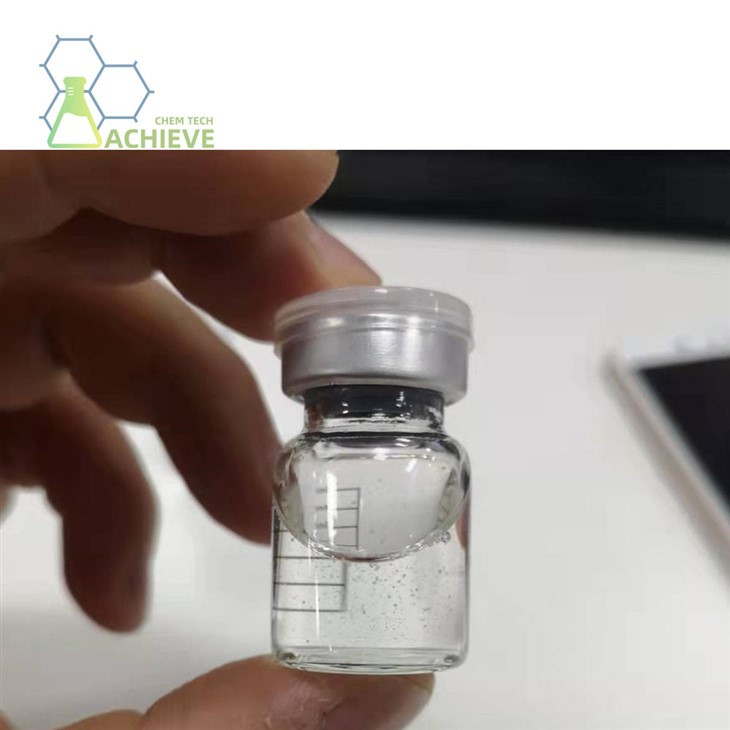
GS-441524 Tablets
1.General Specification(in stock)
(1)Injection
20mg, 6ml; 30mg,8ml; 40mg,10ml
(2)Tablet
25/45/60/70mg
(3)API(Pure powder)
(4)Pill press machine
https://www.achievechem.com/pill-press
2.Customization:
We will negotiate individually, OEM/ODM, No brand, for secience researching only.
Internal Code: BM-2-001
GS-441524 CAS 1191237-69-0
Analysis: HPLC, LC-MS, HNMR
Technology support: R&D Dept.-4

How Does the Molecular Structure of GS-441524 Tablets Affect Antiviral Function?
The way GS-441524 tablets are built creates a molecular profile that lets certain biological interactions happen. The pyrrolotriazine core is the structure's backbone; it gives it rigidity and tells you where things are in space. It is important for cells to be able to recognise this bicyclic system because it stays in a flat shape.
The stability and hydrogen bonding properties of the ribose-like molecule are greatly affected by the presence of several hydroxyl groups. These -OH substituents are placed in certain places on the molecule that make it look like natural nucleosides. This makes it easier for it to enter biological pathways. It dissolves in water at a rate of about 0.5 mg/mL, which shows that the hydrophilic functional groups and the lipophilic heterocyclic core are in balance.
Functional Group Contributions to Biological Activity
+
-
The nitrile group that is linked to the pyrrolotriazine system is a unique part of the structure. This -CN part changes how electrons are spread out in the molecule, which changes how enzymes break down the chemical. The cyano group's ability to take away electrons changes the reactions of nearby positions, making biochemical changes more selective.
In the heterocyclic structure, amino substituents form hydrogen bonding networks that keep relationships with target proteins stable. The exact physical arrangement of these nitrogen-containing groups affects how well they bind and what kind of binding it is. Studies show that even small changes to these places can have a big effect on how living things work.
Stereochemical Considerations in Tablet Formulation
+
-
The three-dimensional arrangement of hydroxyl groups follows a certain stereochemical pattern that is similar to how nucleosides are arranged in nature. This chirality makes sure that cellular transport systems and enzyme systems can recognise it correctly. The molecular weight of 291.27 is in the best size range for getting into cells while still having enough structural complexity for selective activity.
pH sensitivity becomes an important thing to think about when making new formulations. In acidic environments, nitrogen atoms in the heterocyclic system can lose their proton, which can change the structure or break it down. Because of this, careful formulation methods are needed to keep the molecular structure during storage and travel through the digestive system.

GS-441524 Tablets and Nucleoside Analog Structural Mechanism Explained
Nucleoside analogues work by copying the molecular structure of natural building blocks that are needed to make genetic material. Because GS-441524 tablets have a structure that is similar to natural nucleosides, they can get into cell pathways that are normally only used for normal metabolic processes. Based on its biological function, this molecular resemblance is what makes it work.
The ribose-like sugar part attached to the heterocyclic base has the same structure as adenosine and other similar chemicals. Cellular kinases recognise this pattern and speed up phosphorylation reactions that turn the molecule into active substances. The chemically active species that cause antiviral actions are these phosphorylated forms.
Kinase enzymes in cells check to see if source molecules have structures that match their active sites. The hydroxyl groups on GS-441524 tablets are set up to make hydrogen bonds with certain amino acid residues in the active sites of these enzymes. This recognition starts a chain reaction of phosphorylation events that add phosphate groups to the molecule one by one.


Several enzymes are needed to change the parent compound into the triphosphate metabolite. As the molecule goes through more phosphorylation, its negative charge density rises, making it more like natural nucleoside triphosphates. The changes to the structure also stop the protein from leaving cells, which leads to a buildup inside cells that keeps the antiviral activity going.
Because GS-441524 tablets and natural nucleosides have slightly different structures, they are better at blocking viral polymerases than host enzymes. The nitrile substituent and the changed heterocyclic system create physical changes that virus RNA-dependent RNA polymerases can handle better than human DNA polymerases. This different kind of recognition is what makes the therapeutic window possible, which lets antivirals work without being too harmful.


Studies using crystallography show how the compound fits into the active sites of viral polymerases. The nucleobase binding pocket is occupied by the pyrrolotriazine system, and the sugar-like moiety places phosphate groups for catalytic activity. The nitrile group goes into a certain part of the enzyme that can accept non-natural substituents. This is why it interacts with the virus machinery more than other molecules.

What Links Structure to Viral Inhibition in GS-441524 Tablets?
The link between molecular design and antiviral activity is based on the compound's power to stop the production of genetic material. The molecule competes with natural nucleoside triphosphates to be added to growing RNA chains after being phosphorylated to the triphosphate form. This competitive relationship is possible because the structure is similar to adenosine triphosphate (ATP).


Viral RNA polymerases choose substrates based on how well their shapes match up and how they bind with hydrogen. The GS-441524 tablets triphosphate metabolite meets these requirements for recognition, which means it is added across from uridine residues in the template strand. The heterocyclic base forms a Watson-Crick-like hydrogen bond with uracil, which keeps the helical shape of the new RNA strand.
Some nucleoside analogues stop RNA synthesis right away, but GS-441524 tablets let the chain keep growing after it is added. The presence of the 3'-hydroxyl group causes this delayed termination process. It makes it possible for the next phosphodiester link to form. The compound stops the chain from continuing right away, but it does so by causing structural changes that build up over time.


The changed heterocyclic base makes small changes to the shape of the RNA helix. As more analogue molecules join the growing chain, these errors get worse, and the polymerase-template complex becomes less stable. When the viral enzyme breaks away from the template, it leaves behind incomplete RNA products that can't help the virus replicate.
Molecular Interaction Pathways of GS-441524 Tablets in Cells
Taken up by cells is the first step in the compound's acting process. Nucleoside transporters that are built into cell membranes can recognise GS-441524 tablets' structure and make it easier for them to get into the cytoplasm. Different types of concentrative and equilibrative transporter families work together in this process, but their specific roles depend on the structure of the molecules.
For transporters to recognise molecules, they need to have hydroxyl groups in the right stereochemical structure. These functional groups donate and accept hydrogen bonds and work with certain amino acids that line the transporter channel. Transport kinetics are affected by the molecular weight and overall hydrophilicity, which in turn affects the cellular concentrations that can be reached with different dosing schedules.
When GS-441524 tablets get into cells, they meet a group of kinase enzymes that gradually phosphorylate the molecule. Adenosine kinase is the enzyme that adds the first phosphate group and is the slowest in this activation process. The total change to active metabolites depends on how well this first step of phosphorylation works.
Nucleoside monophosphate kinases and nucleoside diphosphate kinases then carry out the next phosphorylation reactions. Each enzyme step needs ATP as a phosphate source. This connects the activation process to the energy level of the cell.

Subcellular Distribution and Target Engagement

The negatively charged triphosphate metabolite is mostly found in the cytoplasm, which is where many viruses make their RNA. The compound's access to virus reproduction machinery depends on where it is found inside cells. Some viruses create reproduction sections with special membranes that can either stop or speed up the buildup of compounds.
The last step in engaging a target is binding to the virus polymerase active sites. Affinity and residence time are controlled by how well the GS-441524 tablets triphosphate and the polymerase nucleotide binding pocket match up structurally. Longer stay times make it more likely that they will be incorporated into budding RNA, which makes them more effective against viruses.

GS-441524 Tablets and RNA Replication Interference Structure
There are several molecular changes that happen when GS-441524 tablets are added and interfere with RNA production. The changed heterocyclic base changes the shape of the RNA helix's minor groove, which affects the protein-RNA interactions needed to keep the replication complex stable. It gets worse over time because these changes add up with each added analogue molecule, making the replication machinery less stable.
The pyrrolotriazine ring's nitrile group goes into spaces that aren't filled by natural bases. When the enzyme tries to add the next nucleotide, it bumps into amino acid residues in the polymerase active site, which is called a steric clash. The cumulative effect slows down the rate of elongation and raises the number of times polymerase dissociation events happen.
Adding metabolites from GS-441524 tablets to RNA changes how stable the template-product duplex is in terms of thermodynamics. The changed base pairing interactions change the stacking geometry between base pairs that are next to each other, which makes the helical structure less stable overall. This makes it easier for the product strand to separate from the template too soon, which results in molecules of RNA that aren't fully formed.


The structure of hydrogen bonds between the analogue and complementary uridine residues is a little different from how Watson-Crick pairs form naturally. The nitrogen atoms in pyrrolotriazine form bonds with different shapes than those in adenine. This changes the helix parameters in some places. These changes in structure spread through the RNA helix and impact areas both before and after the site of inclusion.
The addition of nucleoside analogues causes changes in the shape of virus polymerases, as shown by structural studies. The enzyme's active site changes shape to fit the changed substrate, and it can sometimes take on non-productive forms. These changes to the structure make the catalytic process less effective and raise the energy barrier for adding more nucleotides.


It breaks down the translocation step, which is when the polymerase moves along the template to find the next nucleotide to add. When GS-441524 tablets is in the active site, it changes the positions of the catalytic residues that are needed for translocation. This mechanical disruption adds to the overall inhibitory effect, even if the RNA product is not chemically changed.
Conclusion
The molecular structure of GS-441524 tablets directly affects how well they fight viruses in a number of ways that are all connected. The pyrrolotriazine core, hydroxyl substituents, and nitrile group work together to make a molecular structure that lets cells take it in, activate enzymes, and selectively add it to viral RNA. Understanding these connections between structure and function is important for developing medicines and making sure they are of high quality.
Both its effectiveness and specificity can be explained by the compound's ability to mimic natural nucleosides while making small changes to their structure. The geometric features that help viral polymerases recognise them and the distortions that stop RNA synthesis are examples of complex molecular design principles. Because of these features, GS-441524 tablets are a useful compound for studying viruses and for medical uses.
Knowing how molecular architecture affects biological activity helps companies make sure their products are always of high quality and helps them decide how to formulate their products. The sensitivity to pH, the limits on solubility, and the need for metabolic action are all caused by structural traits that need to be handled and processed carefully.
FAQ
1. What about the chemical structure of GS-441524 tablets makes them good at stopping the replication of viruses?
+
-
Its ribose-like part and pyrrolotriazine base make it look like natural nucleosides, which lets enzymes inside cells change it into active triphosphate metabolites. The nitrile group and modified heterocyclic system make small geometric differences that viral polymerases can handle. This allows the compound to be incorporated into viral RNA, where it stops chains from getting longer and makes replication complexes less stable.
2. What role do the hydroxyl groups play in the biological action of GS-441524 tablets?
+
-
The hydroxyl groups on the sugar-like part help nucleoside transporters recognise it so that cells can take it up, and they also act as phosphorylation sites for kinase enzymes. These -OH groups keep the 3'-hydroxyl configuration needed for the RNA chain to keep growing, which is what makes GS-441524 tablets different from immediate chain terminators. Their stereochemical arrangement is similar to that of natural nucleosides, which makes it easier for them to get into biochemical pathways.
3. Why does the pyrrolotriazine core structure matter for antiviral function?
+
-
The two-cycle pyrrolotriazine system forms a flat, hard structure that fits into the nucleobase binding pocket of virus polymerases. This heterocyclic core sets the right shape for base pairing with uridine residues while adding differences in structure that make it different from adenine. The nitrogen atoms in this ring system form hydrogen bonding networks that are necessary for enzymes to recognise them and for the formation of RNA helices.

Partner with BLOOM TECH as Your Trusted GS-441524 Tablets Supplier
BLOOM TECH stands ready to support your requirements for high-purity pharmaceutical intermediates and active compounds. Our GMP-certified manufacturing facilities spanning 100,000 square meters maintain US-FDA, EU-GMP, and CFDA certifications, ensuring consistent quality that meets international regulatory standards. As a qualified GS-441524 tablets supplier, we offer full analytical documentation, such as HPLC, MS, and stability data, to help your research projects.
Our three-tier quality control system-factory testing, analysis by an independent QA/QC department, and certification by a third party-ensures the integrity of the materials. We have clear pricing, fixed profit margins, and accurate lead times that can be tracked through our ERP platform. With 12 years of experience in organic synthesis, BLOOM TECH's professional team can handle everything from the first question to clearing customs. Email our team at Sales@bloomtechz.com to talk about your unique needs and see for yourself why 24 international pharmaceutical businesses already trust us.
References
1. Warren TK, Jordan R, Lo MK, et al. Therapeutic efficacy of the small molecule GS-5734 against Ebola virus in rhesus monkeys. Nature. 2016;531(7594):381-385.
2. Sheahan TP, Sims AC, Graham RL, et al. Broad-spectrum antiviral GS-5734 inhibits both epidemic and zoonotic coronaviruses. Science Translational Medicine. 2017;9(396):eaal3653.
3. Tchesnokov EP, Feng JY, Porter DP, Götte M. Mechanism of inhibition of Ebola virus RNA-dependent RNA polymerase by remdesivir. Viruses. 2019;11(4):326.
4. Gordon CJ, Tchesnokov EP, Woolner E, et al. Remdesivir is a direct-acting antiviral that inhibits RNA-dependent RNA polymerase from severe acute respiratory syndrome coronavirus 2 with high potency. Journal of Biological Chemistry. 2020;295(20):6785-6797.
5. Furuta Y, Komeno T, Nakamura T. Favipiravir (T-705), a broad spectrum inhibitor of viral RNA polymerase. Proceedings of the Japan Academy Series B. 2017;93(7):449-463.
6. Pruijssers AJ, George AS, Schäfer A, et al. Remdesivir inhibits SARS-CoV-2 in human lung cells and chimeric SARS-CoV expressing the SARS-CoV-2 RNA polymerase in mice. Cell Reports. 2020;32(3):107940.