


Flea infestations seldom end with the mature insects hopping through your pet's hair. But beyond the surface, a far bigger issue is brewing: thousands of flea eggs are dispersed throughout beds, carpets and yards, preparing to hatch into the next generation. Here is where the hidden stage is addressed and here is where compound fipronil drops gain their name among veterinarians, pet owners and pest control specialists. These formulations include fipronil with several supportive active ingredients to target fleas at different life stages, not only the apparent adults. This article delves into how compound fipronil drops work with flea eggs, larvae, and the reproductive cycles, giving you a solid grasp on why it's a reliable choice for long-term flea management. For anyone looking to get these substances for formulation or distribution, practical assistance is also included near the conclusion of this paper.
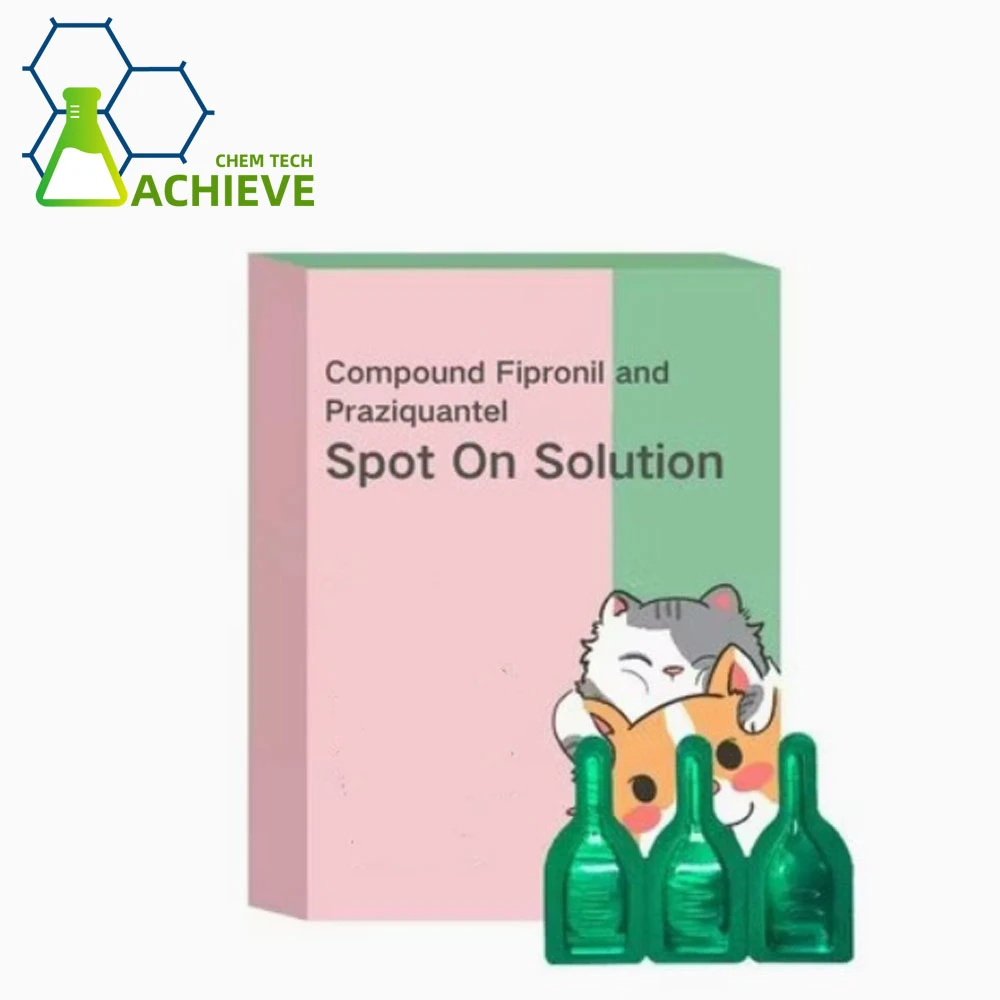
Compound Fipronil And Praziquantel Spot On Solution
1.General Specification(in stock)
(1)Solution
2.Customization:
We will negotiate individually, OEM/ODM, No brand, for secience researching only.
Internal Code: BM-9-022
Compound Fipronil and Praziquantel Spot On Solution
Main market: USA, Australia, Brazil, Japan, Germany, Indonesia, UK, New Zealand , Canada etc.
Manufacturer: BLOOM TECH Xi'an Factory
Analysis: HPLC, LC-MS, HNMR
Technology support: R&D Dept.-4
How Do Compound Fipronil Drops Interfere With Flea Egg Hatching?
Flea eggs are a particular problem, since the majority of the development time is spent outside the host animal's body. Eggs need residual chemical action to spread throughout the pet's surroundings, unlike adult fleas that may be directly targeted by touch or ingestion. Compound fipronil drops do this via a distribution mechanism that transfers active substances over the oil glands of the skin and onto surrounding surfaces where the pet rests.
Mechanism of Residual Contact
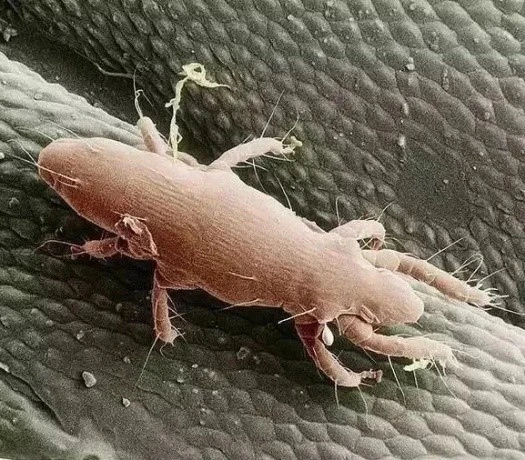
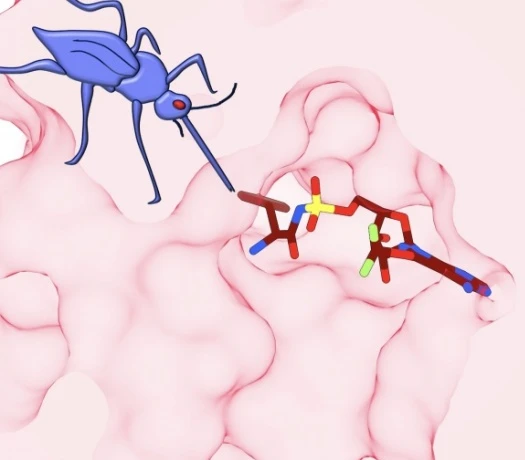
Fipronil attaches to GABA-gated chloride channels in insect nervous systems. Any flea that gets in contact with the treated hair or skin oils will have its brain activity interrupted. This residue is contacted by a female flea, and part of the chemical is passed to her eggs before she lays them. This contact transmission decreases the viability of the eggs previously and stops the hatching process before the larvae hatch. Laboratory studies published in veterinary parasitology journals have demonstrated on multiple occasions that fipronil residues taken from fur samples treated with the drug continue insecticidal activity against flea eggs many weeks after delivery.
Environmental Spread and Egg Exposure
The eggs of fleas have a smooth shell, and are normally shed from the host animal within a few of hours after being laid, to spread throughout carpets, furniture and bedding. The chemical fipronil is distributed as lipid-based residues in the pet's coat, and some of these residues bind to shed eggs. This ambient contamination means that eggs which are not directly treated on the animal body contain trace amounts of the drug, decreasing the overall hatch rate in a household. Studies of the domestic flea population have shown that medications having a lipophilic dispersion feature, such as fipronil formulations, dramatically lower the survival of flea eggs in the environment, compared with water-based therapies.
Why Hatching Disruption Matters Long Term
This stops the eggs from hatching and removes the source of reinfestation. Most flea treatments kill just the adult fleas, which make up a small percentage of the total flea population at any given time. In a flea-infested dwelling, eggs, larvae and pupae will generally make up more than ninety percent of the flea population. Fipronil drops compromise hatching success, limiting the number of fleas that will eventually mature into biting, reproducing adults and giving pet owners a large head start against reinfestation.
The Role of Compound Fipronil Drops in Breaking the Flea Reproductive Cycle
Flea control techniques are successful or useless based on whether or not they stop the reproductive cycle at more than one stage. Once an adult flea finds a host to feed on one female flea may lay hundreds of eggs each day. The Fipronil chemical drops stop this cycle by reducing the life span of the adult flea, directly reducing the window of opportunity for reproduction.
Shortened Adult Flea Lifespan
Fipronil is absorbed by a flea via contact with the oils of treated skin, interfering with the transmission of nerve impulses. In most cases, hyperexcitation and death follow within twenty-four to forty-eight hours. Because the mortality rate is high, the chemical takes effect before fleas have time to feed, mate and lay eggs. Entomological studies on the speed of kill of fipronil have shown that treated fleas often stop eating within hours, significantly lowering their reproductive production prior to death.
Suppressing Multiple Generations Simultaneously
Flea populations overlap generations, such that the adult fleas, eggs, larvae, and pupae are often all found in the same residence at the same time.
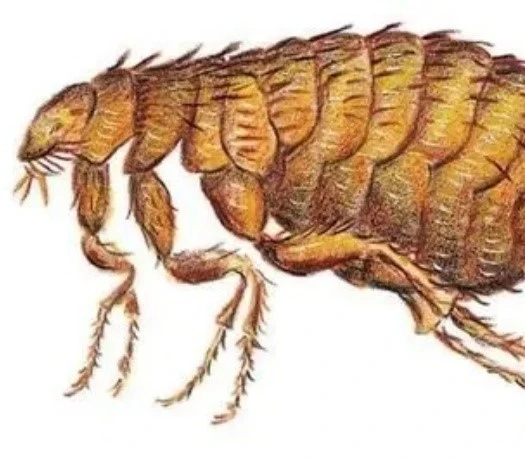
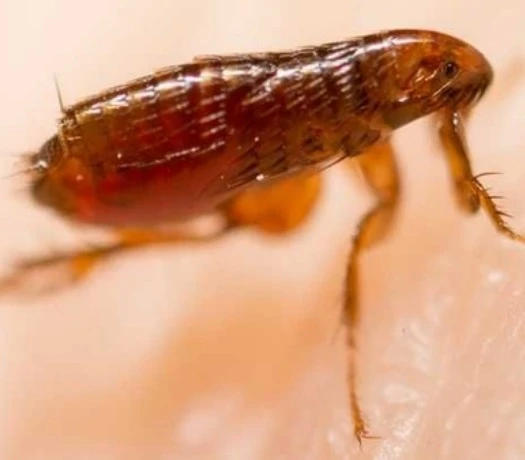
Compound fipronil drops resolve this overlapping structure and retain residual activity on the host animal for long periods (about four to six weeks depending on the individual formulation and environmental conditions. That means the new adult fleas run against the same insecticidal barrier their ancestors did, and the cycle is stopped from kicking off again.
Reducing Reproductive Success in Surviving Fleas
Some surviving fleas following the initial exposure to fipronil residues show sublethal effects such as reduced fecundity and poor egg development. Studies on the regulation of insect growth have shown that sublethal doses of pesticides interfere with the control of hormones necessary for the development of eggs in many insect species including fleas.
The flea may not die instantly but its contribution to the overall population by reproduction is diminished and this contributes to the effect of direct mortality of the compound fipronil drops.
How Does Fipronil Affect Egg Production in Fleas Exposed to Compound Fipronil Drops?
To understand the effect of fipronil on egg production, we need to go beyond conventional mortality numbers. The compound's interaction with flea physiology leads to quantifiable alterations in reproductive output of fleas surviving first exposure, which has an essential secondary function in population reduction.
Hormonal Disruption and Egg Viability
Fipronil acts mainly on the neurological system, but has secondary effects on the endocrine mechanisms that control reproduction in female fleas. Studies of the reproductive biology of arthropods suggest that neurotoxic pesticides may interfere with the control of juvenile hormone, a key determinant in egg development. In the lab, under controlled conditions, female fleas exposed to sublethal dosages of fipronil had less ovarian development, and thus produced fewer eggs each feeding cycle.
Feeding Interruption and Nutritional Limitations
Fleas need the nutrients in the blood of a host to produce eggs, hence their egg production is very dependent on how much blood they eat.
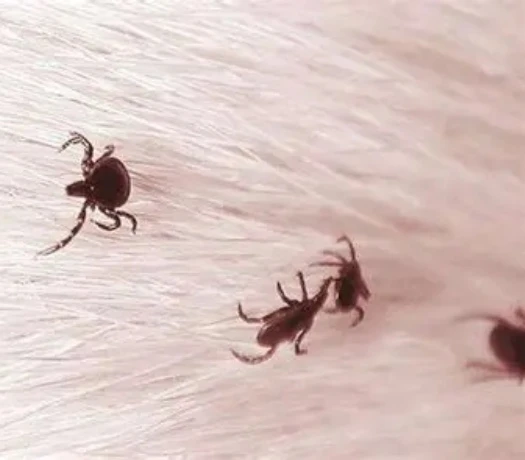
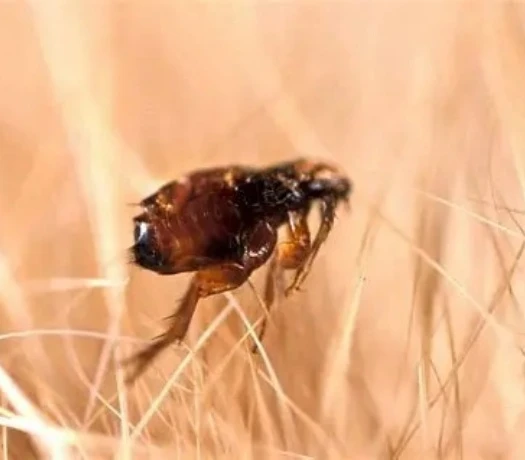
Fipronil compound drops induce irregular nervous system activity in the affected fleas, sometimes resulting in decreased feeding behavior or premature separation from the host before a complete blood meal is accomplished. This delay restricts the nourishment available for egg production and further reduces the reproductive potential of even those fleas who have not died from the chemical yet.
Comparative Data on Egg Output Reduction
Veterinary pharmacology literature has shown significant decreases in the daily egg production of fleas when comparing flea populations exposed to fipronil-based treatments with untreated flea populations.
The numbers may vary depending on the dosage of the formulation and the environmental conditions,but in various investigations, the general trend is the direct killing of fleas, with the major reduction of egg generation as a secondary benefit. This double impact, killing fleas, and lowering the reproductive rate of survivors, increases the overall efficiency of compound fipronil drops to control flea populations over time.
Ovicidal Activity and Immature Flea Development Control With Compound Fipronil Drops
One of the most sophisticated parts of flea control chemistry is ovicidal activity, the capacity to destroy eggs directly. Although fipronil is not strictly considered to be an ovicide, its effects on flea eggs and larvae are quite similar to those of an ovicide when used in a typical home.
Direct Residue Transfer to Eggs
As pointed forth above, fipronil residues are passed from adult fleas to eggs during egg production. The transmission is due to fipronil being deposited in the sebaceous glands and body surface of the flea, such that every egg passing through the reproductive system takes up trace residues. Laboratory egg viability experiments demonstrated that eggs obtained from female fleas treated with fipronil had lower hatch rates compared with eggs from untreated controls, confirming an indirect ovicidal effect of the drug.
Larval Mortality After Hatching
Even if the eggs do hatch successfully, the larvae are still exposed to residues of fipronil in the surrounding environment.
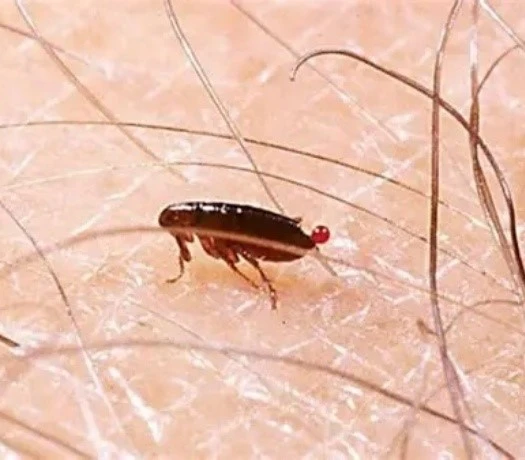
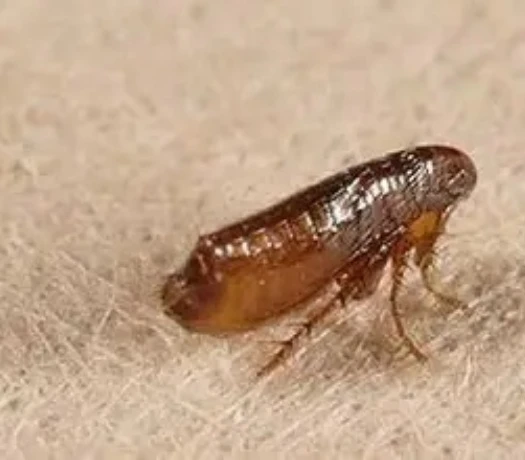
The flea larvae eat organic detritus, such as the excrement of adult fleas, which usually includes undigested blood with trace amounts of fipronil. Larvae fed this contaminated material are exposed to the substance at a key developmental period, and this results in mortality before pupation. This additional exposure route expands the effective range of compound fipronil drops away from the host animal and into the surrounding environment where larvae grow.
Pupal Stage Resistance and Its Limitations
The most resistant stage of life to chemical treatment is the flea pupae. This is because flea pupae have a protective cocoon structure that protects the growing flea from external pesticides.
The pupae within the protective layer are hardly affected directly by the fipronil drops. This restriction should be understood to create reasonable expectations since new adults emerging from existing pupae may still arise after therapy has begun. Repeated and consistent application will assist guarantee that these freshly emerged adults are exposed to fipronil residues soon after emergence and are prevented from completing the reproductive cycle.
How Do Compound Fipronil Drops Help Reduce Flea Reinfestation in Dogs and Cats?
The key to avoiding re-infestation is ongoing protection and not a single treatment. Compound fipronil drops are created for long-lasting residual effect with the purpose of targeting the current danger of flea eggs and larvae in the pet's surroundings before treatment.
Extended Residual Protection on the Host
Many flea control products wash off easily or break down in days. Products containing fipronil are intended to stick to the lipid layer of the skin, forming a reservoir that slowly spreads down the coat over weeks. The long residual activity means that any fleas that hatch after the animal has been treated and try to feed will meet fatal concentrations of the substance and will not be able to establish a new reproductive footing.
Breaking the Household Reinfestation Loop
Often, reinfestation of the household is not due to fresh fleas being brought in from outside, but rather due to environmental reservoirs of eggs, larvae and pupae.
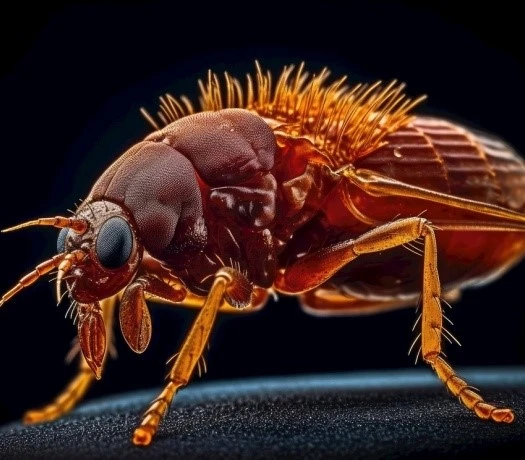
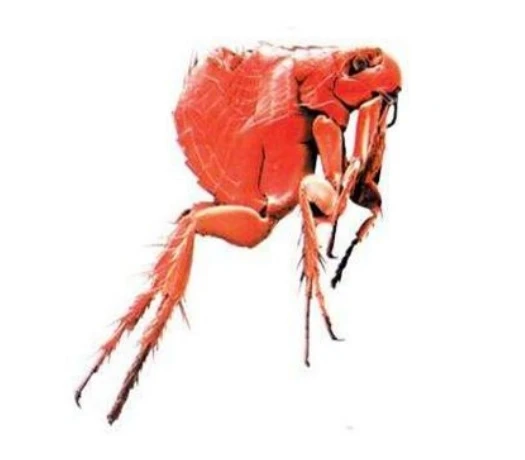
Any flea that completes its life cycle from these environmental reservoirs is immediately exposed to the residual action of compound fipronil on the host animal when it attempts to feed. This establishes a continuing barrier that inhibits the cycle of reinfestation at its most vulnerable stage, freshly emerging adult fleas seeking their first blood meal.
Multi-Pet Household Considerations
If you have more than one dog or cat in your home, you are at a higher risk of reinfestation since fleas may migrate from one pet to another and can breed on many hosts at the same time. Veterinary counsel normally suggests treating all family pets at the same time when using fipronil-based medications,
as treating just certain pets provides gaps that enable flea populations to survive on untreated animals. The best way to control fleas in the long run is to treat all pets consistently and to control the environment by frequent vacuuming and cleaning of bedding, rather than treating a single animal in isolation.
Conclusion
Flea eggs are the hidden majority in every infestation, and getting rid of them means doing more than just a superficial treatment. Compound fipronil drops function via residual contact, environmental dispersal and reproductive suppression to halt the flea life cycle at many places at once. From reduced hatch viability to decreasing egg production in surviving fleas, this technique provides a tiered strategy against one of the most persistent pest challenges pet owners confront. Understanding these factors helps in managing treatment expectations and stresses the need for adherence and treating the entire family.
Frequently Asked Questions
1. Do compound fipronil drops kill flea eggs directly?
+
-
Fipronil is not a true ovicide, but residues passed to eggs during laying have a strong negative impact on hatch viability, resulting in the same effect as direct egg killing in practice.
2. How long does it take for fipronil to reduce a flea population?
+
-
Most families will observe a significant decrease in four to six weeks. This is because the compound has to contend with overlapping life stages like as eggs, larvae and pupae which are already there.
3. Why do fleas still appear after treatment begins?
+
-
Pupae are protected from chemical exposure by their cocoon. Adults emerging from existing pupae may be present momentarily, but will be confronted with fipronil residues immediately after emergence.
Partner With Bloomtechz for Reliable Compound Fipronil Drops Supply
Bloomtechz has over 10 years experience in synthesis of organic compounds and fine chemicals manufacture serving pharmaceutical firms, research institutes and specialty chemical customers worldwide. Our GMP accredited manufacturing facility is recognized by US-FDA, EU and CFDA inspection organizations. Every batch is triple verified for quality criteria. We are a compound fipronil drops supplier, with fair pricing, reliable lead times and complete paperwork assistance for hassle-free customs clearance. Need big amounts for formulation or smaller research batches? Our ordering procedure is managed via ERP to keep your project on time. For any sourcing needs, please reach out to our team at Sales@bloomtechz.com and we would provide you with a full price as per your requirements.
References
1. Rust, Michael K. "Advances in the Control of Ctenocephalides felis, the Cat Flea." Current Opinion in Insect Science, 2017.
2. Dryden, Michael W., and Payne, Patricia A. "Biology and Control of Fleas on Dogs and Cats." Compendium on Continuing Education for the Practicing Veterinarian, 2005.
3. Cole, Lester M., Nicholson, Robert A., and Casida, John E. "Action of Phenylpyrazole Insecticides at the GABA-Gated Chloride Channel." Pesticide Biochemistry and Physiology, 1993.
4. Rust, Michael K., and Dryden, Michael W. "The Biology, Ecology, and Management of the Cat Flea." Annual Review of Entomology, 1997.
5. Blagburn, Byron L., and Dryden, Michael W. "Biology, Treatment, and Control of Flea and Tick Infestations." Veterinary Clinics of North America: Small Animal Practice, 2009.
6. Franc, Michel, and Cadiergues, Marie-Christine. "Use of Imidacloprid and Fipronil for Flea Control in Domestic Carnivores." Parasite, 2002.