


Fleas infestations seldom ever remain limited to adult fleas you can see on the cat's coat. Eggs and larvae lie under the surface, in beds, carpets and dark corners, waiting to turn into the next generation of pests. Understanding the action of compound fipronil drops on these hidden life stages helps pet owners and purchasing teams see more clearly why this formulation continues to be a standard in parasite management. The drops include fipronil and growth regulators like methoprene for a one-two punch on adult fleas and larval development. This article looks at how this happens, what methoprene does to the growth hormones, and why it's important to get a reputable compound fipronil drops provider for consistent product performance. Whether you make pet care products or market veterinarian formulations, this breakdown gives you practical insight into the science that underlies efficient flea management.
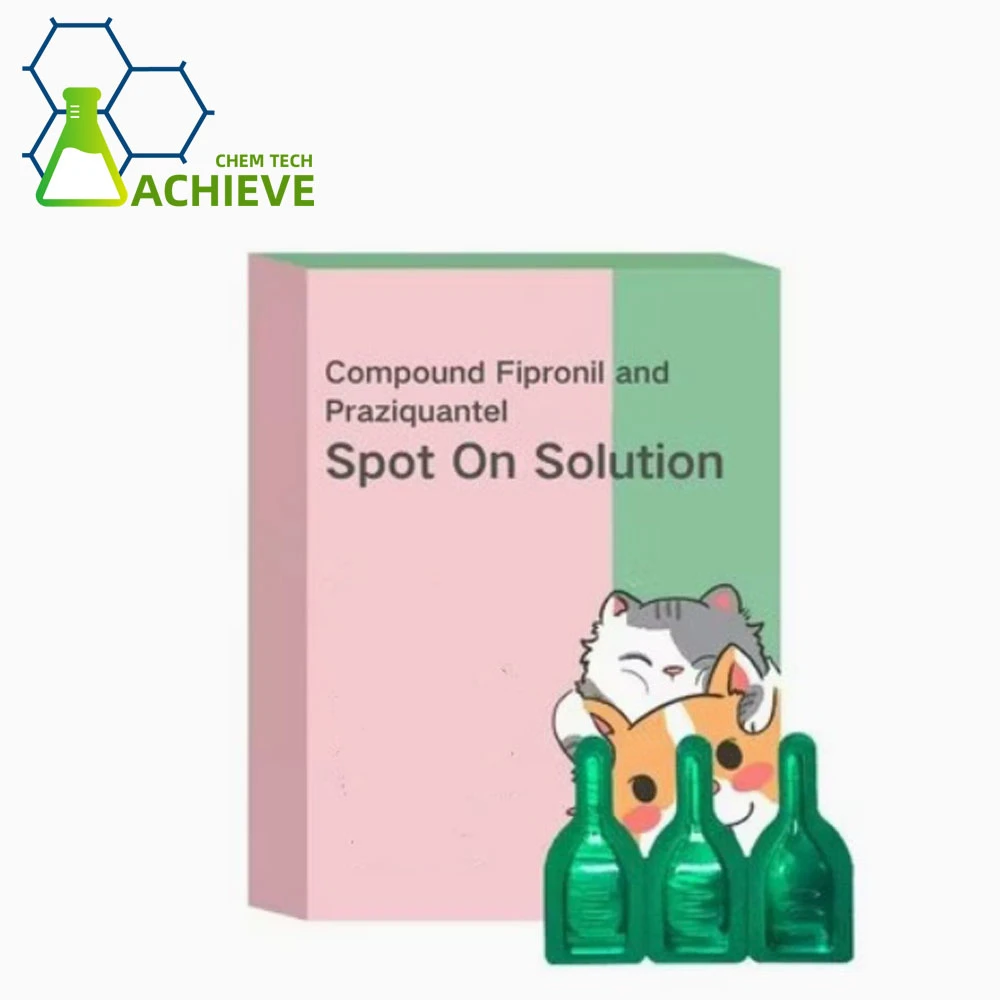
Compound Fipronil And Praziquantel Spot On Solution
1.General Specification(in stock)
(1)Solution
2.Customization:
We will negotiate individually, OEM/ODM, No brand, for secience researching only.
Internal Code: BM-9-022
Compound Fipronil and Praziquantel Spot On Solution
Main market: USA, Australia, Brazil, Japan, Germany, Indonesia, UK, New Zealand , Canada etc.
Manufacturer: BLOOM TECH Xi'an Factory
Analysis: HPLC, LC-MS, HNMR
Technology support: R&D Dept.-4
How Does Methoprene in Compound Fipronil Drops Disrupt Flea Larval Growth?
Methoprene belongs to a family of chemicals known as juvenile hormone analogues. This substance is included in fipronil drops. It imitates a natural hormone in flea larvae. They need this hormone in certain doses to pass through their developmental phases. Methoprene saturates the larval system at the incorrect moment, upsetting the delicate hormonal balance needed for proper development.
The Role of Juvenile Hormone Mimicry
Juvenile hormone maintains flea larvae in the immature state until circumstances are appropriate for transformation. Methoprene tricks the larval body into believing that hormone levels are still high when they should be dropping. This misleading signal inhibits the larva from correctly undergoing the pupal stage. Instead of evolving into a biting adult, the insect is stuck in an aberrant stage of development, which finally prevents it from going any farther.
Why Larvae Cannot Develop Resistance Easily
Unlike many pesticides that target receptors in the nervous system,

methoprene interferes with a hormonal route that fleas have not developed significant resistance mechanisms against."In many flea populations this hormone interference strategy still works well . That is why it is a reliable ingredient in compound fipronil drops . "Growth regulators tend to be more persistent than some neurotoxic compounds because the mode of action is fundamentally different from traditional adulticides," say pest management experts.
Timing Matters for Larval Vulnerability
Flea larvae possess three instars before pupating, and susceptibility to methoprene exposure varies somewhat each instar.Early instar larvae are more effective in taking up the chemical via their fragile cuticle,
while longer exposure times may be needed for later stage larvae.It's this unpredictability that makes constant administration and precise dose so important when designing flea medications. Those manufacturers that grasp these intricacies may better tune product concentrations to maximise disruption of larvae without wasting active ingredient.
Compound Fipronil Drops and Insect Growth Regulation: Understanding Methoprene's Role
Insect growth regulators have a special place in pest control since they do not kill insects via poisoning. Instead, they mess with the developmental plan that insects use to become adults. An example of this method in the chemical fipronil drops is methoprene, which acts on mechanisms peculiar to arthropod life.
Distinguishing Growth Regulators from Neurotoxins
In adult fleas fipronil blocks the chloride channels in the insect nervous system, producing overstimulation and then paralysis. Methoprene works via a completely different route. It does not harm nerves in any way. Instead it disrupts the endocrine signalling that controls moulting and metamorphosis. This separation of processes implies that any larvae in the environment are still exposed to the growth-disrupting effects of methoprene, even if an adult flea somehow tolerates exposure to fipronil.
Mammalian Safety Through Biological Specificity

Methoprene has a favourable safety record when used according to label recommendations since humans and companion animals do not have the hormonal receptors that are targeted by this drug.
Juvenile hormone analogues are particular to arthropod physiology, making them intriguing candidates for inclusion in veterinary formulations. Methoprene has been carefully studied by regulatory bodies such as the Environmental Protection Agency, and classed as low toxicity concern for animals when given topically in the modest amounts seen in flea treatments.
Synergy Between Two Active Ingredients
Layered protection that single-ingredient solutions can't match:
fipronil plus methoprene .The fipronil works on the nervous system to incapacitate adult fleas that come into contact with the treated animal and the methoprene works hormonally on any eggs or larvae in the surroundings. This two-pronged technique attacks the flea population at two different periods in its life cycle, making it less likely that any one generation would completely escape treatment. When formulators collaborate with a skilled compound fipronil drops supplier, they may get raw ingredients that preserve this synergistic balance consistent throughout manufacturing batches.
How Do Compound Fipronil Drops Interrupt the Development of Flea Eggs and Larvae?
The eggs and larvae of the flea are the silent, unseen bulk of any infection. In fact , studies in veterinary parasitology research show that eggs and larvae may make up a large fraction of the overall flea population in an infected environment , considerably outnumbering the adults that are spotted on a cat . "It is important to manage these latent phases for sustained management.
Contact Transfer Through Grooming Behavior
When the cat grooms itself and moves normally, the active elements in compound fipronil drops are delivered by the sebaceous glands and distributed throughout the coat of a cat. The animal either lies down in bedding or walks about the residence and the compound is deposited on surfaces where eggs often fall. Fipronil that builds up on bedding fibres might damage larvae that hatch nearby, disrupting their eating behaviour before they reach maturity.
Ovicidal Pressure on Flea Eggs
Methoprene is largely effective against the larval stage, but also applies pressure on the unhatched eggs.
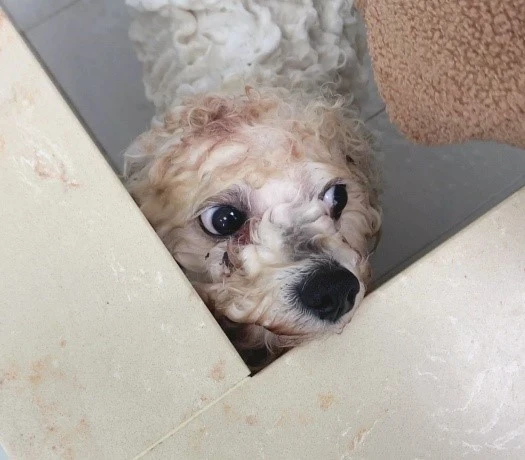
Juvenile hormone analogues are able to interfere with embryonic development within the egg case, therefore decreasing the fraction of eggs hatching into viable larvae. This impact adds to the advantage of larval disruption, as fewer eggs reaching the hatching stage implies fewer larvae for the growth regulator to deal with later.
Environmental Persistence and Residual Activity
One of the benefits of topical preparations is the progressive pattern of release. Unlike traditional fipronil drops, which may be gone within hours, compound fipronil drops keep active residue on the animal's coat and surrounding resting regions for longer periods of time.
This Persistence implies that larvae hatching a number of days after first treatment are still exposed to concentrations of methoprene and fipronil high enough to cause developmental disruption. This prolonged activity has been reported in the veterinary dermatological literature to be more successful in breaking the reproductive cycle than therapies that provide merely transient contact exposure.
Flea Life Cycle Disruption with Compound Fipronil Drops: From Egg Hatching to Adult Emergence
The life cycle of a flea from egg to biting adult is often several weeks, however environmental factors such as humidity and temperature may make this cycle much shorter or longer. Each level has a separate weakness to be exploited by the fipronil drops.
Egg Stage Vulnerabilities
Female fleas lay eggs that typically drop from the host animal to carpets, furniture and bedding. These eggs are non-sticky and are spread across a large dwelling area. Eggs have a protective shell but any leftover methoprene in the environment might still lower hatch rates. Upstream benefits are achieved throughout the subsequent life phases by reducing viable hatchlings at this first life period.
Larval Feeding and Molting Interruption
Once born, larvae shun light and burrow into carpet fibres or dirt, feasting on organic detritus and adult flea faeces.
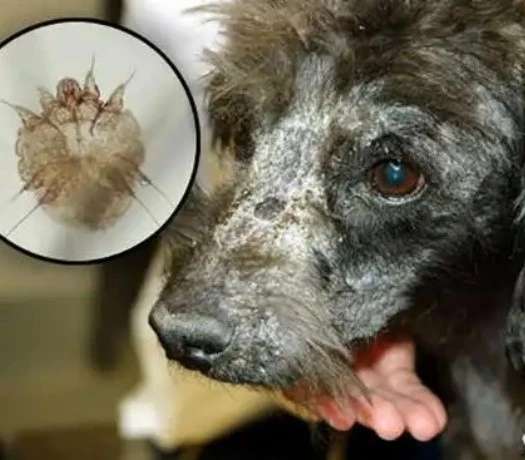
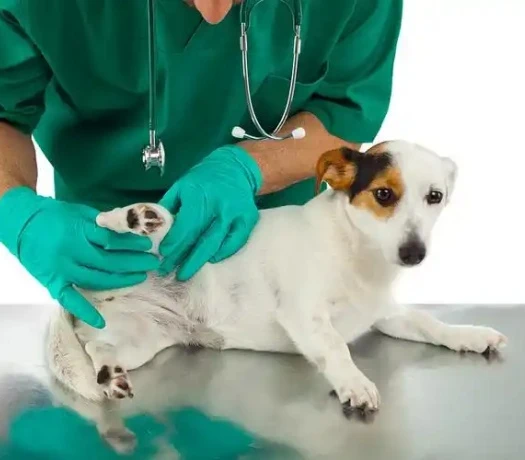
During this time the larvae have to moult twice before they reach the pupal stage.Methoprene exposure during these moults interferes with the hormonal signals essential for proper transitions. Development into adults is generally arrested in larvae exposed to high doses, since they often fail to complete their metamorphosis.
Pupal Resistance and Why Timing Matters
The pupae are a real problem, since the cocoon gives a lot of protection from any chemicals from outside. Treatment regimens are designed to be used consistently and repeatedly, not just once. Compound fipronil drops keeps methoprene and fipronil in the environment for many weeks , increasing the chance of collecting larvae before they pupate .
Trying to pierce the cocoon stage is like trying to penetrate a more tough cocoon stage .
Adult Emergence and the Cycle Restart Point
Adult fleas that do emerge from pupae still meet fipronil residue on treated animals, which tackles the last step of the cycle. This wide coverage during egg, larval and adult stages explains why combination solutions tend to function better than single-mechanism treatments for long-term control of infestations. Treating at various intervals inhibits the population recovery that typically happens when only adult fleas are treated.
How Do Compound Fipronil Drops Help Reduce New Flea Generations in Cats' Living Environments?
Treating just one cat is just half of the answer to an infestation problem. The eggs and larvae that will become the next generation of biting adults are in the living environment itself includes carpets, furniture and bedding.
The management of the environment by drops of compound fipronil involves multiple interrelated processes.
Transfer and Distribution Across Resting Areas
Treated cats will leave trace quantities of active ingredient on the surfaces they commonly come into touch with as they go throughout the living area. Residual compound accumulates over time on sleeping areas, favourite furnishings and well-traveled walkways. This slow spread means that the larval stage has a larger region of disturbance, beyond the immediate body surface of the animal, trapping growing fleas in locations that the cat visits repeatedly.
Breaking the Reinfestation Feedback Loop
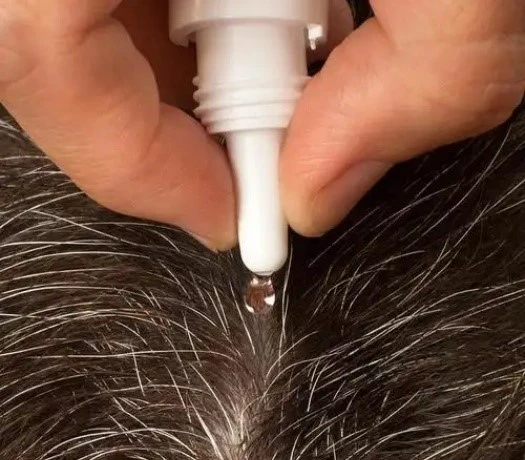

Adult fleas on a cat continue to lay eggs that fall off into the environment,hatch into larvae, develop into pupae, and come out as new adult fleas that reinfest the host.This feedback loop may fuel an infestation forever. The methoprene disrupts the development of larvae. The fipronil kills the adult fleas. Once your cat is treated, it will no longer contribute to the cycle by adding new generations. The fleas in the environment will eventually die out over the next several weeks.
Supporting Household-Wide Flea Management
Veterinarians often advise treating all the animals in a home at once, since fleas may travel from animal to animal and from one part of the house to another.
Regular treatment of all cats with appropriately prepared compound fipronil drops accelerates the environmental clean-up by reducing egg laying and larval survival significantly more efficiently than treating a single animal.In addition to topical therapy, frequent vacuuming and washing of bedding decreases the larval reservoir that hides in household fabrics.
Long-Term Population Suppression
Repeated monthly application keeps a constant pressure on each new generation of eggs and larvae, thereby avoiding the population resurgence commonly seen with a single-treatment strategy.
This constant suppression is one reason why regular, periodic application schedules are often more effective than occasional therapy in attaining persistent flea control in multi-pet homes.
Conclusion
Compound fipronil drops treat flea infestations using a tiered approach that targets adult insects and juvenile stages at the same time. Methoprene affects the hormonal signals necessary for the correct growth of larvae and fipronil impairs the nervous system function of adult fleas. All these processes together disrupt the reproductive cycle at various stages, which decreases egg viability, larval survival and adult emergence. This comprehensive strategy is shown in the continued use of combination products for veterinary parasite control. Understanding the science that underlies it helps firms who create or source these formulations to achieve greater quality control and more effective end solutions for consumers dealing with flea infestations in the home environment.
Frequently Asked Questions
1. Does methoprene in compound fipronil drops affect cats directly?
+
-
Methoprene targets hormone receptors that are only found in insects . It does not do this in mammals . It may be used topically to cats if prepared right .
2. How long does it take for compound fipronil drops to disrupt flea larvae?
+
-
When enough residues build in the environment, the larval disruption occurs. However, total suppression of a flea population usually needs several weeks of continuous treatment to cover overlapping life cycle phases.
3. Can compound fipronil drops eliminate flea eggs already present in carpets?
+
-
Residual methoprene may decrease hatching success for eggs treated with the substance, however full cleaning combined with treatment increases overall efficacy against established egg reservoirs.
Partner with Bloomtechz for Reliable Compound Fipronil Drops Supply
With more than 10 years of expertise in synthesis of organic compounds, Bloomtechz specialises in the manufacturing of pharmaceutical intermediates and speciality chemicals and is GMP certified by regulatory agencies in the US, EU, Japan and China. Our three-step quality verification procedure includes factory testing, internal QA/QC review and third-party authority analysis to assure consistent raw material performance for formulators designing flea control solutions. As a renowned compound fipronil drops supplier, we provide open pricing structures and exact ERP controlled lead times so your production plan remains predictable. Whether you require bulk quantities or specialised synthesis help, our team provides solid sourcing options. Call Sales@bloomtechz.com now to discuss your project needs and learn how our production capabilities will help you to achieve your pet care formulation objectives.
References
1. Rust, Michael K. "Advances in the Control of Ctenocephalides felis, the Cat Flea." Current Opinion in Insect Science, 2017.
2. Dryden, Michael W., and Patricia A. Payne. "Biology and Control of Fleas on Companion Animals." Veterinary Clinics of North America: Small Animal Practice, 2009.
3. Olsen, Anna, et al. "Juvenile Hormone Analogs in Integrated Flea Management." Journal of Medical Entomology, 2015.
4. Franc, Michel, and Jacques Cadiergues. "Comparative Efficacy of Topical Flea Treatments in Domestic Cats." Parasite, 2014.
5. Hinkle, Nancy C., et al. "Flea Life Cycle and Environmental Management Strategies." Journal of Economic Entomology, 2011.
6. Bossard, R. L., et al. "Insecticide Resistance Mechanisms in Ctenocephalides felis." Pest Management Science, 2002.