


Fleas and ticks remain one of the toughest challenges to companion animal health globally and pet owners are always seeking reliable treatments that work fast and are safe. Thefluralaner tablet is now considered a prominent oral alternative for the management of these ectoparasites and it has a different mode of action than prior topical therapies. Understanding how this substance affects the neural systems of fleas, ticks and mites goes a long way to explaining its popularity with veterinarians and other pet care experts. This article describes the biological process of fluralaner from intake by the host animal to the ultimate paralysis and death of the target parasite. Readers will walk away with a solid sense of the science that underlies this isoxazoline-class chemical and why it is so important to get a dependable, quality-tested supply for anybody engaged in veterinary product manufacture or distribution.
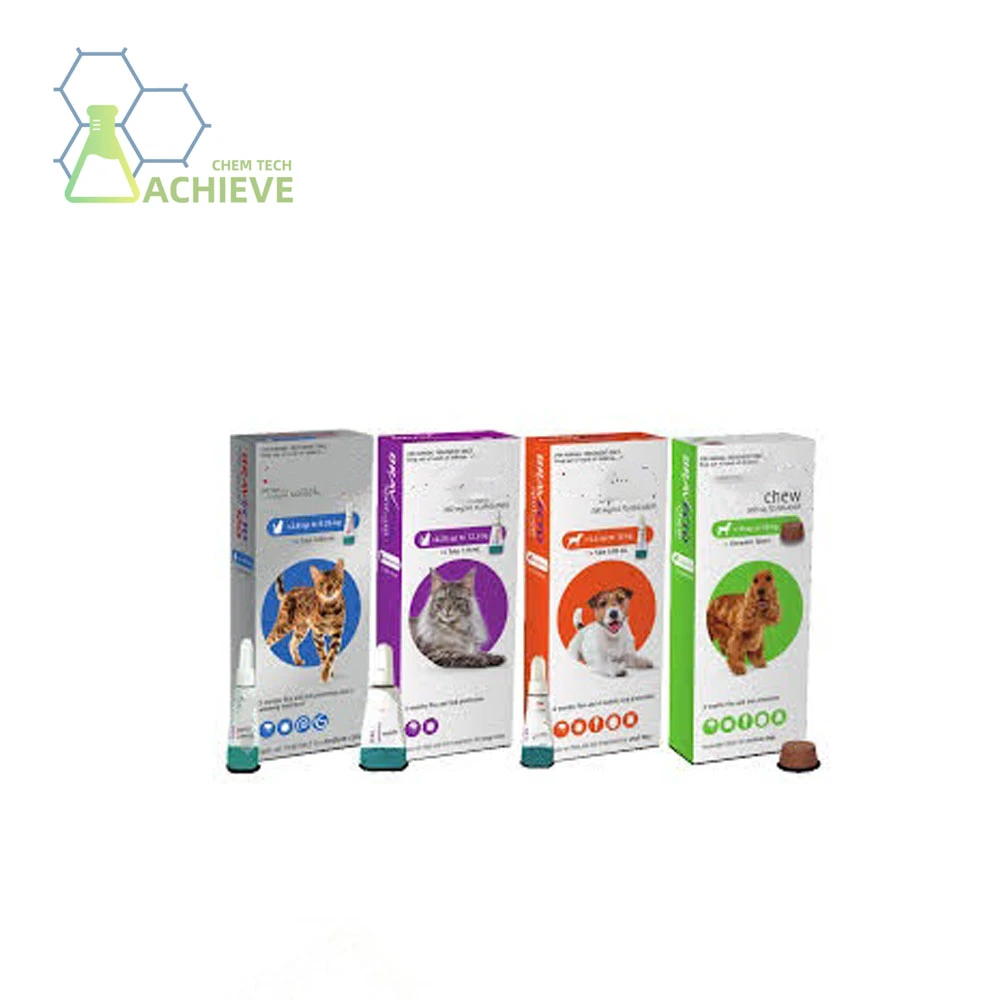
Fluralaner Tablet
1.General Specification(in stock)
(1)Solution
(2)Tablet
(3)Injection
(4)Spray
(5)Drops
2.Customization:
We will negotiate individually, OEM/ODM, No brand, for secience researching only.
Internal Code:BM-2-079
Fluralaner CAS 864731-61-3
Main market: USA, Australia, Brazil, Japan, Germany, Indonesia, UK, New Zealand , Canada etc.
Manufacturer: BLOOM TECH Xi'an Factory
Analysis: HPLC, LC-MS, HNMR
Technology support: R&D Dept.-4
How Does Fluralaner Tablet Target Flea and Tick Neural Receptors?
Parasite control solutions take use of biochemical variations between the host animal and the invading parasite. One of the most obvious distinctions available is the shape and placement of nervous system receptors, and this is exploited by the fluralaner tablet. Fleas, ticks and mites rely on a precisely calibrated network of electrical signals to migrate, eat and reproduce. Their existence is very instantly disrupted by cutting off that network.
Understanding GABA-Gated Chloride Channels
GABA, or gamma-aminobutyric acid, is an inhibitory neurotransmitter in several invertebrates. When GABA attaches to its receptor, chloride ions enter into the cell. This is usually how nerve transmission is kept orderly. Fluralaner binds to this receptor site, but in such a manner that it keeps the chloride channel open all the time. The constant influx of ions overstimulates the neuron . This leads to excessive and uncontrolled firing of the nerve, rather than the usual regulation .
Why Insects and Ticks Are Uniquely Vulnerable
GABA receptors of arthropods have a different structure compared to those of mammals.
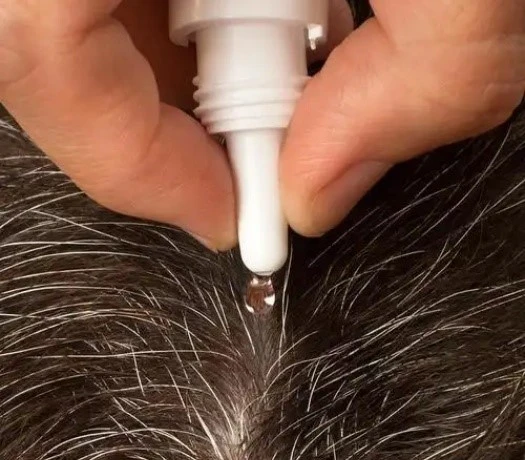

Fluralaner has a strong affinity for the invertebrate form of this receptor and is much less attracted to the mammalian equivalent. This structural mismatch is one of the reasons why the chemical may be given safely to dogs and cats but is still fatal to fleas and ticks feeding on them.
The Role of Nerve Signal Overload
When the chloride channels are stuck in the open state, the parasite's nervous system can't reset between signals, effectively. Muscles that need simultaneous firing of nerves begin to quiver erratically, and the parasite loses coordinated movement within hours.This rapid start of neurological disruption is part of the reason for the fast kill rates seen after a single dosage of product.
Published laboratory studies indicate that more than 98 percent of fleas are killed within twelve hours of exposure. The speed of this procedure also minimizes the window of opportunity for fleas to transfer secondary organisms such as Dipylidium caninum , therefore minimizing wider health concerns to the host animal .
Fluralaner Tablet and Its Dual Action on Arthropod Chloride Channels
Much of the action found with the fluralaner pill comes from the binding to GABA receptors although the molecule does not depend on one route alone. We know that isoxazoline molecules operate on two different but related chloride channel systems which is beneficial in terms of both potency and resistance management.
Glutamate-Gated Chloride Channel Interference
In addition to GABA receptors, many arthropods have glutamate-gated chloride channels, which mammals lack. Fluralaner tablet also attaches to this second kind of receptor, again causing continuous chloride inflow. Invertebrate motor neurons depend on glutamate-gated channels, therefore this second action adds to the neurological disturbance already occurring with GABA receptor binding.
Why Dual-Channel Action Matters for Resistance Prevention
Sometimes the parasites that have a genetic mutation on one kind of receptor survive exposure to single mechanism chemicals.

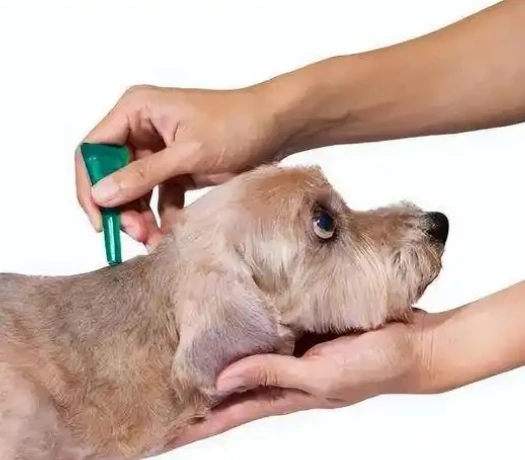
The simultaneous interaction of fluralaner with two different chloride channel systems results in a significant reduction in the risk of resistance development in a flea or tick population by a single mutation. The dual method is one reason why veterinary experts have pointed to isoxazoline chemicals as a significant breakthrough compared with previous organophosphate or pyrethroid-based therapies, which tended to work via a single target site.
Comparing Chloride Channel Targets Across Species
The central nervous systems of mammals also include GABA receptors , but they are protected by the blood-brain barrier - a protective filter that controls what chemicals can get through to brain tissue .
Glutamate-gated chloride channels are almost absent from vertebrate biology, adding an extra layer of selective targeting to fluralaner. Together with the dispersion of the receptors and protection by the barriers, the pill may still be effective against the parasites feeding on the blood stream without similar neurological consequences in the host dog or cat." This selectivity has been cited frequently as the basis for the excellent safety margin of the medicine in companion animals (veterinary toxicity evaluations).
How Does Oral Fluralaner Tablet Reach Parasites Through the Host's Bloodstream?
There is a certain route that a dog or cat must take while swallowing a pill before it can ever reach a flea or tick that is feeding. And it is this process of absorption and dispersion that is the essential difference between systemic parasiticides and topically administered surface therapies.
Gastrointestinal Absorption and Fat Solubility
Fluralaner is a lipophilic molecule, therefore it dissolves easily in fats, but not in water. Following oral treatment, the chemical is absorbed across the intestinal epithelium into the systemic circulation. Pharmacokinetic studies have shown that the pill is better absorbed with a meal, since the fat in the food helps to dissolve the drug and get it into the blood stream .
Distribution Throughout the Host's Body
After absorption, fluralaner is distributed in the circulation and into peripheral tissues,
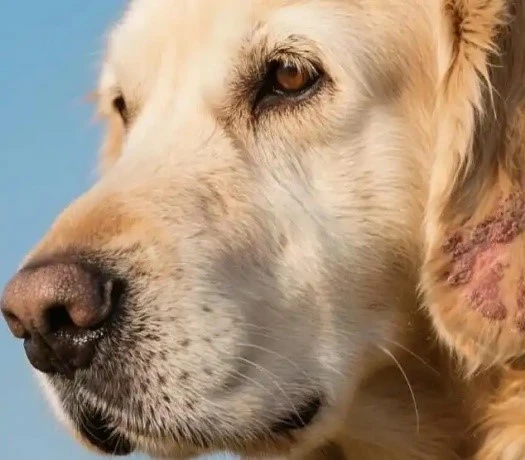
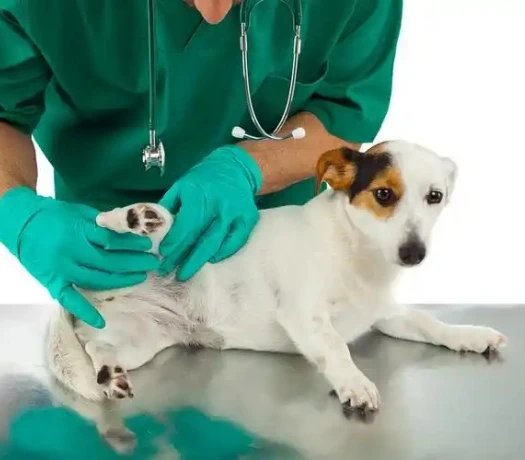
including the skin layer where fleas and ticks usually adhere and feed.Controlled study plasma concentration findings suggest that therapeutic levels may be maintained for lengthy periods of time, consistent with the prolonged duration of flea and tick control associated with a single dosage. It's this ongoing circulation that plays into the product's reputation for giving weeks of continual protection, not just a moment of activity.
Parasite Exposure Through Blood Feeding
Fleas and ticks only get the compound when they bite and take in blood from the treated animal. An important aspect of systemic antiparasitic activity is that the parasite must feed to be able to be exposed.
The compound does not need to come into direct contact with the pet's hair or skin surface to be effective. As fluralaner is already circulating at effective quantities at the moment of attachment, the interval between a bite and the start of paralysis is surprisingly brief. This feeding-dependent exposure also explains why systemic medicines such as fluralaner often work well even after bathing or swimming, but topicals applied to the hair coat may be less effective.
Fluralaner Tablet Receptor Binding and Selective Parasite Targeting
The selectivity of the fluralaner pill is the key to its safety and efficacy. The variations in binding affinity between parasite and mammalian receptors account for this molecule's popularity in a variety of veterinary applications.
Binding Affinity and Receptor Site Specificity
In laboratory binding studies, fluralaner tablet showed a far higher affinity to the arthropod GABA receptor than to the mammalian variety. This difference in binding affinity implies that, at the therapeutic levels employed in dogs and cats, the chemical will preferentially bind to parasite receptor sites rather than to those located in host brain tissue. The selectivity ratio shown in the pharmacological tests is one of the data points included in the regulatory filings supporting the allowed use of the medicine in companion animals.
Species-Specific Pharmacology
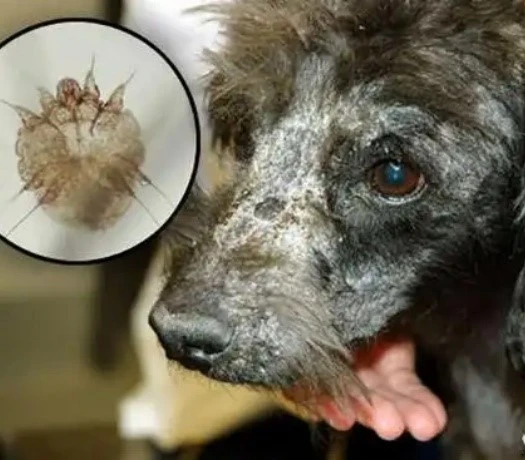

The similarity of the receptor across different parasite species, including different genera of fleas and different kinds of ticks (e.g., Ixodes scapularis and Rhipicephalus sanguineus), is sufficient for one compound to cover a wide range of infestations. This cross-species action is part of the reason why fluralaner has been used against not only fleas and ticks, but also several mite species that cause mange and ear infections in dogs and cats.
Blood-Brain Barrier Protection in Mammals
Mammalian central nerve tissue is physically isolated from the general circulation by the blood-brain barrier: a selectively permeable membrane structure of firmly connected endothelial cells.
The molecular size and polarity of fluralaner restrict its effective passage over this barrier,decreasing the chance of exposure to the central nervous system in treated cats. Parasites are completely lacking in this protective layer and their nervous tissue is immediately exposed to the circulating molecules of fluralaner in the blood meal. The anatomical contrast, together with the receptor binding selectivity outlined above, gives scientific rationale for defining fluralaner as a targeted rather than generically harmful chemical.
From Fluralaner Tablet Absorption to Parasite Neuromuscular Paralysis
The full scenario from eating a pill to the eventual failure of a parasite's nervous system ties all the mechanisms we have spoken about so far into one cohesive biological story.
The Timeline of Neurological Disruption
Fluralaner is absorbed into the circulation and reaches therapeutic levels in peripheral tissue within hours after consumption. If a flea or tick starts to feed at this time, the chemical will be consumed with the blood. Fluralaner binds fast to GABA and glutamate-gated chloride channels inside the parasite, keeping them open and causing uncontrolled discharge of neurons. Observable effects, such as lack of coordinated movement, are often seen within a few hours, whereas death rates for fleas rise substantially by the twelve-hour mark.
Muscle Paralysis and Parasite Mortality
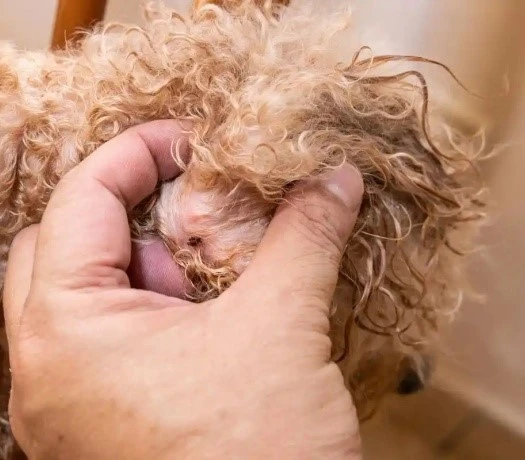

Continuous activation of chloride channels will ultimately lead to a hyperexcitation state followed by a paralysis ,as the neuromuscular connections regulating the parasite 's limbs and mouthparts can no longer operate in a coordinated manner . Fluralaner-exposed ticks exhibit lower attachment strength and feeding capacity long before death, hence decreasing the likelihood of disease transfer during the short interval between attachment and detachment. The sequence of paralysis followed by death is similar among the several arthropod species targeted by fluralaner, indicating a common dependence on GABA and glutamate transmission throughout the group.
Clinical Relevance of the Paralysis Mechanism
In practical terms, this technique results in a product that is sufficiently fast acting to disrupt disease transmission cycles.Most tick-borne infections need a certain amount of time attached and eating before they can be transmitted to the host . A chemical that renders the tick's feeding mechanism useless within hours might have a significant protective utility . This chronology has been used in veterinary parasitology literature to support recommendations for using fluralaner within integrated flea and tick control programs, especially in places with high seasonal parasite burden.
Conclusion
The scientific basis for the fluralaner tablet is a precisely targeted approach that is dependent on receptor selectivity, interruption of a double chloride channel, and a bloodstream delivery method that gets to the parasites where they feed. Each stage, from absorption in the stomach to paralysis inside the flea or tick nervous system, represents decades of isoxazoline chemistry and arthropod neurobiology study. The rapidity, selectivity and persistent action explain the frequent mention of fluralaner in veterinary parasite control debates. For manufacturers, distributors and research teams assessing active pharmaceutical ingredients, a solid grasp of this mechanism offers a good basis for choices related to product development and quality assurance going ahead.
Frequently Asked Questions
1. Does fluralaner tablet affect a dog's or cat's own nervous system?
+
-
Fluralaner has substantially lower binding affinity for mammalian GABA receptors than for arthropod receptors and the blood-brain barrier also restricts exposure of the central nervous system in treated pets, consistent with the known safety profile.
2. How quickly does fluralaner tablet begin killing fleas after a dose?
+
-
More than 98 percent of fleas are reported killed in twelve hours after injection and elimination is usually complete in 48 hours.
3. Why does fluralaner tablet work on ticks and mites in addition to fleas?
+
-
Many species of arthropods have GABA and glutamate-gated chloride channels that are physically identical, enabling one substance to alter nervous system function in fleas, ticks and certain species of mite.
Work With Bloomtechz: Your Trusted Fluralaner Tablet Supplier
For every batch of fluralaner tablet made at our Xi'an plant, Bloomtechz contributes more than a decade of organic production and GMP-certified manufacturing capacity. We have a triple layer quality verification method, factory testing, internal QA/QC review, and third party authority analysis to ensure that every shipment matches the standards that are stated in your contract. We provide a full refund guaranty on any unqualified item. We are a certified supplier to 24 multinational pharmaceutical and R&D companies. We provide fair pricing, precise lead times and thorough paperwork for seamless customs clearance. Partner with a reliable Fluralaner Tablet Supplier that takes every inquiry as a legitimate order from day one. You may also contact our staff directly at Sales@bloomtechz.com to talk about your sourcing needs.
References
1. European Medicines Agency Committee for Medicinal Products for Veterinary Use. Assessment Report on Isoxazoline-Class Ectoparasiticides.
2. Gassel, M., Wolf, C., Noack, S., Williams, H., and Ilg, T. The Novel Isoxazoline Ectoparasiticide Fluralaner: Selective Inhibition of Arthropod Gamma-Aminobutyric Acid and Glutamate-Gated Chloride Channels. Insect Biochemistry and Molecular Biology.
3. Rohdich, N., Roepke, R.K., and Zschiesche, E. A Randomized, Blinded, Controlled and Multi-Centered Field Study Comparing the Efficacy and Safety of Fluralaner Against Fleas and Ticks in Dogs. Parasites & Vectors.
4. Walther, F.M., Allan, M.J., Roepke, R.K., and Nuernberger, M.C. Safety of Fluralaner Chewable Tablets in Dogs After Oral Administration. Parasites & Vectors.
5. Taenzler, J., Liebenberg, J., Roepke, R.K., and Heckeroth, A.R. Prevention of Rhipicephalus sanguineus Tick Transmission of Ehrlichia canis to Dogs by Fluralaner. Parasites & Vectors.
6. Shoop, W.L., Hartline, E.J., Gould, B.R., and colleagues. Discovery and Mode of Action of Afoxolaner, A New Isoxazoline Parasiticide for Dogs. Veterinary Parasitology.