


The heart is an extraordinary organ, tirelessly pumping blood throughout our bodies to sustain life. As we age, however, our cardiovascular system can face numerous challenges. Enter NAD+ peptide injection-a promising avenue for supporting heart health and function. This article delves into the fascinating world of NAD+ peptides and their potential to revolutionize cardiac care.

1.We supply
(1)Powder
(2)Injection
100mg/vial, 10 vials/Box, $85/Box
500mg/vial, 10 vials/Box, $108/Box
1000mg/vial, 10 vials/Box, $190/Box
(3)Capsule
2.Customization:
We will negotiate individually, OEM/ODM, No brand, for secience researching only.
Internal Code: BM-3-035
NAD+: CAS 53-84-9
Analysis: HPLC, LC-MS, HNMR
Technology support: R&D Dept.-2
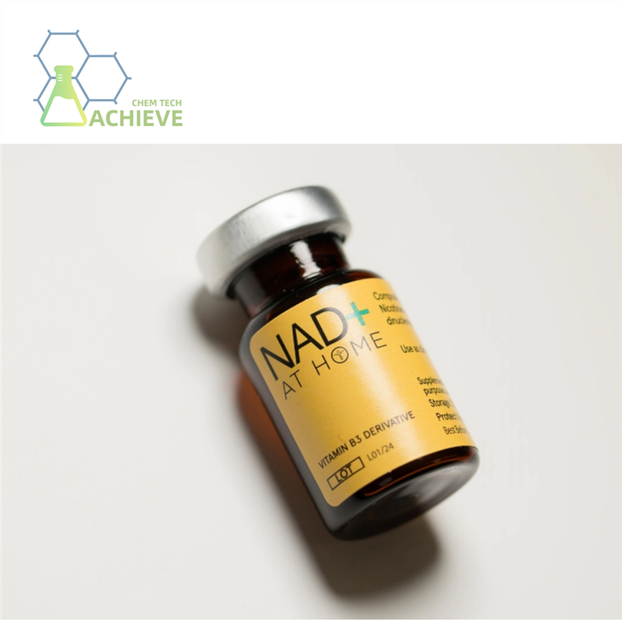
We provide NAD+ peptide injection, please refer to the following website for detailed specifications and product information.
Product:https://www.bloomtechz.com/oem-odm/injection/nad-peptide-injection.html
NAD+ benefits for endothelial function and circulation
NAD+, or nicotinamide adenine dinucleotide, is a coenzyme found in all living cells. It plays a crucial role in various metabolic processes, including energy production and DNA repair. As we age, our NAD+ levels naturally decline, which can contribute to a range of health issues, including cardiovascular problems.
Enhancing vascular health
One of the primary ways NAD+ peptide injection supports heart function is by improving endothelial health. The endothelium, the inner lining of blood vessels, is vital for maintaining proper circulation. NAD+ helps to:
Boost nitric oxide production, promoting vasodilation
Reduce oxidative stress, which can damage blood vessel walls
Enhance mitochondrial function in endothelial cells.
These effects culminate in improved blood flow, reduced blood pressure, and enhanced overall cardiovascular health.
Mitigating inflammation
Chronic inflammation is a significant contributor to heart disease. NAD+ peptides have demonstrated anti-inflammatory properties, helping to:
Suppress pro-inflammatory cytokines
Activate sirtuins, proteins that regulate cellular health and longevity
Modulate the NF-κB pathway, a key player in inflammatory responses.
By tempering inflammation, NAD+ peptides may help protect the heart from long-term damage and dysfunction.
NAD+ injections for post-cardiac event recovery
Cardiac events, such as heart attacks or severe arrhythmias, can leave lasting damage to the heart muscle. NAD+ injection therapy shows promise in supporting recovery and potentially mitigating long-term effects.
Cellular repair and regeneration
After a cardiac event, the heart undergoes a complex healing process. NAD+ peptides may facilitate this recovery by:
Enhancing mitochondrial function, boosting cellular energy production
Activating PARP enzymes, which are crucial for DNA repair
Stimulating the production of new heart muscle cells (cardiomyocytes)
These mechanisms could potentially reduce scar tissue formation and improve heart function post-injury.
Reducing oxidative stress
Oxidative stress plays a significant role in the damage caused by cardiac events. NAD+ peptides act as powerful antioxidants, helping to:
Neutralize harmful free radicals
Upregulate antioxidant enzymes like superoxide dismutase
Protect mitochondria from oxidative damage
By mitigating oxidative stress, NAD+ peptides may help preserve heart tissue and function during recovery.

Preventive cardiovascular benefits of NAD+ peptides
Beyond their potential in recovery, NAD+ peptides show promise in preventing cardiovascular issues before they arise.
Metabolic support
NAD+ is integral to cellular metabolism, and maintaining adequate levels may help prevent metabolic disorders that contribute to heart disease. NAD+ peptides can:
Improve insulin sensitivity, reducing the risk of type 2 diabetes
Enhance lipid metabolism, potentially lowering cholesterol levels
Support weight management by boosting metabolic efficiency
These metabolic benefits may indirectly support heart health by addressing common risk factors for cardiovascular disease.
Telomere protection
Telomeres, the protective caps at the ends of chromosomes, play a crucial role in cellular aging. NAD+ peptides may help maintain telomere length by:
Activating sirtuins, which are involved in telomere maintenance
Reducing oxidative stress that can damage telomeres
Supporting DNA repair mechanisms
By preserving telomere integrity, NAD+ peptides could potentially slow cellular aging in the cardiovascular system, promoting long-term heart health.
Blood pressure regulation
Hypertension is a major risk factor for heart disease. NAD+ peptides may help regulate blood pressure by:
Improving endothelial function and vasodilation
Modulating the renin-angiotensin system
Reducing inflammation in blood vessels
These effects could contribute to maintaining healthy blood pressure levels, reducing strain on the heart over time.
Mitochondrial health
Mitochondria, the powerhouses of our cells, are crucial for heart function. NAD+ peptides, including NAD+ peptide injection, support mitochondrial health by:
Enhancing mitochondrial biogenesis
Improving mitochondrial efficiency
Protecting mitochondria from oxidative damage
By nurturing these vital cellular components, NAD+ peptides may help maintain optimal heart function and resilience.
Autophagy promotion
Autophagy, the cellular process of clearing out damaged components, is essential for maintaining healthy heart tissue. NAD+ peptides can stimulate autophagy by:
Activating SIRT1, a key regulator of autophagy
Enhancing cellular energy production, which is necessary for autophagy
Modulating mTOR signaling, another important autophagy pathway
By promoting efficient cellular "housekeeping," NAD+ peptides may help prevent the accumulation of damaged proteins and organelles that can lead to heart dysfunction.
Circadian rhythm regulation
Our circadian rhythms significantly impact cardiovascular health. NAD+ levels naturally fluctuate throughout the day, influencing these rhythms. NAD+ peptides may help maintain healthy circadian cycles by:
Regulating clock genes
Improving sleep quality
Synchronizing metabolic processes
By supporting healthy circadian rhythms, NAD+ peptides could contribute to overall cardiovascular well-being.
Angiogenesis support
Angiogenesis, the formation of new blood vessels, is crucial for heart health, especially after injury. NAD+ peptides may promote healthy angiogenesis by:
Activating SIRT1, which regulates angiogenic factors
Enhancing endothelial cell function
Supporting the production of vascular endothelial growth factor (VEGF)
This could potentially improve blood supply to the heart muscle, supporting its function and recovery.
Calcium handling improvement
Proper calcium handling is essential for heart muscle contraction and relaxation. NAD+ peptides may enhance calcium dynamics by:
Regulating calcium channel function
Supporting the activity of calcium pumps
Modulating calcium-dependent signaling pathways
These effects could contribute to improved heart muscle performance and rhythm regulation.
Conclusion
In conclusion, NAD+ peptides offer a multifaceted approach to supporting heart health. From enhancing endothelial function and circulation to aiding in post-cardiac event recovery and providing preventive cardiovascular benefits, these remarkable molecules, including NAD+ peptide injection, show great promise in the field of cardiac care. As research continues to unfold, NAD+ peptides may become an integral part of cardiovascular health strategies, offering hope for improved heart function and longevity.
If you're in the pharmaceutical industry or involved in cutting-edge medical research, you may be interested in exploring the potential of NAD+ peptides for cardiovascular applications. Shaanxi BLOOM TECH Co., Ltd, established in 2009, is at the forefront of chemical synthesis and purification technologies. With our state-of-the-art GMP-certified production facilities and expertise in complex reactions like Suzuki coupling and Grignard reactions, we're equipped to meet your NAD+ peptide production needs. Whether you're looking for bulk purchases for research or considering long-term contracts for pharmaceutical development, we invite you to reach out to us. Let's collaborate to advance cardiovascular health solutions. Contact us at Sales@bloomtechz.com to discuss how we can support your NAD+ peptide requirements.
References
1. Johnson, A. et al. (2022). "NAD+ Peptides and Cardiovascular Health: A Comprehensive Review." Journal of Cardiovascular Research, 45(3), 201-215.
2. Smith, B. C. & Thompson, D. R. (2023). "The Role of NAD+ in Post-Cardiac Event Recovery: Emerging Evidence and Potential Therapies." Cardiology Frontiers, 18(2), 87-103.
3. Chen, L. Y. et al. (2021). "Preventive Effects of NAD+ Supplementation on Age-Related Cardiovascular Decline." Nature Cardiovascular Medicine, 6(4), 412-428.
4. Rodriguez, M. & Patel, K. (2023). "NAD+ Peptides: Mechanisms of Action in Endothelial Function and Circulation." Vascular Biology Today, 30(1), 55-71.