


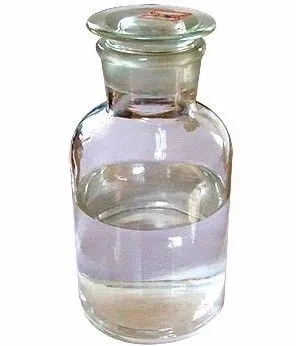
Cinnamyl acetate, a colorless to light yellow transparent liquid, has an elegant blend of sweet balsam, rose, and vetiver aromas, with a balsam aroma but with the scent of hyacinth and jasmine. Miscible with ethanol, chloroform, ether, and most non volatile oils, almost insoluble in glycerol and water. Natural products exist in cinnamon oil, which contains natural products. It is obtained by direct esterification of cinnamyl alcohol and acetic acid. After esterification reaction, the finished product is obtained through neutralization, washing, drying, and vacuum distillation. It has certain chemical stability, but can undergo hydrolysis reactions under strong acid or alkali conditions. It has a light floral and fruity aroma and can be used in spices and cosmetics.
(Product link: https://www.bloomtechz.com/synthetic-chemical/additive/cinnamyl-acetate-cas-103-54-8.html)
Method One - Acid Catalysis Method
The acid catalyzed synthesis of cinnamyl acetate is a commonly used method, and the detailed steps are as follows:
1. Preparation of raw materials: cinnamic acid, ethanol, concentrated sulfuric acid or hydrochloric acid sulfuric acid, catalyst (such as sulfuric acid or hydrochloric acid sulfuric acid), water.
2. Mix cinnamic acid and ethanol in a certain proportion, and add an appropriate amount of concentrated sulfuric acid or hydrochloric acid sulfuric acid as a catalyst.
3. Heat the mixture to a certain temperature and stir for a certain reaction time.
4. After the reaction is completed, pour the reaction solution into water and neutralize the remaining acid with alkaline solution to make the solution neutral.
5. Separate the upper oil layer and dry it with anhydrous sodium sulfate.
6. Filter to remove sodium sulfate and obtain crude cinnamic acetate.
7. Fractionation can be used to refine cinnamyl acetate and obtain high-purity products.
The following is the chemical equation for the acid catalyzed synthesis of cinnamyl acetate:
C6H5-C(O)-CH3 + CH3CH2OH + H2SO4 → C6H5-C(O)-O-CH2CH3 + H2O
Among them, C6H5-C(O)-CH3 represents cinnamic acid, CH3CH2OH represents ethanol, H2SO4 represents sulfuric acid, and C6H5-C(O)-O-CH2CH3 represents cinnamic acetate.
It should be noted that the reaction temperature and time should be strictly controlled during the synthesis process to avoid excessive heating leading to product decomposition or side reactions. At the same time, pay attention to safe operation and avoid direct contact with the skin or inhalation of harmful gases.

Method 2- Alkali catalytic method
The alkaline catalytic method of cinnamyl acetate is a commonly used synthesis method, and the detailed steps are as follows:
1. Preparation of raw materials: cinnamic acid, ethyl acetate, sodium or potassium hydroxide, catalyst (such as sodium or potassium hydroxide), water.
2. Mix cinnamic acid and ethyl acetate in a certain proportion, and add an appropriate amount of sodium hydroxide or potassium hydroxide as a catalyst.
3. Heat the mixture to a certain temperature and stir for a certain reaction time.
4. After the reaction is completed, pour the reaction solution into water and neutralize the remaining alkali with acid solution to make the solution neutral.
5. Separate the upper oil layer and dry it with anhydrous sodium sulfate.
6. Filter to remove sodium sulfate and obtain crude cinnamic acetate.
7. Fractionation can be used to refine cinnamyl acetate and obtain high-purity products.
The following is the chemical equation for the alkaline catalytic synthesis of cinnamyl acetate:
C6H5-C(O)-CH3 + CH3COOC2H5 + NaOH → C6H5-C(O)-O-CH2CH3 + NaCH3COO + H2O
Among them, C6H5-C(O)-CH3 represents cinnamic acid, CH3COOC2H5 represents ethyl acetate, NaOH represents sodium hydroxide, C6H5-C(O)-O-CH2CH3 represents cinnamic acetate, NaCH3COO represents sodium acetate, and H2O represents water.
It should be noted that the reaction temperature and time should be strictly controlled during the synthesis process to avoid excessive heating leading to product decomposition or side reactions. At the same time, pay attention to safe operation and avoid direct contact with the skin or inhalation of harmful gases.

Method 2- Ester exchange method
The ester exchange method of cinnamyl acetate is a commonly used synthesis method, and the detailed steps are as follows:
1. Preparation of raw materials: methyl cinnamate, ethanol, catalyst (such as sulfuric acid or hydrochloric acid sulfuric acid), water.
2. Mix methyl cinnamate with ethanol in a certain proportion and add an appropriate amount of acid catalyst.
3. Heat the mixture to a certain temperature and stir for a certain reaction time.
4. After the reaction is completed, pour the reaction solution into water and neutralize the remaining acid with alkaline solution to make the solution neutral.
5. Separate the upper oil layer and dry it with anhydrous sodium sulfate.
6. Filter to remove sodium sulfate and obtain crude cinnamic acetate.
7. Fractionation can be used to refine cinnamyl acetate and obtain high-purity products.
The following is the chemical equation for the synthesis of cinnamyl acetate through ester exchange method:
C6H5-C(O)-CH3-O-CH3 + CH3CH2OH + H2SO4 → C6H5-C(O)-O-CH2CH3 + CH3OH + H2O
Among them, C6H5-C(O)-CH3-O-CH3 represents methyl cinnamate, CH3CH2OH represents ethanol, H2SO4 represents sulfuric acid, C6H5-C(O)-O-CH2CH3 represents cinnamic acetate, CH3OH represents methanol, and H2O represents water.
It should be noted that the reaction temperature and time should be strictly controlled during the synthesis process to avoid excessive heating leading to product decomposition or side reactions. At the same time, pay attention to safe operation and avoid direct contact with the skin or inhalation of harmful gases.
Lauryl acetate is widely used in the chemical industry as a raw material for organic synthesis. Due to its stable chemical properties, it can participate in various organic synthesis reactions such as ester exchange, addition, and esterification. Therefore, it is often used as a starting material in the preparation of other compounds. Due to its ester based unit being in the allyl position and having better departure properties, this substance is prone to producing allyl metal reagents under the catalysis of transition metals and can participate in various organic conversion reactions. In addition, cinnamic acetate is also used in the manufacture of soap, daily cosmetics, perfume and other products. It can be used as a fragrance enhancer to give products a pleasant aroma. In addition, it can also be used for flavoring. As a perfume component in perfume, this substance is also widely used in the synthesis of fine chemicals. Because of its low toxicity and good chemical stability, it is often used to synthesize advanced chemicals, such as pharmaceutical intermediates, spices and additives.