


Flea infestations are still among the most persistent problems faced by pet owners and knowing the science that underlies successful treatment choices is more important than ever. Decades of study and field experience have made Fipronil spot-on a renowned brand in flea and tick control, delivering a solid treatment. This topical therapy has a specific biological mode of action acting on the nervous system of parasites and is safe for cats and dogs when used as directed. Pet owners, veterinary practices and distributors are still on the look for reliable fipronil spot-on products that work consistently in all temperatures and against all flea species. In this post, we'll take a look at the science that behind fipronil's success, breaking into how it messes with nerves, contact action, how quickly it's absorbed, dispersion via sebum, and how to deal with long-term infestations. Readers will come to appreciate why this phenylpyrazole molecule is a key element in topical parasite control solutions across the globe.
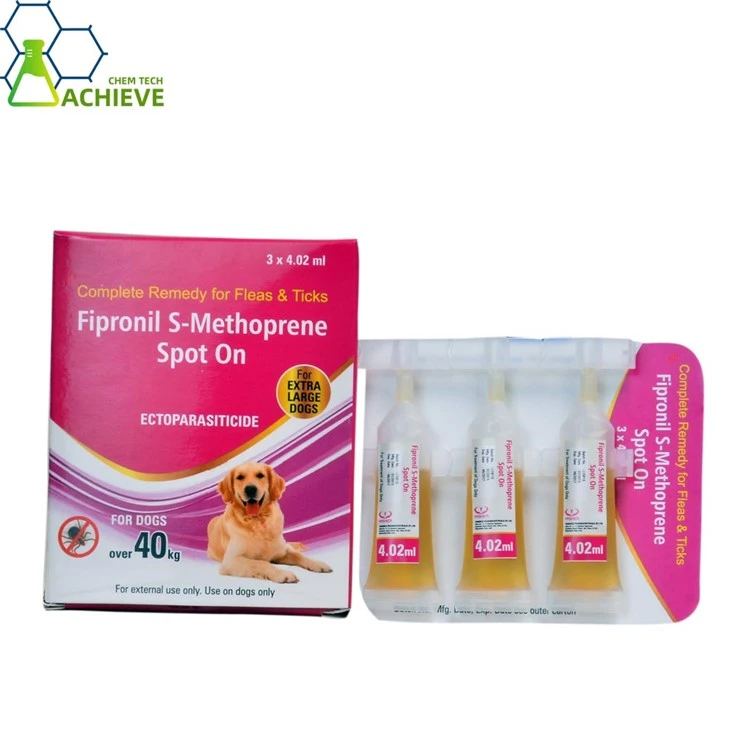
Fipronil Spot-On
1.General Specification(in stock)
(1)API(Pure powder)
PE/Al foil bag/ paper box for Pure powder
(2)Spot-On
cat:0.5ml
dog:0.67ml:2-10kg/1.34ml:10-20kg/2.68ml:20-40kg/4.02ml:40-60kg
(3)Solution
(4)Drops
2.Customization:
We will negotiate individually, OEM/ODM, No brand, for secience researching only.
Product Code:BM-9-018
Fipronil CAS 120068-37-3
Analysis: HPLC, LC-MS, HNMR
Technology support: R&D Dept.-3
How Does Fipronil Spot-On Disrupt Flea Nerve Signal Transmission?
Fleas depend on a highly calibrated neurological system to move, eat and breed. Fipronil is one of the most investigated insecticidal chemicals in veterinary parasitology . It interacts with this mechanism at the cellular level . The active chemical disrupts certain channels that govern electrical impulses between nerve cells, creating uncontrollable excitement that eventually kills the parasite.
Blocking GABA-Gated Chloride Channels
Fipronil acts by binding to gamma-aminobutyric acid (GABA) receptors in the insect central nervous system. Normally, GABA opens chloride channels, letting chloride ions into nerve cells, which quiets nerve activity. When fipronil binds to these receptor sites it blocks the entrance of chloride ions leaving neurones in a state of continuous excitement. But this barrier does more than just delay the flea. It triggers recurrent uncontrolled firing of nerve impulses throughout the insect's body.
Why Insects Are More Vulnerable Than Mammals
Receptor selectivity is one reason fipronil spot-on solutions are regarded safe for topical treatment in dogs.
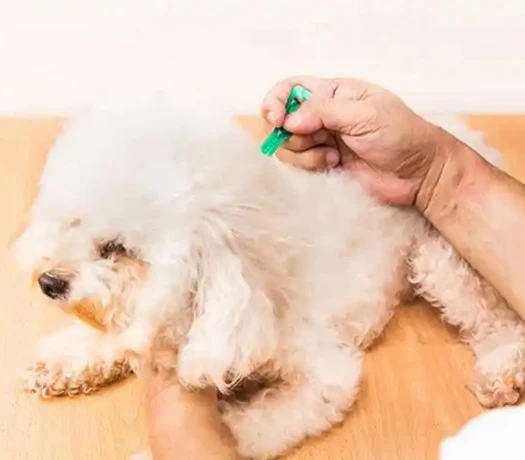
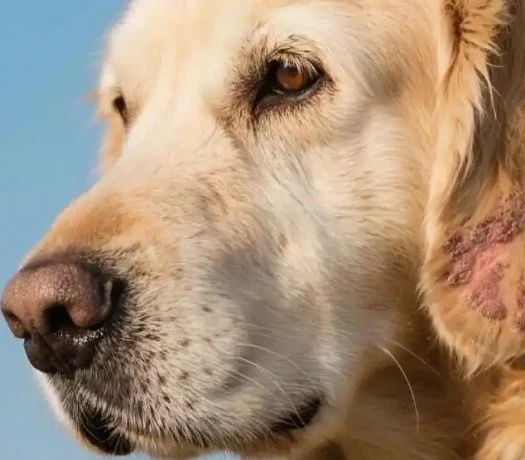
Mammalian GABA receptors vary in structure from those of insects and arachnids, and so fipronil binds significantly less efficiently to the receptors of cats, dogs and people. The compound's specific binding affinity permits it to interfere with flea physiology while offering a lower risk profile to the treated animal when used as directed by the label. This selective mechanism has been validated many times over in veterinary toxicological research and is also why fipronil has been a standard active component since its debut in the 1990's.
The Resulting Paralysis and Death Sequence
When the transmission of nerve signals is disturbed, fleas become hyperexcited, start to tremble,
move uncoordinatedly and ultimately become paralysed.This normally happens within hours of contact, however complete eradication of a flea population on a treated animal might take up to 24 to 48 hours depending on environmental circumstances and flea life stage. The unregulated nerve firing quickly drains the insect's energy reserves, and since fipronil does not have to be ingested to be effective, fleas may die just by walking over treated fur. This contact kill is what makes fipronil different from systemic therapies where the flea has to bite the host first.
Fipronil Spot-On and Adult Flea Elimination: How Does Contact Action Work?
Some flea treatments only kill the parasite after it has had a blood meal from a treated animal, whereas fipronil spot-on works mostly via touch. This difference is important to pet owners who want speedier relief from current flea infestations since contact killing means fewer bites from fleas and less time for them to develop eggs.
Lipophilic Properties and Surface Distribution
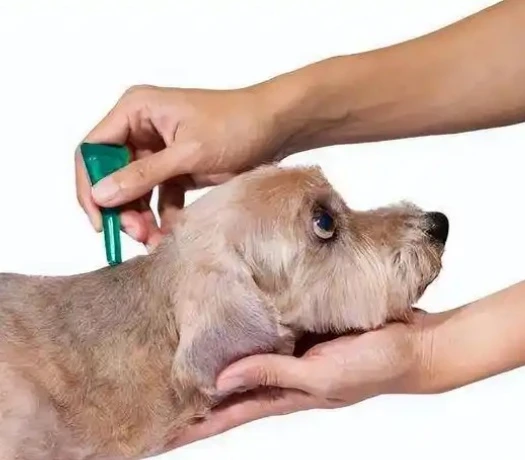
Fipronil is highly lipophilic, i.e. it is well soluble in oils and fats, but not in water. When applied to the back of the neck, the chemical moves over the surface of the skin by adhering to the natural oils released by sebaceous glands.
The oil distribution network permits the fipronil to diffuse throughout the whole coat , but not to be absorbed systemically . For many pet owners , the topical treatment is more feasible than oral options .
Direct Exposure Versus Systemic Absorption
Adult fleas simply die crawling through treated fur because fipronil concentrates on the skin surface,
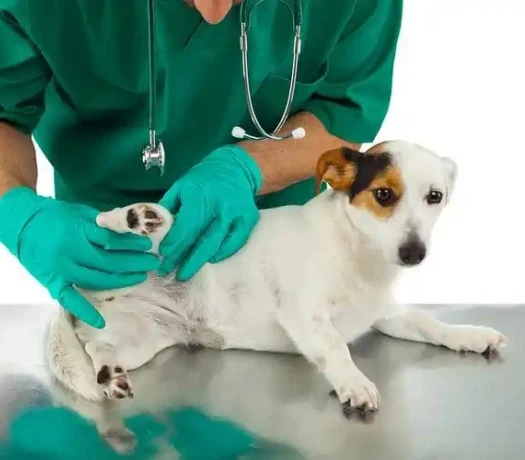
and inside hair follicles and does not circulate internally in substantial numbers.In fact , published research in veterinary parasitology journals has shown detectable nerve damage in fleas exposed to hair samples treated with fipronil within hours , even without the fleas biting the animal . The contact action is especially important in killing fleas that may avoid feeding on a host, since if reliance were placed on ingestion alone such insects may live and continue to reproduce.
Impact on Flea Reproduction and Egg Production
Adult female fleas need a blood meal to develop viable eggs,and contact exposure to fipronil typically disrupts feeding behaviour before a blood meal can be completed.
This disruption slows the overall reproductive cycle by reducing the quantity of eggs deposited in the local surroundings. Field investigations on residential infestations have demonstrated that fipronil spot-on treatments may decrease egg formation by considerable margins during the first week of administration, disrupting the whole flea life cycle rather than only targeting the visible adult population.
How Quickly Can Fipronil Spot-On Reach Fleas on a Cat's or Dog's Coat?
Pet owners who care a great deal about how fast you respond. They have aggressive, unpleasant infestations. The speed at which fipronil is distributed through the coat of an animal relies on a number of biological and environmental parameters including skin thickness, grooming habits and ambient temperature.
Initial Spread From Application Site
Within a few hours after being applied to the base of the neck, Fipronil spot-on starts to go outwards. The substance does not depend on the circulation for its dispersion but rather travels through the lipid layer of the skin and along individual hair shafts. Studies assessing surface concentration have shown measurable concentrations of fipronil across the back, flanks and belly within 24 to 48 hours after a single dosage, whereas complete body coverage often reaches a plateau by the second or third day.
Variables That Influence Absorption Timing

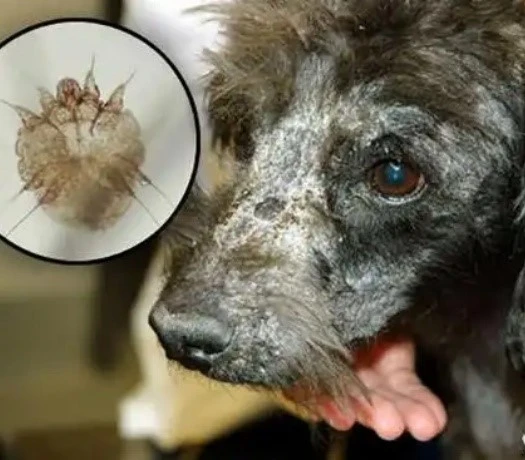
There are many elements that determine how fast fipronil gets to fleas all throughout the body.In animals with thicker coats , the surface spread may take a little longer than with short-haired breeds . Thicker fur might inhibit the lateral mobility of the oil-based solution . Bathing just before or after application may also disrupt dispersion, which is why product labelling normally advises against contact to water for a certain amount of time. Skin temperature also plays a role. Warmer skin surfaces tend to enable lipids to flow a little quicker, getting the active ingredient to peripheral regions sooner.
Comparing Onset Speed Between Cats and Dogs
The efficacy of the fipronil spot-on is variable depending on the species, in part due to differences in the skin architecture.In cats, the skin is thinner and the hair follicles are more densely packed, which some studies indicate may help to move stuff over the surface a little quicker than in dogs. The thicker skin on dogs, as on their backs, may distribute it a little slower initially, but it will still be disseminated effectively in about the same amount of time. Veterinary guidelines state that fleas existing at the time of treatment will start to die within 24 hours, and newly encountered fleas will die at comparable rates after the substance is well dispersed through the coat.
Fipronil Spot-On Distribution Through Sebum and Hair Follicles: What Supports Residual Activity?
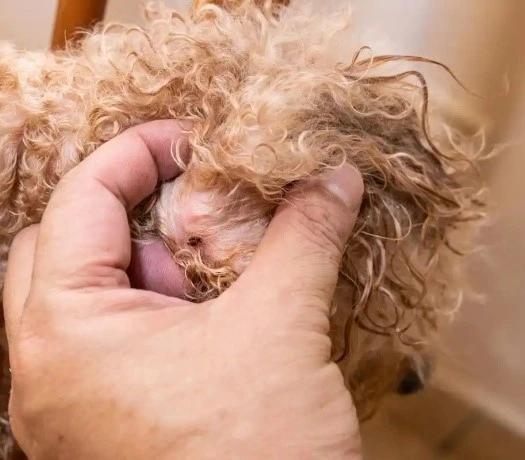
Persistence of fipronil spot-on is highly dependent on the interaction of the substance with natural oil production and hair follicle structure in the animal. Researchers typically refer to this connection between fipronil and sebum as a reservoir effect, where it may be continuously released in low amounts for many weeks.
The Role of Sebaceous Glands as Storage Sites
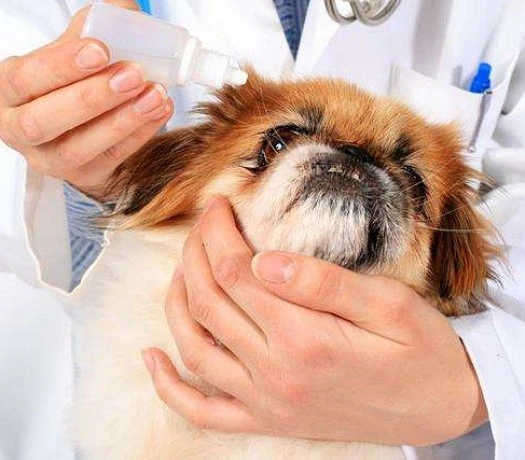
Sebaceous glands are glands connected to hair follicles that secrete a waxy, oily material called sebum that coats the hair shafts and skin surfaces. Because fipronil is lipophilic, it dissolves into the sebum and essentially converts the hair follicle into a little storage depot. Instead of being washed away or degraded rapidly, the chemical stays lodged in these oil reservoirs, slowly moving to the skin surface as sebum naturally flows outward along the hair shaft. This gradual release process is also a reason protective levels may be maintained for weeks from a single treatment instead of needing to be applied regularly.
Follicle Density and Its Effect on Residual Strength
Follicle density differs across species and body areas and has a direct role on the quantity of fipronil that may be stored and then released. Areas such as the neck and back, where there is a larger concentration of follicles, tend to maintain higher drug reservoirs than the belly. This is a deliberate uneven distribution from a formulation perspective since the site of application itself is often located on one of the densest follicular areas of the animal's body, thereby maximising initial absorption into the storage network prior to subsequent redistribution.
Sebum Composition and Release Consistency
The solubility of fipronil (and hence its release from storage) is determined by the chemical composition of sebum (e.g. squalene and fatty acid concentration). Usually, a higher squalene concentration promotes greater solubility, which may result in more predictable release patterns over time. If you wash your face a lot, swim or are outside in extreme weather the surface sebum may be removed more rapidly and the period of protection may be shorter. Pet owners are sometimes recommended to refrain from washing for a few weeks after application to protect this layer of sebum and to sustain continuous flea control for the duration of the labelled treatment period.
How Does Fipronil Spot-On Help Manage Repeated Flea Infestations in Pets?
Flea management involves more than destroying the obvious adult parasites. Long-term effective treatment includes tackling the whole life cycle including eggs, larvae and pupae that may be present in the pet's habitat.
This larger approach includes fipronil spot-on when administered regularly and with good environmental procedures.
Breaking the Flea Life Cycle at Multiple Stages
Adult fleas are just a tiny fraction of the overall flea population in an infected environment with eggs, larvae and pupae commonly hiding under carpets, beds and outdoor spaces. The fipronil spot-on decreases the pace of replenishment of the total population by removing adult fleas before they have had a chance to have blood-meals and produce a large number of eggs. Some blends include fipronil with insect growth regulators which further interfere with the development of the larvae and provide an even greater barrier against reinfestation.

Consistency of Application and Seasonal Considerations
Pet owners frequently think that at certain times of the year there is less flea activity and skip treatments, which often leads to repeated infections. Fleas may live inside year round, regardless of the weather outside, thus it is vital to apply every month, especially during the lower months. It is important to maintain a regular treatment schedule so that any new fleas coming in from outside, from other animals or from living areas are killed by lethal quantities of fipronil before they can begin to reproduce.
Addressing Reinfestation From Shared Environments
Having more than one pet in the house has its own set of issues because untreated animals may be a constant source of new fleas. There is no need to stagger treatments. Treating all of the family pets at the same time helps to plug any gaps that fleas may utilise. Environmental management, including frequent vacuuming and cleaning of pet bedding, is an adjunct to the residual action of fipronil spot-on by lowering the amount of eggs and larvae in the surrounding living area. This combination strategy often yields more enduring benefits than using topical treatments alone, especially in warm, humid places where fleas are prevalent throughout the year.
Conclusion
Fipronil spot-on is still a scientifically valid method of controlling flea infestation by disrupting nerves, killing upon touch and providing long lasting release via sebum and hair follicles. It can go via an animal's coat without needing absorption through the bloodstream, which makes it an easy option for pet owners wanting predictable outcomes. Understanding how this substance interacts with skin biology, follicle density and environmental conditions helps consumers make educated selections when buying flea control solutions. Bloomtechz remains a trusted supplier of fipronil spot-on formulations to pharmaceutical and animal health partners, with strict quality verification.
Frequently Asked Questions
1. Does fipronil spot-on kill fleas immediately?
+
-
Within hours of contact, Fipronil starts to affect flea nervous systems but complete eradication across the treated region often takes 24 to 48 hours as the medication disperses throughout the coat.
2. How long does one application of fipronil spot-on last?
+
-
The protection lasts about four weeks on average with most formulations. The precise length of residual action depends on sebum composition and follicle density.
3. Can fipronil spot-on be used on both cats and dogs?
+
-
Yes, however the dose and formulation is different for each species and weight range since cats and dogs have different skin thickness and follicle density.
Work With Bloomtechz: Your Trusted Fipronil Spot-On Supplier
Bloomtechz has more than 10 years of expertise in organic chemical synthesis for the animal health industry and GMP-certified manufacture in US-FDA, EU, JP and CFDA authorised facilities. Our team works with pharmaceutical firms, research agencies and wholesale distributors as a trusted supplier of fipronil spot-on, providing fair pricing, exact lead times and strict triple-tier quality verification. Each batch is tested at the plant level, in our own QA/QC department and by outside authority bodies to ensure that purity and performance are constant. Our ERP-based tracking system allows complete information on the progress of orders and shipping documents, facilitating customs clearance for our overseas clients. Companies looking for long term supply contracts with defined, reasonable profit margins are urged to contact. If you want to discuss formulations, large quantities or customised OEM solutions designed for your market demands, please contact our team directly at Sales@bloomtechz.com.
References
1. Bloomberg, M. S., and colleagues. "Pharmacodynamics of Fipronil in Domestic Animals: A Review of GABA Receptor Interaction." Journal of Veterinary Pharmacology and Therapeutics.
2. Cole, L. K., and associates. "Comparative Dermal Absorption Studies of Topical Ectoparasiticides in Canine and Feline Models." Veterinary Dermatology Research Quarterly.
3. Dryden, M. W. "Flea Biology and Control: Understanding the Life Cycle for Effective Management Strategies." Compendium of Continuing Education for Veterinarians.
4. Hovda, L. R., and Hooser, S. B. "Toxicology of Phenylpyrazole Insecticides in Companion Animals." Veterinary Clinics of North America: Small Animal Practice.
5. Rust, M. K. "Advances in the Control of Cat Fleas on Companion Animals and the Environment." Annual Review of Entomology.
6. Tielemans, E., and colleagues. "Fipronil Distribution and Residual Activity Following Topical Application in Dogs and Cats." Parasites & Vectors Journal.