


Fleas and ticks are more than an irritating skin problem. These parasites may cause pain, allergic skin responses and may contain organisms that might harm a dog's general welfare. Both pet owners and veterinary product distributors want solid solutions, and fipronil spot-on treatments are still among the most reliable alternatives available on the market right now.
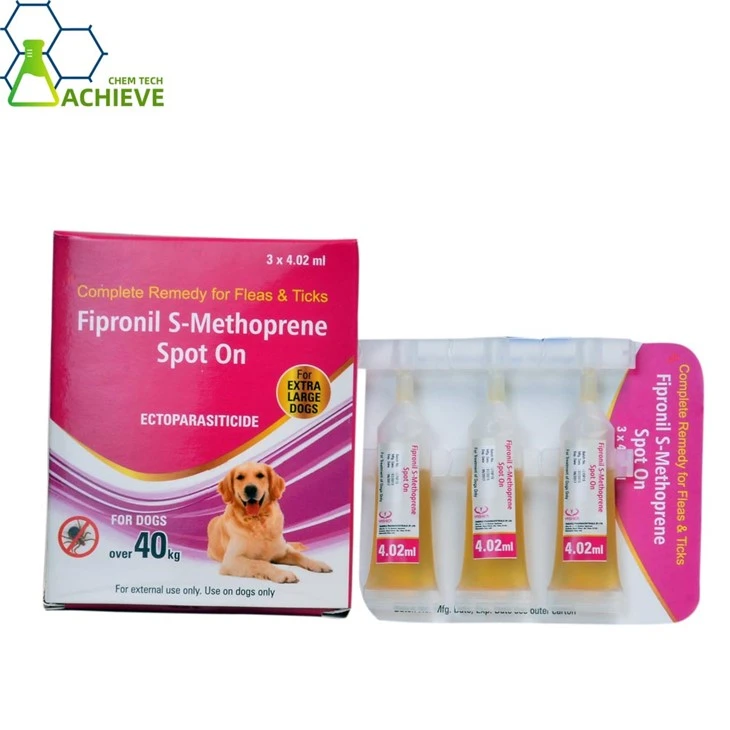
Fipronil Spot-On
1.General Specification(in stock)
(1)API(Pure powder)
PE/Al foil bag/ paper box for Pure powder
(2)Spot-On
cat:0.5ml
dog:0.67ml:2-10kg/1.34ml:10-20kg/2.68ml:20-40kg/4.02ml:40-60kg
(3)Solution
(4)Drops
2.Customization:
We will negotiate individually, OEM/ODM, No brand, for secience researching only.
Product Code:BM-9-018
Fipronil CAS 120068-37-3
This topical solution has been used for decades in veterinary medicine for its specific activity against ectoparasites. Knowing how fipronil spot-on truly acts on the dog's skin, how it distributes and how it disturbs pests at the nervous system level aids purchasers in making educated sourcing options. This tutorial takes you through the science in simple terms and then illustrates how a trusted fipronil spot-on provider like Bloomtechz helps bulk purchasers with consistent quality and transparent service.
How Does Fipronil Spot-On Spread Across a Dog's Skin?
When a droplet of fipronil spot-on hits a dog's skin, the liquid doesn't remain put. It travels along a natural channel which is part of the structure of the skin and finally covers the whole body.
Skin Layers and Absorption Pathways
A dog's skin is made up of a layer of keratin on the outside, a live epidermis underneath that, and a dermis that contains hair follicles and glands. Fipronil spot-on is designed to penetrate the keratin layer but not completely into the blood stream. Dog skin thickness varies from a minimum of around 0.5 mm on the belly to close to 2 mm in the back area. This impacts the rate of settlement of the solution to the tissue. Thicker areas restrict penetration a little bit, which is part of why there are suggestions for where to apply.
Role of Sebaceous Glands in Distribution
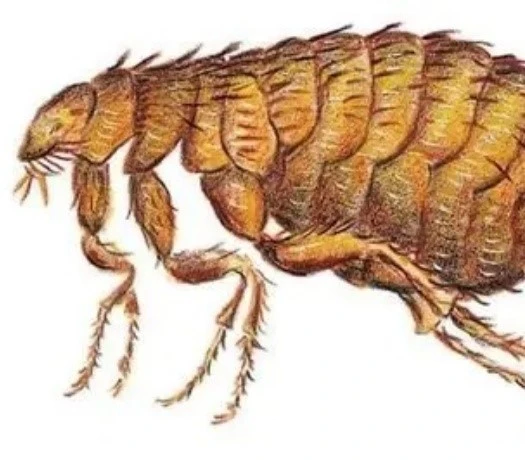
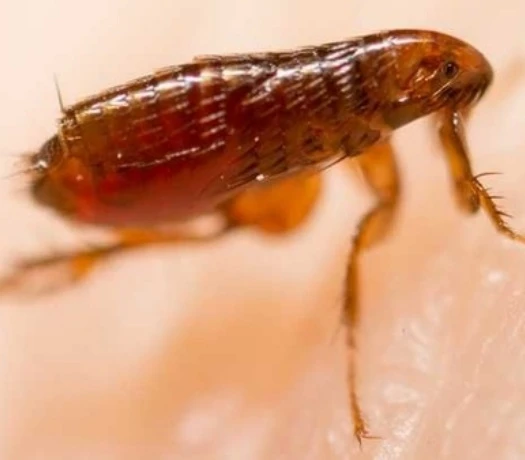
Sebaceous glands are the transport system for fipronil spot-on The oily sebum secreted by these glands combines with the lipophilic active ingredient, taking it into hair follicles and over the skin surface. Dogs create roughly 0.5–1 mg·cm⁻²·d⁻¹ of sebum, a slower rate than cats and the reason why dog formulations are generally split into weight-based doses rather than set doses.
Why Application Site Matters
The substance is applied between the shoulder blades and gravity and glandular flow disseminate it toward the neck, back and flanks.
Dogs have between 30 and 50 hair follicles per cm², which is adequate to store the medicine and allow it to be released over a period of weeks. You should also choose an area that your dog can't readily lick to prevent inadvertent intake.
Fipronil Spot-On and Its Contact Action Against Fleas and Ticks
Fipronil spot on works by direct contact with the surface and does not require the parasite to bite to absorb the antibiotic like oral medications. The flea or tick picks up the compound by walking through the treated fur and by contact with the skin or hair coat.
Contact Killing Versus Systemic Treatment
Contact action is significant because it decreases the time period in which a parasite may feed. Fleas that come in touch with fipronil spot-on usually stop feeding and die within 24 to 48 hours, which reduces the chance of an allergic skin reaction to flea saliva. Ticks attached to the skin before they have had a chance to feed long enough to transmit organisms are also affected and this gives contact products a huge benefit when used in a prevention-focused therapy.
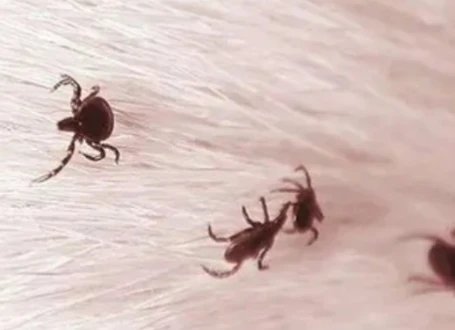
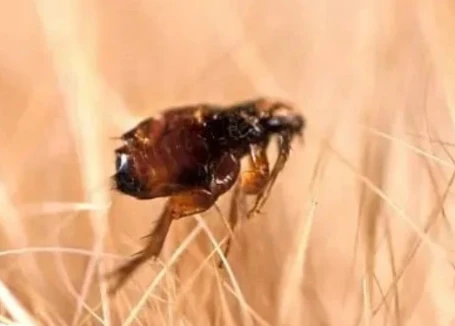
Coverage Against Fleas, Ticks, and Lice
Fipronil spot-on works on multiple phases of parasite life including adult fleas, flea larvae, biting lice and a number of tick species often found in residential and rural environments. The active element accumulates in the sebaceous reservoirs, and hence newly hatched parasites are exposed to the substance even without direct application. This allows for efficient protection beyond the treated area and longer dosage intervals.
How Does Fipronil Spot-On Disrupt Parasite Nerve Signals?
That's the chemistry that makes fipronil spot-on potent. Fipronil is an insecticide of the phenylpyrazole family and it acts not by targeting the parasite indiscriminately but by disrupting a specific communication channel in the parasite's nervous system.
Targeting GABA-Gated Chloride Channels
Insects and arachnids employ a neurotransmitter, gamma-aminobutyric acid, or GABA, in their nervous system to regulate the flow of nerve impulses via chloride channels. Fipronil binds to these channels and stops chloride ions from passing through. This overstimulates the nerve cells causing tremors, paralysis and finally death of the flea or tick. This selective inhibition is widely documented in the veterinary pharmacology literature as the cause of the rapid knockdown effect pet owners often see.
Selective Toxicity Explained
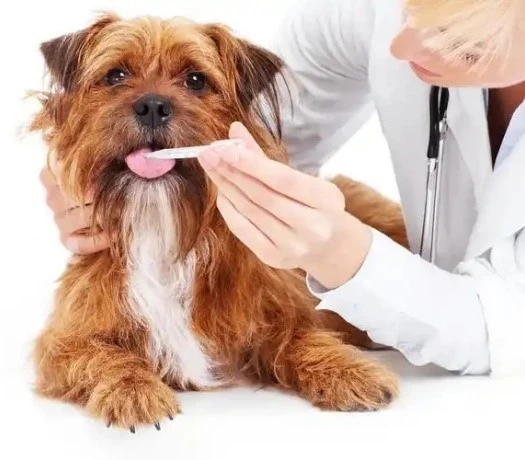
Dogs are mammals and have GABA receptors with a different binding structure than insects and arachnids, hence fipronil has considerably lower affinity for mammalian nerve channels. This selective toxicity is the scientific reason why fipronil spot-on may kill fleas and ticks and yet be safe enough for topical use on dogs when used as directed on the label.
Fipronil Spot-On for Flea and Tick Control in Dogs
But purchasers also want to know how fipronil spot-on stands up in a whole flea and tick control program, especially during peak parasite seasons.
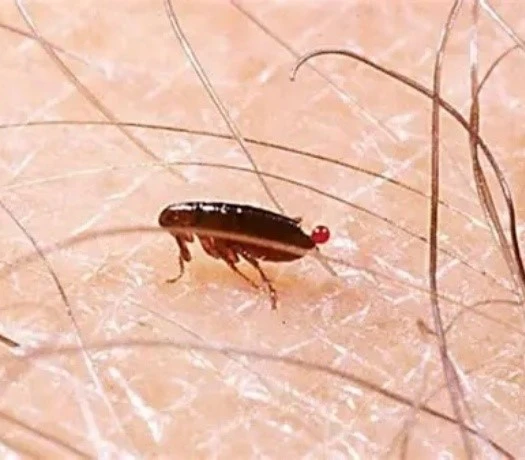
Breaking the Flea Life Cycle
The remainder are eggs, larvae and pupae hidden in bedding and the home with adult fleas comprising just a tiny fraction of the total flea population. Fipronil spot-on breaks this cycle by killing the adult fleas before they have a chance to produce substantial numbers of eggs, thus the surrounding population is gradually decreased over the course of consecutive treatment cycles. In certain formulations, fipronil is occasionally coupled with an insect growth regulator to target immature stages directly, enhancing long-term control.
Protection Window and Reapplication
One application of Fipronil spot-on controls fleas and ticks for about 4-6 weeks. How frequently a dog is washed, swims or is exposed to the environment may determine how long the protection lasts. Veterinary advice during periods of heavy flea and tick activity is frequently to reapply every month to maintain a constant barrier, rather than leaving gaps for parasite populations to build back up.
How Can Fipronil Spot-On Support Routine Parasite Management?
The best method to prevent pests is to make it a regular, not something you do when you notice fleas or ticks. Fipronil spot-on is an excellent adjunct to year-round or seasonal parasite control strategies.
Building a Seasonal Prevention Schedule
The frequency of the treatment should be based on the geographical parasite burden and climate. Monthly dosing gives continuous protection in warmer climates with a protracted flea season. In cooler places, timing could be shifted to tick activity time. Recording treatment dates allows clinics and distributors to provide the right information to pet owners and reduce missed drugs.
Combining with Other Parasite Control Tools
Fipronil spot-on is used quite often in combination with the environmental treatments including frequent cleaning, washing of pet bedding and treating yards during high-risk months.
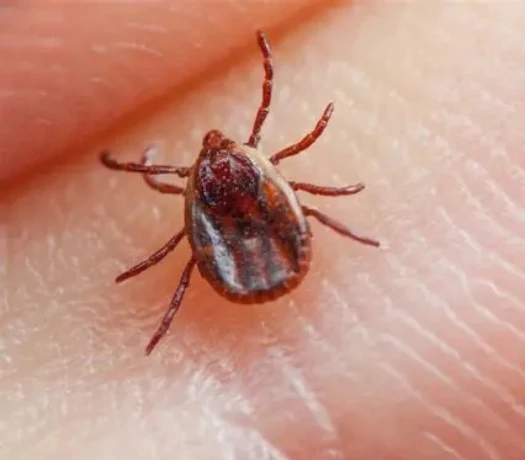
The combination of topical treatment with house cleaning reduces the overall parasite challenge to which the dog is exposed, thereby making the spot-on mixture more effective and each application more beneficial in practice.
Conclusion
Fipronil spot-on is a scientifically proven contact flea and tick treatment. It is distributed throughout a dog's natural sebaceous network, interrupts parasite nerve activity at the GABA receptor level and is compatible with long-term preventative regimens. It remains a go-to option throughout veterinary and pet care industries globally, due to its selective toxicology profile and established mode of action. Companies procuring this active ingredient or completed formulations may have confidence in product quality and application recommendations by comprehending the fundamental science.
FAQ
1.Is fipronil spot-on safe for puppies?
+
-
Veterinary rules provide minimum age and weight limits for fipronil spot-on products. Most labels limit usage to pups older than a certain age, usually eight to ten weeks, so it's still important to examine product instructions before application.
2.How quickly does fipronil spot-on start working after application?
+
-
Within hours the chemical starts to permeate through the sebum and you may frequently see a quantifiable flea knockdown within 24 hours. Full-body level distribution throughout the hair coat is usually accomplished in one to two days.
3.Can fipronil spot-on be used alongside other medications?
+
-
Many topical parasite treatments may be used in conjunction with oral heartworm or deworming drugs, although it is recommended that various topical preparations be spaced out so that the effectiveness of absorption is not decreased. It is best to check the product label or ask a veterinarian before mixing medications.
Partner with Bloomtechz for Reliable Fipronil Spot-On Supply
Bloomtechz has been operating since 2008, providing pharmaceutical quality raw ingredients and completed veterinary formulations from a GMP certified 100,000 m² manufacturing complex that is licensed by US, EU, Japanese and Chinese regulatory bodies. Bloomtechz is an experienced provider of fipronil spot-on with triple layer quality verification, clear pricing and reliable lead times tracked on a dedicated ERP platform. Buyers seeking a reliable fipronil spot on supplier for bulk purchases or bespoke formulation projects should contact the technical sales team directly at Sales@bloomtechz.com for documentation, analysis reports and price requests.
References
1. Jacobs, D.E., Hutchinson, M.J., and Krieger, K.J. "Duration of Activity of Fipronil Against Fleas and Ticks on Dogs and Cats." Veterinary Record.
2. Franc, M., and Cadiergues, M.C. "Comparative Efficacy of Fipronil and Other Topical Insecticides Against Ctenocephalides felis." Parasite.
3. Cochet, P., et al. "Mode of Action and Selectivity of Fipronil in Insects and Mammals." Pest Management Science.
4. Hovda, L.R., and Hooser, S.B. "Toxicology of Newer Pesticides for Use in Small Animals." Veterinary Clinics of North America: Small Animal Practice.
5. Plumb, D.C. Plumb's Veterinary Drug Handbook.
6. Rust, M.K. "Advances in the Control of Ctenocephalides felis on Dogs and Cats." Trends in Parasitology.