


When a dog owner consults their veterinarian regarding parasite prevention, the conversation generally comes down to one question: why use two products when one can perform the job of both? This question is at the core of what makes afoxolaner and milbemycin oxime chewable tablets so unique in veterinary medicine. This formulation does not target one parasite class but rather it addresses both internal and external threats through two pharmacologically separate modes of action. Understanding how this works – and why it makes a difference – helps buyers, distributors and veterinary experts make better informed decisions.
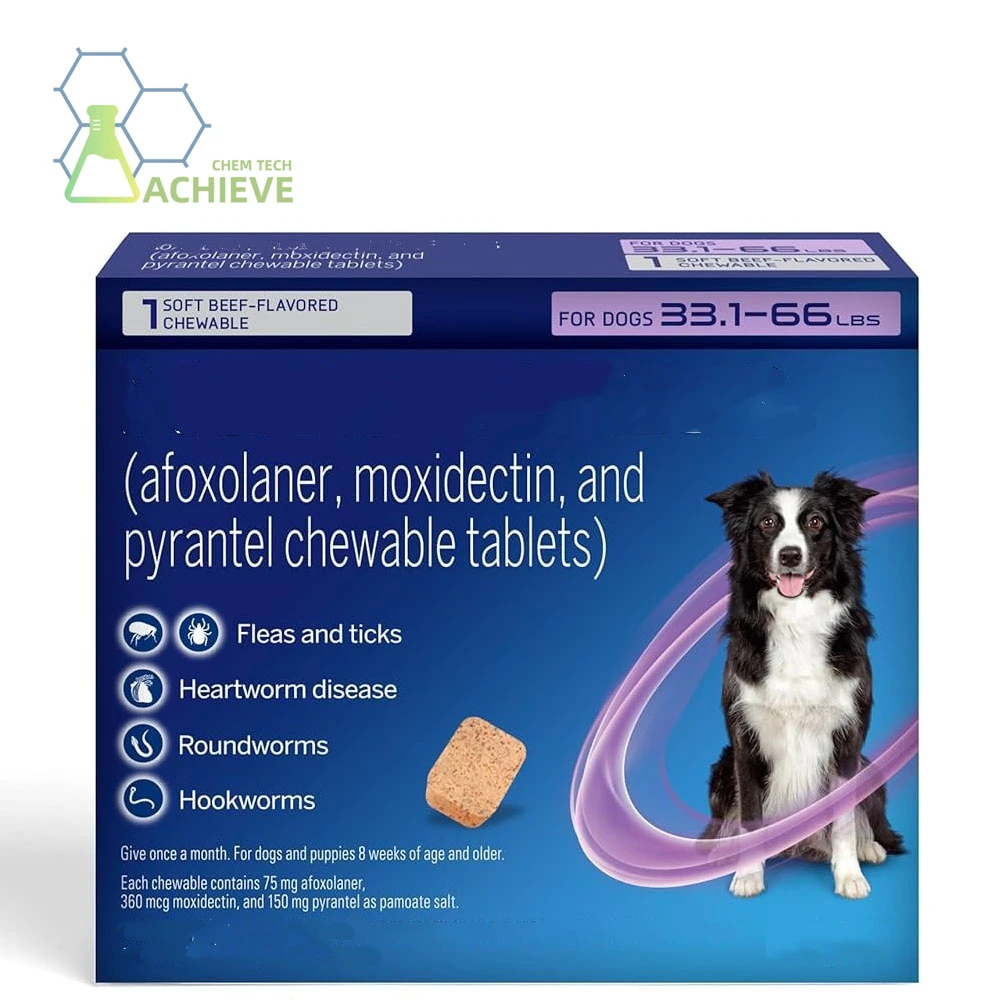
Afoxolaner And Milbemycin Oxime Chewable Tablets
1.General Specification(in stock)
(1)API(Pure powder)
(2)Tablet
9.375+1.875mg:2-3.5kg
18.75+3.75mg:>3.5-7.5kg
37.5+7.5mg:>7.5-15kg
75+15mg:>15-30kg
150+30mg:>30-60kg
(3)Ointment
2.Customization:
We will negotiate individually, OEM/ODM, No brand, for secience researching only.
Internal Code: BM-2-117
Main market: USA, Australia, Brazil, Japan, Germany, Indonesia, UK, New Zealand , Canada etc.
Manufacturer: BLOOM TECH Xi'an Factory
How Do Afoxolaner and Milbemycin Oxime Chewable Tablets Work in Dogs?
The Basic Science Behind the Formula
Afoxolaner and milbemycin oxime chewable tablets provide protection with the combination of 2 chemically different active substances in a single monthly oral dose. Afoxolaner is an isoxazoline pesticide and acaricide. Milbemycin oxime is a macrocylic lactone anthelmintic which is produced by fermentation of Streptomyces hygroscopicus. "Each ingredient targets a different biological target, so the formula doesn't depend on one weak spot in parasite physiology."
The design reasoning is supported by pharmacokinetic data. Following oral treatment afoxolaner achieves peak plasma concentration within 2 to 4 hours with a half-life of roughly two weeks, providing protection against external parasites over the monthly dosage period.
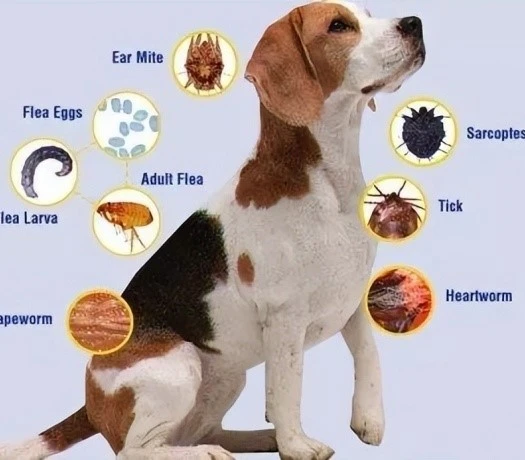
Peak concentrations of milbemycin oxime components A3 and A4 were seen between 1 and 2 hours with half-lives of 1.6 days and 3.3 days, respectively. Both products are very quickly absorbed so you get early and constant protection.
What Happens After a Dog Takes the Tablet
Volume of distribution of afoxolaner in tissues after absorption is 2.6 ± 0.6 L/kg. Its absolute oral bioavailability is 88% suggesting the body utilizes most of what it is given. The bioavailability of milbemycin oxime A3 and A4 was 81 and 65%, respectively. Both chemicals are metabolized predominantly in the liver and are excreted in the feces and urine. This dual-route clearance lowers buildup under normal monthly dosing regimens in healthy adult dogs.
Afoxolaner and Milbemycin Oxime Chewable Tablets: Two Active Ingredients, Different Targets
Afoxolaner and Its Role Against External Parasites
Afoxolaner inhibits the gamma-aminobutyric acid (GABA)-gated chloride ion channels of arthropods. These channels are closed so chloride ions can't pass normally across the membranes of nerve cells. This results in a build up of brain signals, leading to hyperexcitation, uncontrolled muscular activity, paralysis, and death in target parasites – mainly fleas, ticks and mites. Importantly, afoxolaner has a much higher affinity for GABA receptors of arthropods than for mammalian receptors, which provides a large safety margin for dogs.
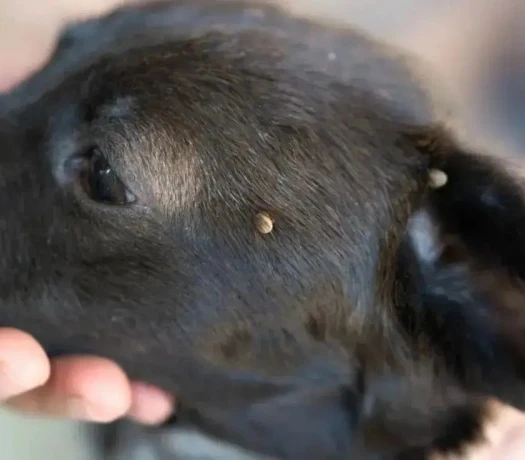
Fleas and ticks must come into touch with or swallow the substance through the dog's blood to be impacted.
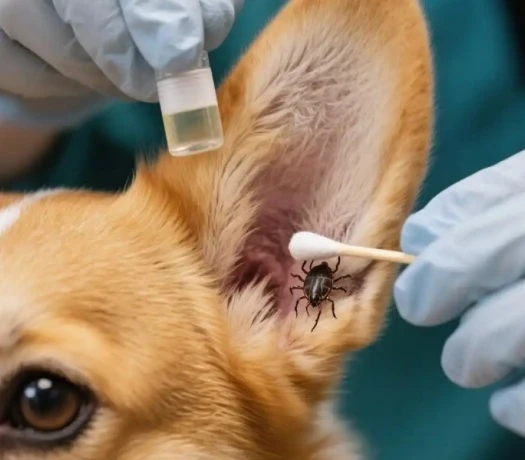
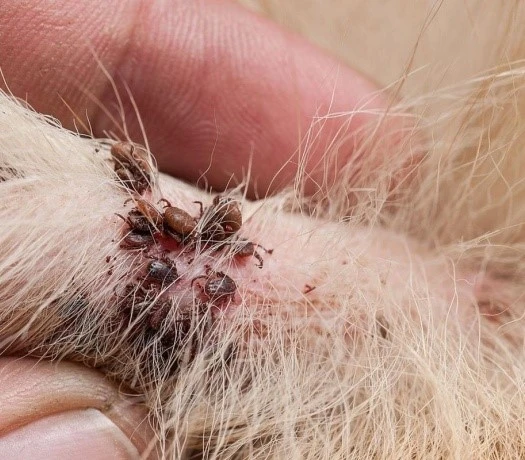
Studies show that killing fleas begins within hours after the tablet is given and killing ticks occurs between 24 to 48 hours, depending on the species.
Milbemycin Oxime and Its Role Against Internal Parasites
Milbemycin oxime has a completely distinct mode of action. It acts on glutamate gated chloride channels of invertebrate neuron and muscle cells. This leads to an increase in membrane permeability and hyperpolarization. This sustained electrical imbalance causes paralysis and death of susceptible internal parasites such as heartworm larvae (Dirofilaria immitis), gastrointestinal nematodes (Toxocara canis and Ancylostoma caninum), and whipworms (Trichuris vulpis), which makes afoxolaner and milbemycin oxime chewable tablets relevant for broad-spectrum parasite control.
Milbemycin oxime has relatively limited permeability for the mammalian blood-brain barrier under physiological conditions and the canine central nervous system has only a few invertebrate-type glutamate-gated chloride channels . The high tolerability profile of the chemical in the most of the breeds is explained by this metabolic difference between host and parasite target.
How Afoxolaner and Milbemycin Oxime Chewable Tablets Combine External and Internal Parasite Control
Synchronized Coverage Through a Single Dose
Afoxolaner and Milbemycin Oxime are available as chewable tablets, offering two different mechanisms of action in a single appealing tablet. In a high risk area a dog is at immediate risk of fleas ticks heartworm vector mosquitoes and soil borne intestinal nematodes Using multiple drugs at different times for these problems creates gaps in coverage and raises the likelihood of missing doses.
The recipe eliminates compliance hurdles, as afoxolaner and milbemycin oxime are combined in a single monthly administration. Veterinary compliance data demonstrates that dogs on fewer products have consistently higher adherence to parasite control programs.

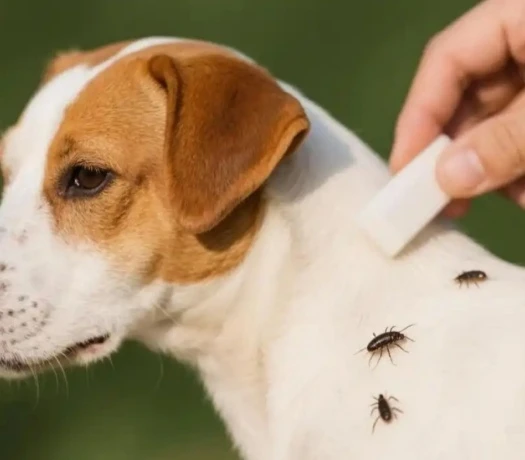
This architectural option leads directly into more consistent parasite control outcomes at the population level.
Coverage Range Across Parasite Species
Total activity varied over a therapeutic range. It is also effective against mange mites and fleas (Ctenocephalides felis and C. canis) and a wide variety of ticks including those of the Ixodes, Rhipicephalus and Amblyomma and Dermacentor genera. For the treatment and control of the major gastrointestinal roundworms, hookworms and whipworms when given internally, and for the prevention of heartworm disease. This is the range that the veterinary clinicians see in daily practice in different geographical regions.
The Dual Mechanism of Afoxolaner and Milbemycin Oxime Chewable Tablets
Two Pathways, One Goal
The dual mechanism is effective without pharmacological intervention of both medications. Afoxolaner does not act on glutamate-gated chloride channels and milbemycin oxime does not act on GABA-gated pathways. The two drugs have different receptor profiles and hence do not act against the same biological targets, but in parallel. This orthogonal design means that one part does not affect the effectiveness of the other.
This parallel targeting is important in a resistance management standpoint. Parasites that develop resistance to isoxazoline drugs through mutations in the GABA receptor are nevertheless sensitive to the glutamate-channel mechanism of milbemycin oxime and vise versa.
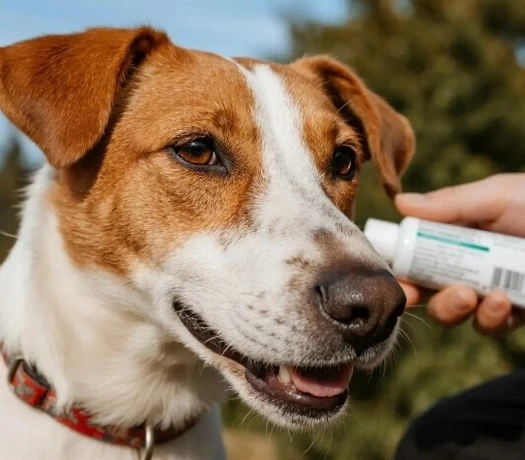
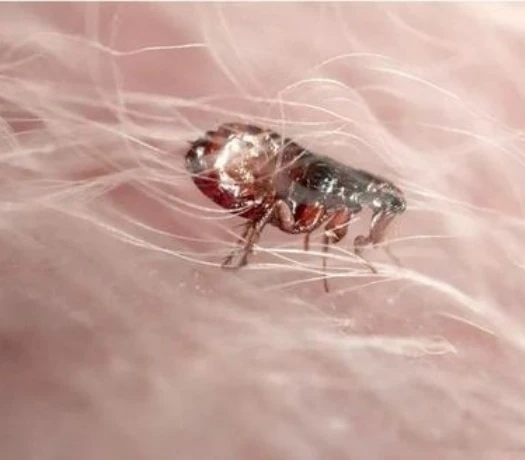
The combination format is still a broader net than either chemical alone, although cross-resistance is a theoretical worry in populations of macrolide-resistant nematodes.
Safety Architecture Within the Formula
Selectivity of each component for invertebrate vs vertebrate receptor subtypes . The tolerability profile seen in the clinical tests is due to the great selectivity of afoxolaner for the GABA receptors of arthropods and the low penetration of the milbemycin oxime through the intact human blood brain barrier . Caution in Collies and kindred breeds with MDR1 (ABCB1) gene mutation, associated with lower P-glycoprotein activity and perhaps increased exposure to milbemycin oxime in brain tissue. These breeds should be under veterinary supervision.
Why Are Afoxolaner and Milbemycin Oxime Chewable Tablets Designed for Broad-Spectrum Parasite Control?
The Epidemiological Rationale
Co-infestation by parasites is widespread, not rare. Epidemiological research on several continents reveal dogs simultaneously harbored by fleas, intestinal nematodes and danger of heartworm exposure. A broad range product such as afoxolaner and milbemycin oxime chewable tablets is in line with the pharmaceutical strategy that parasites don't hit you one at a time. The reality is that a formula to create is being used in many climates and ecology, from tropical heartworm-endemic areas to temperate areas with significant tick pressure.
Specifications Built Around Real-World Dog Weights

This weight-based dosing range covers dogs of 2kg to >50kg in five specification tiers and exemplifies the practical variability of companion animal populations.The five combinations vary from 9.375 mg + 1.875 mg at the low end to 150 mg + 30 mg for large breeds and so dosing stays within the established therapeutic window of 2.5 to 6.9 mg/kg for afoxolaner and 0.5 mg/kg for milbemycin oxime. The tiered construction offers consistent efficacy without excess chemical loading.
Monthly Dosing as a Preventive Framework
The monthly oral dose follows the same schedule as heartworm preventives recommended by veterinary parasitology organizations worldwide. The prevention of heartworm disease is based on the continual suppression of Dirofilaria immitis L3 and L4 larvae in the prepatent period.
This need is met by a monthly dose of milbemycin oxime. A unified preventative program is achieved when flea and tick control is synchronized on the same monthly schedule; this simplifies record keeping for the veterinary practice and the dog owner.
Conclusion
Afoxolaner and milbemycin oxime chewable tablets constitute a well-designed combination of two pharmacologically separate processes in a single, monthly oral dosage. Afoxolaner eliminates exogenous parasites via GABA-channel inhibition. Milbemycin oxime kills internal parasites through activation of glutamate-channels. Combined, they cover the entire range of the most prevalent canine parasite problems without affecting the safety profile that veterinary professionals and pet owners have come to expect. The design rationale of the formulation - parallel processes, synchronized pharmacokinetics, weight-calibrated dosing - makes it a sensible choice for broad-spectrum parasite control in dogs.
Frequently Asked Questions
Q1: Can afoxolaner and milbemycin oxime chewable tablets be given to puppies?
+
-
Do not use in dogs less than 2 kg or less than 8 weeks of age. Puppies meeting the age and weight criteria may be dosed based on their bodyweight within the appropriate specification tier. A vet must check if medication is appropriate for young animals before it is commenced.
Q2: How quickly do afoxolaner and milbemycin oxime chewable tablets begin working after administration?
+
-
The peak plasma concentrations of afoxolaner are reached within 2 to 4 hours after oral dosing. Milbemycin oxime peak values occur at 1 to 2 hours. Flea activity usually begins to decline within hours of therapy. Ticks normally disappear within 24 to 48 hours, depending on the species. Levels of milbemycin oxime should be maintained throughout the monthly treatment interval for heartworm prevention.
Q3: Are there breeds that require special consideration when using this product?
+
-
Collies and other breeds carrying the MDR1 (ABCB1) gene mutation have a defect in P-glycoprotein activity which may result in elevated levels of milbemycin oxime in the central nervous system. Veterinarians should analyze these breeds to determine if a dose change or product substitution is needed. Pregnant and lactating dogs should be assessed individually before administration.
Source Your Supply from a Trusted Afoxolaner and Milbemycin Oxime Chewable Tablets Supplier - Bloomtechz
Bloomtechz backs up each batch with a triple-link quality check: factory-level analysis, in-house QA/QC review, and third-party authority testing. Our production plant has GMP certificate, US-FDA, EU, JP and CFDA certificates. Bloomtechz is a qualified supplier of afoxolaner and milbemycin oxime chewable tablets, supplying to 24 international partners in pharmaceutical, veterinary and specialized chemical sectors. We offer API powder, completed tablets in all 5 weight variants and OEM/ODM customization. If you would like to see an example evaluation or would like to place a large order, our team can provide you with precise lead dates, transparent pricing and full documentation for customs clearance. Contact us immediately at Sales@bloomtechz.com to get things started.
References
1. Beugnet, F., & Franc, M. (2012). Insecticide and acaricide molecules and/or combinations to prevent pet infestation by ectoparasites. Trends in Parasitology, 28(7), 267–279.
2. Bowman, D. D., & Atkins, C. E. (2009). Heartworm biology, treatment, and control. Veterinary Clinics of North America: Small Animal Practice, 39(6), 1127–1158.
3. Heckeroth, A. R., Menn, B., Bräu, S., & Ehret, W. F. (2014). Afoxolaner: A novel ectoparasiticide for dogs in a chewable tablet formulation. Parasites & Vectors, 7(Suppl 1), O14.
4. Prichard, R., & Geary, T. G. (2008). Drug discovery: Fresh hope for battling river blindness. Nature, 452(7189), 921–922.
5. Taenzler, J., de Vos, C., Roepke, R. K. A., Frénais, R., & Heckeroth, A. R. (2014). Efficacy of afoxolaner against Otodectes cynotis infestations in dogs. Parasites & Vectors, 7(Suppl 1), O15.
6. Wolstenholme, A. J., Fairweather, I., Prichard, R., von Samson-Himmelstjerna, G., & Sangster, N. C. (2004). Drug resistance in veterinary helminths. Trends in Parasitology, 20(10), 469–476.