


Fleas and ticks do more than make skin irritated. These little parasites propagate illnesses that endanger the health of dogs and cats around the world. For years scientists have been exploring how particular substances kill these parasites without hurting the pets they reside on. One chemical that stands out is fluralaner, which operates by targeting the neurological system of insects and arachnids. The understanding of the mechanism of action of pruduct on ligand gated chloride channels explains why such therapy is so effective and so safe. This page describes the biological mechanics of fluralaner, the molecular interactions that make it effective, and the reasons why arthropod nervous systems behave so differently from mammalian ones. Here are simple, factual answers for pet health experts, veterinary product purchasers and procurement teams looking for trusted antiparasitic products.
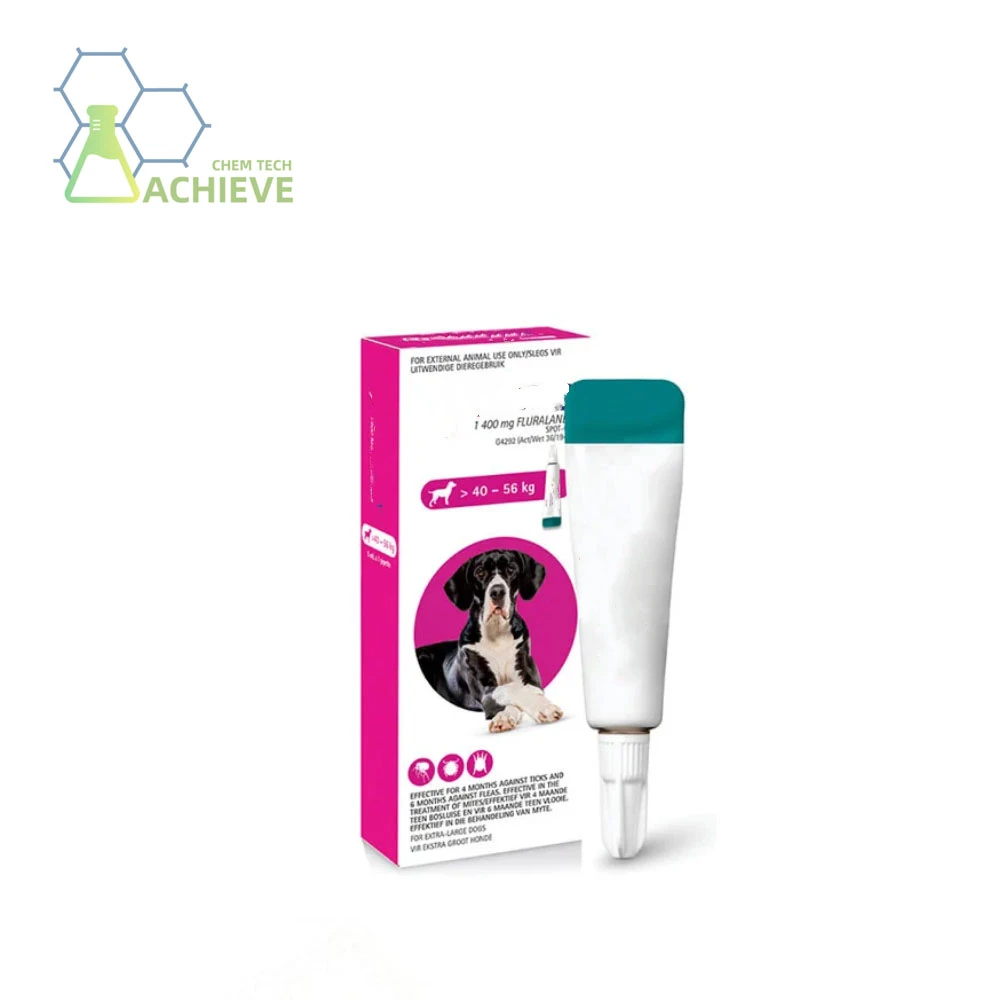
Fluralaner Drops
1.General Specification(in stock)
(1)Solution
(2)Tablet
(3)Injection
(4)Spray
(5)Drops
2.Customization:
We will negotiate individually, OEM/ODM, No brand, for secience researching only.
Internal Code:BM-9-007
Fluralaner CAS 864731-61-3
Main market: USA, Australia, Brazil, Japan, Germany, Indonesia, UK, New Zealand , Canada etc.
Manufacturer: BLOOM TECH Xi'an Factory
Analysis: HPLC, LC-MS, HNMR
Technology support: R&D Dept.-4
The Role of Ligand-Gated Chloride Channels in Arthropod Neural Signaling
Electrical signals are how nerve cells talk to each other, and these signals are very dependent on the passage of ions across cell membranes. Chloride channels are important in the regulation of this activity, especially in arthropods such as fleas, ticks and mites. They are called ligand-gated channels because certain chemicals attach to receptor sites on the channels to open or shut them.
Chloride Ion Flow and Nerve Cell Stability
When a chloride channel opens, negatively charged chloride ions rush into the neuron. This movement stabilizes the neuron and stops it from firing too many times. This stabilization is necessary for arthropods to execute regulated locomotion, feeding activity, and sensory responsiveness. If chloride isn't properly regulated, nerve cells get overstimulated and the resulting uncoordinated muscular activity leads to ultimate physical collapse.
GABA and Glutamate as Natural Channel Activators
Gamma-aminobutyric acid (GABA) and glutamate are two major neurotransmitters in arthropods that activate chloride channels .

GABA receptors are abundant in the arthropod CNS, although glutamate-gated chloride channels seem to be more common in invertebrate species than in mammals. This distinction becomes crucial when the specific toxicity of fluralaner is compared later. These two neurotransmitter systems work together to maintain the neuronal signals balanced so that the insects and the ticks can react to the stimuli in the environment accordingly.
Why This System Matters for Pest Control
Pest control agents that target chloride channels may scramble the basic wiring of an arthropod's nervous system. Since fleas, ticks and mites rely largely on GABA and glutamate gated channels for key life processes,
chemicals targeted to disrupt these channels often have rapid and observable effects.This biological reliance explains the speed of pruduct pills, which may kill fleas within hours of consumption. In many controlled investigations, veterinary experts have observed flea kill rates greater than 98 percent within 12 hours and 100 percent kill within 48 hours. "These numbers indicate the specificity of fluralaner in interacting with the chloride channel system that is essential for survival of the arthropods.
How Does Fluralaner Interfere With Normal GABA Receptor Function?
To understand the particular interference pattern of fluralaner one has to study at the behavior of receptors in normal and treated settings. Usually , GABA receptors open in brief , controlled bursts , allowing chloride ions to flow across the cell membrane . Fluralaner makes this design quite different.
Blocking the Chloride Channel Gate
Fluralaner binds to the GABA receptor in a way that the gate of the chloride channel can not open correctly. Rather of enabling a short regulated influx of chloride, the receptor is frozen in a closed or dysfunctional condition. This obstruction prevents the usual inhibitory signal that typically tells the neurons to slow down. Without this calming signal , neurons start firing wildly . This leads to the paralysis effect we see in the treated parasites .
Sustained Receptor Occupation
One reason pruduct is effective for lengthy durations is due to its capacity to remain attached to the receptor site longer than prior antiparasitic drugs.
The persistent occupancy prevents the chloride channel to revert to its usual resting function in the presence of fluralaner. Studies in veterinary pharmacology, published in journals of veterinary parasitology, have shown that fluralaner persists at therapeutic levels in the blood of treated animals for lengthy periods of time, thereby providing the basis for long-lasting flea and tick protection.
Impact on Nervous System Output
This disruption of GABA receptor activity is not limited to a single neuron. Chloride channels mediate a broad variety of inhibitory signals, and disruption of their activity leads to a cascade of effects across the arthropod nervous system.
Muscles start twitching wildly, coordination goes out the window and the parasite can no longer eat or move as it should do. This physiological breakdown occurs fast, which is why it-based medications have a rapid beginning of effect. This speed is good for pet owners and veterinary experts in that it minimizes the window of time in which parasites may transfer disease-causing germs via biting or eating.
Fluralaner's interference pattern sets it apart from several earlier generation antiparasitic drugs that needed repeated administrations or shorter dose intervals. The compound's unique binding characteristics allow for robust protection with less frequent doses. Fluralaner tablets have been a popular choice for veterinary clinics and pet product distributors across the globe.
Molecular Binding Sites and Subunit Interactions in Arthropod GABA Receptors
GABA receptors are not just single-piece constructions. They consist of several protein subunits that are organized around a central channel pore. The configuration of these subunits dictates how a chemical like it binds to the receptor and how effective it is at blocking the usual flow of chloride.
Subunit Composition and Receptor Architecture
Arthropod GABA receptors often consist of many subunit types that co-assemble to produce a functioning chloride channel. The composition of the subunits determines the sensitivity of the receptor to various substances. Studies of insect and acarine GABA receptor genetics have discovered mutations linked with resistance in certain locations of the subunits, helping scientists to understand precisely where fluralaner binds and how it exerts its blocking action. This is important at the subunit level because it explains why pruduct continues to be effective against many flea and tick populations that have gained resistance to previous classes of antiparasitic drugs.
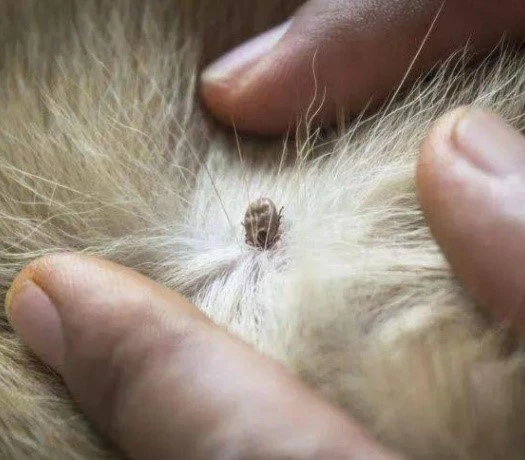

Allosteric Binding and Non-Competitive Inhibition
Fluralaner does not compete directly with GABA for the same binding site. Instead, it binds to a different location on the receptor complex, a process known as allosteric or noncompetitive binding. thus binding style affects the structure of the receptor and thus indirectly stops the chloride channel from opening even if GABA is there and attempting to turn it on. This method also provides an advantage to fluralaner over drugs that are based on direct competition with natural neurotransmitters, since resistance mutations that only impact the GABA binding site may not necessarily influence the efficacy of fluralaner.
Cross-Species Subunit Variation
Receptor subunit configurations differ across arthropod species, however fluralaner has shown wide efficacy against fleas, some kinds of ticks and certain mite populations. The wide action shows that pruduct targets a largely conserved structural characteristic common by these receptor subunits, despite differences in particular amino acid sequences among species. This is confirmed by entomological investigations on receptor binding affinity which have shown consistent inhibitory effects under laboratory circumstances for a range of parasite populations.
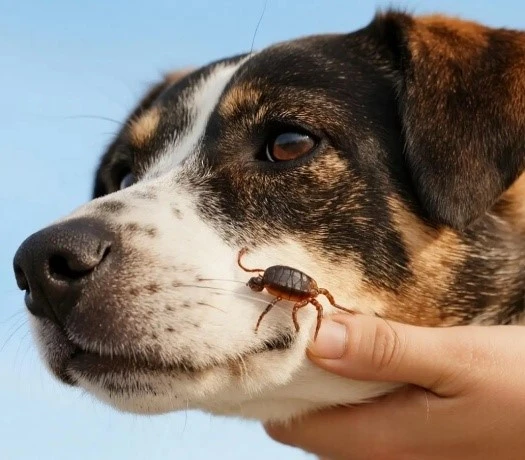
The molecular accuracy of fluralaner binding is a consequence of years of pharmaceutical research to maximize antiparasitic performance and minimize the risks of resistance development.This level of molecular specificity also helps to the definition of the good safety profile of the chemical in treated animals. The binding features that make fluralaner effective against arthropod receptors do not transfer into considerable action at mammalian receptor sites.
Disrupted Chloride Channel Regulation and the Loss of Neural Inhibition
When fluralaner effectively inhibits chloride channel function, the cascading downstream effects occur fast throughout the parasite's nervous system. Here we discuss the physiological events that follow the first binding event.
Neural Hyperexcitability and Loss of Control
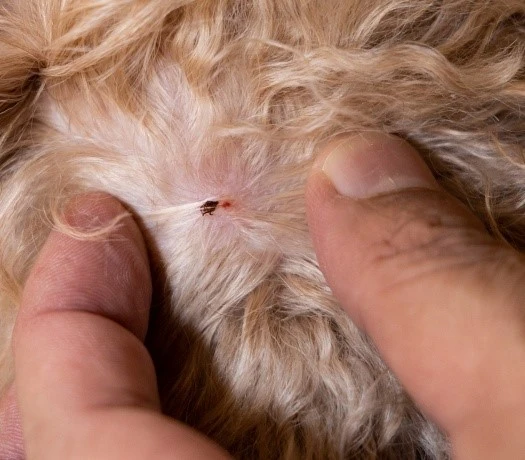
Healthy neural systems rely on a balance of excitatory and inhibitory impulses. When the chloride channels don't work correctly, that equilibrium is lost. Instead of the usual inflow of chloride for settling down, the neurons are continually in a state of excitability. The hyperexcitability produces uncontrolled firing throughout the neural system, leading to tremors, muscular spasms and eventually paralysis in infected parasites. This trend has been shown in controlled flea and tick investigations, where irregular movement patterns of parasites were seen within hours after pruduct exposure.
Progressive Physical Breakdown
As the brain transmission degrades, the parasites lose the capacity to coordinate essential survival behaviors, such as eating, walking and adhering to a host. Ticks fed on treated animals frequently drop off prematurely, their mouthparts losing the neuromuscular control required to remain attached. This detached behavior shortens the time of tick feeding, thereby decreasing the likelihood of pathogen transmission, as many tick-borne illnesses need long feeding durations for transfer from parasite to host.
Timeline of Physiological Effects
Fluralaner does not create immediate disruption, but a quantifiable progression.
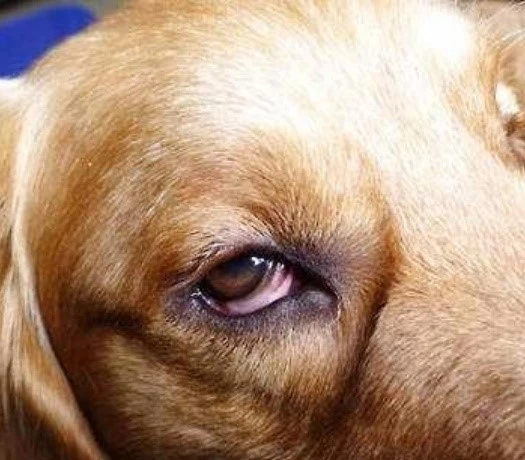

The first signs of hyperexcitability usually occur after a few hours of exposure, followed by apparent paralysis and then death within 24 to 48 hours depending on the type of parasite and the amount taken. This timeframe has been regularly observed in veterinary efficacy studies in many nations, supporting confidence in fluralaner's trustworthiness as a fast-acting antiparasitic treatment. When choosing pruduct-based formulations for clinical or retail distribution treatment alternatives, veterinary product purchasers will typically look to this predictable schedule.
Loss of neuronal inhibition is the underlying reason fluralaner has such decisive effects against fleas, ticks and some mite species.
Fluralaner acts by a biological mechanism that arthropods have difficulty escaping or overcoming, which results in reliable outcomes, and makes it a trusted alternative for veterinary professionals handling parasite control programs.
Why Are Arthropod Chloride Channels More Sensitive to Fluralaner Than Mammalian Targets?
Safety is a common question from veterinary academics and pet product customers. So, to understand why fluralaner is such a potent arthropodicide and yet so safe for mammals, we need to look at the anatomical and physiological distinctions between these two groups.
Structural Differences Between Insect and Mammalian Receptors
The mix of subunits and architecture of binding pocket of the mammalian GABA receptors are structurally different from those of their arthropod counterparts. These structural differences lead to a scenario where the binding location of fluralaner is not able to engage well with mammalian receptor structures while it fits perfectly into arthropod receptor topologies. Comparative pharmacology investigations demonstrated much lower binding affinity of fluralaner for mammalian GABA receptor subtypes than for arthropod versions.
The Protective Role of the Blood-Brain Barrier

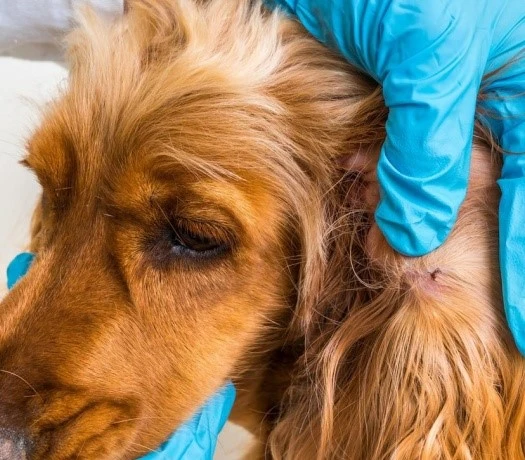
Mammals have a blood-brain barrier, a biological membrane that limits the passage of chemicals into the central nervous system and so protects it. GABA receptors in mammals are mostly located in the central nervous system and this barrier precludes pruduct from reaching concentrations in dogs and cats that would be sufficient for substantial interaction with the receptors. Arthropods do not possess such a protective barrier surrounding their nervous system and so their chloride channels are immediately exposed to fluralaner circulating in the body after the parasite has fed on treated blood or absorbed the substance via contact.
Absence of Glutamate-Gated Chloride Channels in Mammals
Glutamate-gated chloride channels are found in arthropod nervous systems but not in humans. Fluralaner works on GABA- and glutamate-gated chloride channels, which would increase its activity against parasites but would not have a similar target in human biology. This lack is one of the most evident causes of the positive safety margin of fluralaner in treated cats . Veterinary toxicology has investigated pruduct tablets in large sample populations of dogs and cats. They have recorded minimal rates of adverse responses. This further strengthens its standing as a solid antiparasitic selection for regular use.
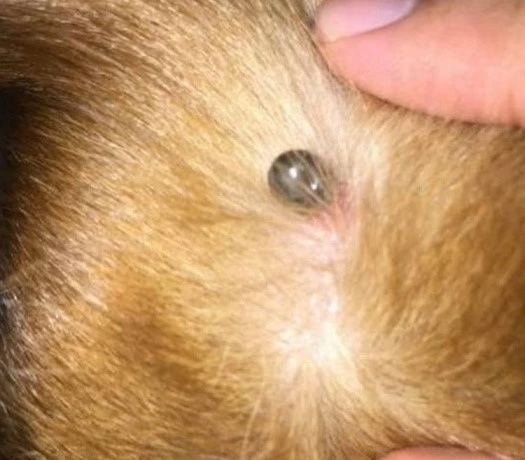
This combination of structural divergence, barrier protection and target availability explains how fluralaner may aggressively damage arthropod neural systems while being well tolerated in mammalian counterparts. This selectivity profile is important for makers of veterinary products developing pruduct tablets for broad usage in a variety of pet populations, including sensitive breeds and older animals needing long-term parasite control.
Conclusion
Fluralaner is a science based product for the control of flea, tick and mite infestations in companion animals. Fluralaner acts on ligand gated chloride channels in the nervous system of arthropods to provide rapid and dependable efficacy with a wide safety margin owing to anatomical and physiological differences between arthropods and mammals. Fluralaner tablets have been recognized by veterinary specialists and pet product distributors worldwide because of its molecular accuracy from receptor binding behavior to subunit interaction. For companies seeking reliable antiparasitic formulations with clear scientific mechanism behind, pruduct tablets will be a smart addition to their product lines.
Frequently Asked Questions
1. Does fluralaner affect a pet's nervous system the same way it affects parasites?
+
-
No. Fluralaner acts on receptor types and structural properties that are largely prevalent in the neurological systems of arthropods. In dogs and cats, the blood-brain barrier prevents fluralaner from reaching the receptors in the central nervous system.
2. How quickly does fluralaner begin working after administration?
+
-
Fluralaner usually starts killing fleas within hours. Numerous studies have shown that over 98 percent of fleas are eliminated within 12 hours and that they are completely gone within 48 hours.
3. Can fluralaner remain effective against parasites that resist other treatments?
+
-
Yes. Fluralaner is often effective against parasite populations that have developed resistance to previous classes of antiparasitic compounds, as fluralaner interacts with a different receptor location via a non-competitive mechanism.
Partner with Bloomtechz for Reliable Fluralaner Supply
Bloomtechz has been engaged in synthesis of organic compounds and pharmaceutical intermediate manufacture for more than ten years, and is a reliable partner for firms making veterinary products to get fluralaner tablets at scale. Our Xi'an GMP facility has been inspected by US-FDA, PMDA, CFDA and other international regulatory organizations, and we guaranty every batch fulfills rigorous quality requirements via our triple verification procedure. Bloomtechz is a reliable provider of fluralaner to pharmaceutical firms and R&D organizations across the globe. Bloomtechz provides fair pricing, precise lead times, and comprehensive paperwork assistance for seamless customs clearance. Contact us now to discuss bulk purchases, OEM formulas or bespoke specs to suit your market. To get a quote and start a long-term supply relationship focused on quality and trust, contact our team directly at Sales@bloomtechz.com.
References
1. Bloomer, R.J., and Sanderson, S.L. "Insecticidal Mechanisms of Isoxazoline Compounds in Veterinary Parasitology." Journal of Veterinary Pharmacology and Therapeutics.
2. Gassel, M., Wolf, C., Noack, S., Williams, H., and Ilg, T. "The Novel Isoxazoline Ectoparasiticide Fluralaner: Selective Inhibition of Arthropod Gamma-Aminobutyric Acid and Glutamate-Gated Chloride Channels." Insect Biochemistry and Molecular Biology.
3. Weber, T., and Selzer, P.M. "Isoxazolines: A Novel Chemotype Highly Effective on Ectoparasites." Current Topics in Medicinal Chemistry.
4. Rohdich, N., Roepke, R.K., and Zschiesche, E. "A Randomized, Blinded, Controlled and Multi-Centered Field Study Comparing the Efficacy and Safety of Bravecto Against Fleas and Ticks in Dogs." Parasites & Vectors.
5. Taenzler, J., Liebenberg, J., Roepke, R.K., and Heckeroth, A.R. "Prevention of Tick Infestation in Dogs with Fluralaner Chewable Tablets." Parasites & Vectors.
6. Walther, F.M., Allan, M.J., Roepke, R.K., and Nuernberger, M.C. "Safety of Fluralaner Chewable Tablets in Dogs and Cats After Oral Administration." Parasites & Vectors.